


Dark Mahogany Collector Chest
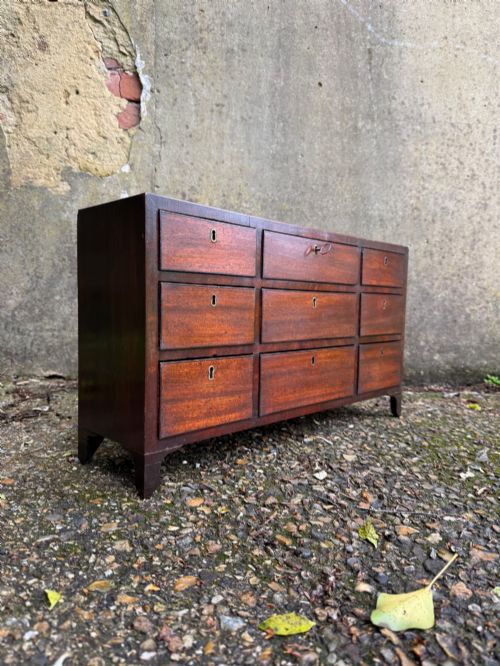
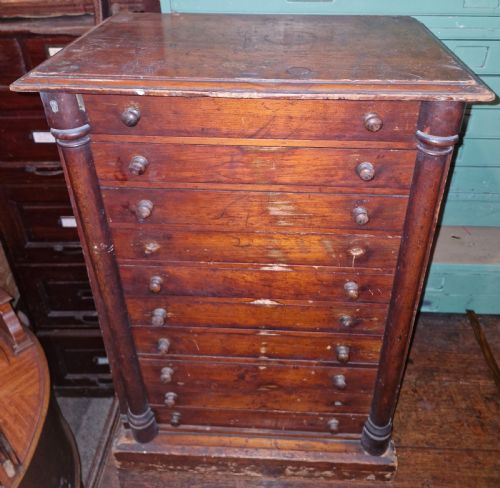
A dark mahogany collector chest organises small specimens and trinkets within compact compartments across Georgian, Victorian and Edwardian periods.
Dark Mahogany Collector Chest
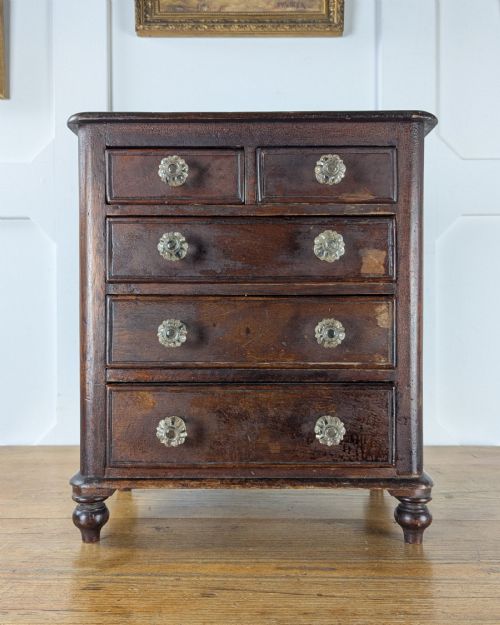
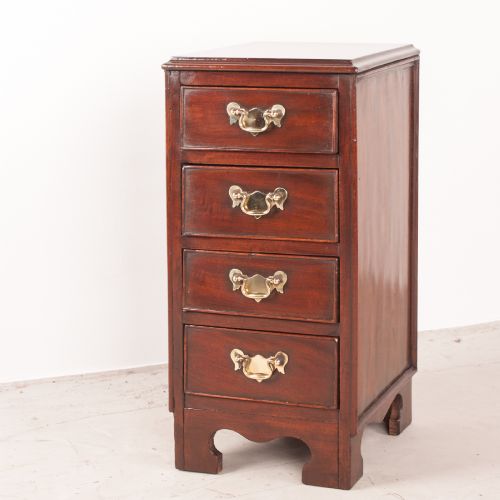
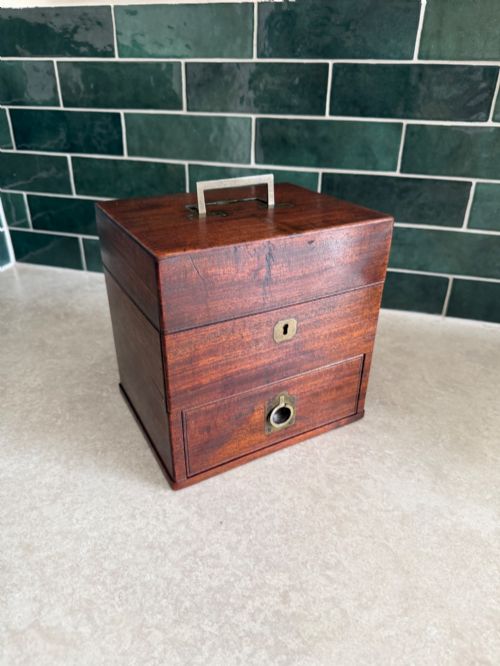
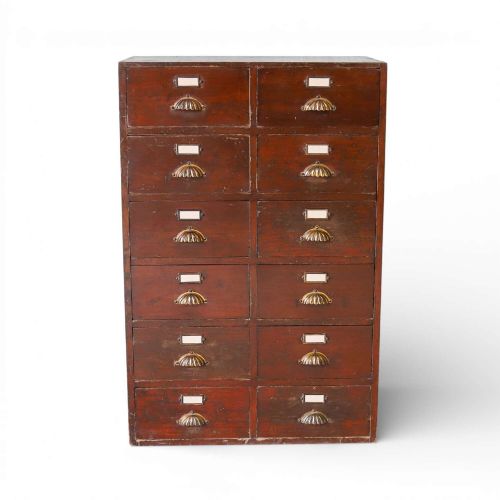
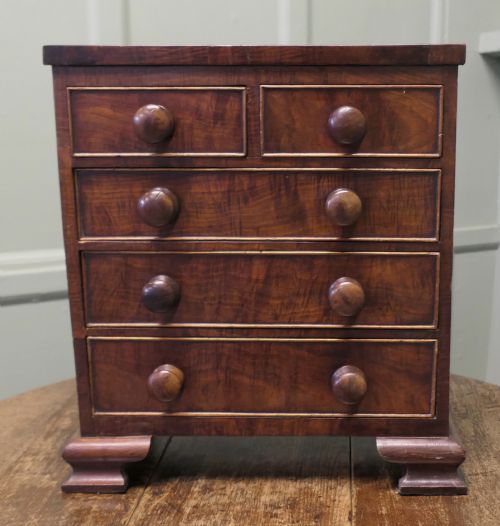
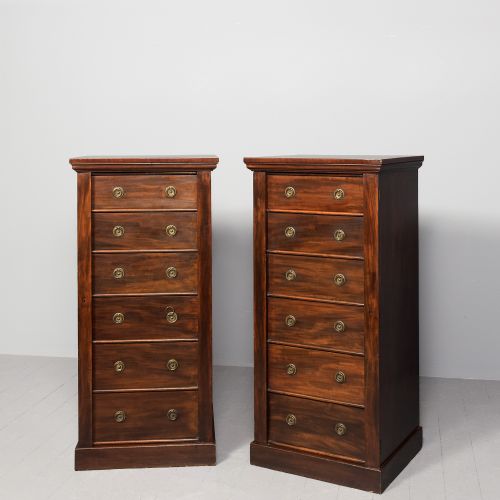
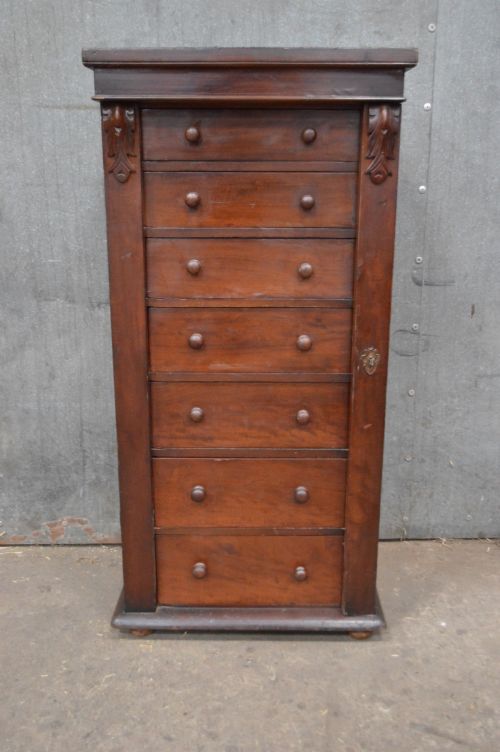
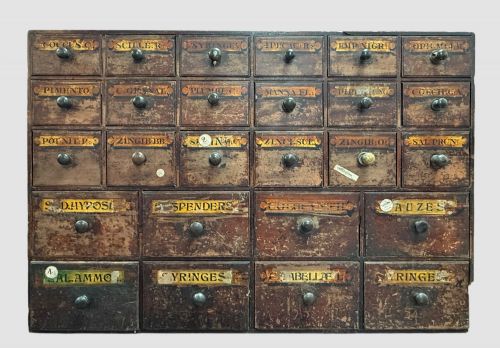
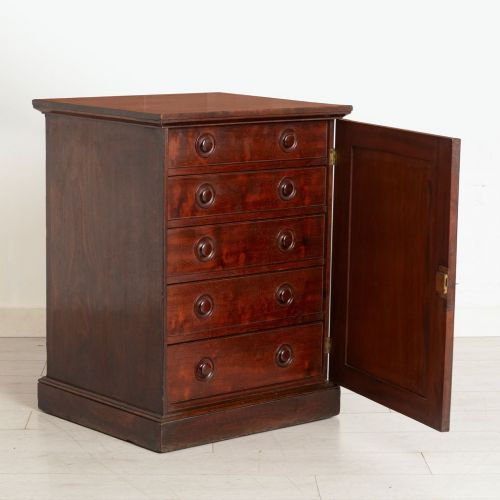
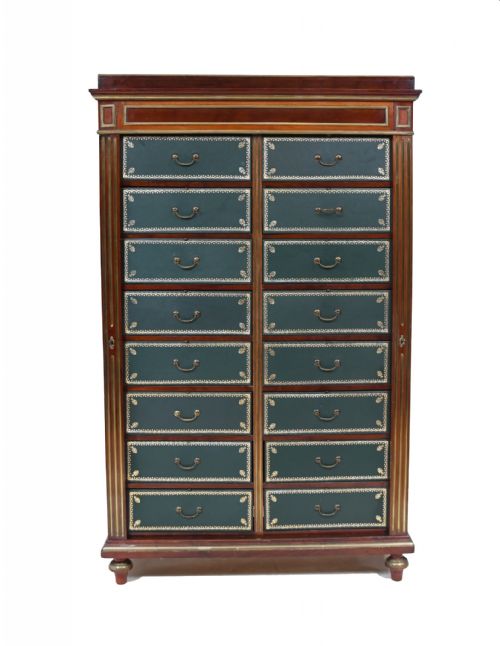
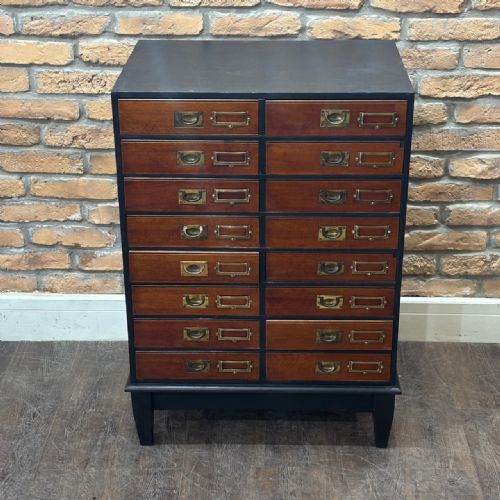
A dark mahogany collector chest takes several forms, including multi-drawer specimen cabinets, apothecary banks of drawers, Wellington chests, and miniature apprentice pieces. Buyers hunting for a dark mahogany collector chest will most frequently encounter compact Victorian and Georgian pieces designed for desktop storage or specialised collections.
The evidence shows diverse functional types ranging from microscope slide cabinets and watchmaker chests to flight of drawers and folio cabinets. These pieces originate primarily from the nineteenth and eighteenth centuries, reflecting domestic science pursuits and meticulous personal organisation.
Materials and Technique
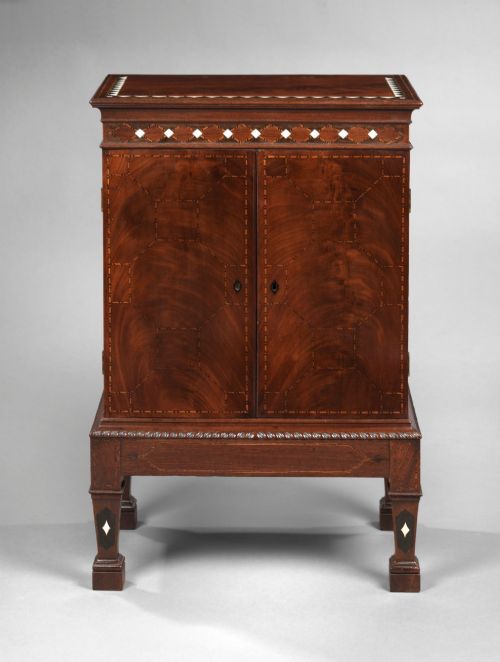
Makers constructed these cabinets using solid mahogany or flame mahogany veneer laid over secondary timbers such as pine and oak. Structural integrity relied on traditional joinery techniques suited to housing numerous small drawers.
Fittings include brass drop handles, shell pulls, label holders, and occasionally glass fronts or bone inlay details. These metallic and organic elements served both utilitarian organisation and decorative refinement.
Some tiny drawer banks spent their days holding tiny watch cogs instead of grand geological specimens.
Distinctions in Standard
Quality separates through the scale of internal drawer capacity, ranging from simple five-drawer units to elaborate multi-drawer specimen cases numbering up to forty tiers. The precision of internal fit and specialised cabinetry work dictates the upper tier of execution.
The presence of documented maker attributions, original brass hardware, label holders, and undisturbed patination elevate specific examples. Simpler utilitarian apothecary and watchmaker variants occupy a different category of craftsmanship than grand estate cabinets.
BRADY OF EDMONTON·CHARLES WILLIAM SCHOFIELD
The Dark Mahogany Collector Chest Glossary
- Wellington chest
- A tall, slender chest of drawers secured by a locking hinged side pilaster bar that fastens over the drawer edges. This form emerged during the early nineteenth century.
- Apprentice piece
- A miniature furniture item created by a trainee to demonstrate mastery of advanced woodworking joints and proportions. These scale models mirror full-sized chest designs.
- Specimen cabinet
- A specialised multi-drawer housing unit built to store natural history samples, fossils, insects, or slides. Drawers frequently feature shallow depths to display items flat.
- Cartonnier
- A desktop filing cabinet fitted with multiple horizontal compartments or shallow drawers for paper storage. Originating in France, these pieces utilise fine timber veneers.
- Apothecary chest
- A functional bank of small drawers utilised by chemists and pharmacists for botanical ingredients and compounds. They are characterised by numerous compact pull drawers.
Dark Mahogany Collector Chest: Frequently Asked Questions
What were collector chests originally used for?
These cabinets served naturalists, doctors, and horologists for housing delicate items like microscope slides, watch parts, coins, and botanical specimens.
Their numerous shallow drawers kept sensitive objects protected from dust, light, and handling damage.
How do I date a mahogany chest?
Dating relies on assessing construction methods, timber choice, hardware styles, and overall proportions across Georgian, Regency, and Victorian eras.
Detailed drawer linings and lock mechanisms also provide clear indicators of period manufacture.
Where should I place a small chest?
Compact tabletop proportions allow these cabinets to sit comfortably upon desks, sideboards, or dedicated display stands.
Their enclosed drawer design protects contents while offering versatile styling within study or living spaces.
What is an apprentice chest?
Apprentice chests are miniature furniture models built by woodworkers to prove their technical proficiency to a guild.
They replicate full-scale chests of drawers with identical dovetail joinery and timber selection on a reduced scale.