
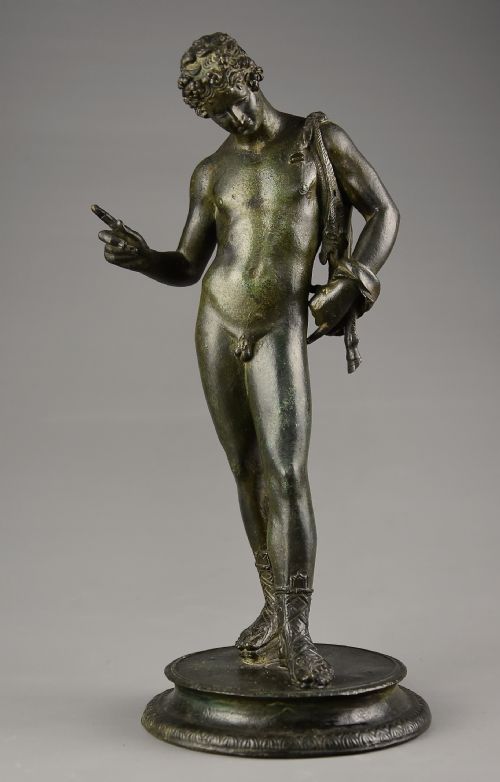


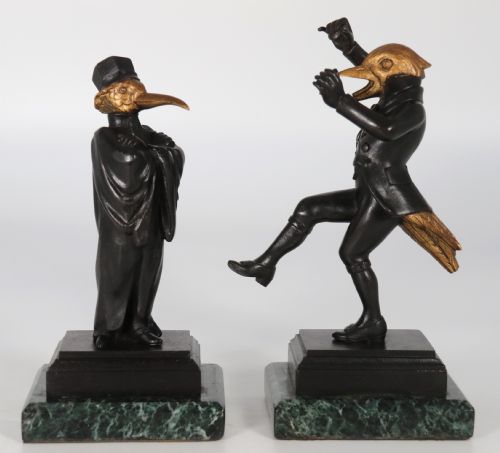


Dark Green Bronze Figure
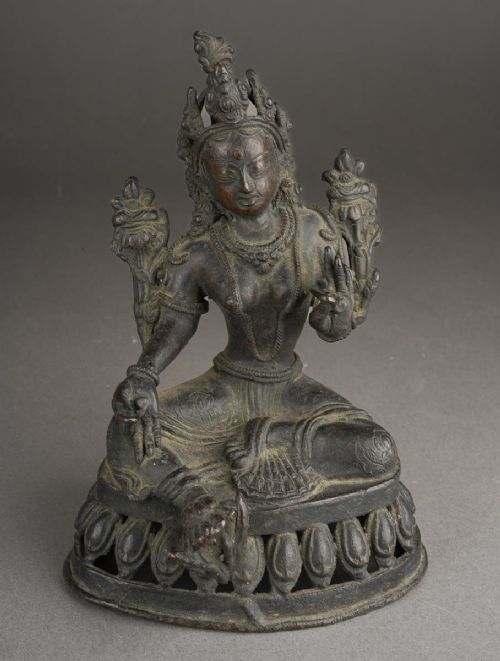
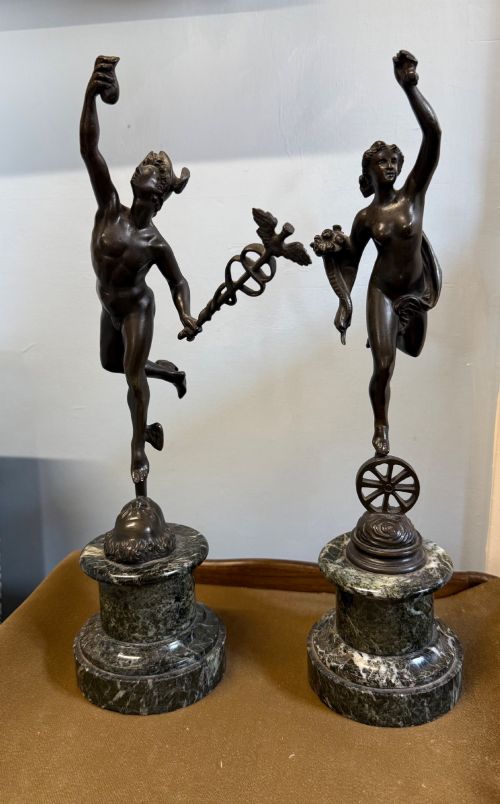
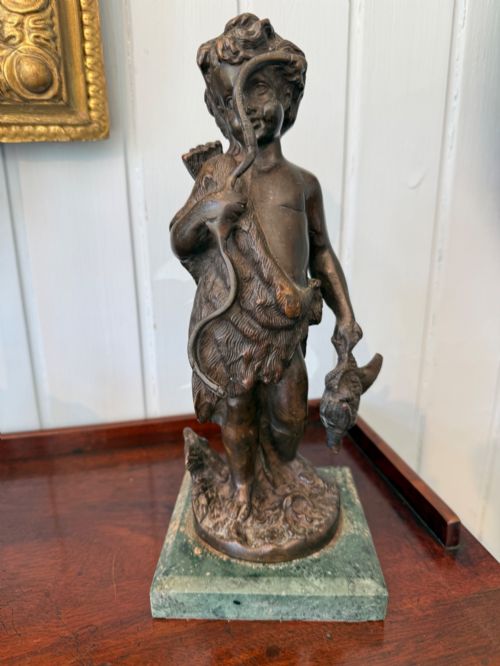
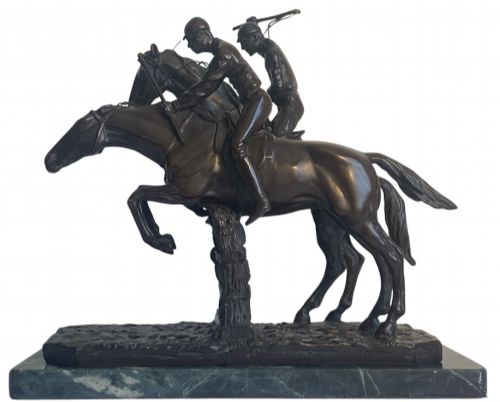
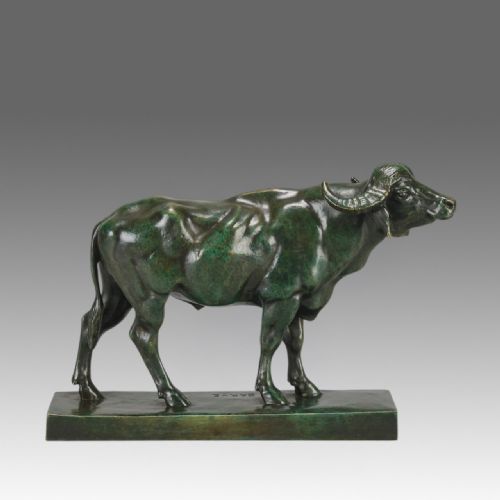
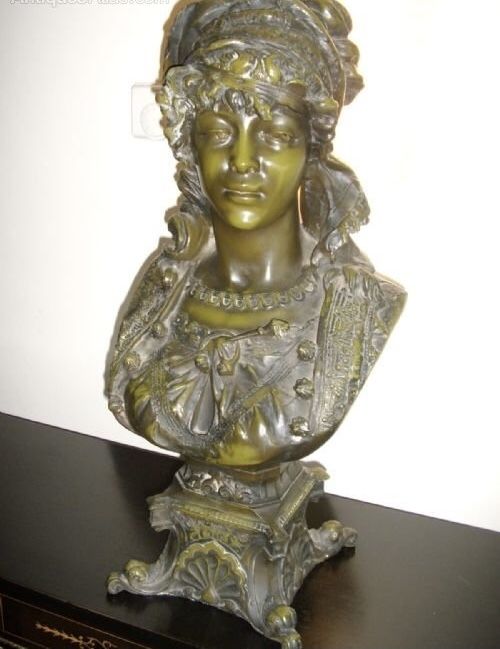
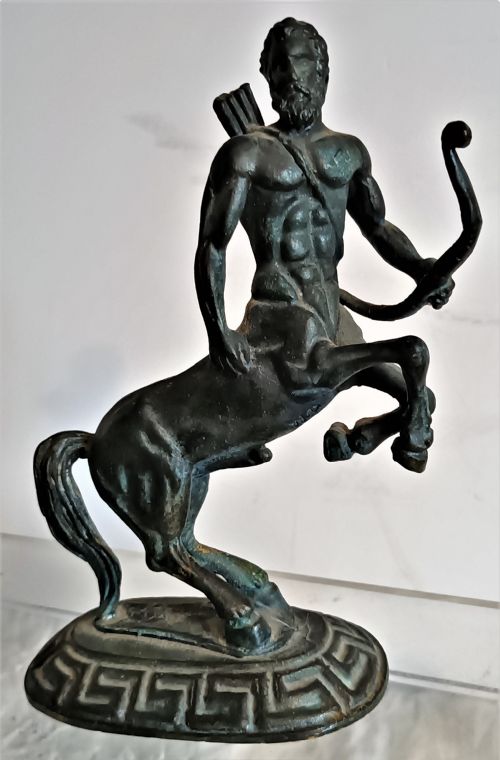
A dark green bronze figure brings classical antiquity and animalier movement into a room through rich patination and solid cast metal.
Dark Green Bronze Figure
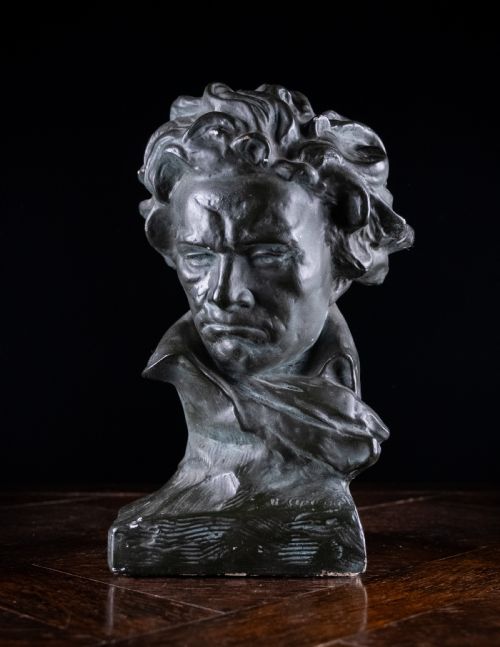
A dark green bronze figure on this page typically spans nineteenth-century European casting traditions, grand tour souvenirs, and Eastern shrine works. The selection ranges from classical mythological subjects and human busts to dynamic animalier studies of dogs, big cats, and birds.
Buyers encounter distinct regional categories, including French animalier bronzes, Italian grand tour reductions of antique statues, and Japanese Meiji period okimono. Many pieces incorporate integral or fitted bases made from green marble, onyx, or brass.
Materials and Technique
Foundry production relied primarily on traditional lost-wax casting in bronze, producing hollow or solid figures with considerable heft. Cold-painted surfaces and applied patinas added colour variation directly onto the metal substrate.
Mounts frequently utilise contrasting mineral elements such as green marble and onyx bases to support heavier equestrian or classical figures. Plaster and paint appear in alternative bust productions alongside the dominant metal works.
Listings feature works spanning the sixteenth century to the 1930s, incorporating Neoclassical, Art Deco, and French Animalier styles.
Cast Definition and Finish
The sophistication of the patination dictates visual success, where subtle shading creates believable depth instead of flat, uniform pigment. Base integration also matters, as tightly fitted stone plinths demonstrate superior workshop construction.
Antoine L Barye·Franz Bergman·Bruno Zach·Jules Dalou·E Drouot
The Dark Green Bronze Figure Glossary
- Patination
- The chemical or natural colouration of the metal surface. Dark green patination is common on grand tour and classical revival pieces.
- Animalier
- A nineteenth-century artistic genre focusing on the realistic depiction of animals. French animalier sculptors achieved international renown for these works.
- Grand Tour
- Souvenir sculptures purchased by travellers in Italy during the eighteenth and nineteenth centuries. These reproductions replicate famous archaeological finds.
- Okimono
- Japanese decorative statues designed for display on household shelves. The Meiji period produced notable bronze examples of these figures.
- Garniture
- A set of ornamental objects designed for display together on a mantelpiece. These often include a clock flanked by matching bronze figures.
Dark Green Bronze Figure: Frequently Asked Questions
What is a dark green bronze figure?
A dark green bronze figure is a cast metal sculpture treated with a chemical patina to create an aged dark green finish. These works span nineteenth-century European studios, classical revivals, and Asian traditions.
Subjects range from mythological deities and historical busts to realistic animals and theatrical characters. Most sit on tabletops or dedicated stone bases.
How were these bronzes displayed?
Nineteenth-century interiors typically displayed these sculptures on mantelpieces, desks, and dedicated pedestals. Many smaller pieces served as desk accessories or paperweights in studies and libraries.
Larger equestrian and allegorial groups occupied central table placements or fitted furniture tops. Grand tour bronzes specifically commemorated European travel in drawing rooms.
How do I care for a bronze sculpture?
Maintenance requires occasional dusting with a soft, dry brush to prevent particulate accumulation in recessed details. Avoid liquid cleaners and polishes, which strip the intentional surface patina.
Stable indoor humidity and moderate temperatures protect both the metal casting and any attached marble or onyx bases from thermal shock.
How can I identify a grand tour bronze?
Grand tour bronzes typically replicate known ancient Roman or Greek sculptures housed in European museums. They frequently feature deep patination and mount onto plain or inscribed marble plinths.
These pieces date predominantly from the nineteenth century when travellers collected miniature souvenirs of classical antiquities.