
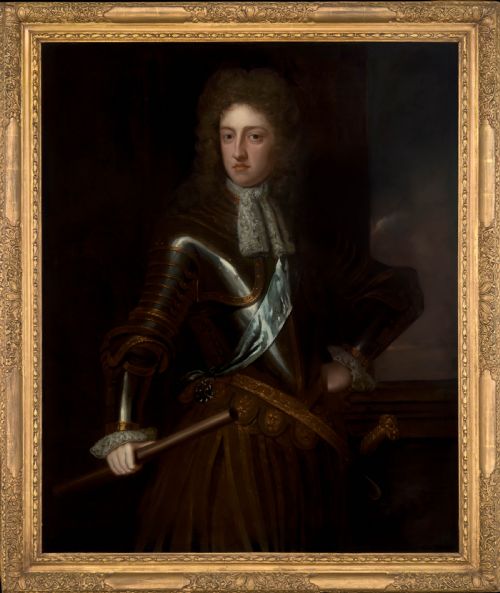
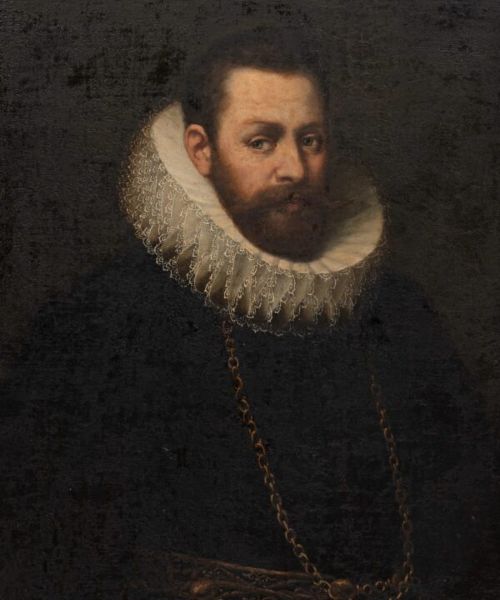
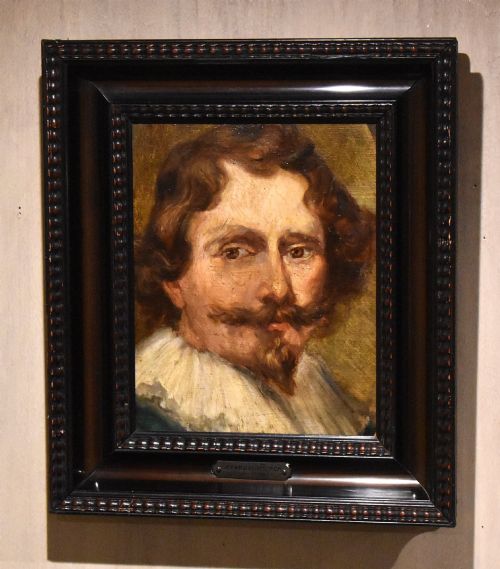
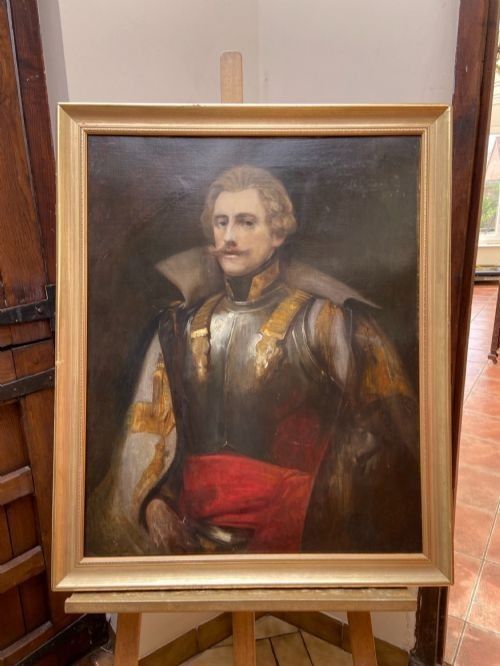
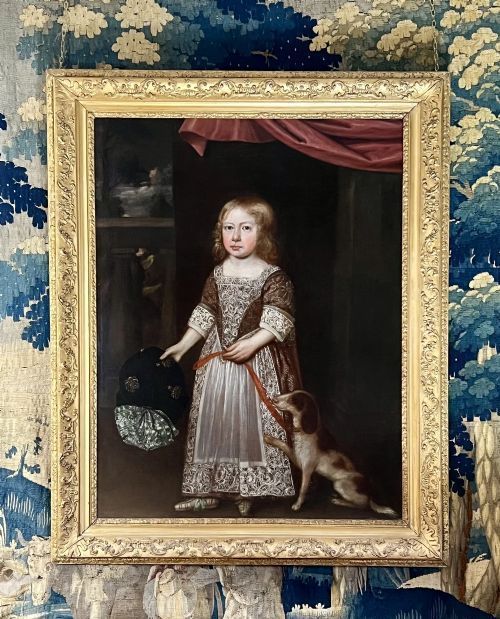
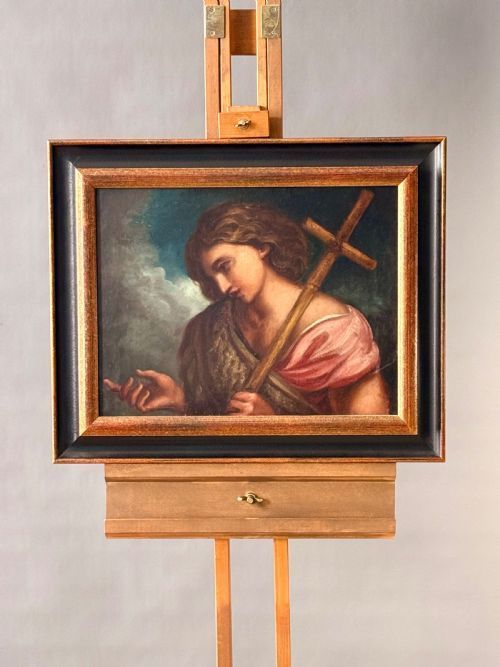
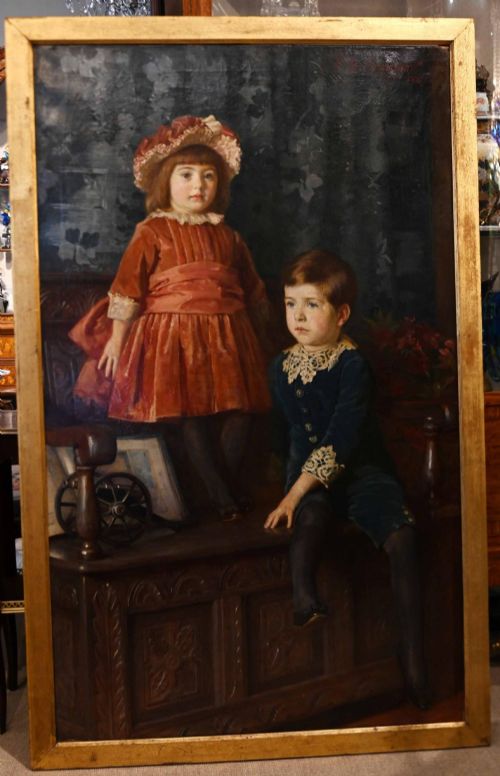
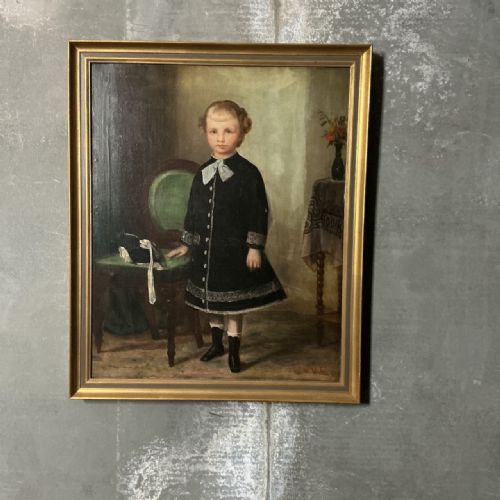
Dark Framed Oil Portrait
A dark framed oil portrait brings centuries of character into a room through rich pigments set within deep wooden or gilded surrounds.
Dark Framed Oil Portrait
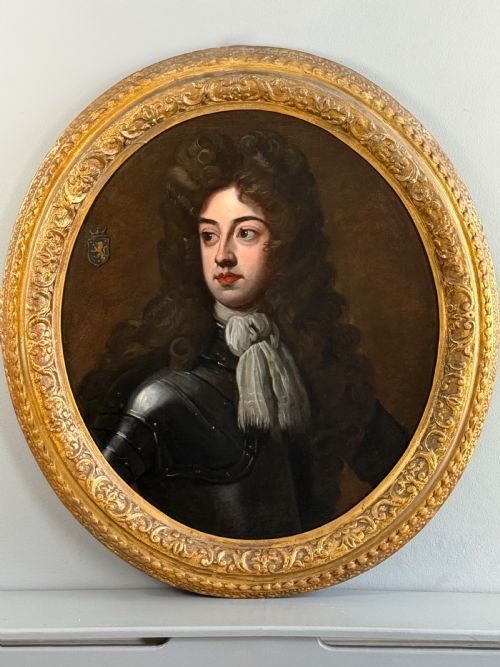
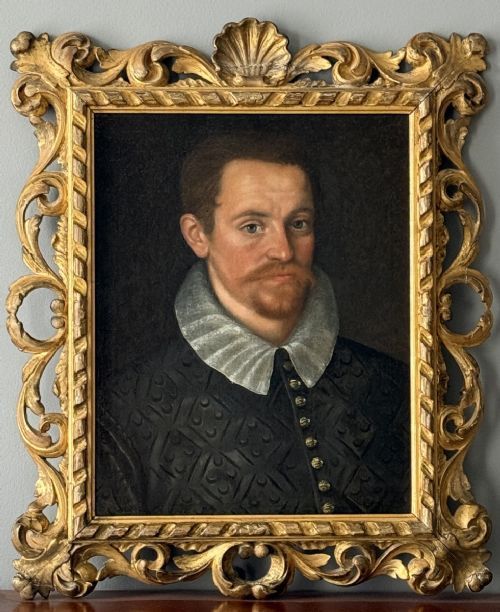
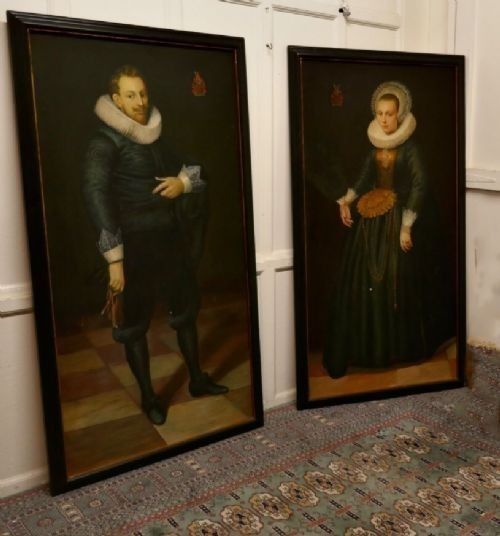
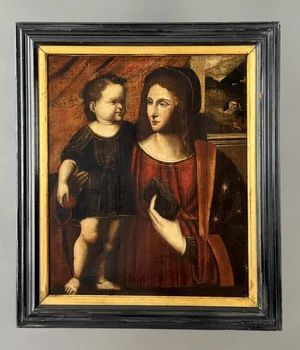
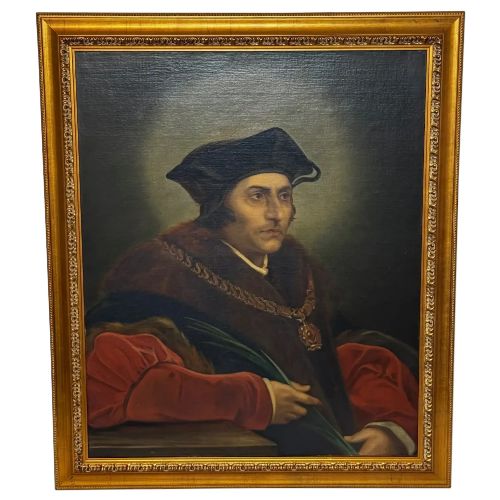
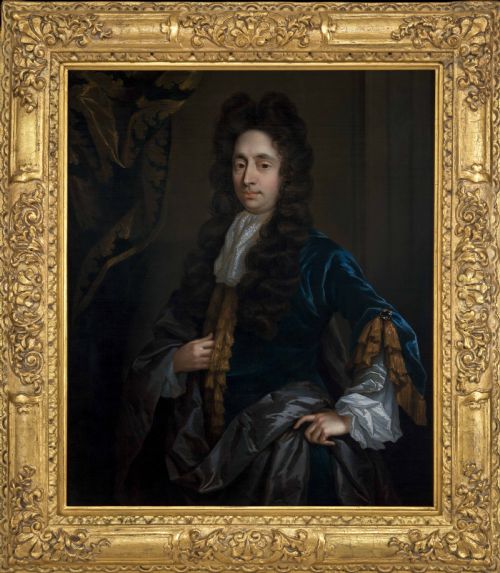
A dark framed oil portrait is a painted likeness executed on canvas or wood panels, typically enclosed in period wooden mouldings. These works span centuries of artistic tradition, drawing from seventeenth-century Dutch and English schools, eighteenth-century European portraiture, and nineteenth-century academic studies.
The selection here ranges from grand depictions of nobility and military officers to intimate studies of gentlemen and ladies. Buyers encounter works attributed to major European schools alongside regional British and continental pieces.
Subjects appear in formal attire, military uniform, or quiet contemplation, offering a direct link to historical eras through traditional painting techniques.
Materials and construction methods
These works rely on oil paint applied to woven canvas stretched over wooden frames, or occasionally prepared wood panels. Pigments were built up in layers to create depth in clothing and skin tones.
The enclosures are constructed from solid timber, frequently finished with dark stains, black paint, or applied gold leaf. Giltwood and carved wood mouldings provide structural weight and visual contrast to the dark palettes of the canvases.
Several portraits quietly preserve the stern gazes of subjects who sat for hours, perhaps wishing they had chosen a shorter pose.
Evaluating quality and execution
Quality rests in the handling of the subject's face and hands, where master painters captured bone structure and personality with assured brushwork. Weaker examples show stiffness in the posture and flat application of paint without tonal variation.
The integrity of the canvas and the preservation of the original wooden frame dictate the historical value of the piece. Retaining the primary stretcher and unlined canvas distinguishes superior works from heavily restored examples.
Sir Anthony van Dyck·Sir Godfrey Kneller·Charles Jervas·Sir William Beechey
The Dark Framed Oil Portrait Glossary
- Oil on Canvas
- Pigments mixed with drying oils applied to a woven fabric support. This combination allows for rich colour blending and subtle shading.
- Giltwood
- Wood carved and coated with a thin layer of gold leaf or metallic powder. It provides a bright perimeter that isolates the dark tones of the painting.
- Old Master
- A European artist of high skill working before the nineteenth century. These paintings reflect the established traditions of regional workshops.
- School
- A group of artists working in a similar style or region during a specific period. This designation often attributes works when an individual maker remains unknown.
Dark Framed Oil Portrait: Frequently Asked Questions
How do I date a dark framed oil portrait?
Dating relies on the style of clothing, the construction of the wooden stretcher, and the composition of the frame. Portraiture often follows strict contemporary fashions in dress and wig design.
Examination of the canvas weave and the type of nails or fixings used at the back provides further evidence of the period.
Where should I hang a dark framed oil portrait?
These works suit traditional reception rooms, libraries, or studies where dark wood furniture complements the heavy frames. Direct sunlight should be avoided to protect the oil pigments.
Placing the piece against a neutral wall allows the deep tones of the canvas and the texture of the frame to stand out clearly.
What is an attributed painting?
An attribution indicates that the work displays the distinct style and technical characteristics of a specific master or workshop. It suggests strong expert opinion without a signed documentation.
This classification bridges the gap between fully documented pieces and anonymous school works.
Why are some portraits painted on panels instead of canvas?
Wood panels were the standard support for paintings before stretched canvas gained widespread popularity in the sixteenth century. Panels provided a rigid surface that prevented the sagging associated with early fabrics.
Artists working in northern European traditions frequently utilised oak panels for their fine-grained stability.