

Dark Canvas Baroque Painting
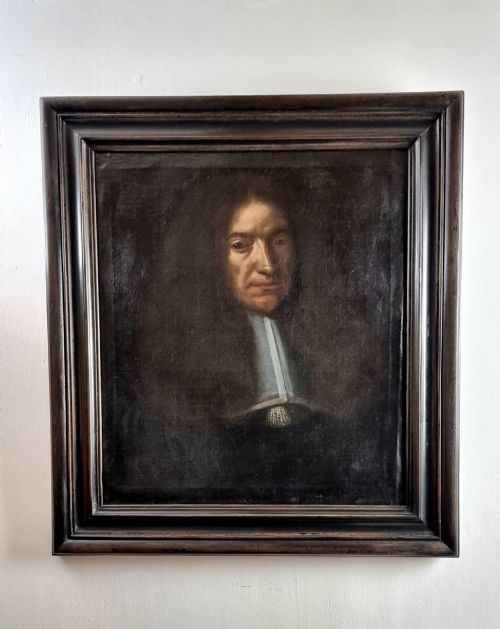
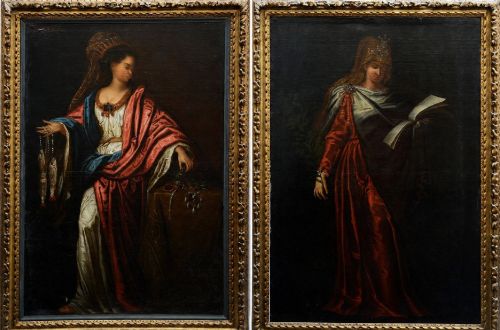
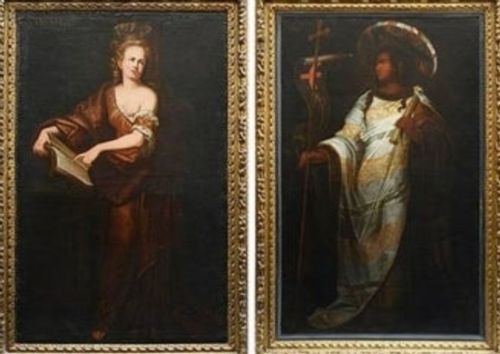
When you search for a dark canvas baroque painting, you are looking for deeply shadowed oil portraits and dramatic religious scenes executed on woven supports during the seventeenth and eighteenth centuries.
Dark Canvas Baroque Painting
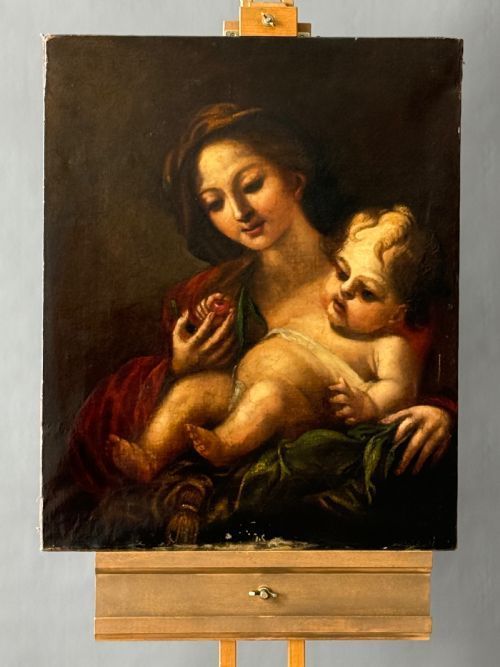
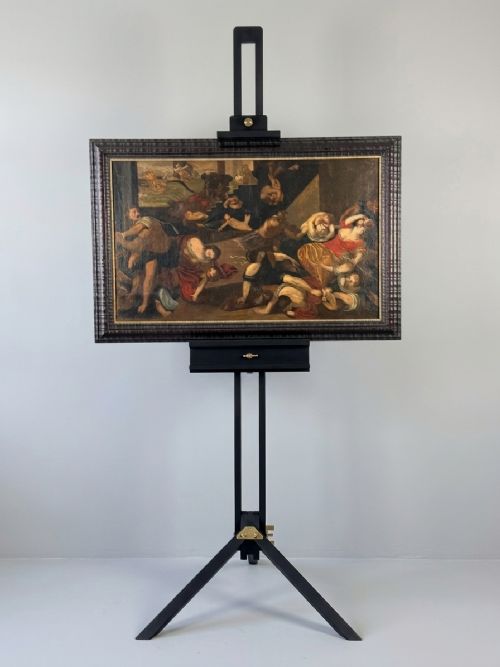
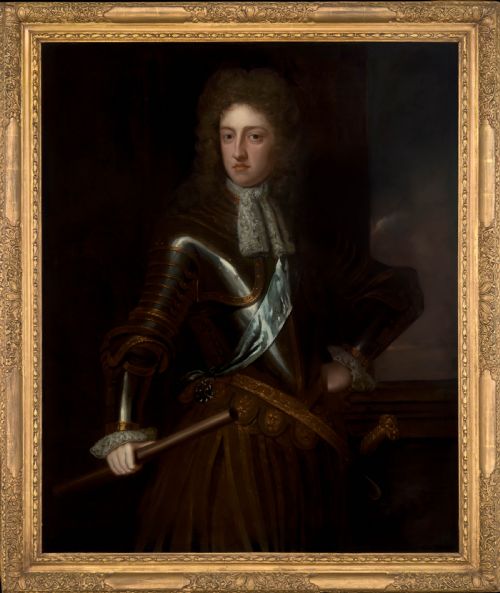
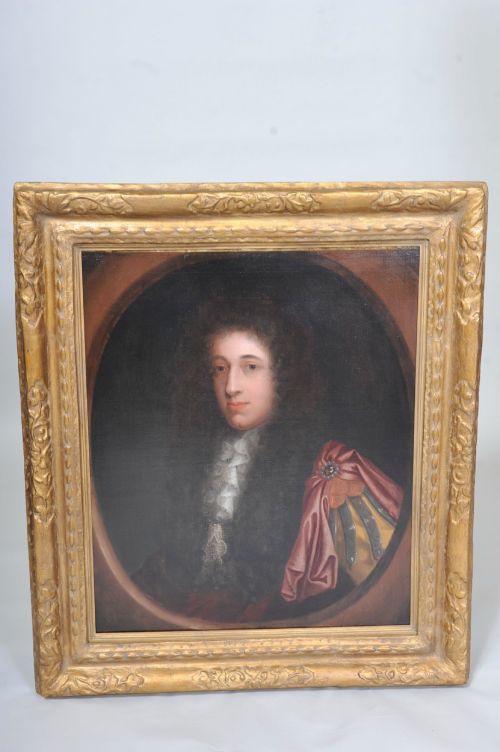
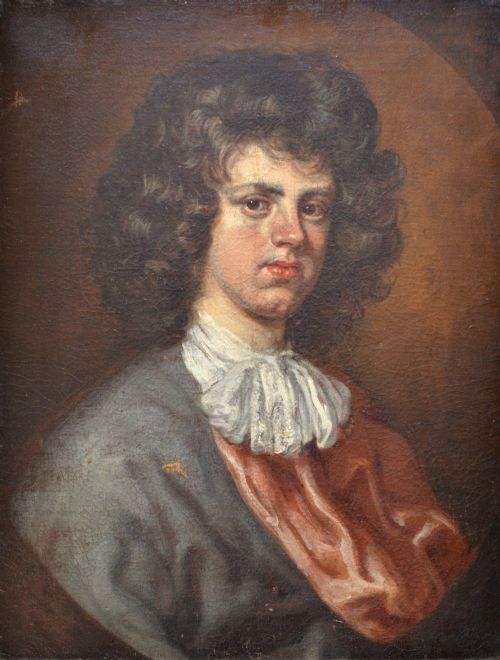
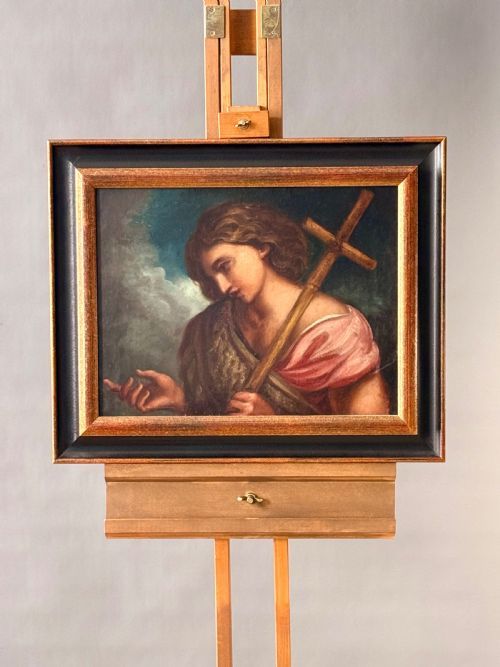
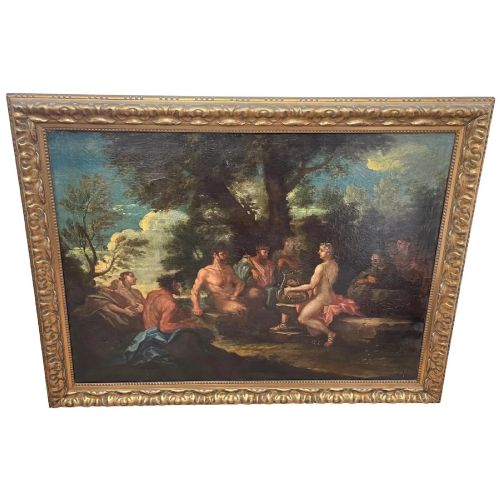
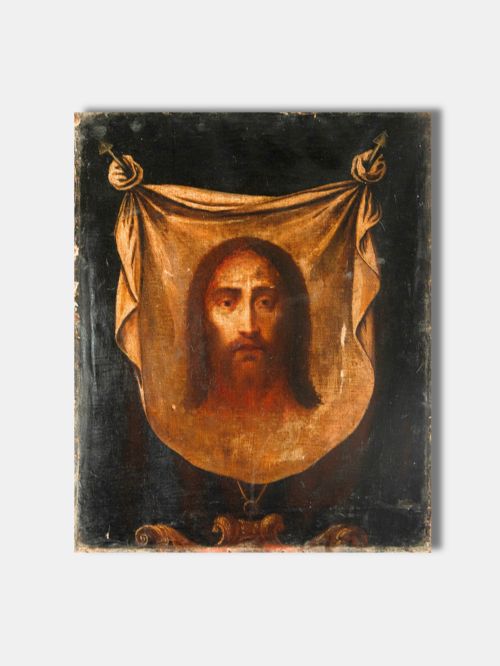
A dark canvas baroque painting captures the intense chiaroscuro and theatrical compositions typical of European studios from the seventeenth and eighteenth centuries. These works frequently depict aristocratic sitters, mythological narratives, and devotional subjects rendered against heavy, murky backgrounds.
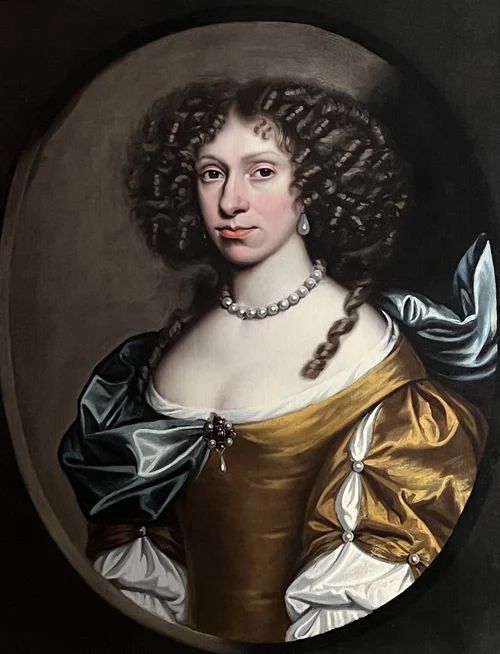
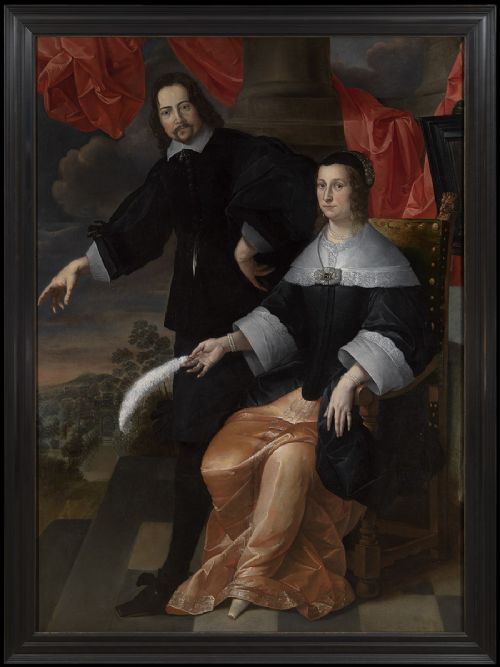
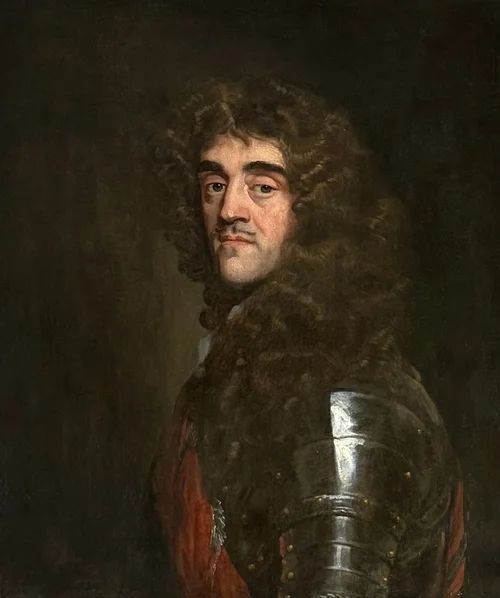
You will most commonly encounter seventeenth-century portraits of noblemen, judges, and ladies wearing intricate ruff collars or armour, alongside Spanish, Italian, and Dutch religious scenes. These pieces rely on a sombre palette where deep ochres, blacks, and browns dominate the visual field.
The regional schools represented span from the precise brushwork of the Dutch Golden Age to the expressive Spanish and Flemish traditions. Each piece reflects the prevailing academic standards and patronage systems of its specific geographic origin and period.
Assessing quality
The distinction between workshop production and studio work by a named master lies in the psychological intensity of the sitter's expression and the confident handling of fabric folds and lace. Superior compositions maintain anatomical precision even within obscured, low-light corners.
Condition plays a central role, particularly the stability of the original canvas weave and the minimal disruption from historical overpainting. Works that retain their unlined fabric and transparent glaze layers exhibit a greater visual depth than those heavily restored.
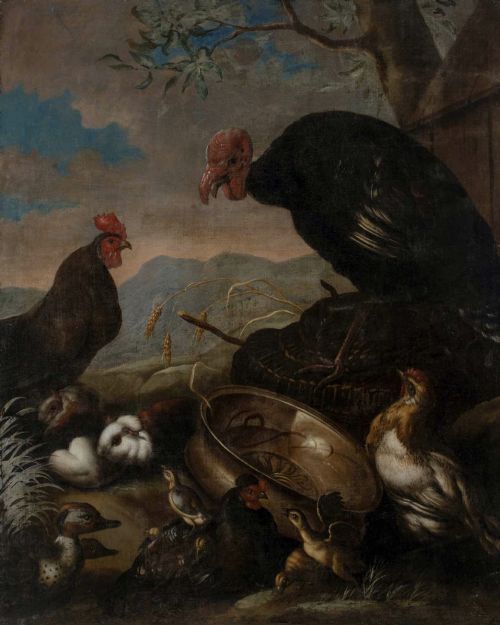
Several seventeenth-century canvases feature vigilant hunting dogs and stolen food lurking quietly beneath aristocratic portraits.
Sir Godfrey Kneller·Sir Anthony van Dyck·Nicolaes Maes·Frans Snyders·Michael Dahl
The Dark Canvas Baroque Painting Glossary
- Chiaroscuro
- An artistic technique employing strong contrasts between light and dark to give a three-dimensional volume to figures. This method creates the dramatic mood central to seventeenth-century visual art.
- Old Master
- A term applied to European painters of skill working before about eighteen hundred. These artists typically belonged to recognised guilds or academies.
- Giltwood
- Wood that has been treated with a thin layer of gold leaf or powder. Frames of this material frequently accompany seventeenth and eighteenth-century artworks.
- Provenance
- The chronological record of ownership of a work of art. A documented history helps confirm the attribution of unsigned school pieces.
Dark Canvas Baroque Painting: Frequently Asked Questions
What is a dark canvas baroque painting?
These works are oil paintings on fabric supports created during the seventeenth and eighteenth centuries, characterised by intense shadows and dramatic lighting.
They typically portray nobility, religious figures, or allegorical scenes using a rich, sombre palette of deep browns and blacks.
How should I care for an old oil painting?
Keep the canvas away from direct sunlight, high humidity, and rapid temperature fluctuations to prevent cracking in the paint layers.
Dust the surface gently with a soft, dry brush and avoid using any liquid cleaners on the fragile oil paint.
How do I identify the period of a portrait?
Examine the clothing, hair styling, and accessories worn by the sitter, such as lace collars or specific military armour.
Stylistic conventions of the brushwork and the construction of the wooden stretcher frame also offer reliable clues to the date of creation.
Why are the backgrounds so dark?
Painters used deep, obscured backgrounds to isolate the primary subject and heighten the theatrical tension of the composition.
This method, known as tenebrism, was a defining characteristic of baroque workshops across Italy, Spain, and the Netherlands.