




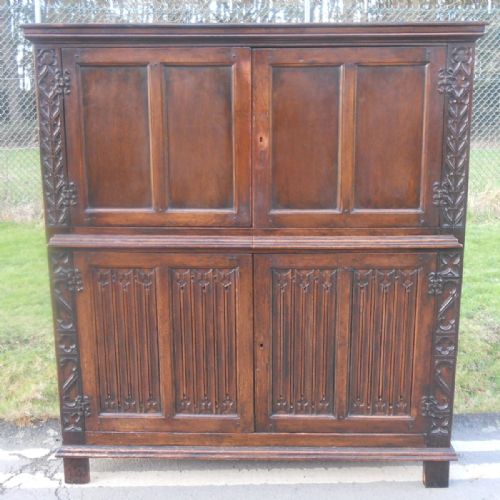
Dark Brown Wooden Wardrobe
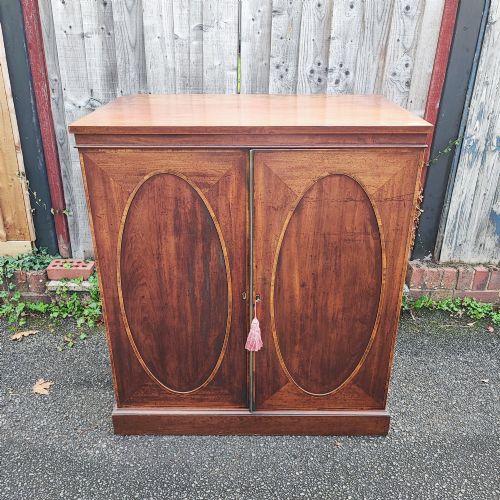
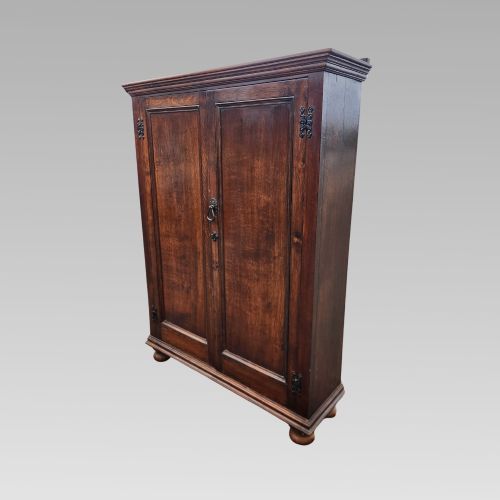
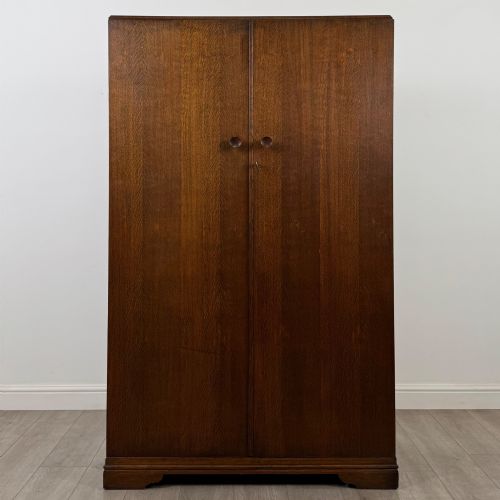
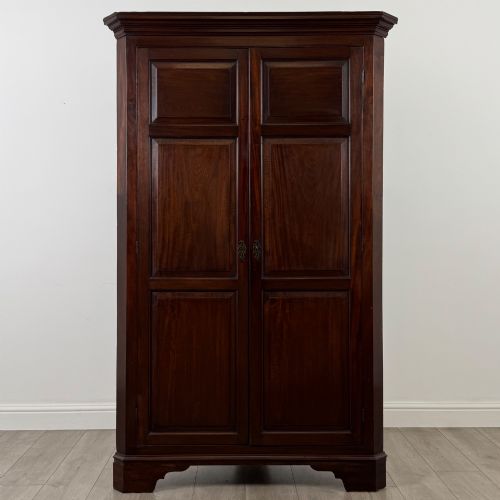
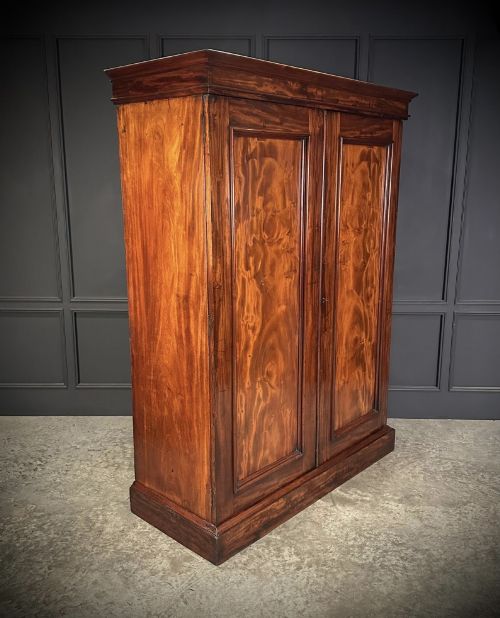
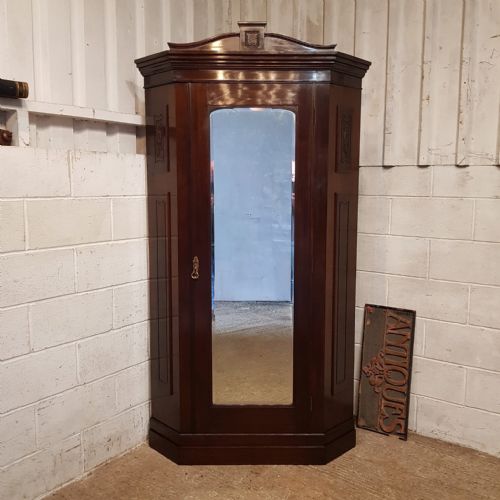
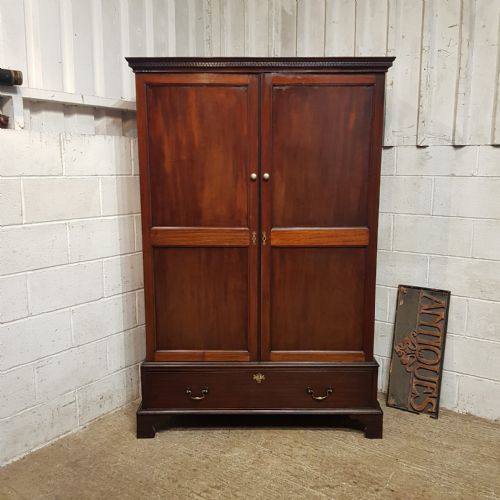
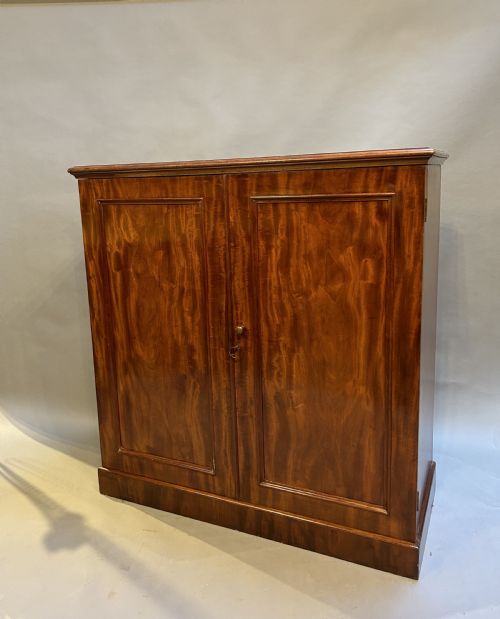
A dark brown wooden wardrobe brings rich timber grain and substantial storage into a room, spanning centuries of cabinet-making.
Dark Brown Wooden Wardrobe
The most common timber variations you meet on this page are oak and mahogany, often showing deep, dark natural tones built up over generations. Formats vary from simple hanging spaces to architectural linen presses with internal sliding trays or lower drawer banks.
Many items reflect distinct regional and stylistic origins, such as French provincial armoires, Dutch baroque cupboards, and Chippendale style storage. These pieces combine utilitarian function with the decorative cabinet-making traits of their respective eras.
How they were made
Constructed primarily from solid hardwoods like oak, mahogany, and walnut, these wardrobes often employ burr walnut or flame mahogany veneers on primary display surfaces. Workshops utilised traditional joinery methods to build heavy carcases that could support large panelled doors and internal shelving.
Metal hardware such as brass handles, hinges, and iron fittings were cast and hand-fitted to secure heavy timber doors and drawers. Surface finishes relied on hand-applied polishes and waxes that darkened naturally with age, accentuating the grain of the dark woods.
Dark Brown Wooden Wardrobe Retail Price Guide 2026
Typical asking prices for dark brown wooden wardrobe among the pieces listed under this phrase on Sellingantiques today, from the lower quarter to the upper quarter. They describe what is for sale here now, not the wider market.
One remarkably honest harness cupboard preserves the distinct scent of seventeenth-century working tack.
What varies in quality
The distinction between standard utility pieces and exceptional examples lies in the selection of timber and the ambition of the carver. Superior wardrobes utilise finely figured flame mahogany or burr walnut veneers alongside crisp, deeply carved mouldings rather than plain planking.
Internal configuration also separates basic storage from high-end commissions, with top-tier pieces featuring fitted linen slides, integrated drawers, and original brass hardware. The precision of the joinery in the door frames and drawer linings dictates the structural longevity of the piece.
Heals·Edwards & Roberts
The Dark Brown Wooden Wardrobe Glossary
- Linen Press
- A tall storage piece traditionally used to store folded sheets and textiles, typically featuring sliding trays enclosed by upper doors above a chest of drawers.
- Armoire
- A large upright cupboard or wardrobe, frequently of continental European origin, designed with hinged doors enclosing hanging space or shelving.
- Compactum
- A multi-functional wardrobe combining hanging space, drawers, and shelving within a single compact footprint.
- Veneer
- A thin layer of finely figured wood, such as flame mahogany or burr walnut, applied over a stable secondary timber carcase to create decorative surfaces.
- Marquetry
- The art of applying decorative patterns of wood veneers to a carcase structure to create pictorial or geometric designs.
Dark Brown Wooden Wardrobe: Frequently Asked Questions
How do I use a linen press today?
A linen press provides deep internal storage that adapts easily to modern bedroom needs. The sliding trays work well for folded clothes, blankets, or linens, while hanging sections accommodate longer garments.
Positioning the piece requires measuring ceiling height and floor space carefully, as these wooden wardrobes are heavy and substantial. Ensure the room has stable humidity levels to protect the antique timber and prevent door warping.
How do I tell Georgian wardrobes apart from Victorian ones?
Georgian wardrobes tend to feature architectural proportions, cleaner lines, and solid mahogany or oak construction with subtle classical mouldings. They often present a simpler, understated elegance rooted in eighteenth-century design principles.
Victorian pieces frequently display heavier carving, darker walnut or burr veneers, and more elaborate panel work. The scale is often grander, reflecting the industrial capabilities and stylistic preferences of the later nineteenth century.
What is the difference between an armoire and a wardrobe?
Armoires originated on the continent, particularly in France and Holland, and traditionally feature deep proportions with distinct provincial or baroque decorative styling. They were often built to be dismantled for transport.
Standard British wardrobes developed specifically to house hanging garments on rails alongside fitted drawers. While both terms now describe large storage cupboards, their internal layouts and regional details often reflect their origins.
How do I care for dark wood antique furniture?
Maintain antique timber by keeping it away from direct heat sources, radiators, and strong sunlight that can dry out the wood and fade the polish. Dust regularly with a soft, dry cloth to prevent particle buildup.
Apply a traditional beeswax polish occasionally to nourish the surface and preserve the deep natural patina. Avoid modern silicone sprays, as they can damage historic finishes over time.