
Dark Brown Wooden Stools
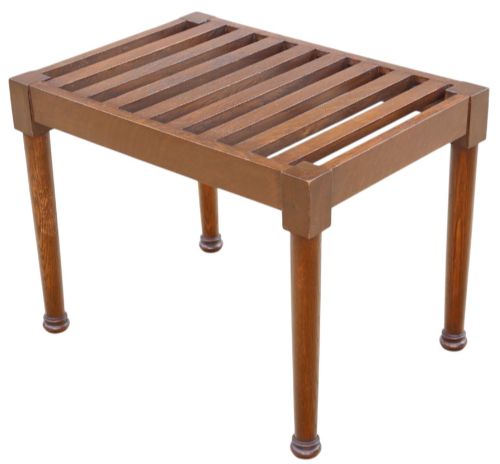
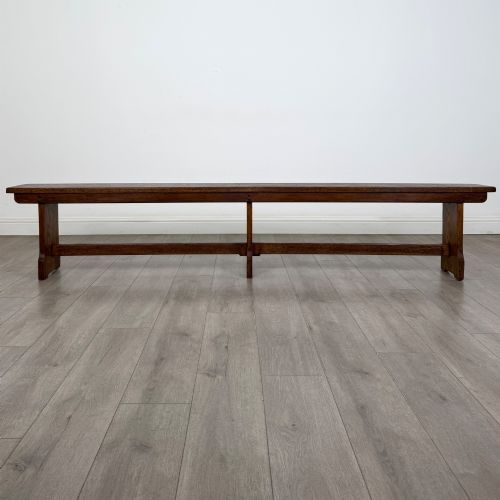
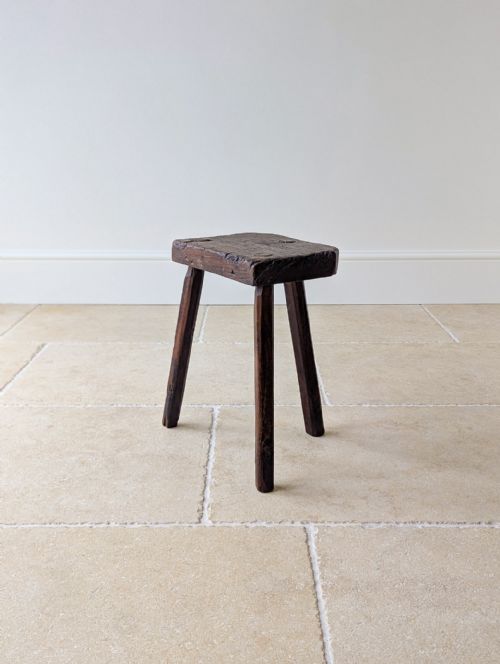
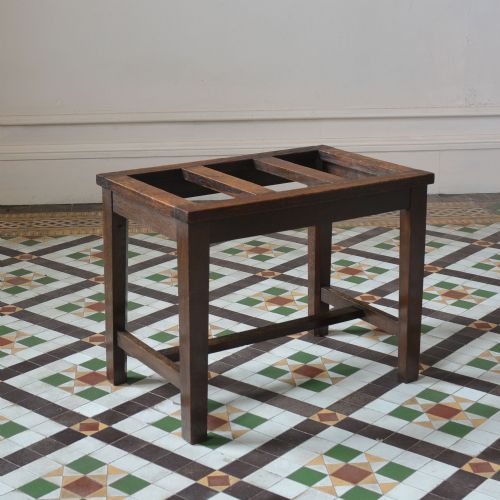
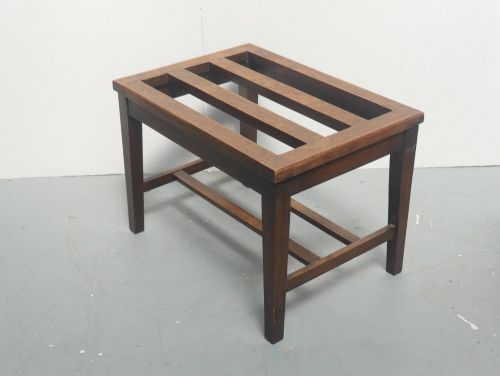
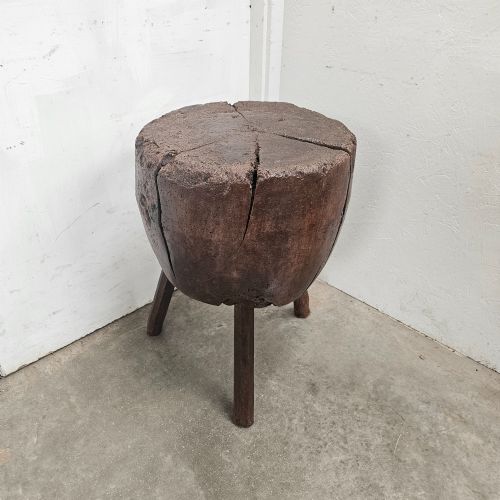
Dark brown wooden stools are solid seating pieces offering rich timber tones and enduring utility across centuries.
Dark Brown Wooden Stools
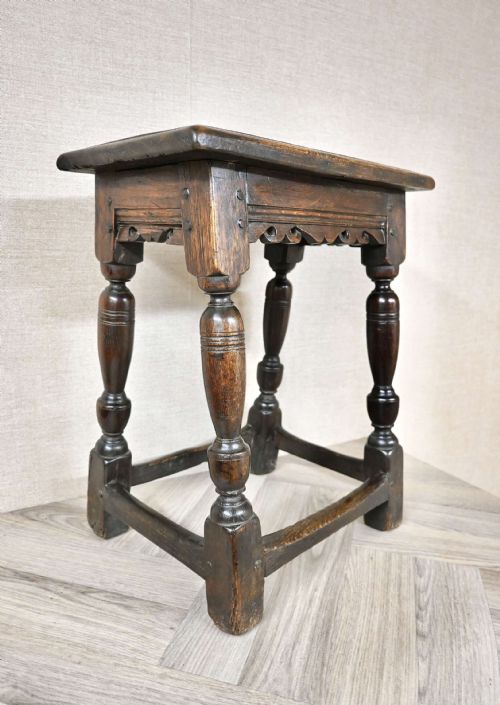
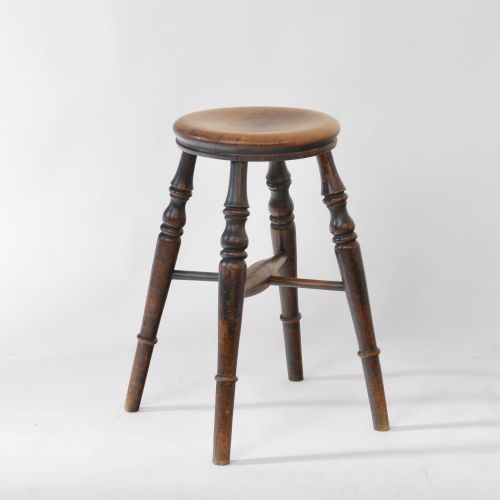
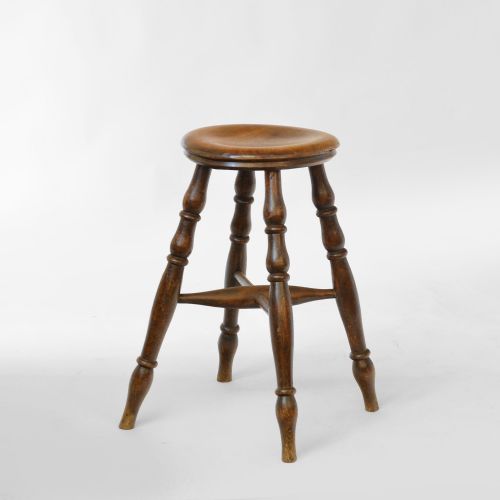
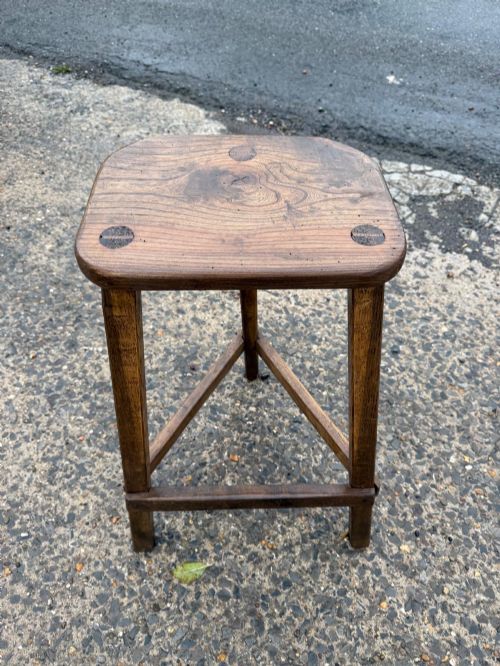
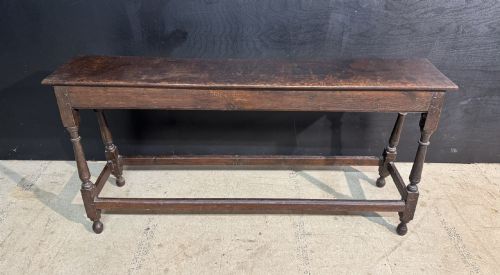
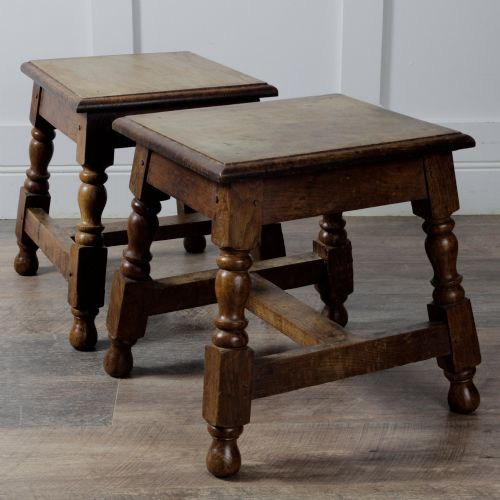
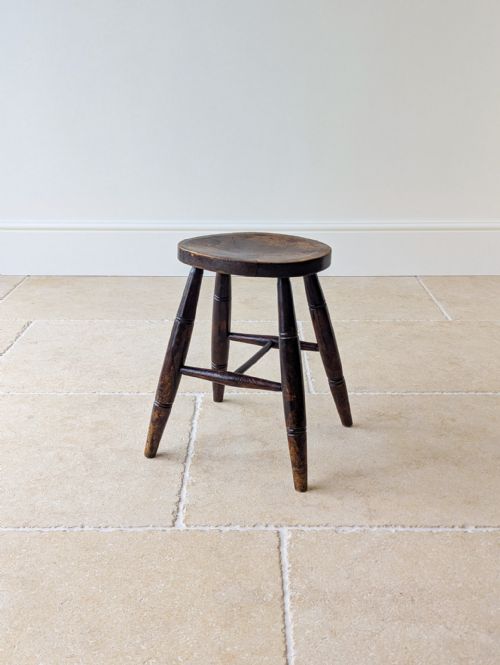
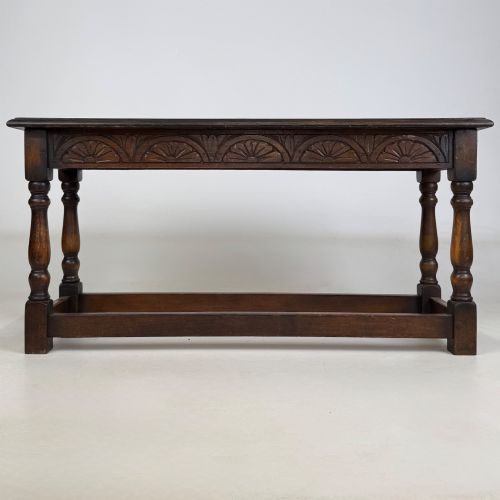
Originating primarily from the seventeenth century through to the early twentieth century, these items reflect diverse regional styles including Victorian country, Georgian, and Jacobean vernacular. Oak and elm dominate the selection, bringing heavy grain and deep natural patination to each piece. Forms range from simple three-legged round seats to substantial joint stools with pegged mortise and tenon construction.
How they were made
Makers utilised dense native timbers such as oak, elm, beech, and mahogany, selecting each for its structural resilience and capacity to take a rich, dark finish. Carpenters employed traditional joinery methods including mortise and tenon joints secured with wooden pegs, ensuring the framework remained rigid under heavy daily use. Turning lathes shaped upright legs and stretchers, while hand saws and adzes formed dished wooden seats and flat tops.
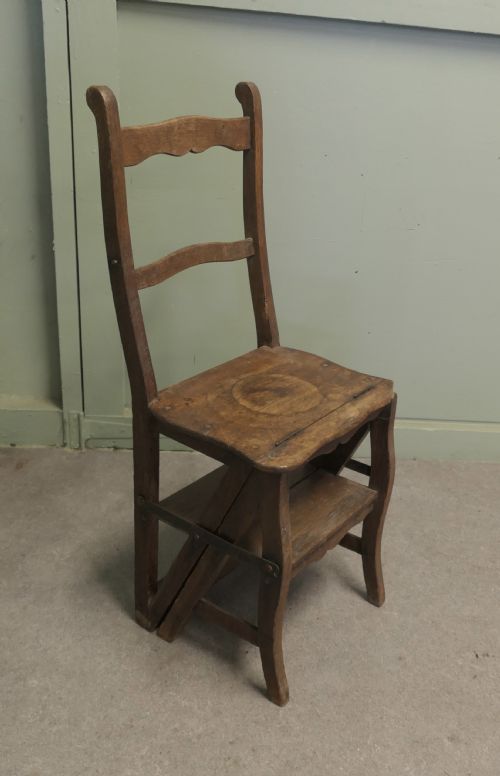
Surface treatments relied on natural waxes, oils, and centuries of handling to build a deep, dark brown patina rather than heavy synthetic coatings. Iron brackets or brass fixings occasionally reinforced stress points on industrial or metamorphic designs, though timber joints remained the primary method of assembly.
Jeweller stools occasionally survive with subtle hollows carved into the wood to catch rolling watch parts.
What varies in quality
Quality in dark brown wooden stools rests primarily upon the integrity of the original timber and the survival of authentic structural joinery. Pieces retaining their original pegged joints and uncompromised footings stand apart from those altered or heavily restored over generations. The depth and warmth of the natural wood patina also dictate distinction, separating simple utilitarian items from finer provincial craftsmanship.
Proportion and balance further separate standard examples from exceptional survivals, particularly in vernacular forms where bodily wear reveals historical utility. The presence of dense hardwoods like oak or sycamore, shaped with sculpted dished seats or hand-turned legs, marks the upper tier of the range.
The Dark Brown Wooden Stools Glossary
- Joint stool
- A sturdy wooden stool constructed using pegged mortise and tenon joinery rather than turned legs driven directly into a seat. These pieces date predominantly from the seventeenth and eighteenth centuries.
- Tavern stool
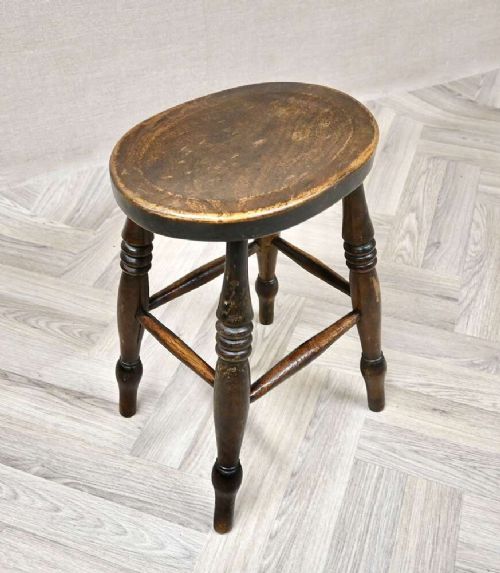
- A utilitarian seating form designed for public houses, typically featuring a dished wooden seat supported by sturdy turned legs and floor stretchers. They were built to withstand heavy commercial use.
- Close stool
- An enclosed wooden box stool or small cabinet concealing a chamber pot, often disguised as standard domestic furniture. Eighteenth-century examples frequently feature hinged lids and panelled sides.
- Vernacular
- Everyday objects built by local craftspeople using regional traditions and readily available materials rather than academic architectural designs. This style prioritises function and durability over ornamental refinement.
- Patina
- The surface sheen and colour acquired by timber over decades or centuries through handling, light exposure, and waxing. A rich patina indicates age and continuous use.
Dark Brown Wooden Stools: Frequently Asked Questions
What periods do these stools cover?
The available selection spans from the seventeenth century through the Victorian era and into the early twentieth century. Pieces from the earlier periods typically display heavy oak construction and pegged joinery.
Later examples from the Victorian and Edwardian periods introduce elm, beech, and specialised workshop forms such as machinist or jeweller seats.
How do I care for antique dark brown wood?
Maintain the surface by applying microcrystalline wax sparingly to nourish the timber and protect the historical finish. Avoid placing wooden stools near direct heat sources or in fluctuating humidity.
Dust regularly with a soft, dry cloth and refrain from using modern silicone sprays that can penetrate and soften old patina.
Were joint stools used for sitting?
Joint stools served primarily as versatile household seating at tables during the seventeenth and eighteenth centuries. Their sturdy construction also made them convenient platforms for holding heavy items or assisting individuals to reach high beds.
Over time, their robust frame ensured they functioned equally well as occasional side tables.
What is a tavern stool?
A tavern stool is a heavy, functional seat designed for commercial alehouses and public gathering spaces. They usually feature thick wooden tops, often dished for comfort, supported by robust stretcher-braced legs.
Their design prioritised absolute stability on uneven floors and resistance to heavy daily wear.