
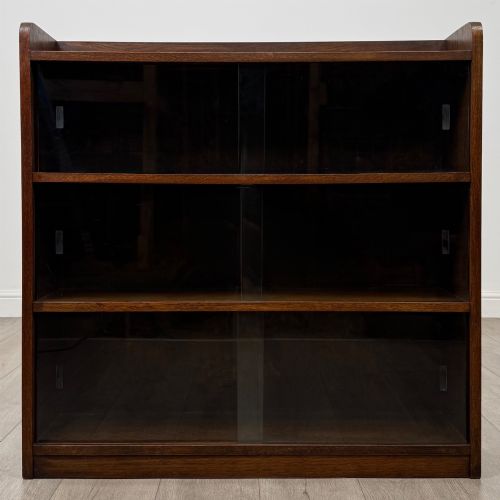
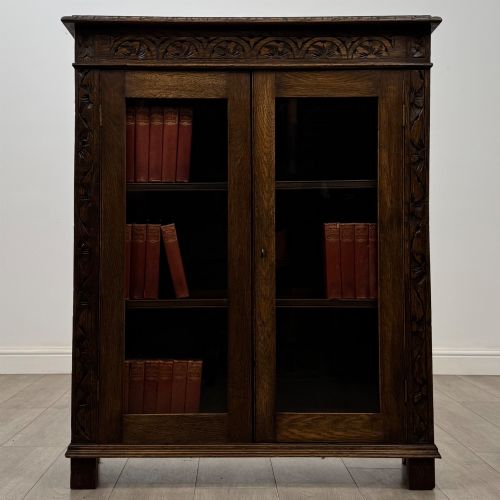
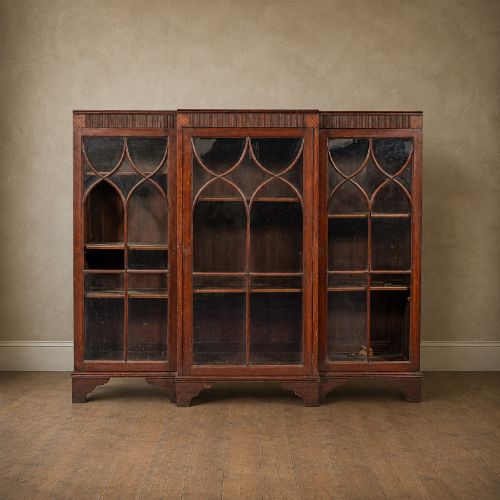
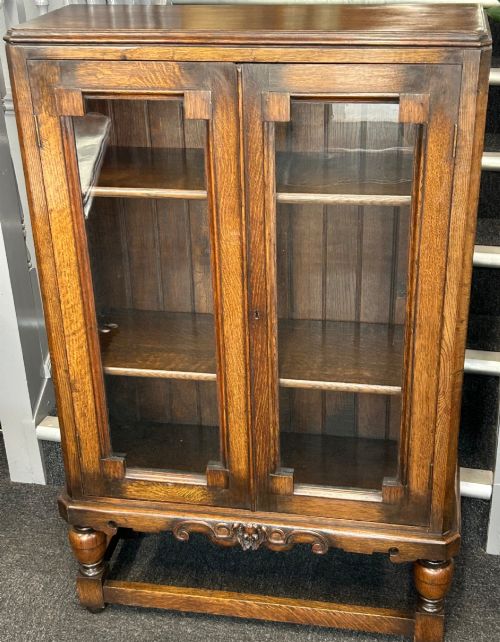
Dark Brown Vitrine Cabinet
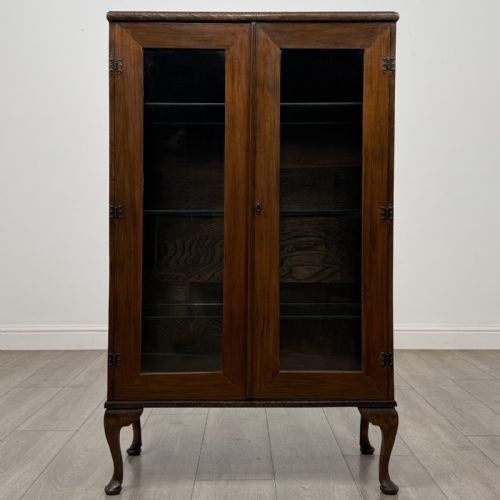
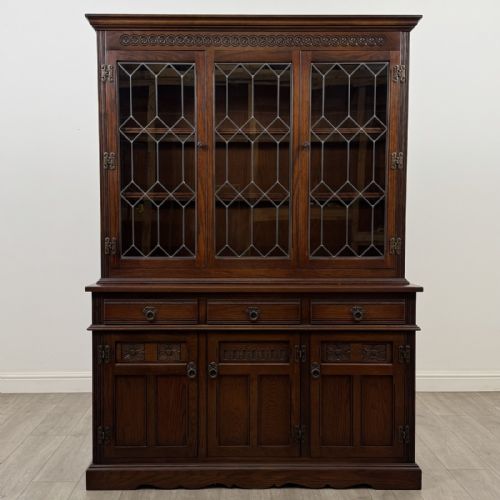
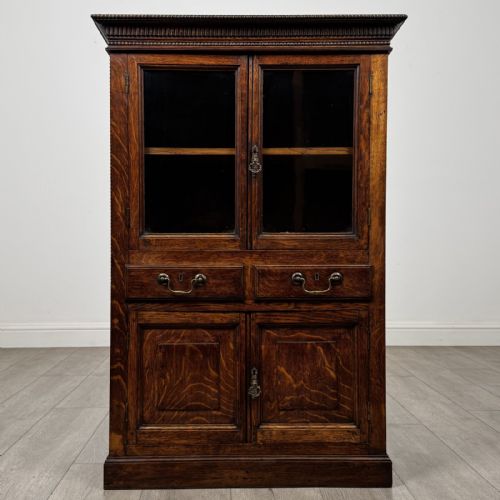
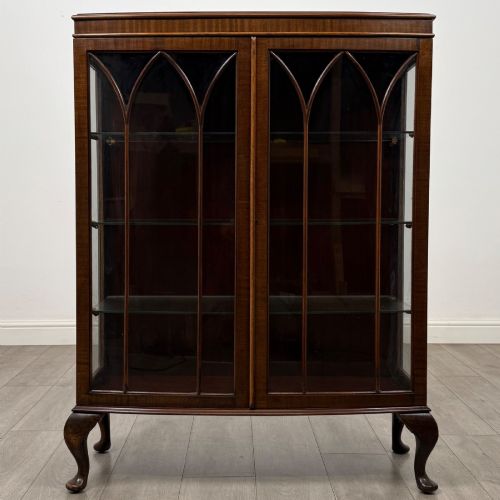
A dark brown vitrine cabinet holds precious items behind glass doors, bringing warmth and structured display to a room.
Dark Brown Vitrine Cabinet
When searching for a dark brown vitrine cabinet, collectors encounter a variety of timber furniture designed specifically for exhibiting treasured possessions. These pieces originate from multiple eras including the Georgian, Victorian, and Edwardian periods, showcasing the enduring appeal of enclosed display.
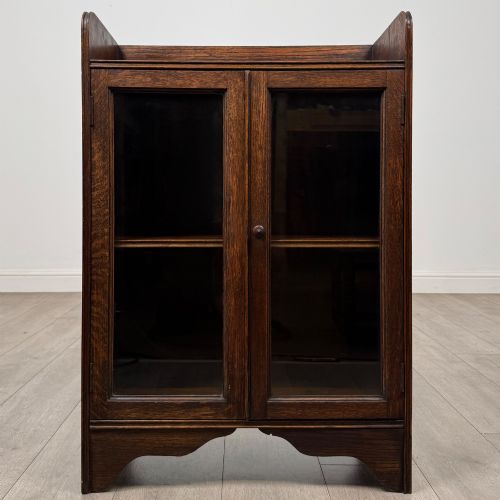
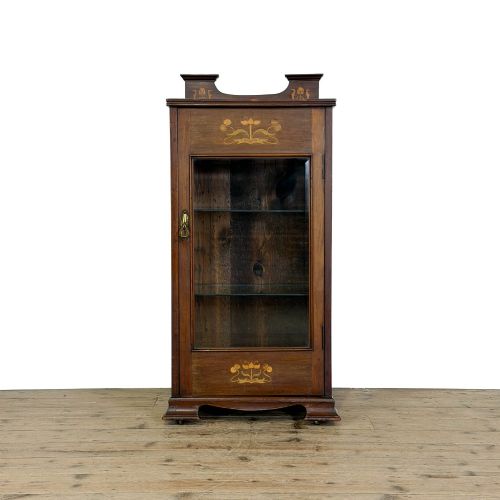
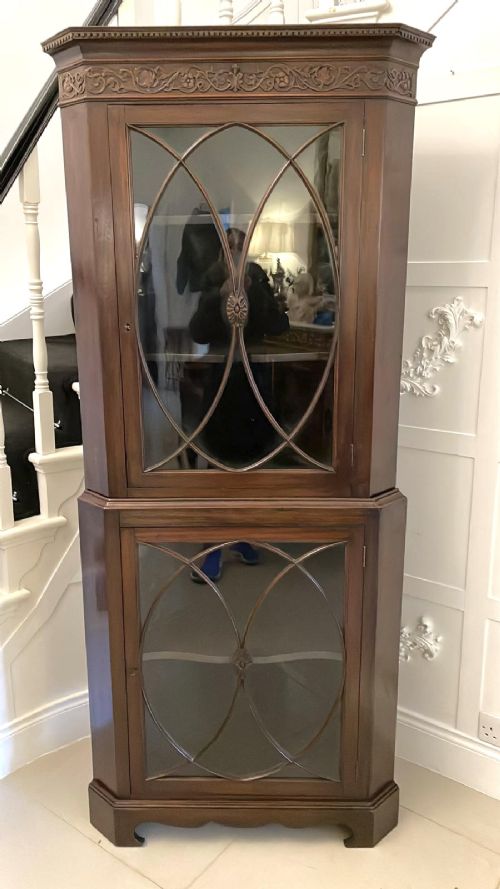
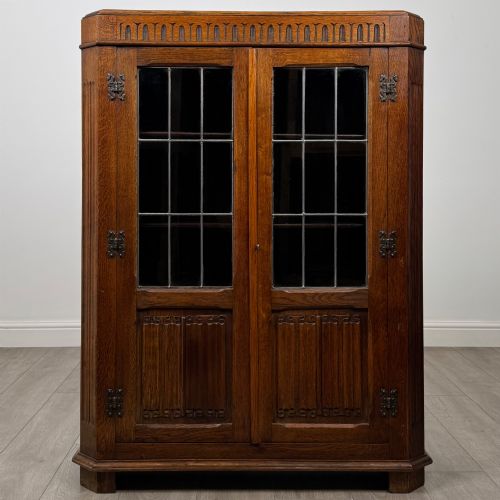
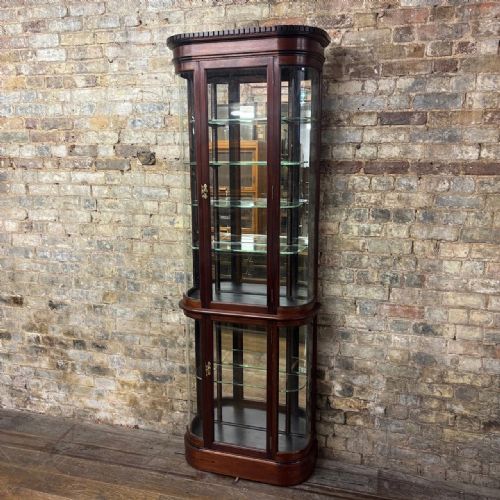
The selection on this page leans heavily towards oak and mahogany forms, ranging from upright floor-standing bookcases and corner cabinets to two-part display units. Buyers are most likely to meet Edwardian and nineteenth-century examples featuring glazed doors and timber frames.
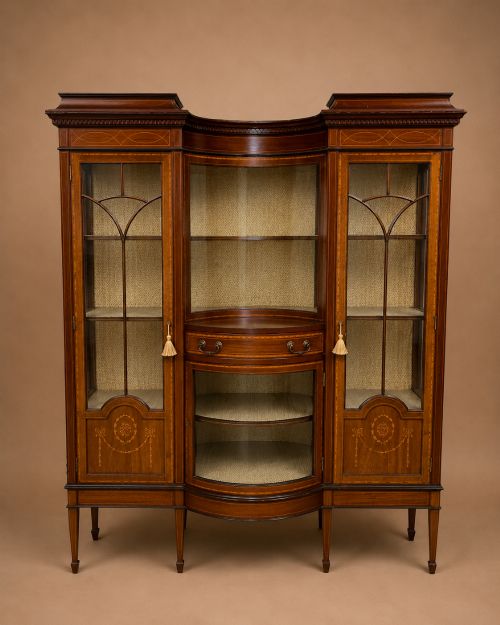
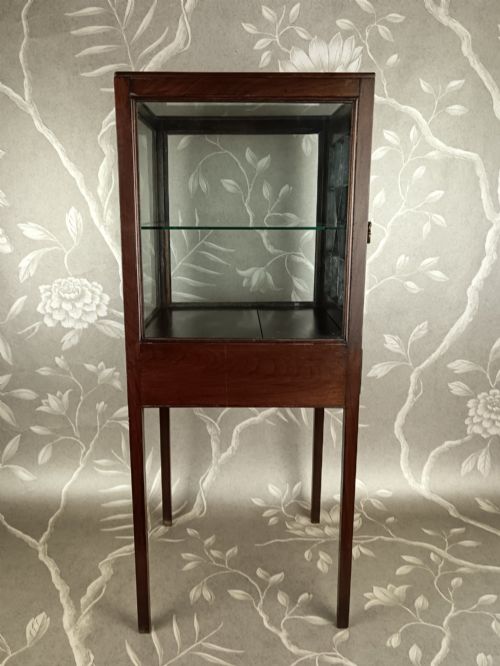
Formats vary from modest table-top cases and narrow cupboards to large breakfront bookcases and architectural models. Each version provides a structured interior for keeping objects visible yet protected from dust.
What varies in quality
Distinctions in quality rest upon the selection of timber and the precision of the joinery rather than ornamentation alone. Finer pieces demonstrate careful selection of figured mahogany or quarter-sawn oak, matched with clean glazing bars and well-fitted doors.
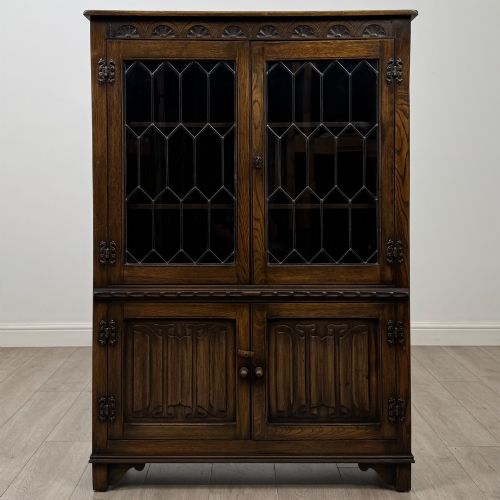
The sophistication of the design, whether executed in a Gothic revival style, an Arts and Crafts aesthetic, or a restrained Georgian manner, dictates the level of craftsmanship. Proportion, stability, and the integration of secondary materials like brass and mirror glass further separate standard utility pieces from superior examples.
Listings feature oak and mahogany construction across Edwardian, Victorian, and Georgian styles, incorporating glass, brass, mirror, and fabric.
Collinson & Lock
The Dark Brown Vitrine Cabinet Glossary
- Vitrine
- A glass-fronted cabinet designed for displaying fine objects or porcelain. These pieces usually feature large glass panes to allow clear viewing from multiple angles.
- Astragal
- A narrow moulding used to divide panes of glass within a sash or door. In cabinet making, delicate astragals define the geometric pattern of the glazing.
- Breakfront
- A large piece of furniture where the central section projects forward from the flanking wings. This architectural arrangement creates visual depth and varied proportions.
- Linenfold
- A style of carved wooden panel resembling folded cloth, frequently seen on oak furniture. This decorative technique adds texture and historic character to cabinet doors.
- Bijouterie
- A shallow display case intended for small valuables, jewellery, or curiosities. These cabinets often sit at table height or incorporate glazed lids for overhead viewing.
Dark Brown Vitrine Cabinet: Frequently Asked Questions
Where should I place a vitrine cabinet?
These cabinets suit reception rooms, libraries, or hallways where natural light can illuminate the glass panels. Placing them away from direct sunlight protects the timber and internal contents.
Ensure the floor is level so the doors swing freely and the structural joints remain undisturbed over time.
How do I clean the glass and timber?
Use a soft, dry cloth for dusting the timber surfaces and avoid silicone-based polishes that build up over time. Standard glass cleaner applied to a cloth rather than sprayed directly prevents moisture reaching the wood.
Take care around lead work and delicate astragals when wiping glazed sections.
Can these cabinets support heavy books?
Heavier volumes require sturdy shelving arrangements, which are more commonly found in dedicated bookcases rather than delicate display vitrines. Check the internal shelf support system before loading substantial weights.
Lighter decorative items and ceramics are best suited to glass-shelved display spaces.
How do I identify the period of a cabinet?
Examine the timber species, construction methods, and decorative styles such as inlay or carving. Edwardian and Victorian pieces often show machine-sawn elements, whereas earlier Georgian items display hand-tooled joinery.
Hardware types and glass manufacturing irregularities also offer clues to the age of the piece.