
Dark Brown Plant Stand
A dark brown plant stand raises a potted specimen to the light, bringing timber and green foliage together in a room.
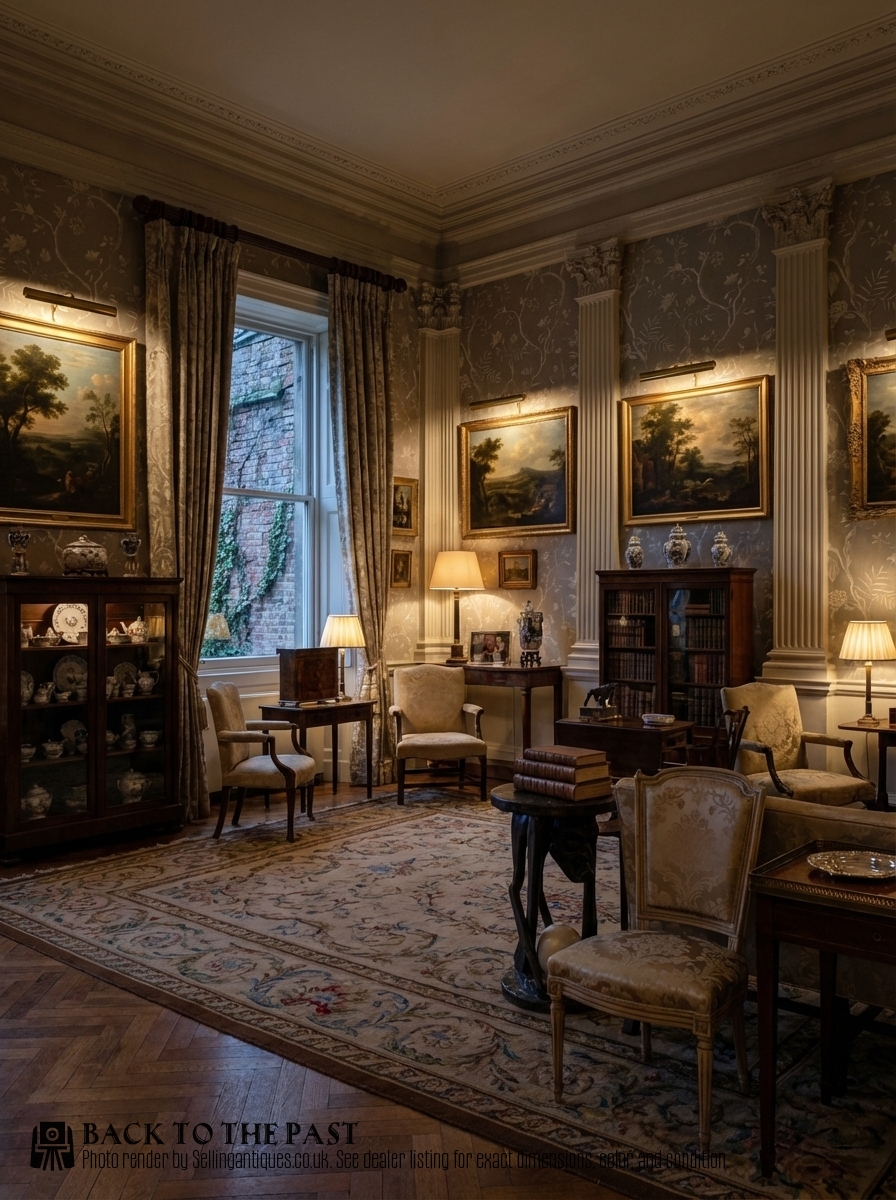
Dark Brown Plant Stand
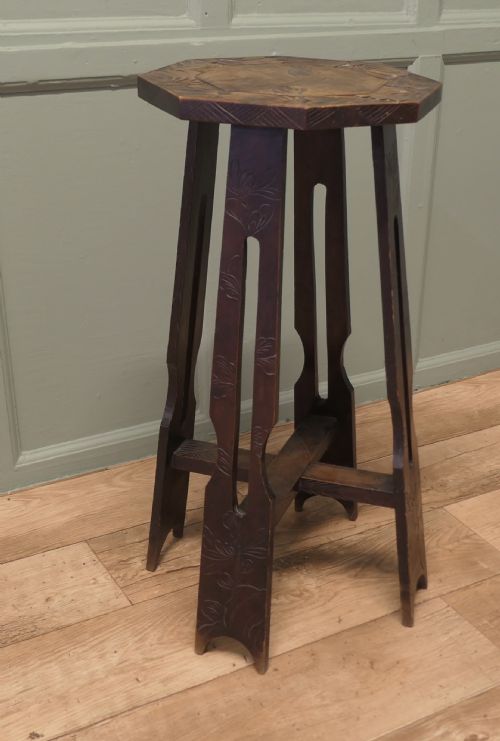
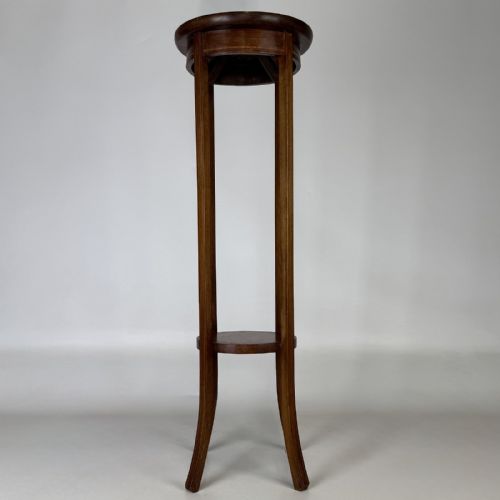
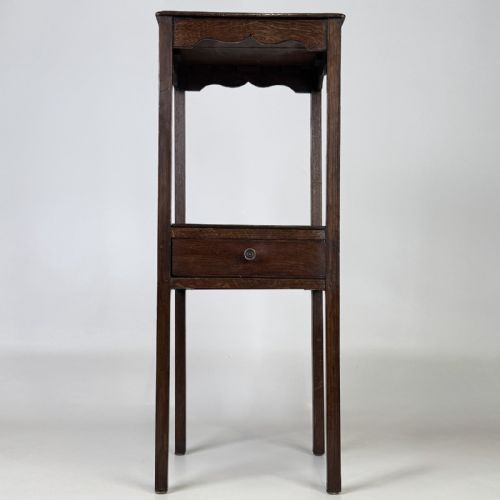
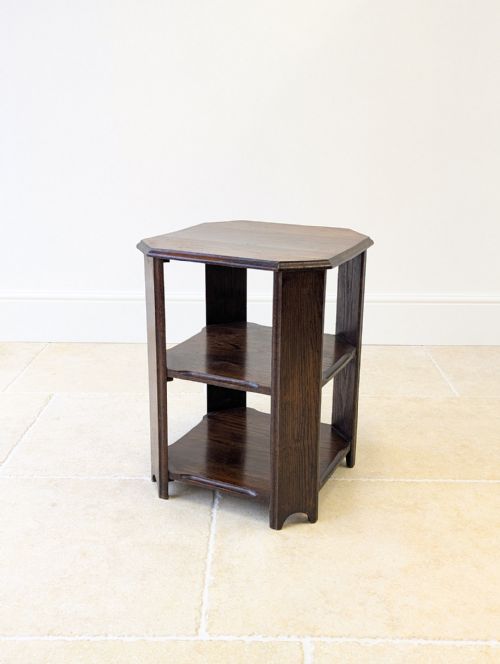
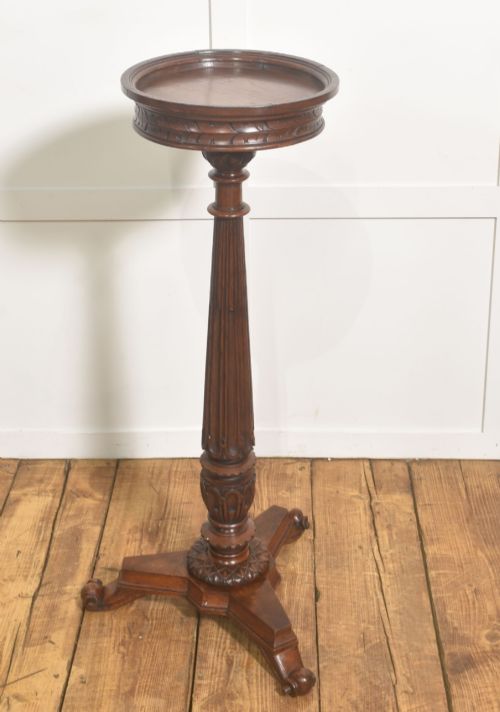
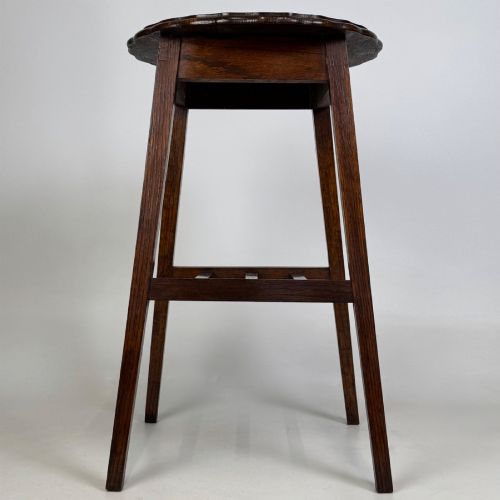
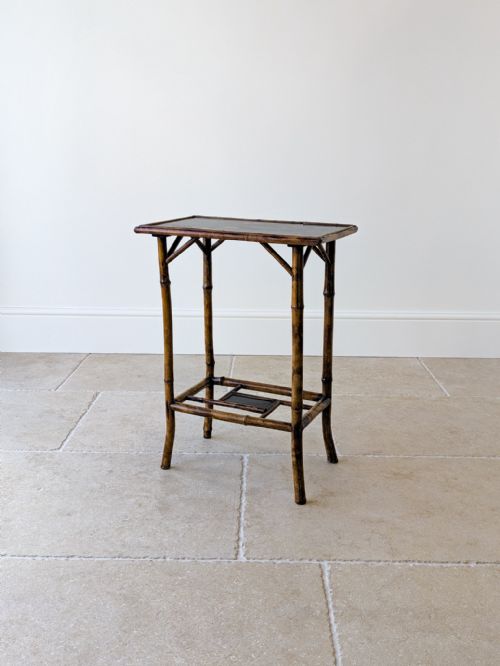
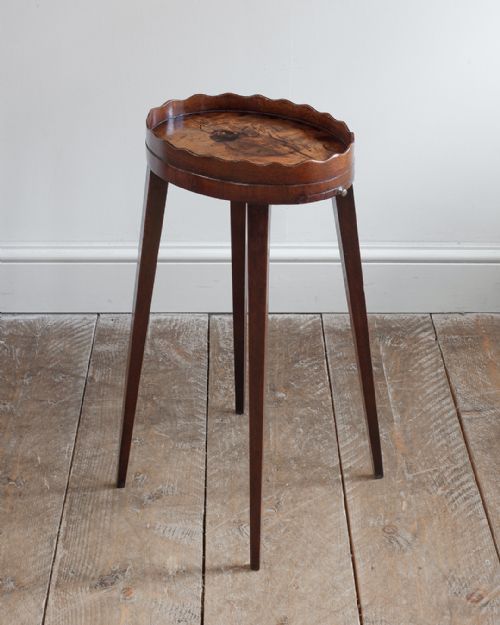
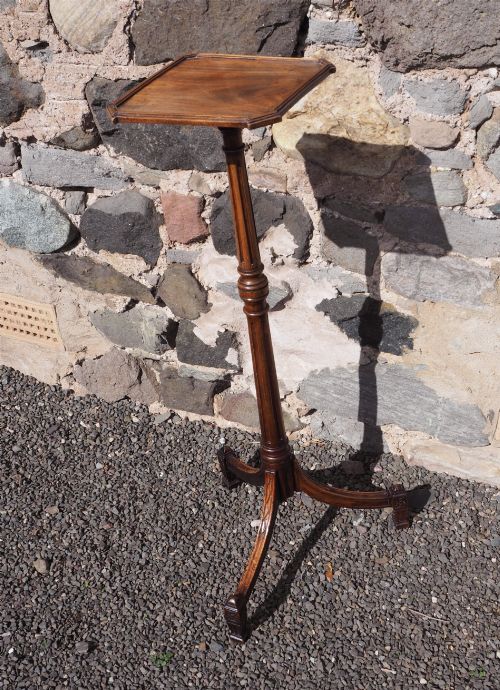
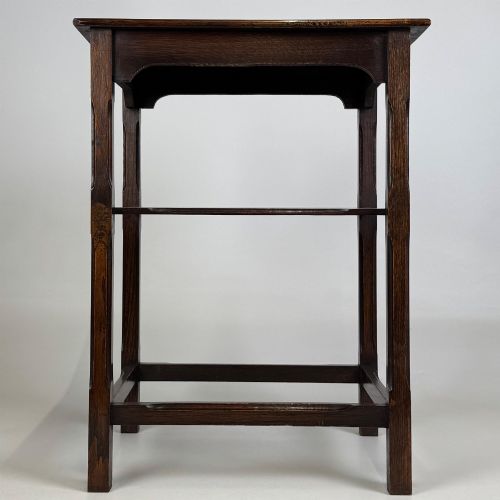
When you look for a dark brown plant stand, you encounter pieces spanning from the eighteenth century through the Edwardian era up to the nineteen-thirties. The most common form on this page is the compact oak or mahogany occasional table or pedestal, standing high enough to display a pot or urn.
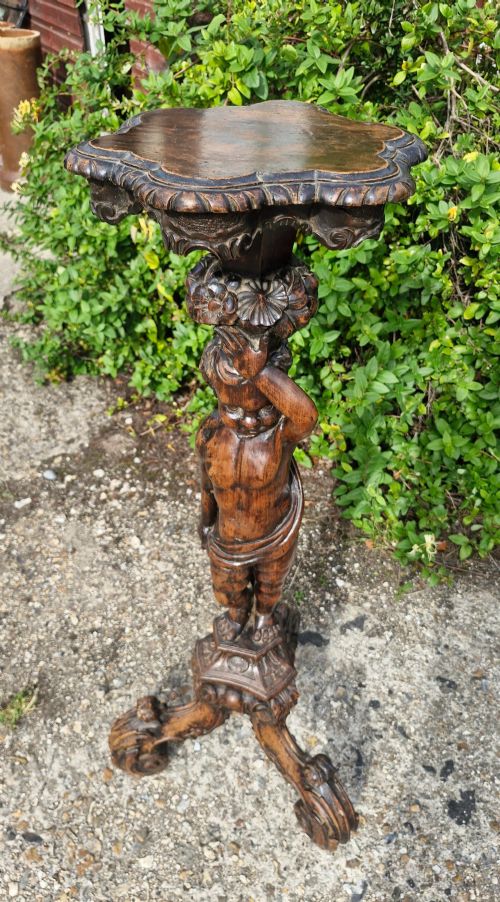
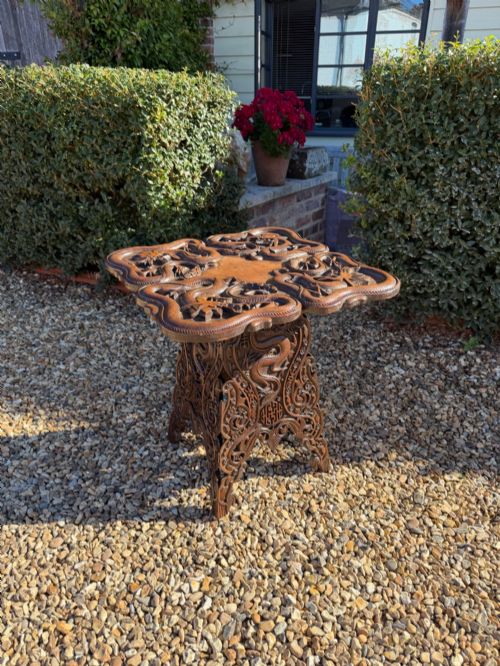
Makers shaped these stands in octagonal, square, or clover forms, often utilising walnut, teak, or elm alongside oak and mahogany. Alongside dedicated plant stands, the selection includes torcheres, pedestal columns, and washstands adapted for botanical display.
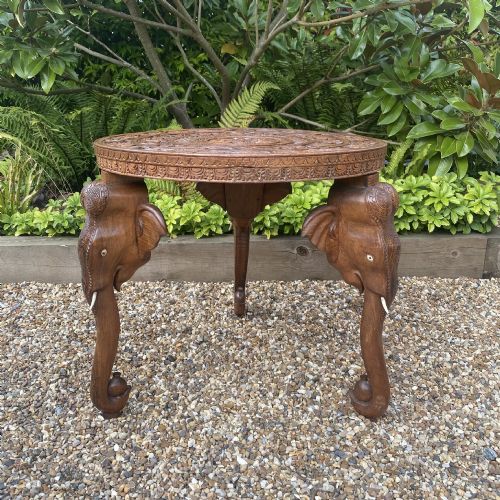
Origins stretch across British workshops in the Arts and Crafts and Victorian styles, alongside Anglo-Indian, Chinese, and French examples. This variety means a buyer finds simple rustic elm stools alongside carved solomonic columns and inlaid occasional tables.
How they were made
Carpenters constructed these stands primarily in solid hardwoods, predominantly oak and mahogany, with walnut and elm appearing in regional and vernacular pieces. Timber selection dictated the structural integrity, supporting heavy lead or ceramic plant pots without sagging over decades.
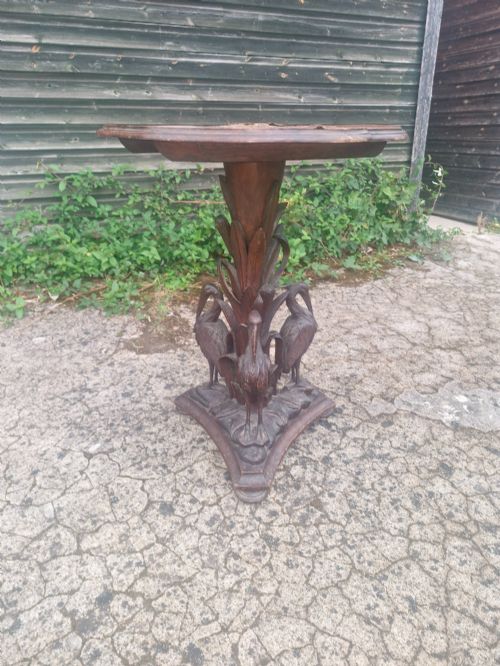
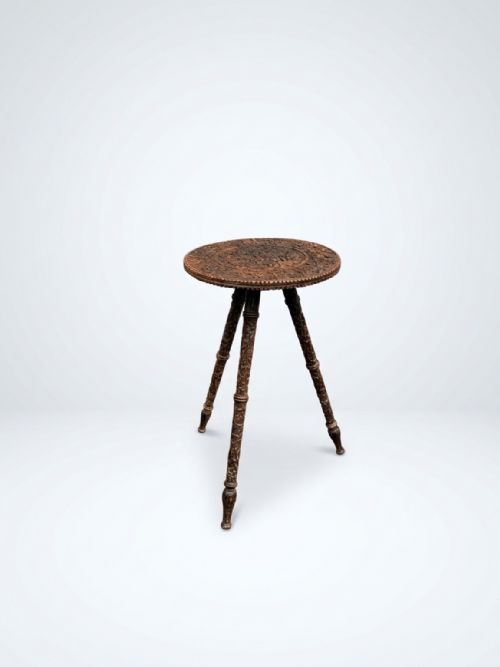
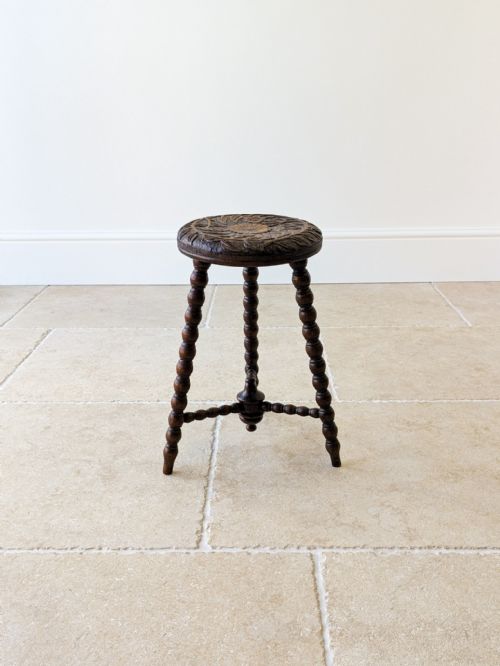
Joinery methods range from traditional jointed construction to turned barley twist legs and carved solomonic columns. Decorative detailing relies on physical manipulation of the wood itself, through chip carving, chequered inlay, and sculptural vine motifs rather than applied veneers.
Among the timber stands, a folk art twig table brings raw woodland architecture straight into the Victorian parlour.
What varies in quality
Quality rests in the crispness of the timber carving and the architectural proportion of the pedestal or table top. A superior piece demonstrates deliberate weight distribution in the base, ensuring stability when supporting a heavy ceramic pot at height.
The choice of timber grain and the integrity of the joinery set apart standard utility pieces from workshop-attributed items. Clean lines in octagonal or clover surfaces and tight joints in barley twist legs indicate superior maker skill.
Liberty & Co.·William Birch
The Dark Brown Plant Stand Glossary
- Solomonic
- A helical or spiral twist column resembling a spiralling vine, popular in seventeenth-century furniture and revived in later oak stands.
- Torchere
- A tall stand originally designed to hold a candle or torch, frequently utilised today for displaying plants or sculptures.
- Occasional table
- A small, movable table designed for a specific subsidiary purpose, such as holding a lamp or a plant.
- Washstand
- A piece of furniture originally intended to hold a washbasin and pitcher, often repurposed today as a plant stand due to its surface height.
- Arts and Crafts
- A design movement valuing handcraftsmanship and simple vernacular forms over mass production, prominent around nineteen hundred.
Dark Brown Plant Stand: Frequently Asked Questions
What is a dark brown plant stand used for?
These pieces elevate potted plants, ferns, and floral arrangements to catch the light and create vertical interest in an interior space. They place greenery at eye level in corners or beside seating.
Historically, makers designed similar stands for holding lanterns, candles, or wash equipment, making their sturdy wooden surfaces adaptable for modern display uses.
How do I identify an Edwardian plant stand?
Edwardian stands frequently utilise oak or mahogany, often incorporating Arts and Crafts influences or barley twist turning on the legs. They date from the early twentieth century.
Look for structural lightness combined with solid hardwood construction, reflecting the domestic aesthetic of the period between eighteen-eighty and nineteen-ten.
Can these stands support heavy pots?
Most solid oak, mahogany, and walnut stands possess robust jointed frames designed to bear substantial weight. The dense hardwood construction handles heavy ceramic or terracotta planters.
For larger specimens, inspect the base for a wide footprint or stable pedestal design to ensure the stand remains secure under top-heavy loads.
How do I style a dark brown plant stand in a room?
Pair a dark timber stand with trailing green foliage to contrast the deep brown tones of the oak or walnut. The vertical height breaks up flat lines in a room.
Position the piece in a bright corner or beside a window where the natural light highlights the grain and any carved decorative details.