
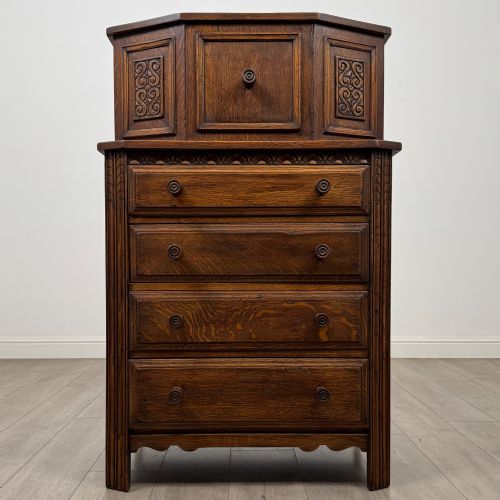


Dark Brown Oak Drawers
Dark brown oak drawers bring practical storage and rich grain to a room, ranging from robust seventeenth-century chests to simpler Edwardian examples.
Dark Brown Oak Drawers
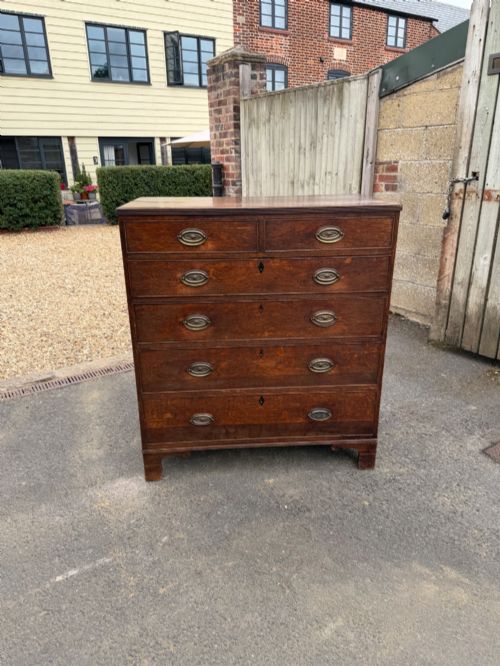
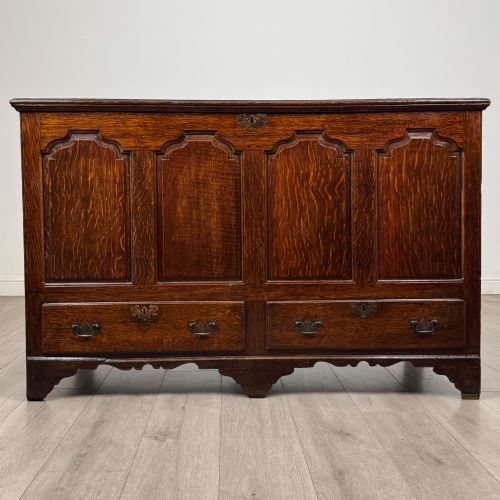
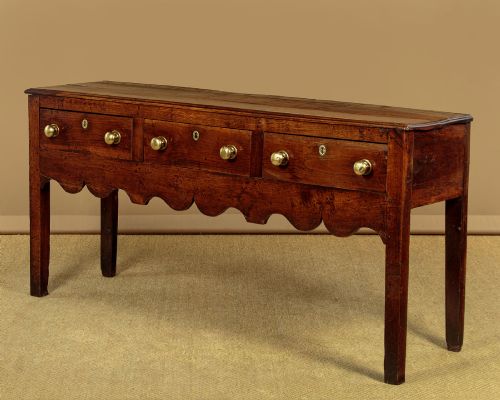
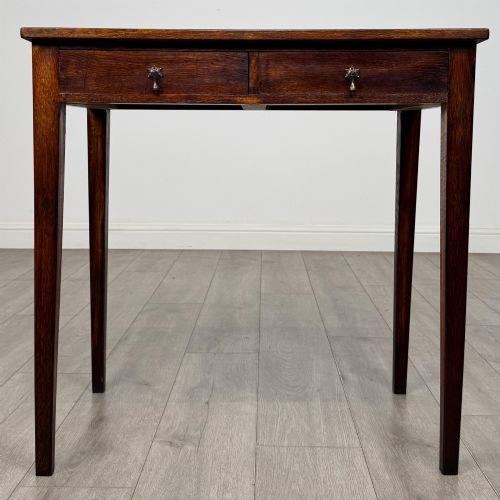
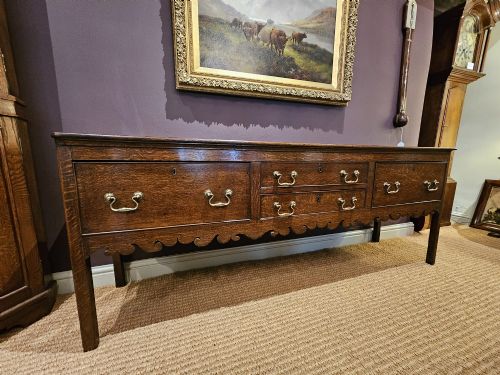
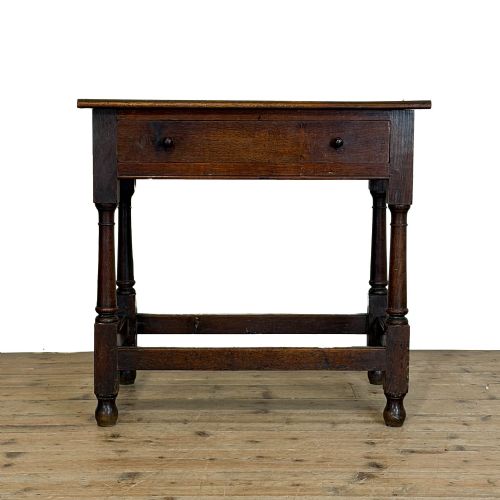
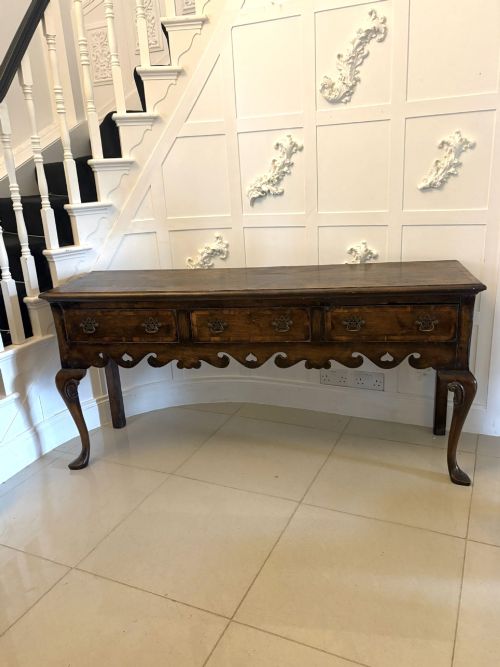
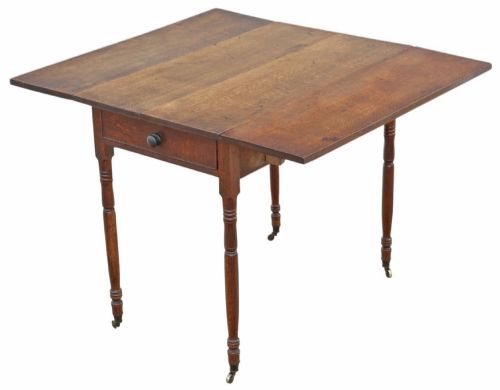
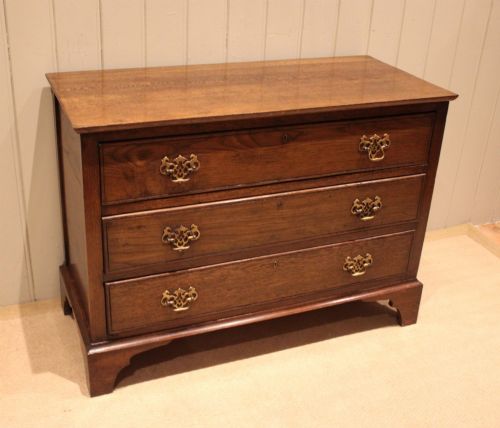
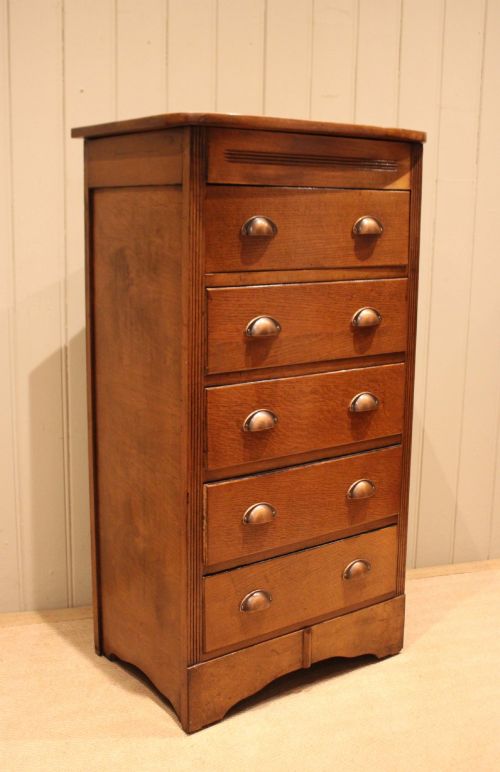
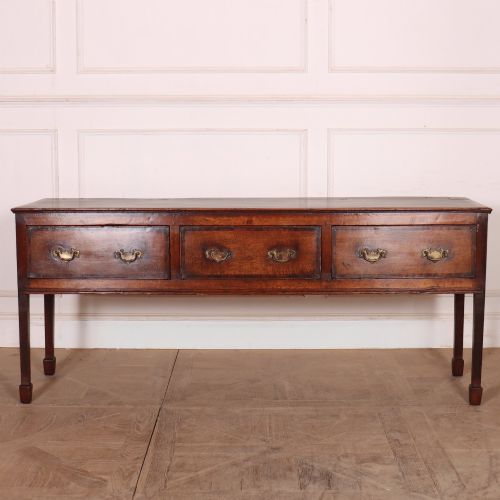
When searching for dark brown oak drawers, buyers encounter substantial pieces built primarily to hold clothing or domestic goods, spanning several distinct centuries. The selection centres on chests of drawers, alongside related forms such as dresser bases, bureaux, and side tables fitted with storage.
Pieces from the seventeenth and eighteenth centuries appear frequently, showing deep patination and traditional joinery. Later examples from the Victorian, Edwardian, and early twentieth periods adopt earlier revival styles or simpler functional designs.
How they were made
Carpenters constructed these items chiefly using solid oak timber, frequently pairing it with brass for handles, escutcheons, and hinges. Secondary materials like metal, iron, glass, lead, and marble appear on specific forms, while wood inlay decorates select surfaces.
Construction methods rely on traditional framing, panel assembly, and geometric mouldings, resulting in sturdy carcasses designed to endure heavy daily use. Surfaces develop a deep dark brown tone over generations through oxidation, waxing, and handling.
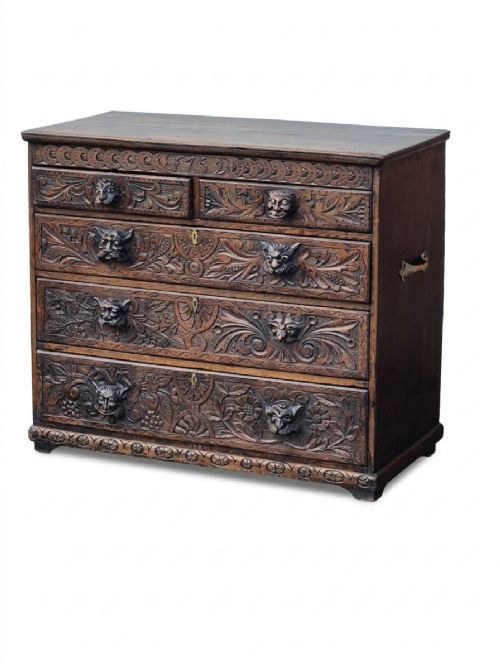
A few pieces manage to sneak in a Green Man carving, watching over your socks with a stern, leafy glare.
What varies in quality
The standard of a piece depends on the crispness of its hand-carved details, the figuration of the oak grain, and the integrity of its structural timber. Earlier seventeenth and eighteenth-century examples often demonstrate superior craftsmanship in their dovetailing and panel thickness compared to later mass-produced items.
Proportion and surface preservation heavily influence the standing of an item, with untouched patination and original hardware commanding greater interest. Alterations to drawer configurations or replaced fittings alter the historical consistency of the piece.
The Dark Brown Oak Drawers Glossary
- Chest of drawers
- A piece of furniture consisting of multiple parallel drawers used for storage. These form the primary category within this search.
- Dresser base
- A low sideboard or table base fitted with drawers, often originating from seventeenth or eighteenth-century kitchens and dining rooms.
- Geometric moulding
- Raised wooden mouldings applied in symmetrical patterns to drawer fronts, typical of seventeenth-century case furniture.
- Bureau
- A desk featuring a sloping fall-front that opens to reveal internal compartments and small drawers, frequently mounted above larger storage drawers.
- Parnassian
- Not applicable.
Dark Brown Oak Drawers: Frequently Asked Questions
How do I date a dark brown oak chest of drawers?
Dating relies on observing construction techniques, hardware, and moulding styles. Seventeenth-century examples often feature geometric mouldings and hand-split panels, whereas eighteenth-century pieces display finer dovetails.
Later Victorian and Edwardian items often imitate these earlier periods through revival styles. Examining the internal timber and backboards helps confirm the true age of the piece.
What is a dresser base?
A dresser base is a long, low table fitted with working drawers beneath the main top surface. They were traditionally used in domestic kitchens and dining spaces for food preparation and storage.
Many surviving examples date from the eighteenth century and feature potboards or open shelving space underneath.
How should I care for antique oak furniture?
Antique oak benefits from stable room temperatures and protection from direct sunlight to prevent the timber from drying out or splitting. Applying a traditional beeswax polish helps maintain the dark brown lustre of the wood.
Avoid placing these pieces near modern heat sources or damp areas. Gentle dusting with a dry cloth keeps the surface clean without stripping the historic finish.
What is the difference between a bureau and a chest of drawers?
A chest of drawers is designed strictly for vertical storage with stacked sliding compartments. A bureau combines this storage function with a writing surface by incorporating a sloping flap that lowers for paperwork.
Bureaux typically contain internal pigeonholes and small letter drawers concealed behind the fall-front.