
Dark Brown Kitchen Chair
A dark brown kitchen chair brings honest, solid wood utility and regional character to any room.

Dark Brown Kitchen Chair
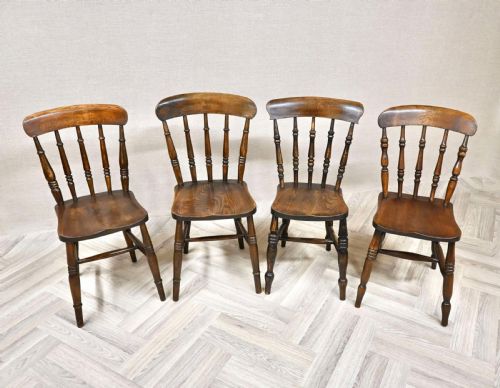
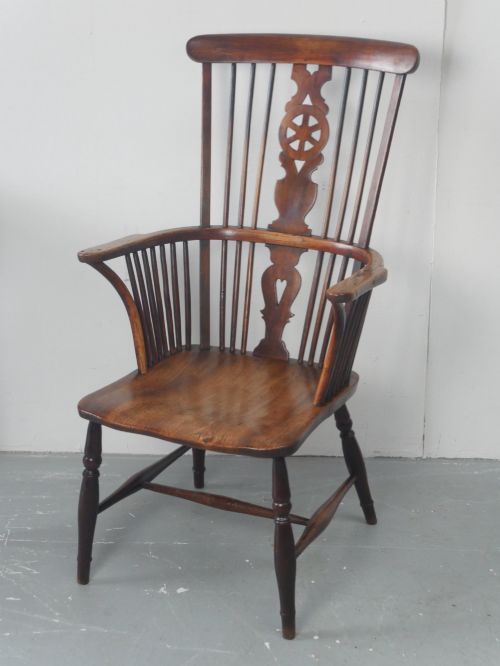
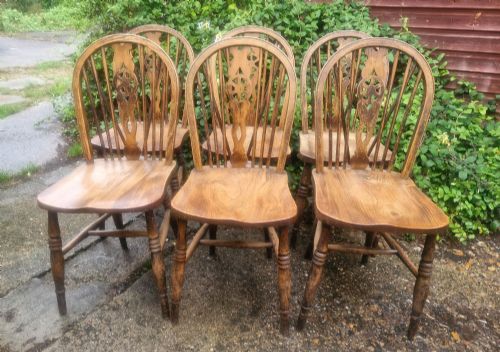
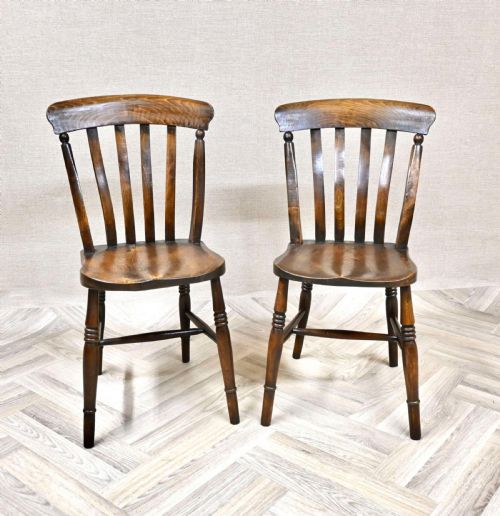
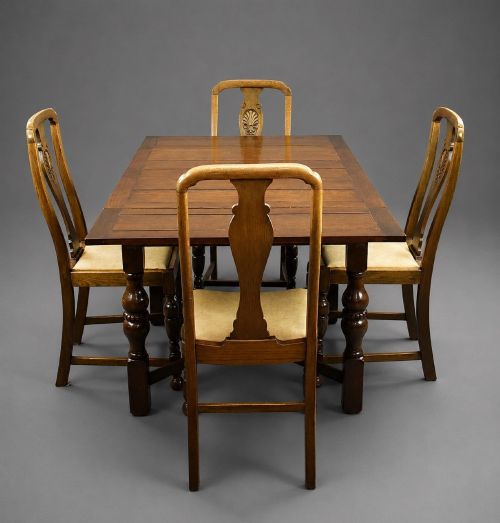
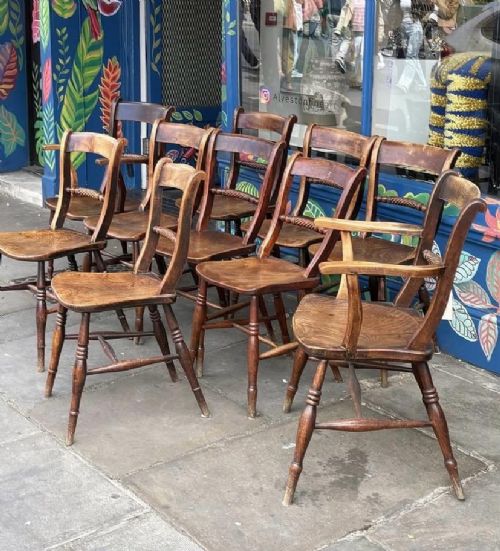
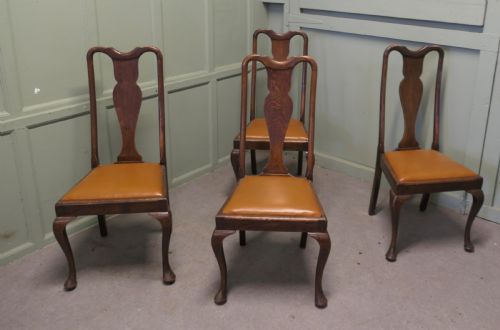
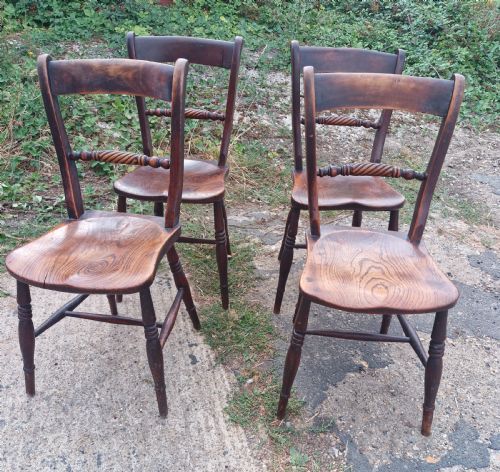
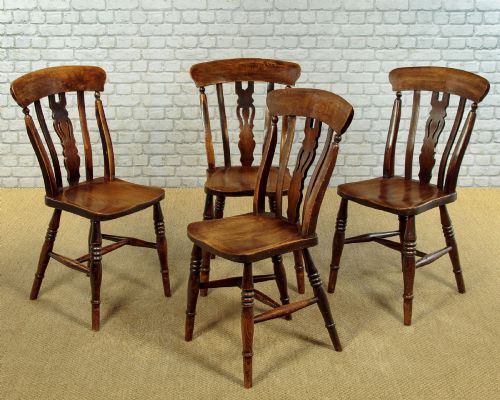
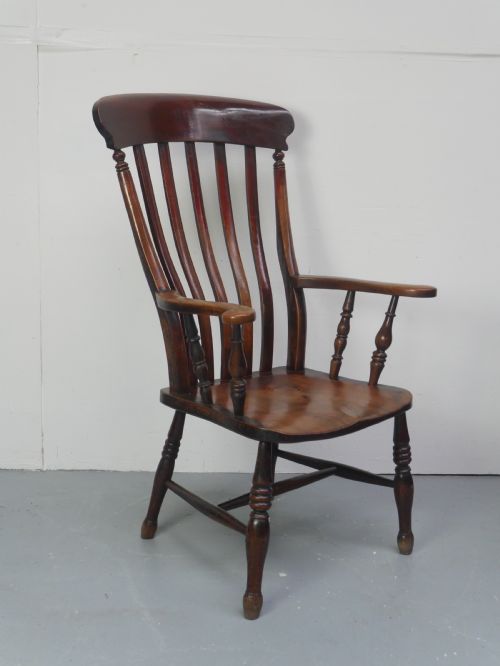
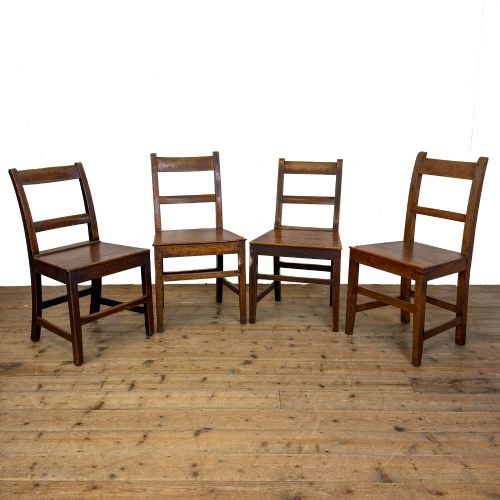
Every dark brown kitchen chair on this page represents hard-wearing domestic seating shaped by 19th-century and early 20th-century vernacular traditions. You will encounter single items, pairs, and large sets designed around functional daily use in farmhouse and country settings.
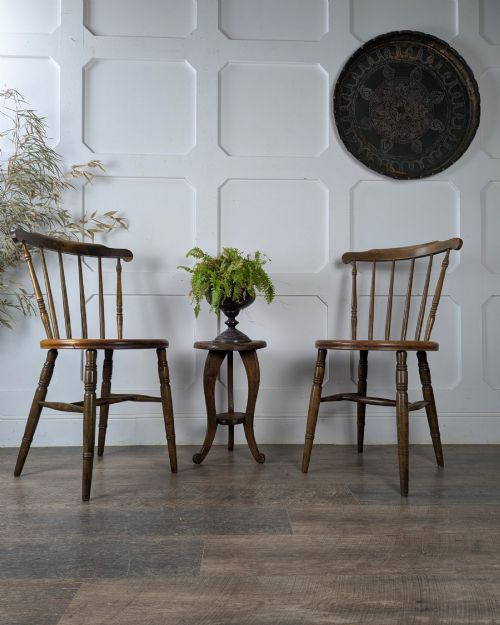
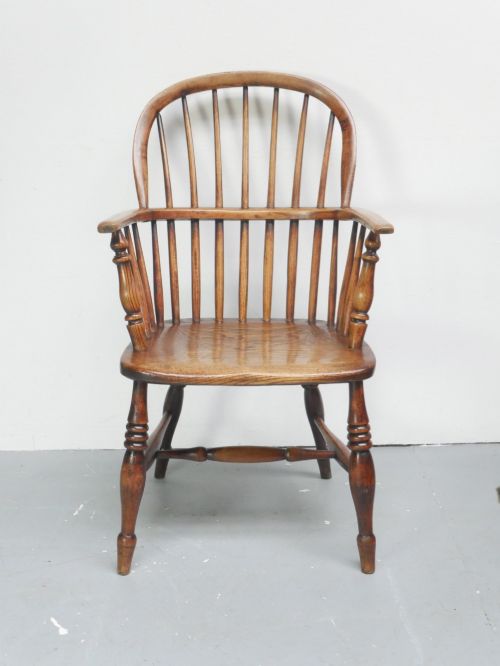
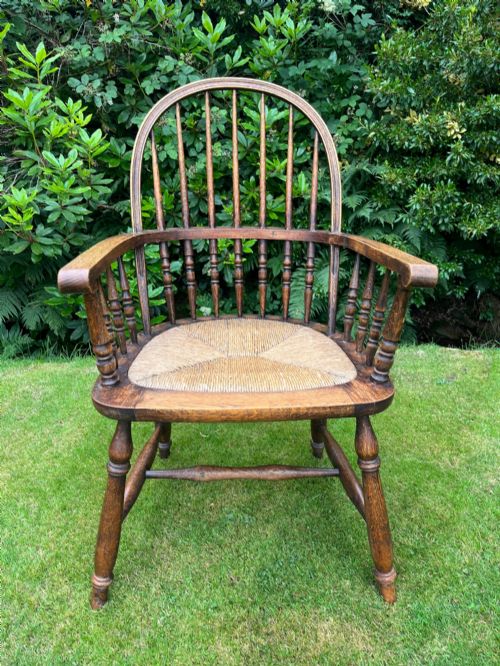
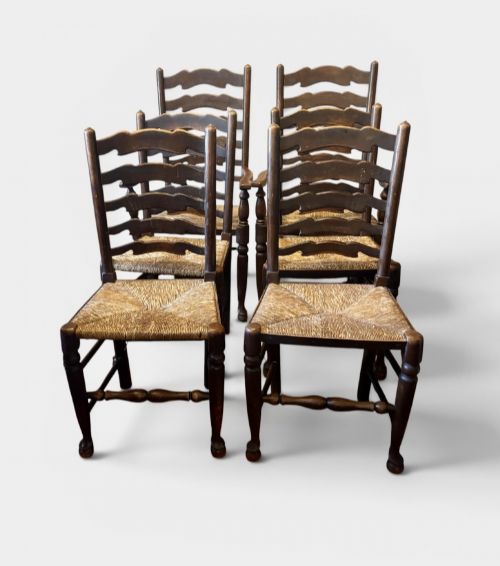
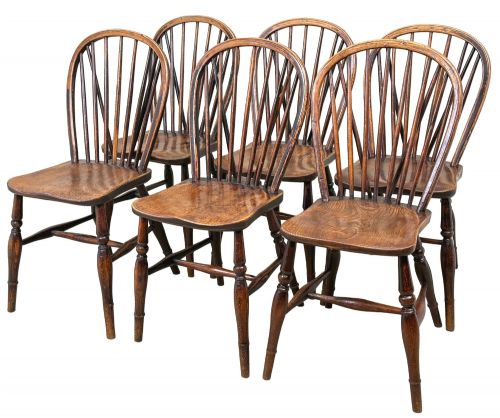
The dominant forms are Windsor armchairs and side chairs, alongside ladderbacks, fiddle backs, and stick backs. These pieces originate from English, Welsh, Scottish, and American workshops, built from sturdy regional hardwoods and finished with deep, aged patinations.
How they were made
Constructed primarily from native timbers such as elm, ash, beech, and oak, these chairs utilise contrasting woods for seats and spindles. Elm typically forms the sculpted solid seats, while ash and beech provide flexible strength for steam-bent bows and slender legs.
Joinery relies on traditional methods including wedged tenons, pegged joints, and double stretchers to ensure rigidity. Rush seating also appears on ladderback frames, woven tightly to support prolonged domestic work.
Several sets include double stretchers designed to withstand decades of enthusiastic kitchen table debates.
What varies in quality
Quality rests upon the integrity of the timber selection and the retention of original structural components. Chairs retain higher regard when their sculpted wood seats display deep grain figure and minimal surface replacement.
Proportion and turning detail distinguish standard utility furniture from finer country craftsmanship. Subtle variations in spindle shaving, arm scrollwork, and leg splay separate mass production from bespoke regional workshop output.
The Dark Brown Kitchen Chair Glossary
- Windsor
- A chair built with a solid wooden seat into which the legs and back spindles are directly bored and wedged. This form developed deep roots in English country furniture making.
- Ladderback
- A wooden chair featuring horizontal slats or rungs spanning between the rear upright posts. These frames frequently incorporate woven rush seats.
- Stick back
- A seating design where vertical plain or steam-bent wooden rods form the back support. This structure provides lightweight resilience for daily kitchen use.
- Draw leaf
- A table mechanism featuring sliding leaves tucked beneath the main top that pull out to extend the surface. This construction frequently accompanies dining chair sets.
- Double stretcher
- Parallel horizontal rails connecting the legs of a chair for added stability. These reinforcements prevent the timber frame from loosening under heavy movement.
Dark Brown Kitchen Chair: Frequently Asked Questions
How do I identify a Windsor chair?
Look for a thick, saddle-shaped wooden seat into which the legs and back posts are fitted directly through drilled holes.
The upper back relies on steam-bent hoops or spindles locked into place with wedges rather than traditional mortise and tenon frames.
Can I mix these chairs around a table?
Harlequin sets and matched groups of country chairs historically evolved through gradual accumulation rather than single-factory purchase.
Mixing different regional styles and wood tones adds authentic historical character to a modern dining space.
How should I care for rush seats?
Keep rush-seated ladderbacks away from excessive moisture and direct heat sources to prevent the natural fibres from becoming brittle.
Clean the woven surface gently with a dry brush and avoid applying liquid polishes directly to the reeds.
What woods were used for these chairs?
Makers selected native hardwoods for their specific mechanical properties, pairing dense elm seats with flexible ash or beech for spindles.
Oak and hardwood frames also appear frequently in Welsh and English country kitchen seating.