
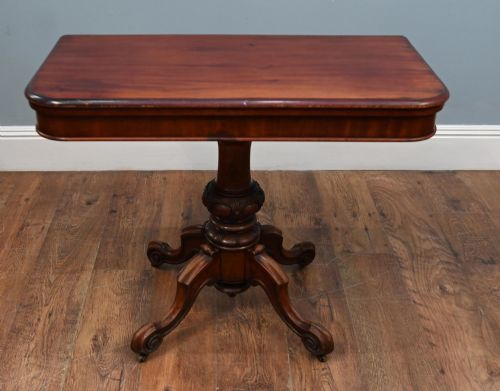
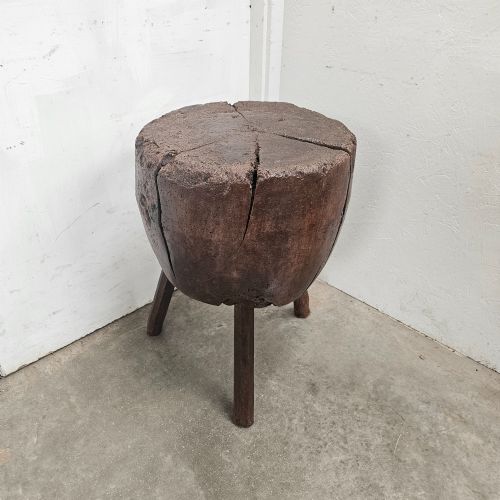
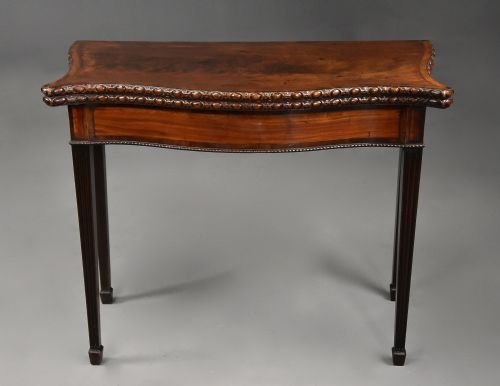
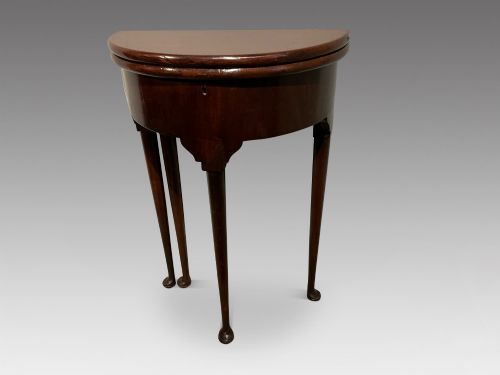


Dark Brown Gaming Table
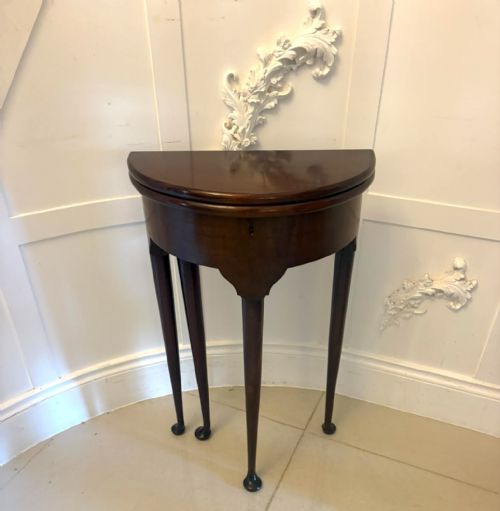
A dark brown gaming table brings centuries of craftsmanship into the room, offering a fold-over top designed for cards, chess, and social play.
Dark Brown Gaming Table
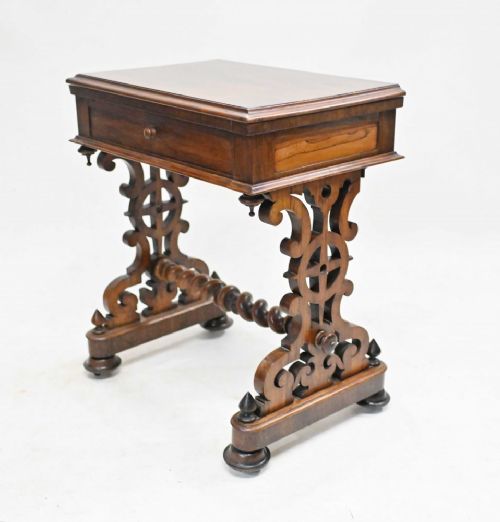
A dark brown gaming table encompasses pieces designed primarily for card playing, chess, and general gaming across the eighteenth and nineteenth centuries. The listings show a strong presence of mahogany, rosewood, and walnut forms dating from the Georgian, Regency, and Victorian eras.
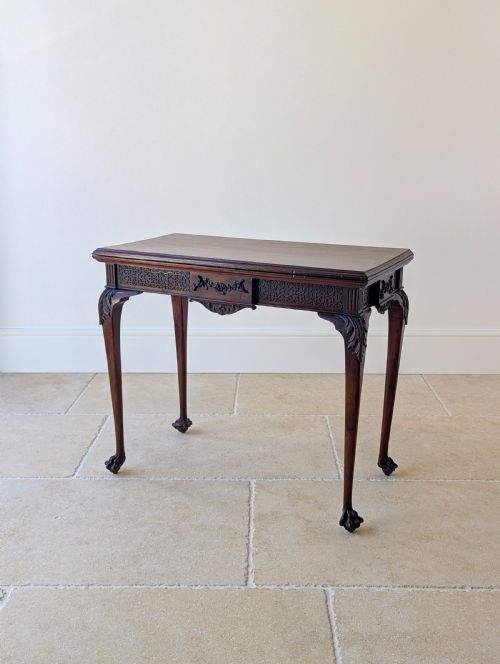
Buyers will most frequently encounter fold-over card tables and games tables featuring timber tops that conceal playing surfaces when closed. These items double as tea or occasional tables, reflecting the multi-functional design popular in period interiors.
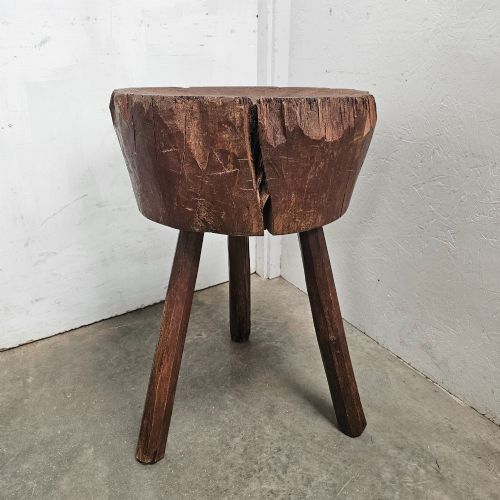
Origins stretch from English workshops to French and Chinese Chippendale influences, utilising native and imported hardwoods. The selection spans straightforward utilitarian game blocks in beech through to highly finished serpentine and inlaid rosewood specimens.
How they were made
Cabinetmakers constructed these tables using dense timbers such as mahogany, rosewood, and walnut, frequently selecting figured veneers for the primary surfaces. Beech and oak appear in structural elements or more primitive French game blocks.
Joinery relies on traditional folding mechanisms, turn-over leaves, and concealed storage compartments built beneath the top. Supports range from pillar and lyre bases to cabriole legs with carved details.
Listings feature mahogany, rosewood, walnut, and oak across Georgian, Regency, and Victorian periods.
What varies in quality
The degree of refinement in the timber selection and surface finish distinguishes standard pieces from exceptional ones. Figured grain, original patination, and intricate carving or inlay elevate a piece within the range.
Structural integrity of the folding mechanism and the precision of the joinery mark the difference in execution. Tables attributed to specific makers or schools demonstrate superior attention to proportion and detail.
William Trotter·Gillows·George Bullock
The Dark Brown Gaming Table Glossary
- Fold-over top
- A hinged table surface that doubles the top area when opened for gaming or dining. This mechanism frequently conceals a compartment for cards or counters.
- Serpentine
- A curved edge profile resembling a snake's movement, featuring alternating convex and concave sweeps. This shape demands high skill from the cabinetmaker.
- Demi lune
- A half-moon shape used for console and card tables designed to sit flush against a wall. When opened, the top forms a full circle or square for play.
- Lyre base
- A furniture support shaped like an ancient stringed musical instrument, popular during the Regency period. It provides a stable central pedestal for heavier timber tops.
- Inlay
- A decorative technique where contrasting materials are inserted into recessed cavities in the wood. Rosewood and satinwood frequently feature in these ornamental patterns.
Dark Brown Gaming Table: Frequently Asked Questions
What is a dark brown gaming table used for?
These tables served primarily for indoor recreation, including card games, chess, and backgammon, during the eighteenth and nineteenth centuries. The folding tops allowed them to function as side or tea tables when not in use.
Today, they remain practical surface furniture that adds period character to a sitting room while retaining their original mechanical function.
How do I identify a Georgian gaming table?
Georgian examples often feature solid mahogany construction, straightforward fold-over tops, and distinctive leg styles such as cabriole or straight square supports. The timber patination tends to show deep, rich brown tones developed over centuries.
Makers of this era focused on clean proportions and functional mechanics without excessive surface ornamentation.
What is the difference between a card table and a games table?
Card tables typically feature a plain or baize-lined interior surface specifically sized for card playing, often accompanied by corner candle recesses or coin depressions. Games tables may incorporate specialised boards for chess and backgammon directly into the playing surface.
Both types utilise folding or turn-over leaves to conceal the gaming area when closed.
How do I care for a rosewood or mahogany table?
Protect the timber surfaces from direct sunlight and extreme humidity fluctuations to prevent the wood from warping or the veneer from lifting. Regular dusting with a soft, dry cloth maintains the finish without chemical buildup.
Avoid placing hot or wet items directly on the polish to preserve the original condition of the antique timber.