
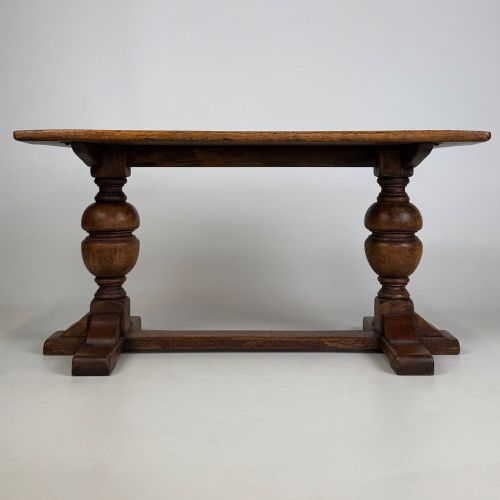
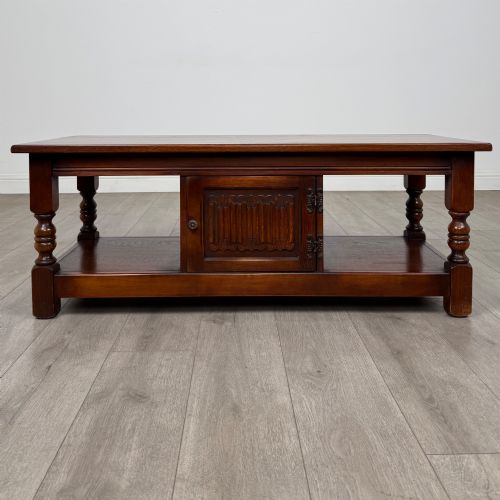
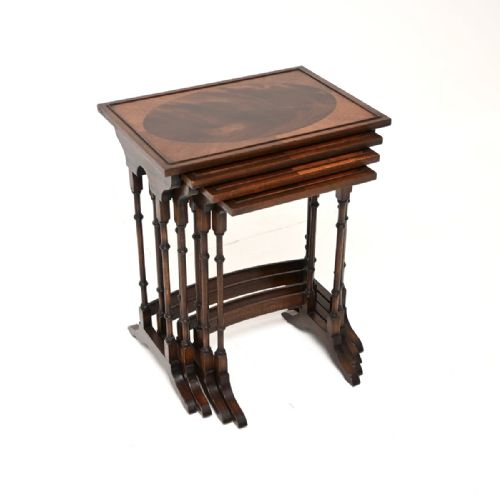
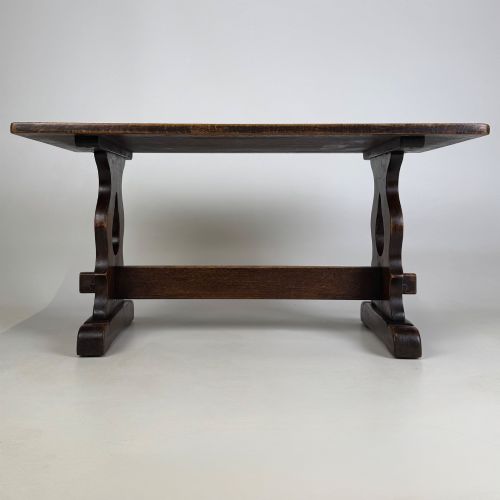
Dark Brown Coffee Table
A dark brown coffee table brings warmth to a room, grounding the space with rich timber tones spanning centuries of design.
Dark Brown Coffee Table
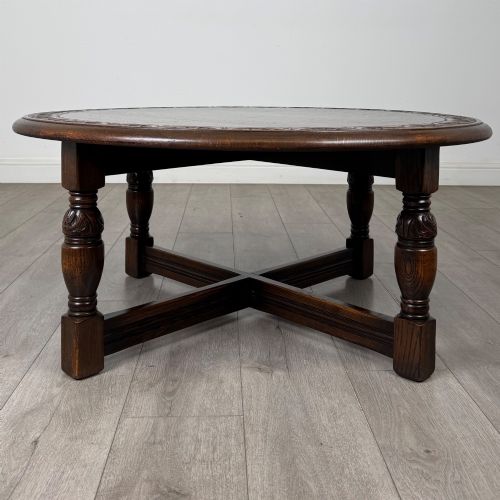
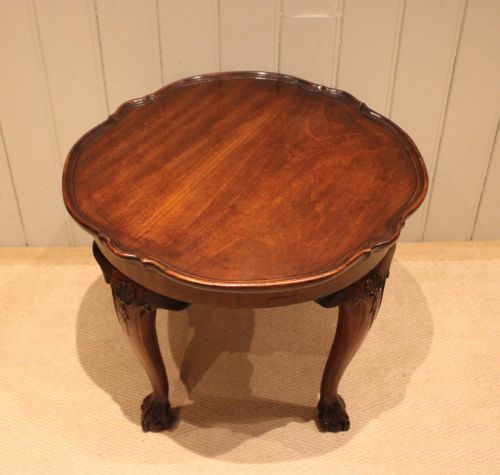
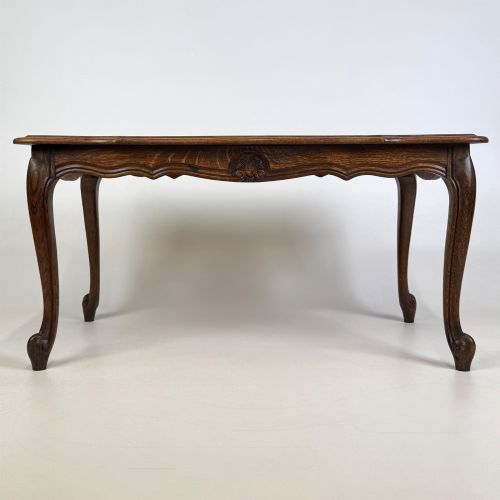
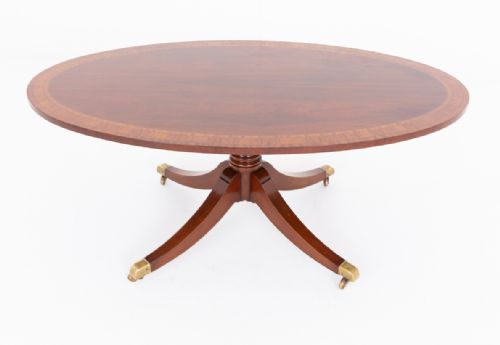
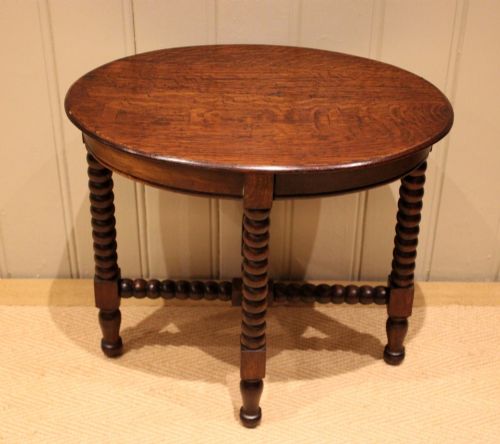
A dark brown coffee table encompasses low occasional furniture made from traditional hardwoods, often adapted from earlier side tables or built specifically for low seating. You will frequently encounter Edwardian oak examples and mahogany pieces from the nineteenth century on this page.
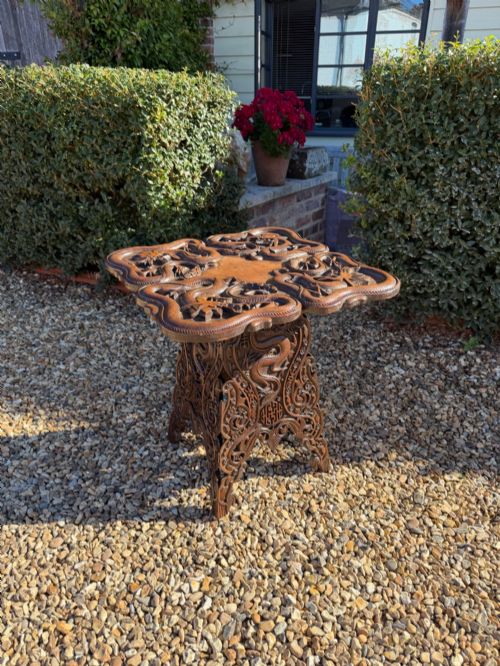
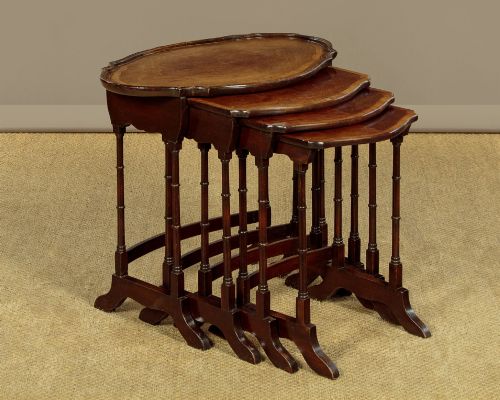
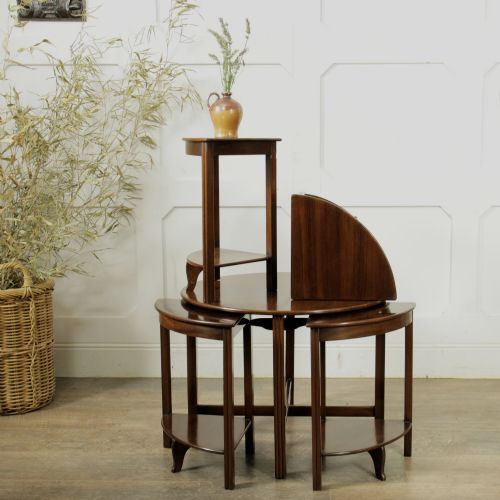
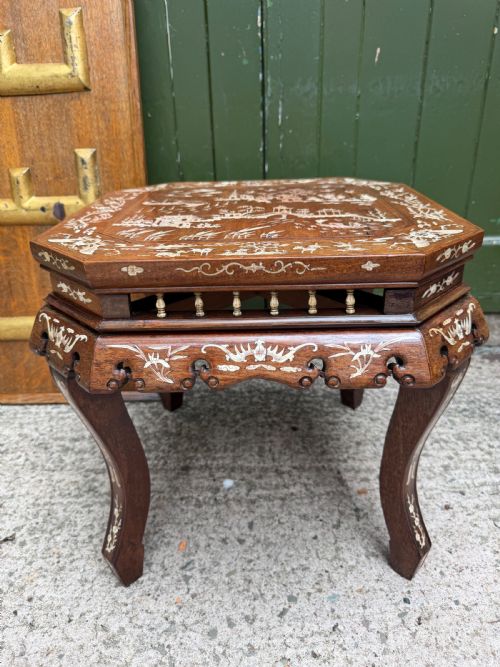
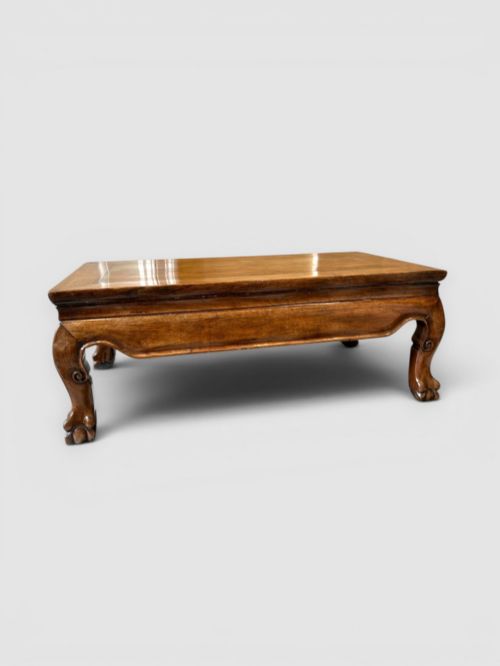
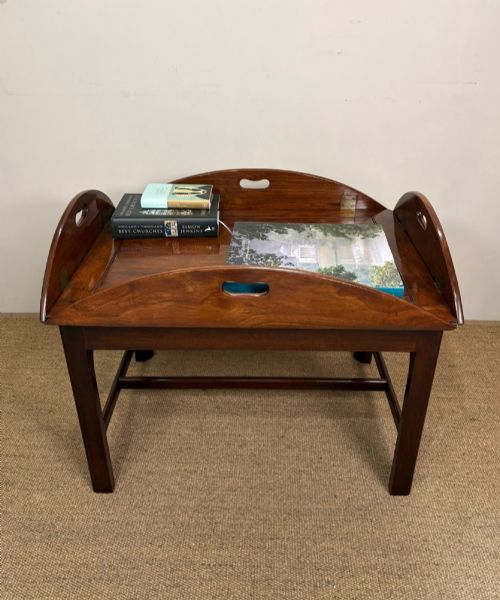
The selection includes nests of tables, butlers trays on stands, Chinese opium tables, and substantial walnut or elm low tables. These forms bridge historical utility and modern living spaces seamlessly.
How they were made
Makers utilised solid timbers such as oak, mahogany, walnut, elm, and hardwood, frequently finished with a deep polish that accentuates the natural grain. Joinery relied on traditional methods like mortise and tenon, ensuring sturdy construction.
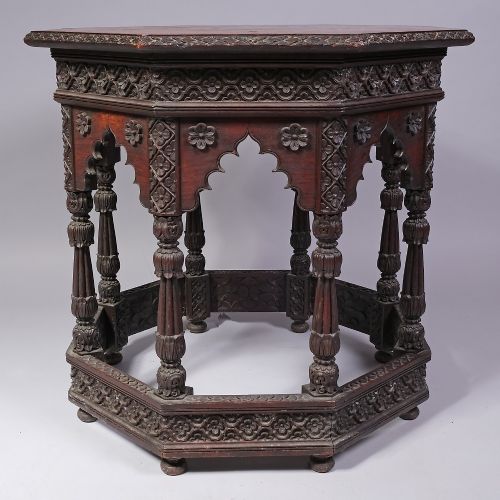
Carving, turning, and occasional brass fittings appear across various styles, from Jacobean Revival to Arts and Crafts. Surfaces range from plain plank tops to elaborate burr walnut veneers.
Listings feature oak, mahogany, walnut, elm, and hardwood tables spanning from the eighteenth century through the Edwardian era and the 1930s.
What varies in quality
The standard of timber selection and the crispness of hand-carving dictate the distinction between ordinary and superior pieces. Figured veneers, such as burr walnut, require exceptional skill to apply and finish properly.
Structural integrity, original hardware, and untouched patination elevate certain tables above standard utilitarian items. Age alone matters less than the proportion and balance of the design.
The Dark Brown Coffee Table Glossary
- Burr walnut
- A prized wood veneer showing knotted growth patterns that create swirling, highly decorative surface designs. It was favoured for formal nineteenth-century occasional furniture.
- Butlers tray
- A shallow wooden tray with hinged sides, originally designed for carrying silver and porcelain, often placed on a folding wooden stand. These make versatile low coffee tables.
- Nest of tables
- A set of graduated tables designed to fit neatly beneath one another when not in use. They became particularly popular during the Edwardian period in mahogany and oak.
- Opium table
- A low, sturdy table originating from East Asia, traditionally used for resting items while seated on mats or low platforms. They typically feature compact proportions and simple lines.
- Jacobean Revival
- A nineteenth-century style imitating seventeenth-century English furniture design. It is characterised by dark oak, heavy turned legs, and geometric carved ornamentation.
Dark Brown Coffee Table: Frequently Asked Questions
Are these original coffee tables?
Many items listed as dark brown coffee tables were originally side tables, desks, or butlers trays adapted to a lower height for modern use. Historical domestic habits favoured taller tables, so period pieces are frequently converted.
This adaptation preserves useful timber furniture while fitting contemporary seating arrangements. The conversion work itself often dates back many decades.
How do I care for dark wood?
Maintain timber surfaces by dusting regularly with a soft, dry cloth and avoiding direct sunlight. Excessive heat and moisture can damage antique polish and warp older boards.
Apply a quality beeswax occasionally to nourish the grain and protect the finish. Avoid modern silicone sprays that build up residue over time.
How do I date a table?
Examine the timber species, construction joints, tool marks, and overall wear patterns to determine the period. Machine-cut screws and modern adhesives indicate later twentieth-century interventions.
Stylistic cues such as Edwardian inlay or Victorian turning provide reliable clues when matched against historical cabinet-making practices.
Will an antique table suit a modern room?
Rich dark timbers provide a grounding anchor in minimalist or contemporary interiors, offering textural contrast. The clean lines of Georgian and Edwardian designs blend easily with modern upholstery.
Mixing eras adds character and depth to a living space rather than clashing with existing decor. Scale and proportion matter more than matching periods.