
Dark Brown Carved Timber
Dark brown carved timber encompasses centuries of sculptural woodwork, architectural panels and rustic furniture shaped from heavy hardwoods.
Dark Brown Carved Timber
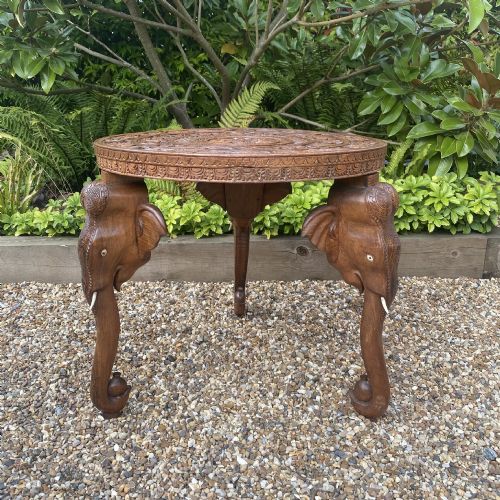
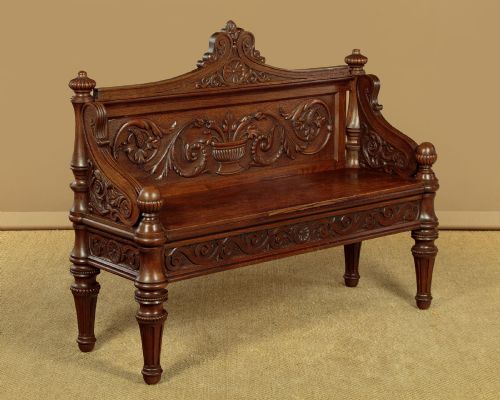
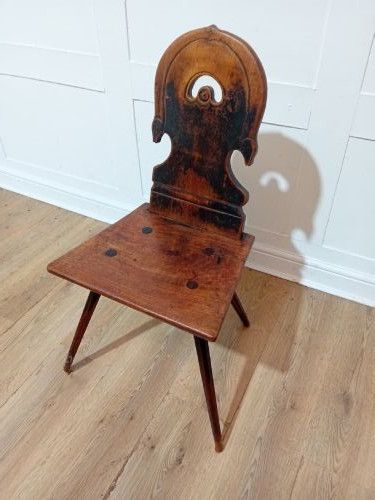
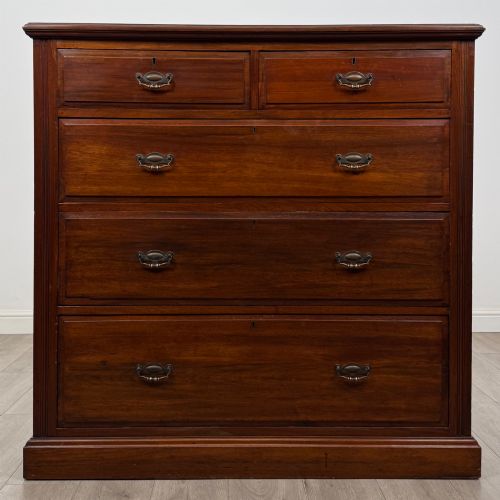
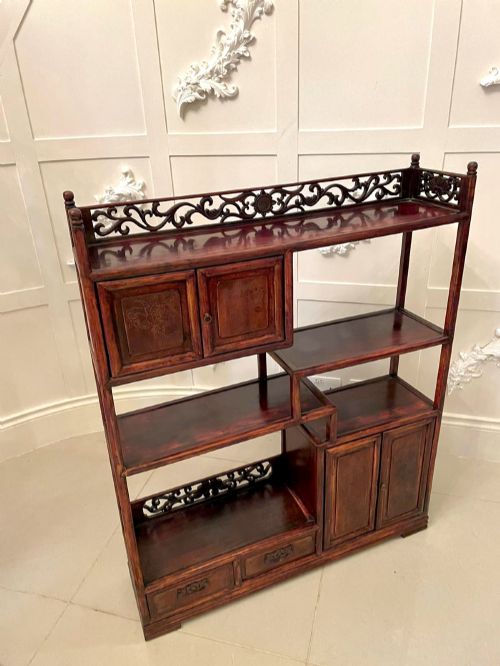
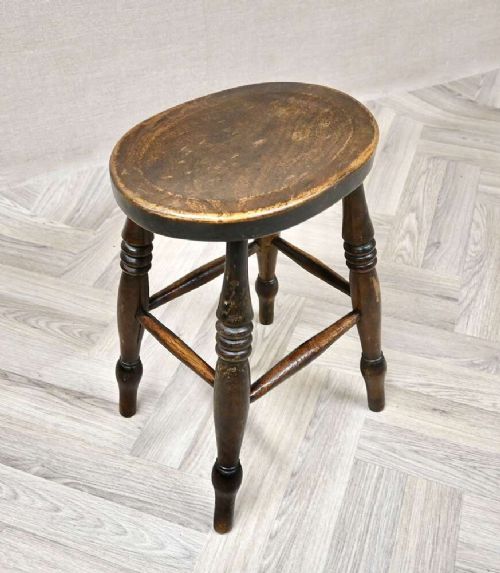
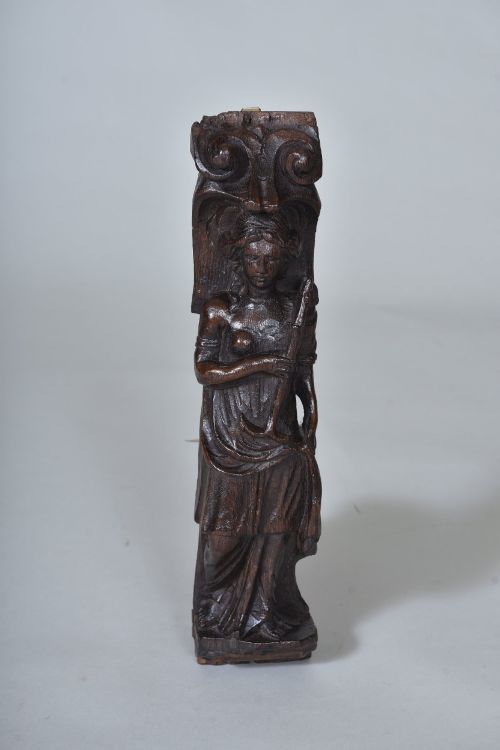
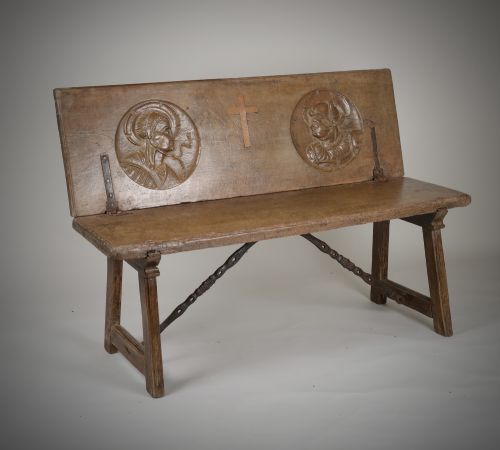
Domestic furniture such as oak settles, Windsor armchairs, and hall chairs form a substantial part of the offering, alongside decorative objects like bookends, wall shelves, and figural sculptures. Oak and walnut predominate among the traditional European pieces.
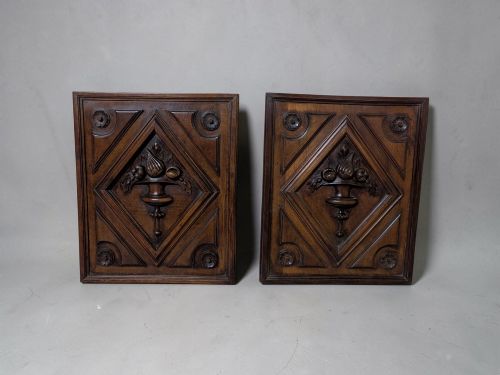
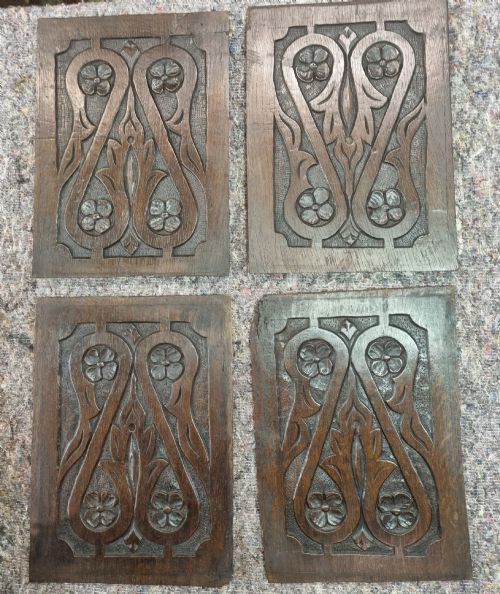
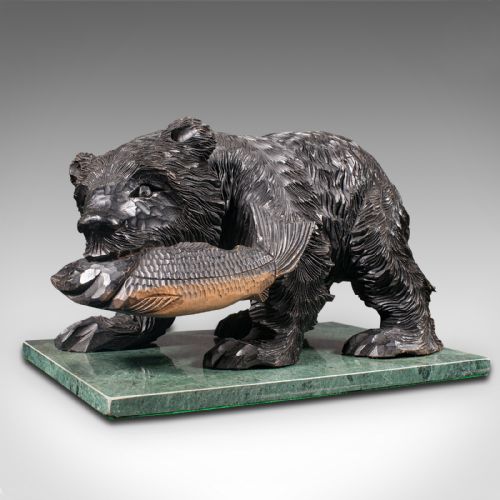
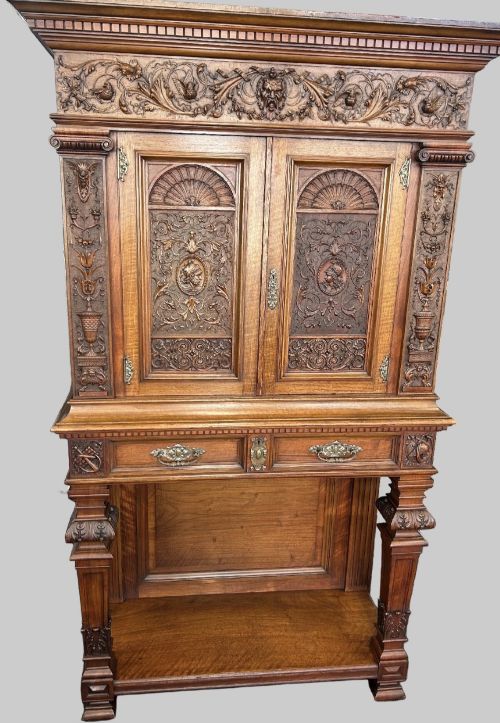
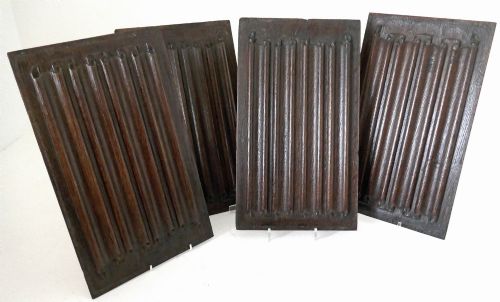
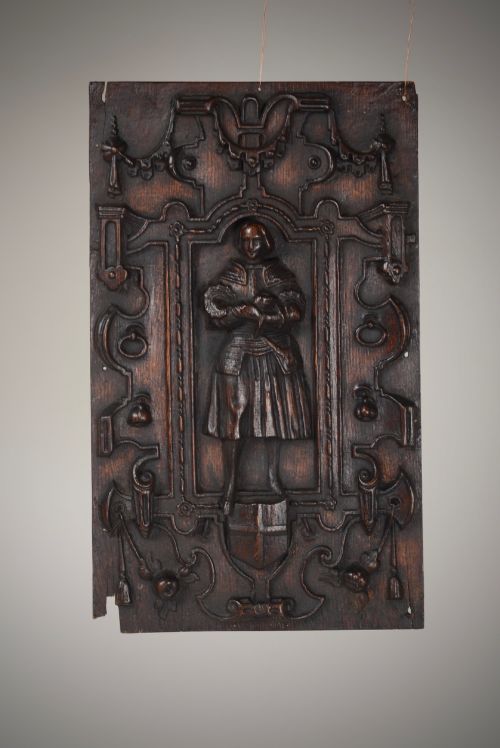
Architectural salvage, including linenfold panels and relief carvings of the Green Man, sits alongside international works such as Burmese panels, Chinese carvings, and Japanese bear sculptures. These diverse objects share a foundation of worked wood finished in rich, dark tones.
How they were made
Craftsmen shaped these objects using dense domestic and exotic woods, primarily relying on oak, walnut, mahogany, and assorted hardwoods. Timber selection dictated the depth and crispness achievable in relief carving and sculptural rendering.
Makers utilised traditional hand tools, including gouges, chisels, and drawknives, to carve intricate details directly into the seasoned timber. Surfaces were often left with the natural warmth of the grain or treated with traditional finishes that deepened the natural brown colour over generations.
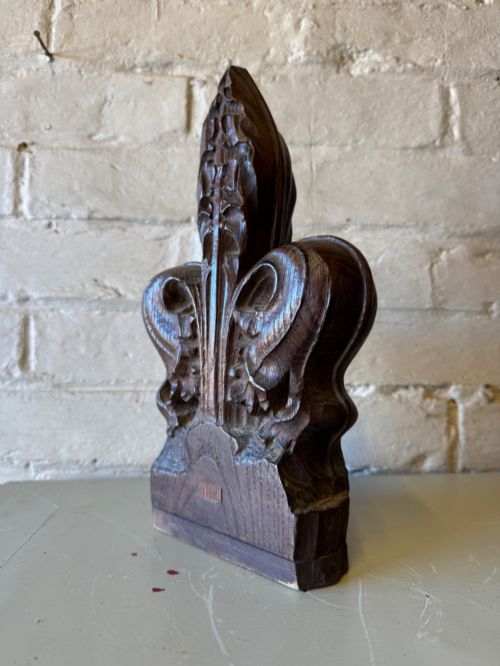
The selection includes architectural elements, seating, and animal sculptures executed in oak, walnut, mahogany, and assorted hardwoods across multiple centuries.
What varies in quality
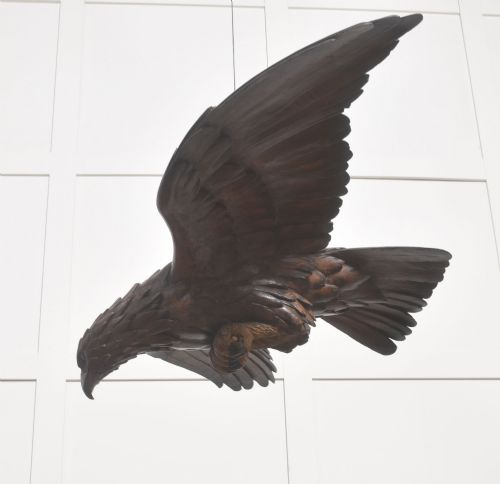
The degree of anatomical precision and depth in the sculptural work separates standard items from exceptional examples. Skilled carvers achieved fluid movement and realistic textures, particularly visible in nineteenth-century animal studies and figural panels.
The integrity and age of the timber foundation influence the overall standing of a piece. Original patination developed through centuries of handling adds significant depth compared to later surfaces.
J. Parker of Woodstock
The Dark Brown Carved Timber Glossary
- Linenfold
- A style of relief carving used on wooden panels to imitate folded linen. It was particularly popular during the Tudor and sixteenth century periods.
- Black Forest
- A nineteenth-century style of wood carving originating from the mountainous region of Central Europe. It is famed for realistic depictions of wildlife and figurative subjects.
- Green Man
- An architectural ornament consisting of a sculptured face surrounded by or made from leaves and vines. It symbolises rebirth and is frequently found on early oak panels.
- Settle
- A wooden bench with a high solid back, solid wooden arms, and often a storage box beneath the seat. Early examples were constructed from heavy oak.
- Mashrabiya
- An architectural element of an enclosing wooden or latticed screen. It is commonly utilised in traditional Middle Eastern architecture for windows and room dividers.
Dark Brown Carved Timber: Frequently Asked Questions
What periods do these timber carvings come from?
The selection spans from the sixteenth century through the nineteenth century and into the early twentieth century. Early examples typically feature sixteenth and seventeenth-century English or continental oak.
Later pieces include nineteenth-century Black Forest carvings, Victorian furniture, and international works from the same era. Each period employs distinct regional woodworking traditions.
How do I care for dark brown carved timber?
Maintain these wooden pieces by keeping them away from direct heat sources and strong sunlight, which can dry out the timber. Dust gently with a dry, soft cloth.
Avoid modern liquid polishes that can build up on the carved surfaces. Occasional applications of traditional beeswax help preserve the natural lustre of the dark wood.
Are these architectural panels meant for hanging?
Many panels and architectural elements were originally integrated into larger wall structures or furniture pieces. Over time, collectors often mount them for display.
Ensure that any wall hanging uses appropriate weight-bearing fixings suitable for heavy hardwoods like oak. Professional framing or mounting helps protect the edges of antique timber.
How can I tell early oak carvings apart?
Early oak pieces from the sixteenth and seventeenth centuries exhibit distinct tool marks and construction methods such as pegged joints. The timber develops a deep, dry patination over centuries.
Later revival pieces or copies often display different surface textures and lighter, less uniform density in the wood. Examining the back and joinery reveals the true age of the construction.