



Dark Bronze Putti Figure
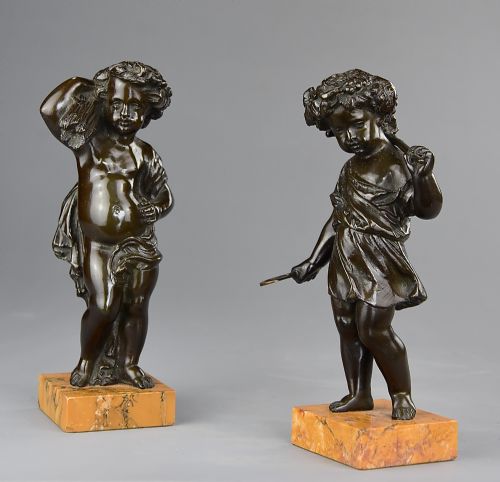
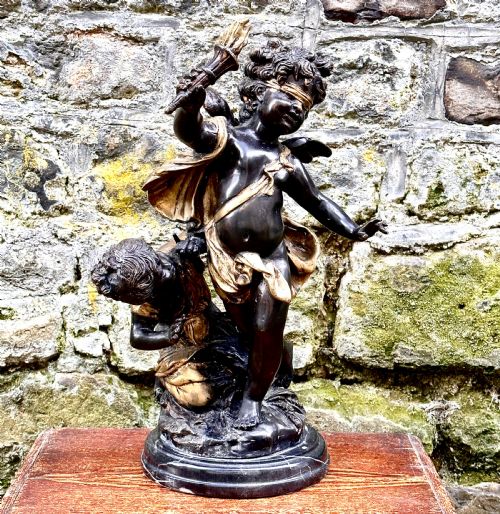
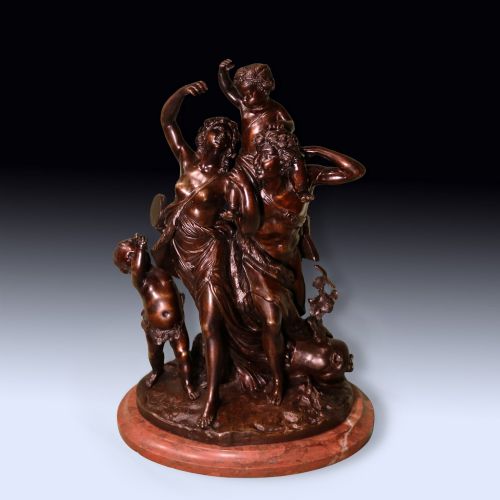
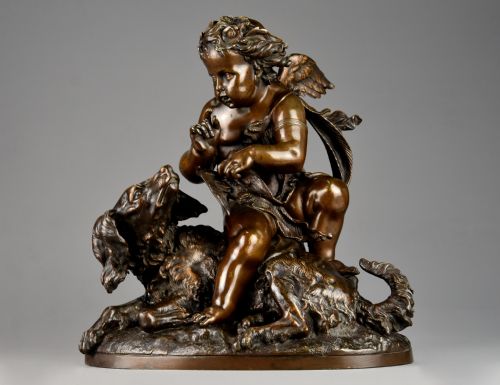
A dark bronze putti figure captures the playful spirit of classical mythology, depicting winged cherubs in cast metal to bring character to a mantelpiece or desk.
Dark Bronze Putti Figure
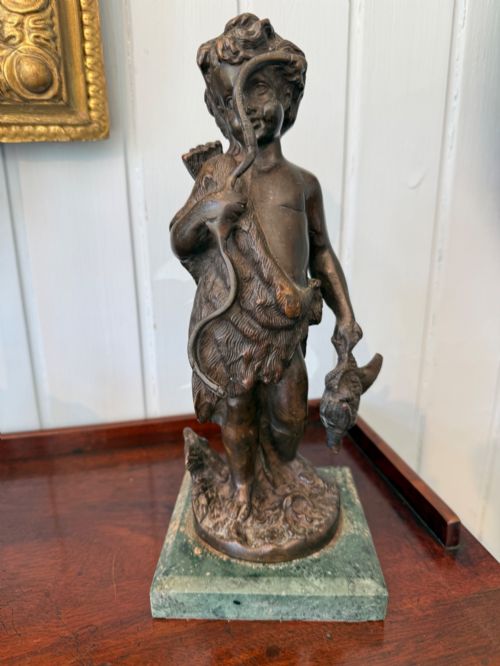
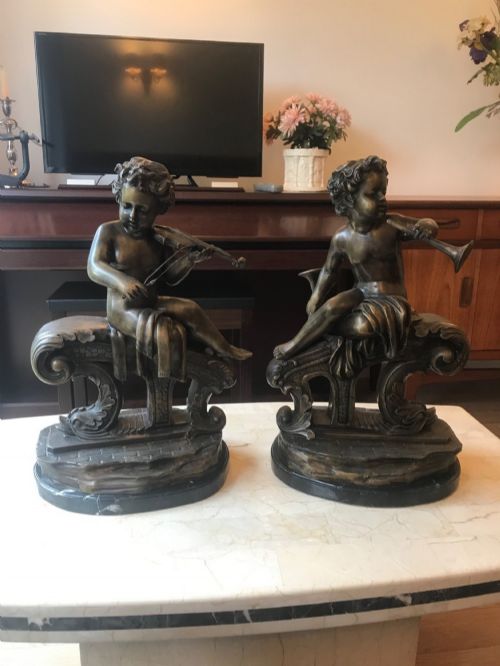
When searching for a dark bronze putti figure, collectors encounter sculptural works depicting winged children, cherubs, and cupids drawn from classical and neoclassical themes. These pieces frequently manifest as singular statues, matched pairs, or functional objects such as candlesticks, candelabra, and bookends.
The objects stem predominantly from the nineteenth century, including French, Italian Grand Tour, and English works. Many pieces show the influence of sculptors like Claude Michel Clodion, featuring figures engaged in musical pursuits, harvesting grapes, or interacting with animals.
How They Were Made
These sculptures utilise traditional metalcasting techniques to shape the bronze, followed by the application of dark patination to achieve deep, rich surface tones. Ormolu and gilt bronze accents frequently highlight details, while white marble, green marble, and inlaid wood serve as substantial foundational bases for the figures.
Among the frolicking cherubs, one sleepy chubby toddler rests entirely undisturbed.
What Varies in Quality
Claude Michael Clodion·K and O·Louis Auguste Moreau·Dumond·Aug Moreau·Charles Cumberworth·Ferrand·Pigale
The Dark Bronze Putti Figure Glossary
- Putto
- A plump, often winged child figure derived from classical art. These motifs appear frequently in Renaissance and nineteenth-century decorative bronzes.
- Patination
- The chemical treatment or natural ageing process that colours the surface of bronze. Dark patination provides depth and protects the underlying metal.
- Ormolu
- Gilding technique involving finely ground high-carat gold applied to a bronze base. It adds bright golden highlights that contrast with dark patinated areas.
- Grand Tour
- A cultural journey undertaken by nineteenth-century travellers who acquired small bronzes and antiquities as souvenirs. Italian examples from this tradition often feature marble bases.
Dark Bronze Putti Figure: Frequently Asked Questions
What is a putto figure?
A putto is a representation of a chubby, winged infant or toddler, often associated with love, music, or harvest.
In nineteenth-century bronzes, these figures frequently take the form of cupids, cherubs, or mythological companions holding grapes, bows, or musical instruments.
Where were these bronzes made?
Most pieces originate from French, Italian, and English workshops during the nineteenth century. French foundries produced numerous neoclassical and rococo revival pieces, while Italian makers catered to travellers on the Grand Tour.
English makers also cast similar decorative figures for domestic interiors, often adapting them into functional objects like doorstops.
How do I display a bronze figure?
These sculptures suit placement on mantelpieces, bookshelves, side tables, or desks where their patinated surfaces can catch the light. Paired figures work well framing a clock or ornament, while candelabra and candlesticks offer both sculptural form and functional lighting.
Ensure heavy pieces with marble or wood bases rest on stable, level furniture to support their weight securely.
How do I care for bronze sculpture?
Dust the metal gently with a soft, dry cloth to prevent particulate buildup on the patinated surface. Avoid using chemical cleaners, polishes, or abrasive cloths that can strip the original dark finish.
Keep pieces away from direct heat sources and excessive moisture to preserve the condition of both the metal and any attached marble or wood bases.