

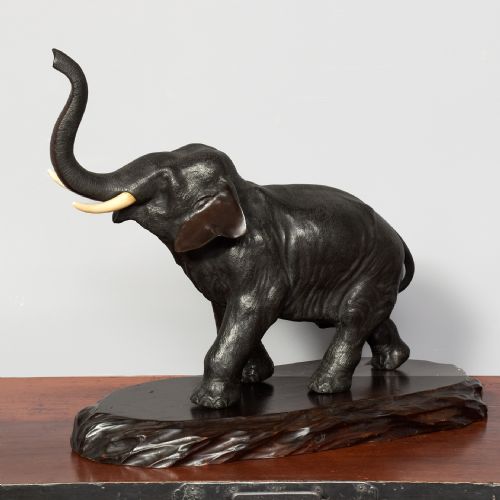


Dark Bronze Elephant Sculpture
These dark bronze elephant sculpture pieces bring together heavy metalwork and naturalistic detail from nineteenth century workshops and Asian export markets.
Dark Bronze Elephant Sculpture
When someone searches for a dark bronze elephant sculpture, they encounter heavy metal figures and vessels created during the Meiji period, Qing dynasty, and early twentieth century. These works range from single standing beasts to complex group scenes involving tigers or human figures.
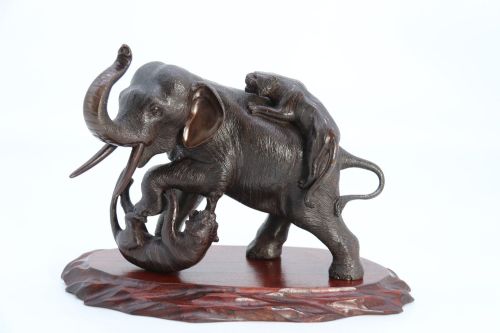
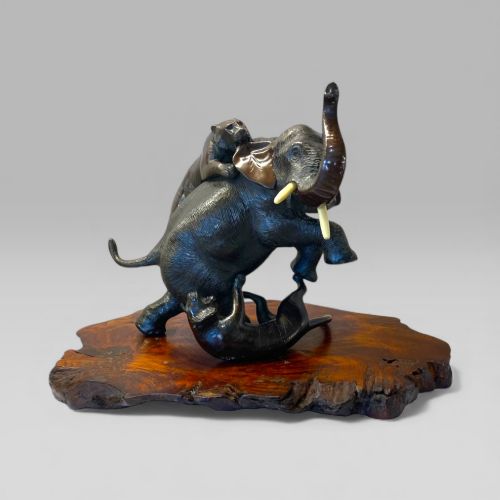
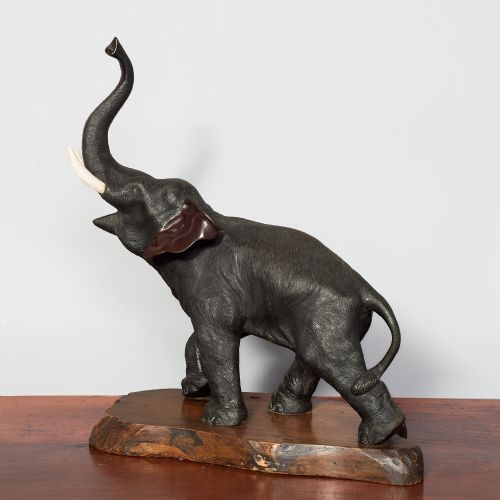
The version most commonly met on this page is the Japanese Meiji period bronze elephant, often depicted either as a standalone okimono or locked in combat with multiple tigers. These pieces originate from skilled metalworking traditions that utilised patination to achieve deep, dark metallic tones.
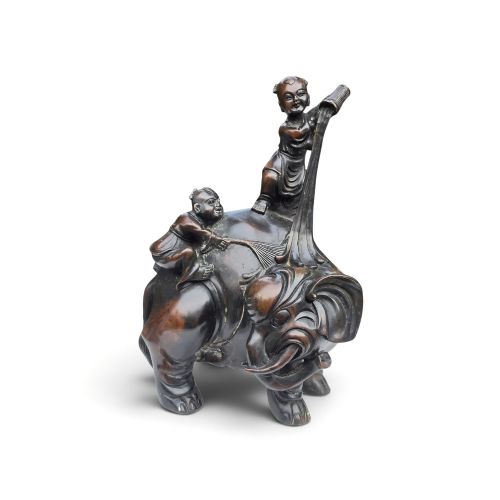
Other variations appearing in the selection include scholarly Chinese heavy bronze groups, Burmese examples, and sculptural vases incorporating mixed metal elements. Each form reflects the specific regional aesthetic and casting capabilities of its period of origin.
How they were made
The construction of these sculptures relies upon traditional lost-wax casting methods using bronze, resulting in substantial, heavy objects capable of capturing fine anatomical detail. Makers enhanced the dark metallic surfaces through chemical patination, creating varied tonal depths across the hide of the animal.
Dark Bronze Elephant Sculpture Retail Price Guide 2026
Typical asking prices for dark bronze elephant sculpture among the pieces listed under this phrase on Sellingantiques today, from the lower quarter to the upper quarter. They describe what is for sale here now, not the wider market.
Listings feature bronze sculptures from the Meiji period and Qing dynasty, incorporating materials such as hardwood, bone, ivory, and gold inlay.
What varies in quality
The distinction between standard production and superior craftsmanship rests in the sharpness of the chasing and the complexity of the composition. Master works demonstrate precise musculature, finely rendered wrinkles, and convincing tension in dynamic multi-figure combat scenes.
Material integration also dictates quality, particularly where supplementary elements like ivory tusks, diamond eyes, or precious metal inlay are fitted securely into the bronze casting. Finer pieces maintain balanced proportions and stable mounting on naturalistic bases without crude finishing visible at the joints.
Tsunemitsu·Genryusai Seiya
The Dark Bronze Elephant Sculpture Glossary
- Okimono
- A Japanese term for a decorative statue or ornament placed on a display surface rather than stored away. These standalone sculptures were produced extensively during the Meiji period for both domestic and export markets.
- Meiji Period
- The era in Japanese history spanning from 1868 to 1912, characterised by the opening of trade with the West and a surge in the export of high-grade metalwork.
- Patination
- The process of treating the surface of bronze through chemical means to alter its colour and depth. Dark patination was frequently utilised to accentuate the texture of animal hide.
- Qing Dynasty
- The final imperial dynasty of China, lasting from 1644 to 1911, known for producing heavy scholar's bronzes and ritual objects.
- Mixed Metal
- The combination of different metallic alloys, such as bronze, brass, iron, gold, and silver, used within a single piece to create contrasting decorative effects and highlights.
Dark Bronze Elephant Sculpture: Frequently Asked Questions
What is an okimono elephant?
An okimono is a Japanese decorative sculpture designed for display on a shelf or tabletop. In the context of these listings, it refers to standalone elephant figures or combat groups created during the Meiji period.
These objects were cast in bronze and finished with dark patination to emphasise realistic skin folds and muscular detail.
How do I identify a Meiji period bronze?
Meiji period bronzes are dated between 1868 and 1912, corresponding to the reign of Emperor Meiji in Japan. They often feature naturalistic subjects, such as elephants fighting tigers, and display high standards of lost-wax casting.
Examination of the surface reveals deep dark bronze patination and occasionally integrated materials like ivory tusks or gold and silver inlay.
Why do some elephants have tigers?
Depictions of elephants fighting tigers stem from nineteenth-century Japanese artistic interpretations of exotic wildlife and dramatic narratives. These dynamic compositions allowed metalworkers to showcase technical skill in rendering complex interactions between multiple animals.
The resulting sculptures balance the massive bulk of the elephant against the agile forms of the attacking tigers.
Are the tusks original?
Many Japanese bronze elephants from the Meiji period were manufactured with removable or fitted tusks made from organic materials like ivory or bone. Because these materials are fragile, replacement tusks occasionally occur in surviving examples.
Careful inspection of the mounting sockets helps determine the original relationship between the tusk and the bronze casting.