




Dark Botanical Wall Art
Dark botanical wall art brings moody floral oils, watercolours and carved panels into the room, grounding interiors with deep tones and natural forms.
Dark Botanical Wall Art
Dark botanical wall art encompasses oil paintings, watercolours, gouache works and carved panels depicting flowers, plants and natural specimens against deep backgrounds. These pieces draw primarily from the eighteenth and nineteenth centuries, alongside early twentieth-century interpretations, reflecting shifting stylistic approaches to natural history.
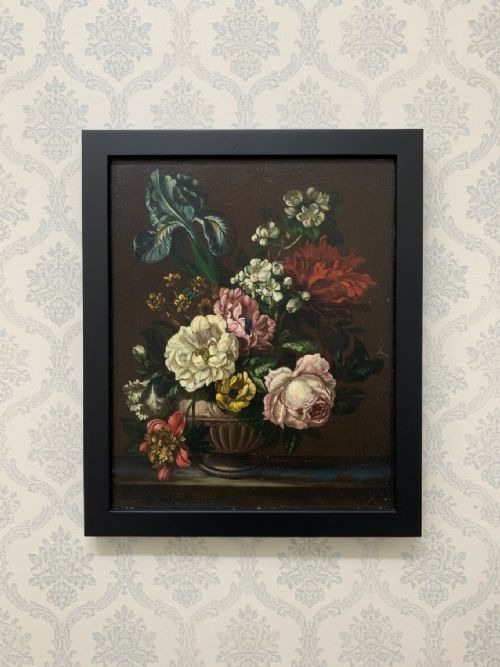
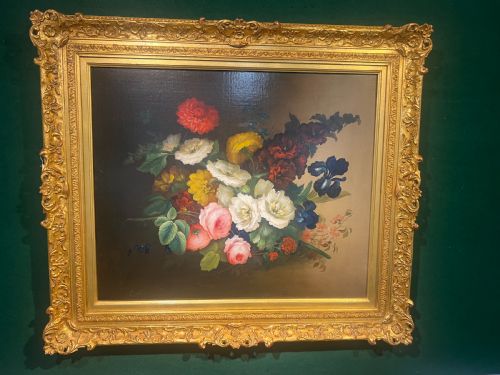
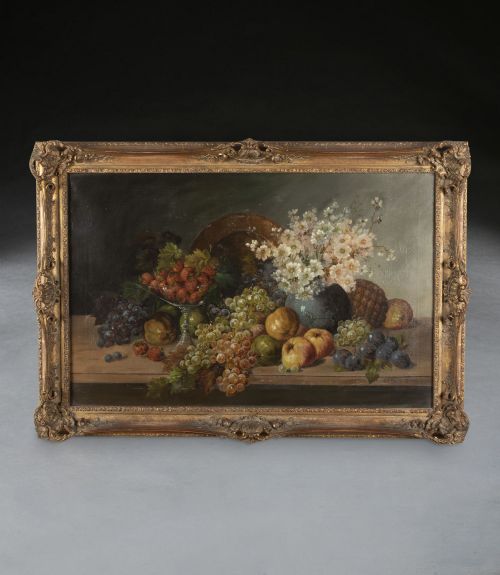
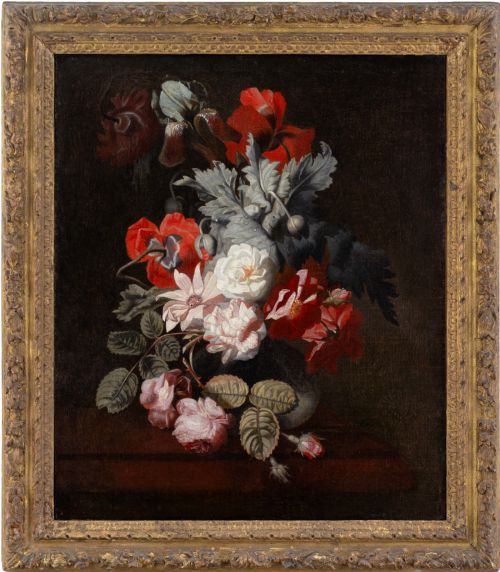
The version most commonly encountered in these selections is the floral still life rendered in oil on canvas or panel. Such works frequently showcase roses, anemones and summer blooms framed by dark, shadowy recesses reminiscent of Dutch Golden Age traditions.
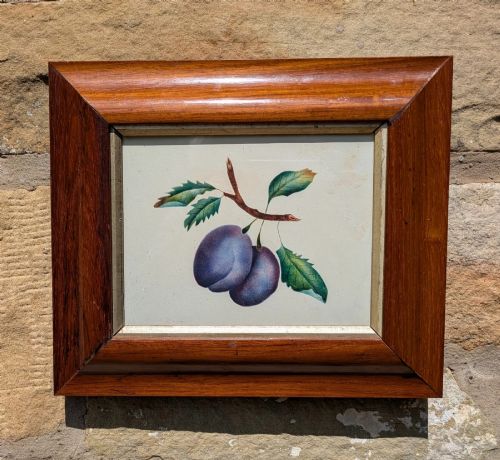
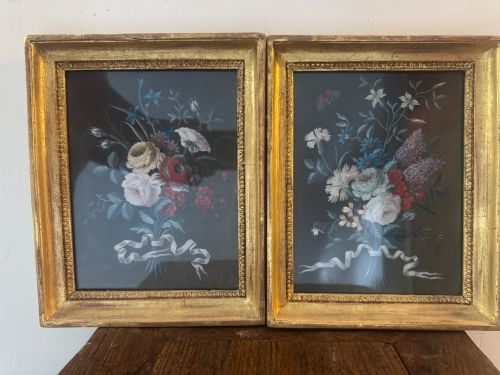
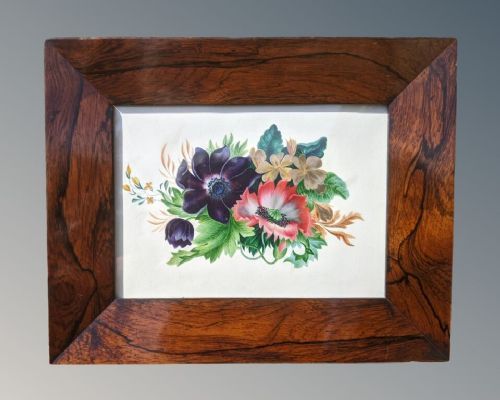
Beyond paintings, this grouping includes botanical watercolours housed in period frames, alongside carved hardwood panels depicting water plants and foliage. These varied forms provide distinct textures while maintaining a unified focus on botanical subjects.
Evaluating Quality
Quality rests in the handling of light and shadow across the canvas, where superior works achieve a palpable depth that separates masterly execution from static illustration. The subtlety of tonal transitions within the dark background defines the visual weight of a composition.
Materials and framing contribute significantly to the standing of a piece, with period frames and stable supports enhancing preservation and aesthetic coherence. The precision of brushwork in rendering delicate petals against sombre backdrops marks the distinction at the upper end.
Periods represented stretch from the eighteenth century through the Victorian era and into mid-twentieth-century interpretations.
Edwin Steele·Simon Pietersz Verelst·Pierre Joseph Redoute·George Lance·Herbert Davis Richter·Terence Loudon·James Stuart Park·William Thomas Wood·Owen Bowen·Cuthbert Edmund Swan
The Dark Botanical Wall Art Glossary
- Still life
- A painting or drawing depicting inanimate subject matter, typically commonplace objects or natural specimens such as flowers and fruit. In botanical works, these compositions focus heavily on floral arrangements.
- Gouache
- An opaque water-based paint method producing a heavier, more saturated finish than traditional watercolour. It allows for rich colour application on paper.
- Oil on panel
- A painting executed on a flat wooden board rather than stretched canvas. This rigid support was common in earlier centuries.
- Engraving
- A printmaking technique where an image is incised into a metal plate, holding ink to transfer fine linear details onto paper. Botanical series often utilised this method.
- Baroque
- An artistic style spanning the seventeenth and eighteenth centuries characterised by drama, deep shadow and exuberant naturalism. Floral compositions from this period emphasise rich contrast.
Dark Botanical Wall Art: Frequently Asked Questions
What is dark botanical wall art?
Dark botanical wall art comprises historic paintings, watercolours and carved panels featuring plants, flowers and natural specimens set against deep, moody backgrounds. These works range from eighteenth-century oil paintings to nineteenth-century watercolours.
The category highlights moody floral compositions that utilise shadow and contrast to bring natural forms into sharp relief. Pieces often reflect traditional Dutch painting styles or nineteenth-century botanical observation.
How were these botanical pieces used?
These artworks were traditionally displayed in parlours, dining rooms and studies to demonstrate an appreciation for natural history and refined aesthetics. Wealthy households utilised floral still lifes to bring seasonal flora indoors.
Today, they serve as focal points in interior design, providing strong contrast against modern or traditional wall colours. Their moody palettes suit atmospheric living spaces and libraries.
How do I live with dark oil paintings?
Display these works away from direct sunlight to protect aged canvas, paper and oil pigments from fading over time. Position them where directional lighting can catch the subtle details emerging from dark backgrounds.
Pairing these pieces with neutral walls or rich heritage paint shades allows the deep tones of the canvas to anchor the room. Simple picture lights enhance the atmospheric depth of older frames.
How do I tell periods apart?
Eighteenth-century works often display dramatic chiaroscuro and formal botanical arrangements reminiscent of Dutch master traditions. Nineteenth-century examples frequently show softer watercolours or more relaxed, impressionistic floral groupings.
Materials and framing styles also offer clues, with heavy carved panels pointing to Arts and Crafts influences around nineteen hundred. Early twentieth-century pieces lean towards looser brushwork and brighter highlights.