

Damask Upholstered Seating
Damask upholstered seating brings historic pattern and texture into a room, spanning periods from the eighteenth century to the twentieth through armchairs, settees and dining chairs.
Damask Upholstered Seating
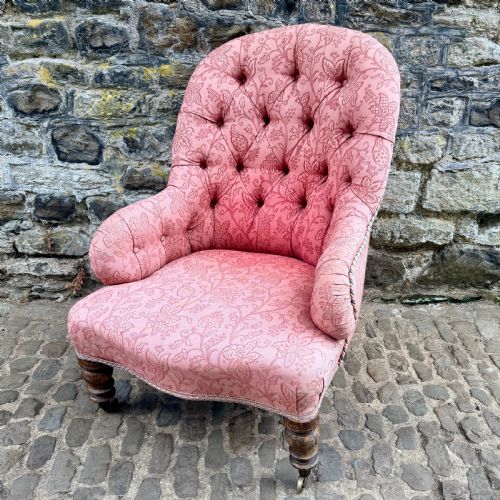
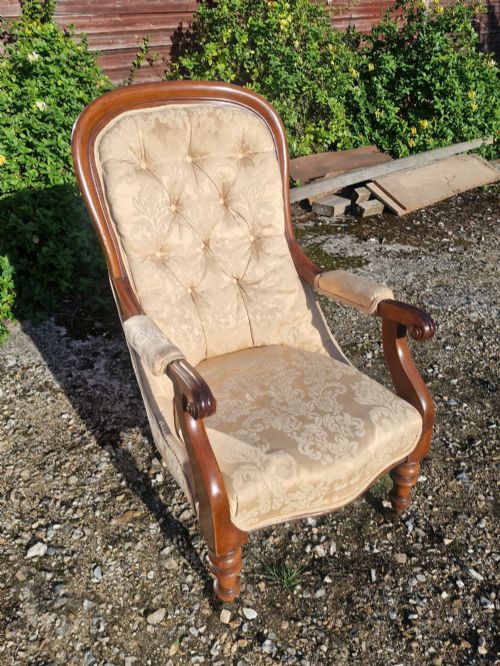
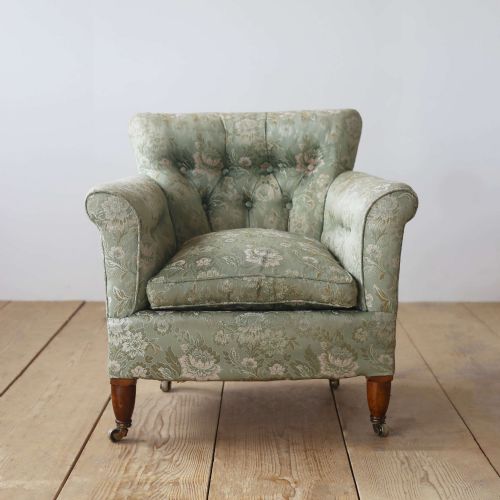
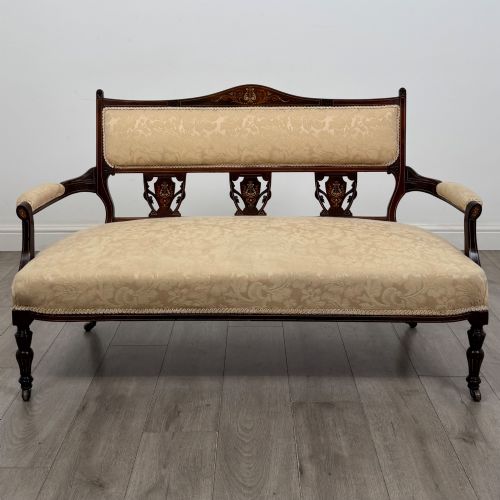
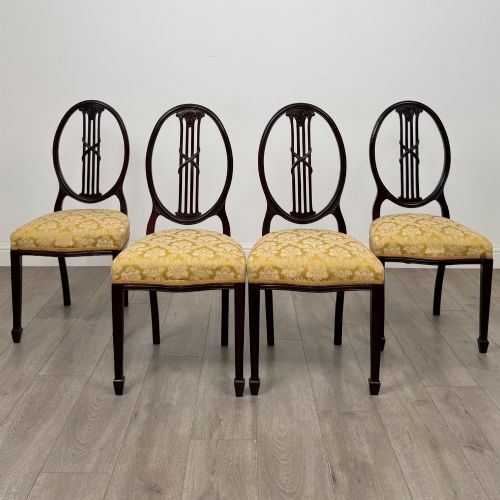
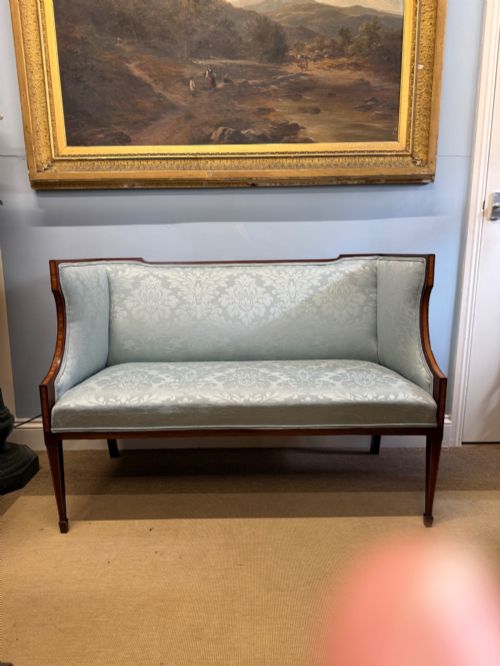
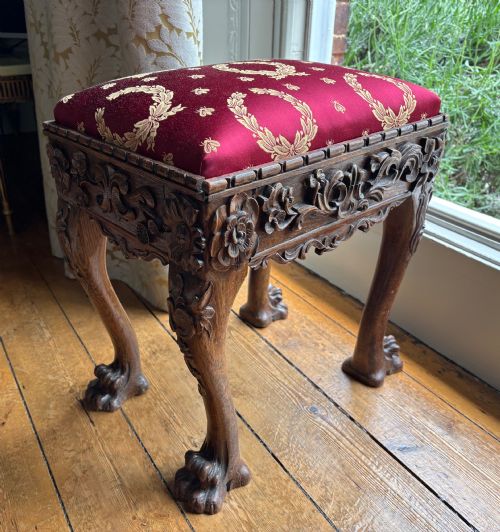
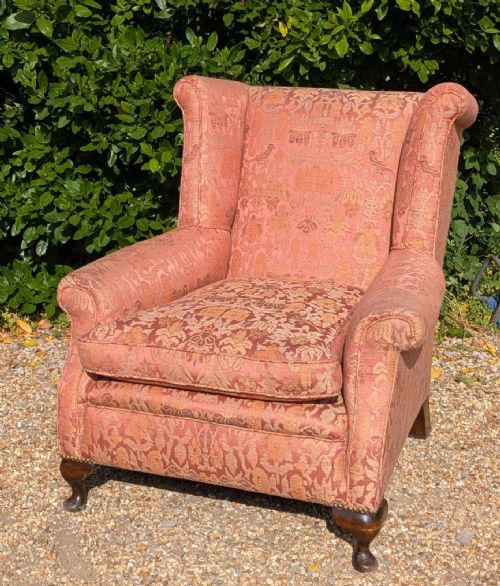
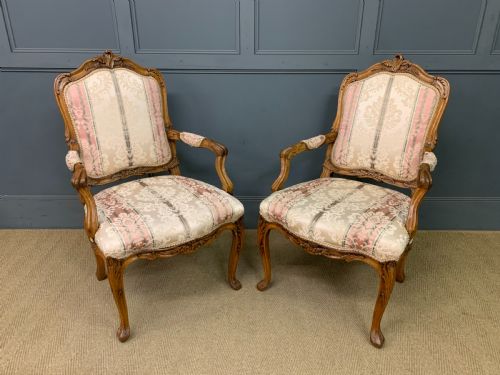
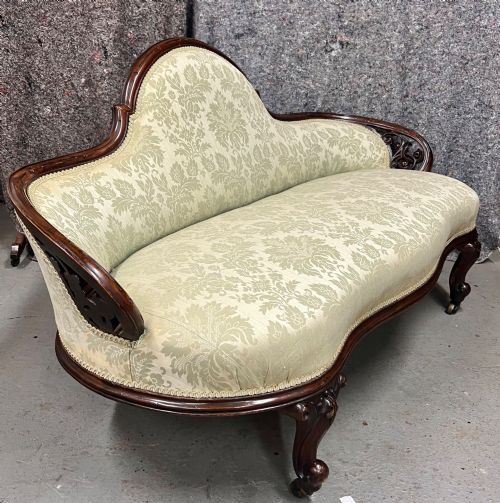
Damask upholstered seating encompasses armchairs, settees, sofas, footstools and dining chairs originating from Georgian, Victorian and Edwardian periods. Pieces range from large three-piece salon suites and chesterfield sofas down to individual dressing stools and window seats.
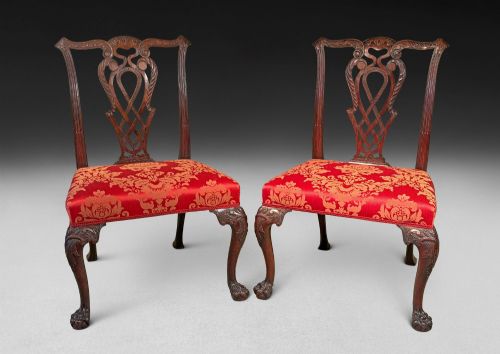
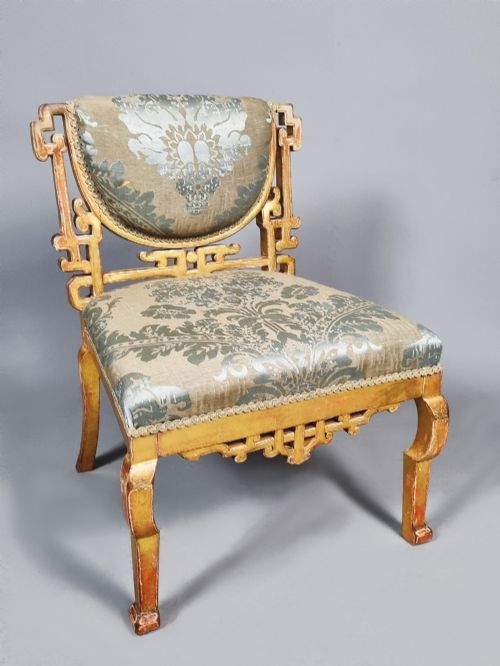
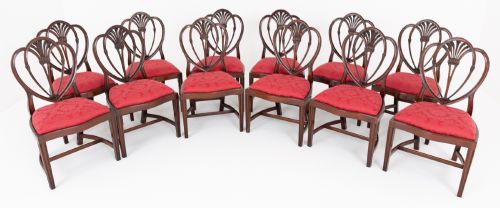
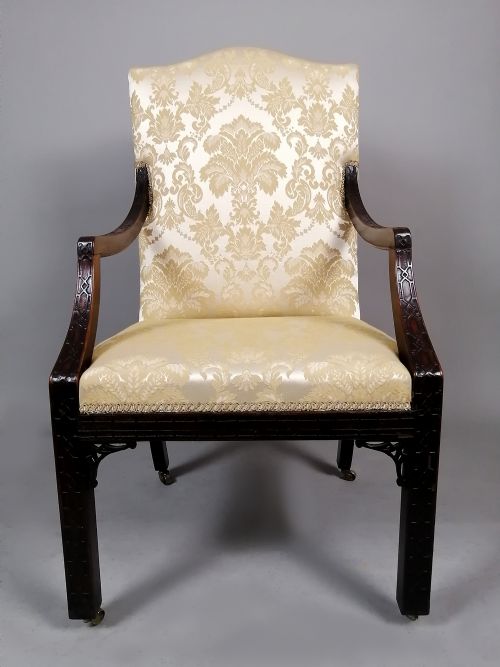
Victorian and nineteenth-century examples appear frequently, alongside eighteenth-century library chairs and twentieth-century dining sets. Frames incorporate styles such as Chinese Chippendale, French Rococo, and Edwardian designs.
Materials and construction
Frames rely upon timbers such as mahogany, walnut, rosewood and giltwood, occasionally accented with brass or ormolu mounts. Joinery and carving support the structural form beneath the upholstery.
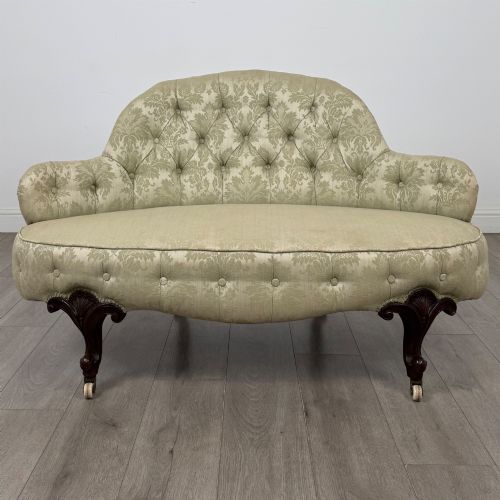
Upholstery materials include damask fabric, silk fabric and general textile coverings, sometimes with feather filling or button detailing applied to the seating area.
Conversation seats allow two people to sit face-to-face while sharing the exact same piece of upholstery.
Judging the pieces
Quality depends upon the execution of the timber frame, distinguishing robust carved mahogany or giltwood structures from simpler framework. The crispness of carved details, such as cabriole legs or decorative mounts, differentiates workshop standards.
The integration of the upholstery fabric with the underlying frame shape dictates the overall finish. Period-appropriate textiles and traditional stuffing techniques elevate the integrity of the piece.
Waugh & Son·Blaise Maucuy
The Damask Upholstered Seating Glossary
- Damask
- A reversible figured fabric with patterns woven into the ground. It provides the characteristic texture and sheen found on these chairs and settees.
- Cabriole leg
- A furniture leg that curves out and then in, resembling an animal's leg. This form frequently appears on Georgian and Victorian seating.
- Giltwood
- Wood that has been coated with gold leaf or gold paint. It defines the decorative frames of many French style and nineteenth-century chairs.
- Settee
- A long upholstered seat with a back and arms, designed for more than one person. Examples range from two-seater sofas to conversation seats.
- Ormolu
- Gilded bronze used for decorative mounts on furniture. It appears on nineteenth-century French Empire revival pieces.
Damask Upholstered Seating: Frequently Asked Questions
What periods do these seats cover?
The selection spans from the eighteenth century through the Victorian and Edwardian eras into the twentieth century. Pieces represent distinct design movements including Georgian, French Rococo, and Art Nouveau.
Craftsmanship reflects the prevailing styles of each decade, utilising timbers like mahogany and walnut alongside giltwood frames.
How are different chair types used?
Armchairs and winged armchairs serve as individual reading or fireside seats, while settees and sofas accommodate multiple people in drawing rooms. Dining chairs and side chairs furnish dining tables.
Smaller forms like footstools, window seats and dressing stools function as occasional accents throughout living spaces.
What timber frames are common?
Mahogany and walnut form the structural basis for many British and Georgian pieces. Rosewood also appears among nineteenth-century examples.
French and revival styles frequently utilise giltwood frames, sometimes enhanced by ormolu mounts or intricate carving.
How do I identify a settee style?
Settees range from Victorian rosewood frames and chesterfield sofas to French Empire revival models with neoclassical details. Examining the woodwork, legs, and arm shapes reveals the specific design influence.
Upholstery variations, including button detailing and damask fabric coverings, further distinguish the period and aesthetic.