


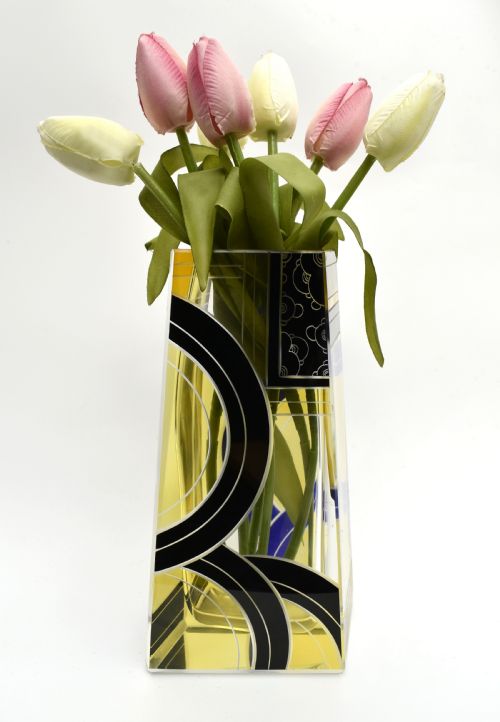


Czech Art Deco Glassware
Czech art deco glassware brings striking geometric forms and vibrant colour to a room, offering functional vessels and display pieces made during the height of the modernist era.
Czech Art Deco Glassware
When you search for czech art deco glassware, you encounter items produced predominantly around the nineteen-thirties, alongside some earlier nineteen-twenties examples. These objects include vases, decanter sets, liqueur glasses, and drinks sets.
The aesthetic bridges bold geometric lines and striking colour contrasts, reflecting the modernist spirit of the period. Most pieces you meet on this page hail from makers who mastered coloured glass, enamel, and etched decoration.
How they were made
Makers utilised pressed glass, lead crystal, and coloured glass as the primary foundation for these vessels, shaping molten material into sharp angles and smooth curves. Techniques such as acid etching and hand painting added intricate surface patterns.
Workers applied black enamel and silver overlay directly onto the glass body to create high-contrast geometric motifs. Chrome and sterling silver mounts occasionally provided structural framing and functional contrast to the glassware.
The object forms recorded on this page centre primarily on vases, decanter sets, and complete drinks services with matching glasses.
What varies in quality
The distinction between standard production and superior craftsmanship lies in the precision of the surface decoration and the clarity of the glass. Pieces featuring hand-applied enamel work and complex etched geometric patterns demonstrate greater artistic ambition than plain moulded vessels.
Heavier lead crystal bodies and well-balanced forms indicate higher manufacturing standards. The integration of precious metal overlays, such as silver or chrome, further separates finer output from simpler commercial wares.
Karl Palda·Libochovice
The Czech Art Deco Glassware Glossary
- Pressed glass
- Glass shaped by being pressed into a mould using a plunger, allowing for rapid production of patterned items. This technique produced many of the textured surfaces seen on period vessels.
- Lead crystal
- A high-clarity glass containing lead oxide, which increases weight, brilliance, and refractive index. It forms the heavy, resonant base for finer decanter sets and vases.
- Enamel
- Opaque vitreous material fused to the surface of glass through heat, creating durable coloured decoration. It is frequently found in geometric bands on modernist vases.
- Tango
- A vibrant colour style characterised by contrasting bright shades, such as orange and black, popular in early twentieth-century glass production. Items in this palette command strong visual attention.
- Silver overlay
- A decorative technique where pure silver is bonded directly onto the glass surface in intricate patterns. It adds a metallic sheen that contrasts with coloured glass.
Czech Art Deco Glassware: Frequently Asked Questions
How do I date czech art deco glassware?
Most items date from the nineteen-twenties and nineteen-thirties, aligning with the height of the modernist design movement. Stylistic cues like strict geometric etching and tango colourways help narrow the timeline.
Examination of the materials, such as specific uses of chrome or enamel, also assists in placing a piece within this specific interwar window.
Are these glass sets functional?
Many decanter sets and drinks sets were designed for actual use, featuring matching trays and liqueur glasses for entertaining. Modern owners often continue to use them for display or serving.
Careful handling is recommended due to the delicate nature of applied enamels and silver overlays during washing.
What colours are typical for this glassware?
The palette ranges from clear crystal and opaque glass to deep black enamel and vibrant tango shades. High-contrast combinations define the modernist aesthetic of the region.
Coloured glass bodies often serve as the canvas for further surface decoration like silver or acid etching.
How do I identify pieces by Karl Palda?
Palda designs are typically distinguished by precise geometric etching, tall black enamel details, and structured crystal forms. His work often reflects the architectural influences of the nineteen-thirties.
Matching decanter sets and vases attributed to this workshop show rigorous attention to symmetry and linear decoration.