



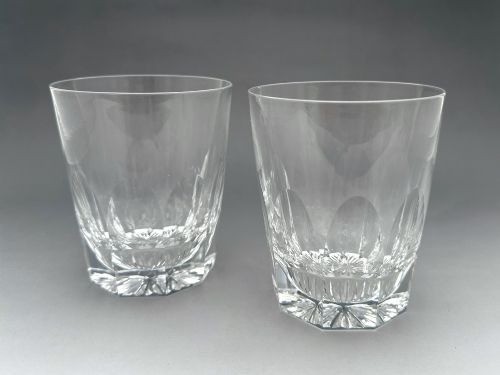
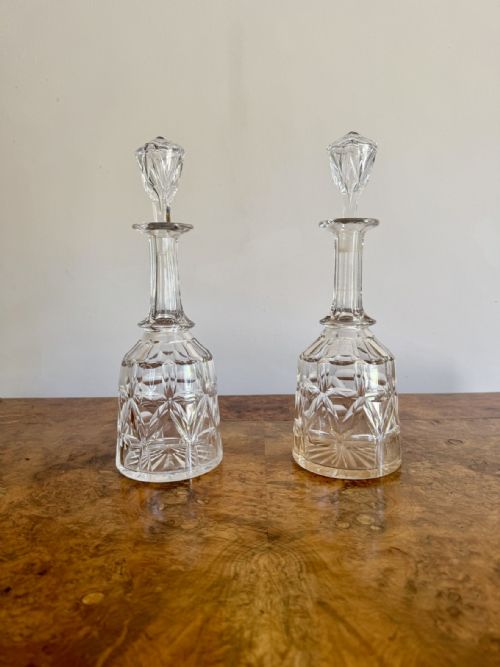
Cut Glass Whisky Glasses
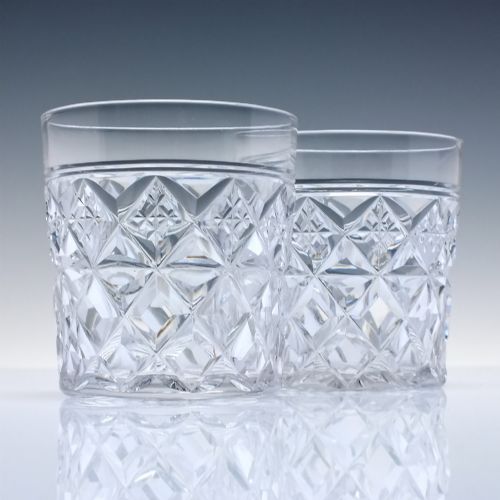
Cut glass whisky glasses bring weight and brilliance to the table, uniting Victorian robustness with the crisp geometry of Edwardian barware.
Cut Glass Whisky Glasses
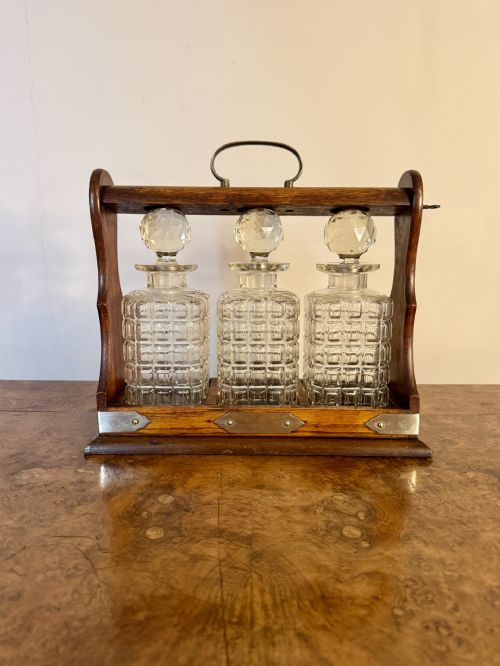
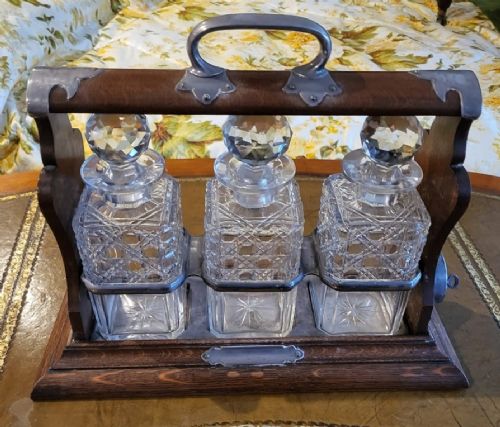
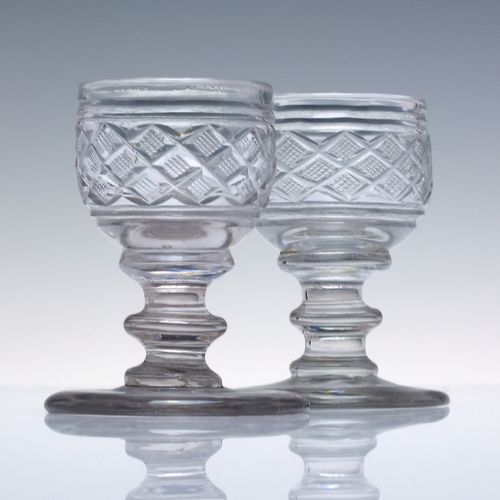
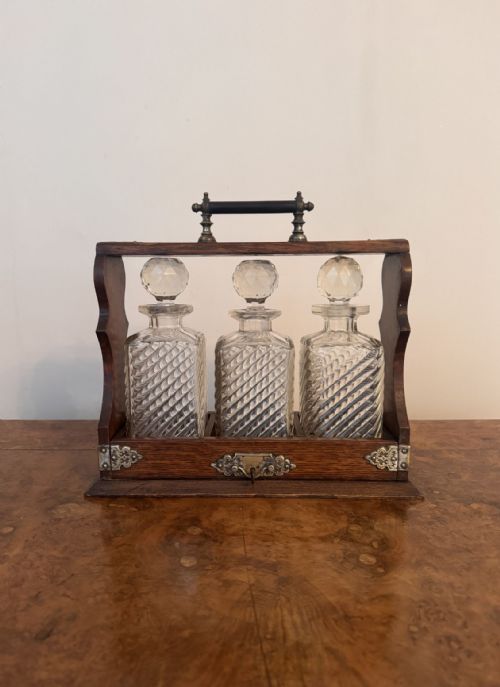
When you search for cut glass whisky glasses, you enter a domain spanning heavy nineteenth-century dram glasses, low tumblers, and slender noggins. The versions most commonly met on this page include sturdy Victorian tumblers and matched sets housed within oak or coromandel tantalus frames.
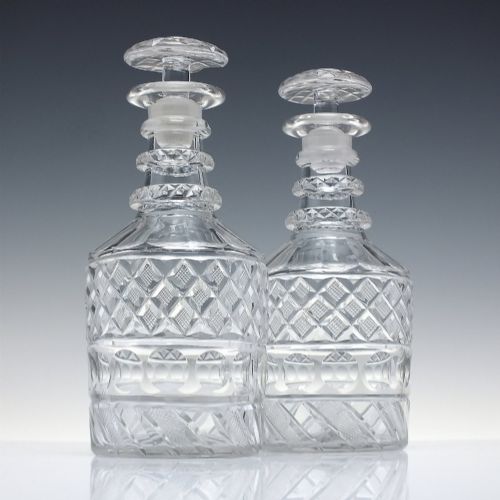
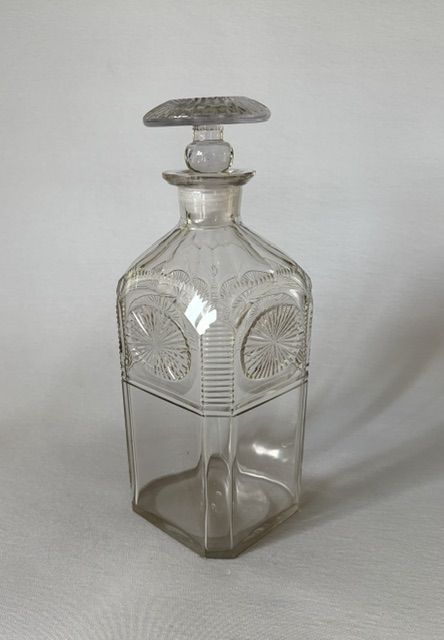
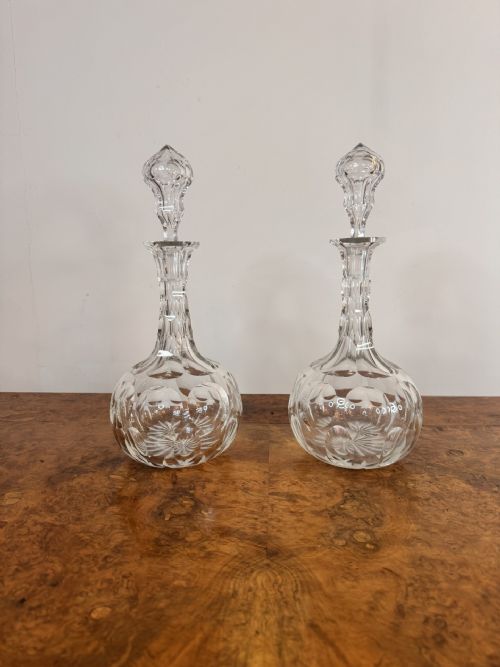
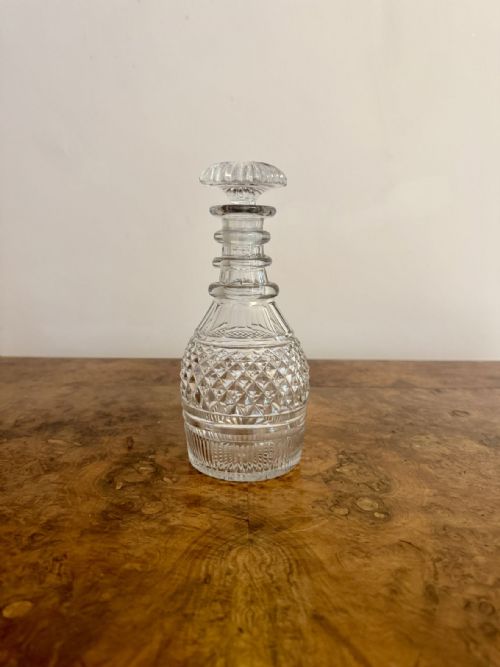
The material forms range from Georgian Anglo-Irish dram glasses to Edwardian bell-shaped decanters and silver-mounted whisky jugs. Makers employed clear lead crystal and cut glass to catch the light, frequently pairing the glassware with sterling silver labels and brass mounts.
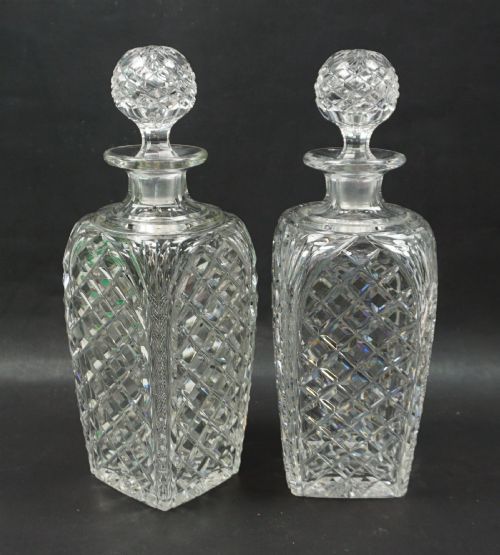
Beyond standalone tumblers, the category embraces complex drinking sets incorporating games compendiums and multiple square-section decanters. These pieces reflect historical entertaining habits, where locked tantalus frames kept spirits secure in the dining room or library.
How they were made
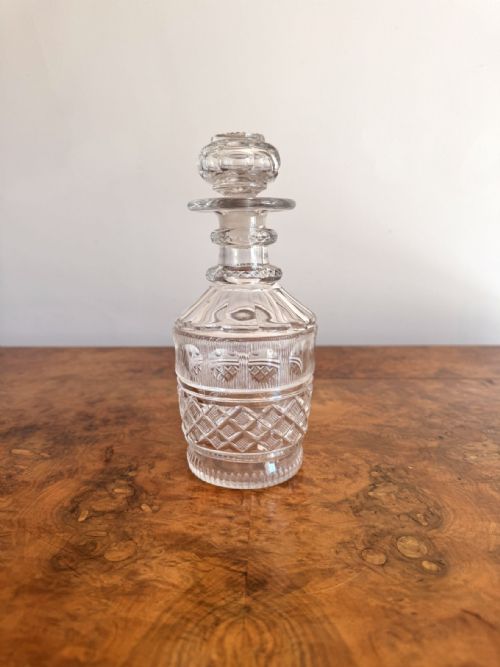
Glassmakers shaped these pieces using heavy lead crystal and cut glass, applying deep wheel-cut facets that catch light from every angle. Optically blown crystal vessels provided thinner walls with distinctive internal ripple patterns before exterior cutting took place.
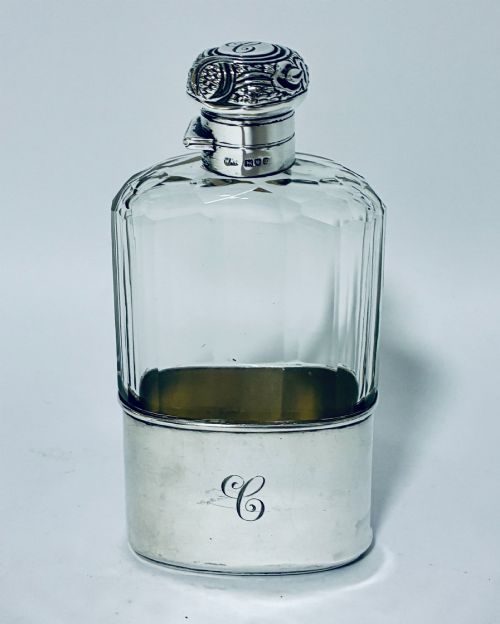
Mounts and hardware relied on solid materials such as figured oak, satinwood, brass, and sterling silver. Silversmiths fitted collars, hinged lids, and handles directly to glass noggins and decanters, securing them with cork stoppers or hallmarked silver mountings.
Cut Glass Whisky Glasses Retail Price Guide 2026
Typical asking prices for cut glass whisky glasses among the pieces listed under this phrase on Sellingantiques today, from the lower quarter to the upper quarter. They describe what is for sale here now, not the wider market.
A few antique decanters arrived with permanent labels engraved straight into the glass, ensuring nobody accidentally poured brandy into the whisky.
What varies in quality
The distinction between standard utility barware and superior pieces rests in the crispness of the wheel cutting and the depth of the lead crystal. Finer examples display sharp, clean facets without blurring, alongside heavy, balanced walls that feel substantial in the hand.
Cabinetwork defines quality in pieces featuring wood elements like oak, coromandel, or satinwood frames. Superior tantalus sets incorporate tight joinery, unblemished brass locking mechanisms, and fully integrated games compendiums rather than purely decorative housings.
James Powell·Hukin & Heath
The Cut Glass Whisky Glasses Glossary
- Tantalus
- A locking wooden frame designed to hold decanters securely while displaying their contents. The clever mechanism prevents the removal of the bottles until the locking bar is released with a key.
- Noggin
- A small vessel used for serving a single measure of spirits, usually fitted with a silver lip and handle. These miniature jugs often arrived paired with a matching silver spirit label.
- Dram glass
- A small drinking vessel intended for a single measure of whisky or spirits. Georgian examples often feature thick bases and simple, sturdy bowl forms designed for everyday use.
- Optically blown
- A glassforming technique where molten metal is inflated inside a ribbed or patterned mould to create internal optical effects. This process produces subtle vertical ripples within the body of the decanter.
- Lead crystal
- Glass containing a high proportion of lead oxide, which increases weight, brilliance, and refractive index. This dense material allows for deeper, sharper cutting than standard soda-lime glass.
Cut Glass Whisky Glasses: Frequently Asked Questions
What is a whisky noggin?
A whisky noggin is a small, handled jug designed to hold a single measure of spirit at the table. They frequently include silver mounts and a matching decanter label.
These pieces were common in Edwardian households for individual service alongside water jugs. Their compact size makes them practical for modern sideboards.
How do I date a tantalus?
Dantings rely on the timber species, hardware style, and lock construction used in the frame. Victorian versions often employ figured oak or coromandel with heavy brass mounts.
Later Edwardian iterations streamlined the woodwork while maintaining secure locking bars. Examining the key and interior lining helps confirm the production era.
Are old whisky tumblers safe to use?
Most antique heavy-lead tumblers are robust enough for occasional modern use with cold beverages. Hand washing in warm water preserves the antique glass and silver mounts.
Avoid subjecting old lead crystal to sudden thermal shocks or dishwashers. The thick walls of Victorian dram glasses handle daily toast-making well.
What is the difference between cut glass and crystal?
True lead crystal contains metallic lead oxide, giving the material greater weight and light-refracting clarity. Cut glass is a broader term that includes pressed or non-lead glass vessels.
Crystal yields a sharper ring when tapped and takes deeper, more defined wheel-cuts. Antique pieces on this page lean heavily towards high-lead crystal formulations.