






Cut Glass Water Glasses
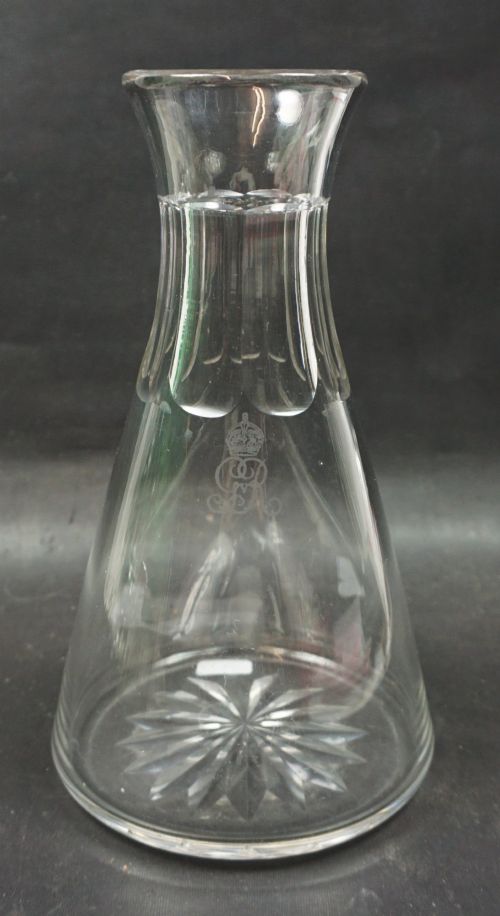
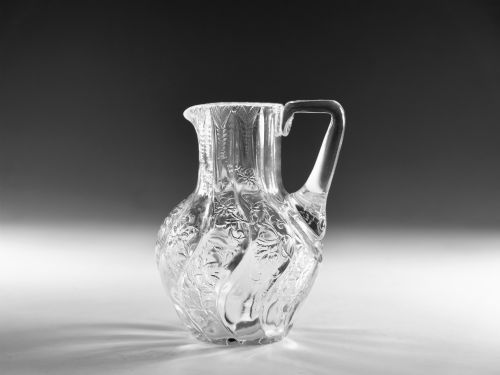
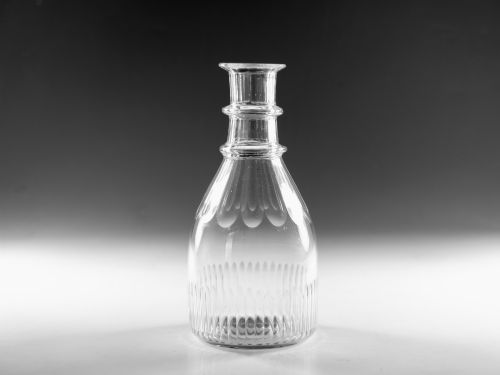
Cut glass water glasses bring heavy lead crystal and bright wheel-cut facets directly to the table.
Cut Glass Water Glasses
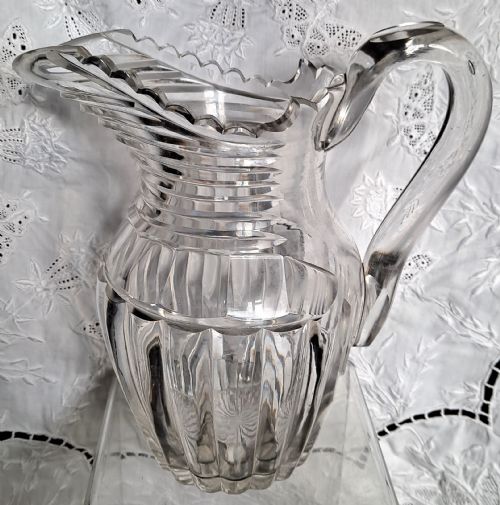
Cut glass water glasses appear alongside related tablewares such as jugs, pitchers, carafes, and ewers from the Georgian, Victorian, and Edwardian periods.
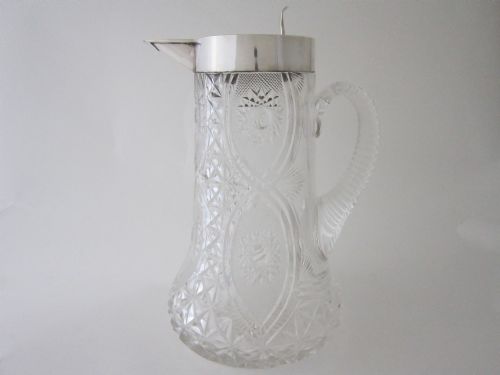
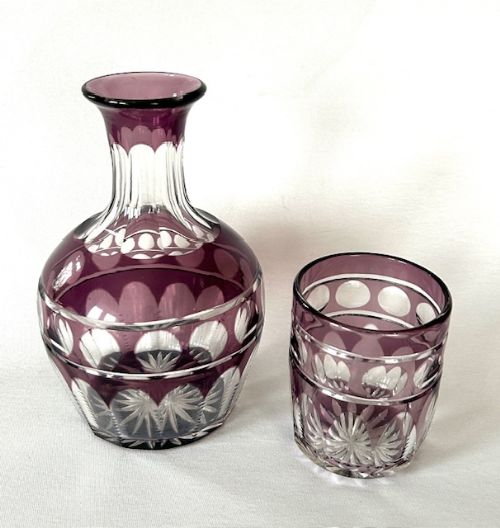
The domestic forms recorded on this page range from heavy drinking services and ewers to silver-mounted jugs utilising clear and amethyst glass.
Buyers seeking cut glass water glasses will encounter robust vessels shaped by Victorian, Edwardian, Regency, and Art Deco makers.
What varies in quality
The depth and crispness of the wheel-cut facets separate standard domestic glass from pieces bearing fine intaglio or engraved decoration.
The weight of the lead crystal and the integration of sterling silver mounts or ice tubes dictate the standard of the piece.
Cut Glass Water Glasses Retail Price Guide 2026
Typical asking prices for cut glass water glasses among the pieces listed under this phrase on Sellingantiques today, from the lower quarter to the upper quarter. They describe what is for sale here now, not the wider market.
The listings span the Georgian, Victorian, Edwardian, and Art Deco periods, utilising lead crystal, sterling silver, and silver plate.
William Comyns·Stevens and Williams·Mappin and Webb·Webb Corbett·Richardsons·Tiffany
The Cut Glass Water Glasses Glossary
- Cut crystal
- High-clarity glass containing lead oxide, shaped with deep wheel-cut geometric patterns that refract light. This dense material allows for sharper facets than standard soda-lime glass.
- Ewer
- A large jug with a wide spout and looped handle, traditionally used for serving water or wine at the table. Victorian examples often feature heavy silver-plated mounts.
- Intaglio
- A technique where designs are sunk below the surface of the glass by wheel-engraving rather than left in relief. It creates a smooth tactile finish on the exterior of pitchers and drinking services.
- Ice tube
- A cylindrical metal insert placed inside a jug to chill liquids without diluting them. These are commonly found in late nineteenth-century lemonade and water pitchers.
- Silver plate
- A layer of silver fused to a base metal core such as copper or Britannia metal. It provided the decorative mounts on Edwardian ewers without the cost of solid sterling silver.
Cut Glass Water Glasses: Frequently Asked Questions
How do I clean antique cut glass?
Wash these vessels by hand in warm soapy water using a soft cloth, avoiding sudden temperature changes that can stress the material.
Dry them immediately with a lint-free cloth to maintain the clarity of the lead crystal and any silver mounts.
Can I use these jugs daily?
These robust lead crystal and silver-mounted jugs were built for regular service and hold liquids securely for modern dining.
Take care when placing heavy glass vessels on hard surfaces to protect the hand-cut facets from chipping.
How do I date a cut glass jug?
Examine the weight of the glass, the style of the cutting, and any hallmarks stamped onto the silver mounts.
Georgian and Regency pieces typically show deeper hand-polishing on the facets, while Edwardian items often feature lighter wheel engraving.
What is the difference between a decanter and a ewer?
Decanters feature fitted stoppers designed to seal wine or spirits for storage, whereas ewers feature open spouts and handles intended for immediate pouring.
Ewes and water jugs often incorporate ice tubes or silver-plated mounts for table service.