




Cut Glass Water Decanter
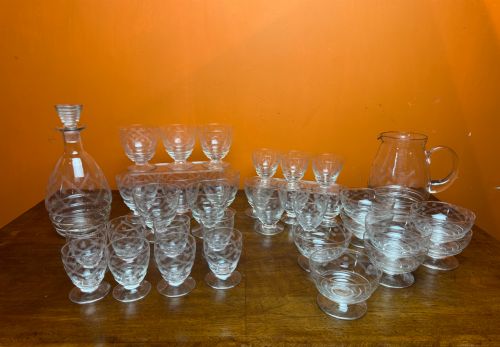
A cut glass water decanter brings weight and brilliant clarity to a table, combining heavy lead crystal with deep wheel-cut decoration.
Cut Glass Water Decanter
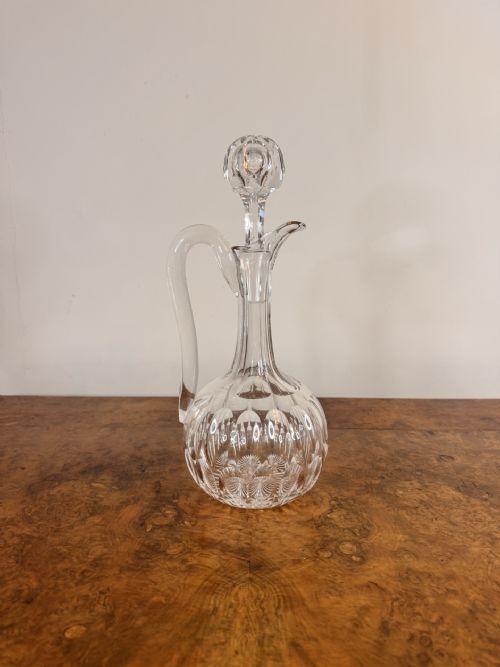
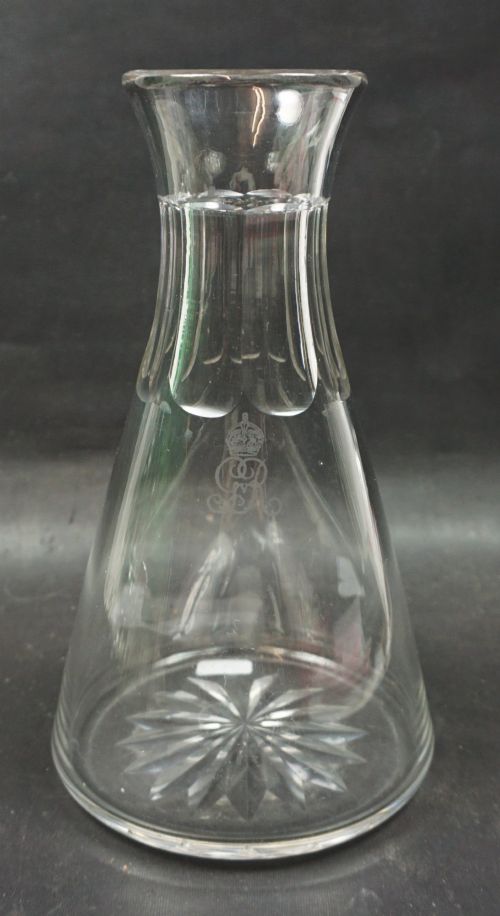
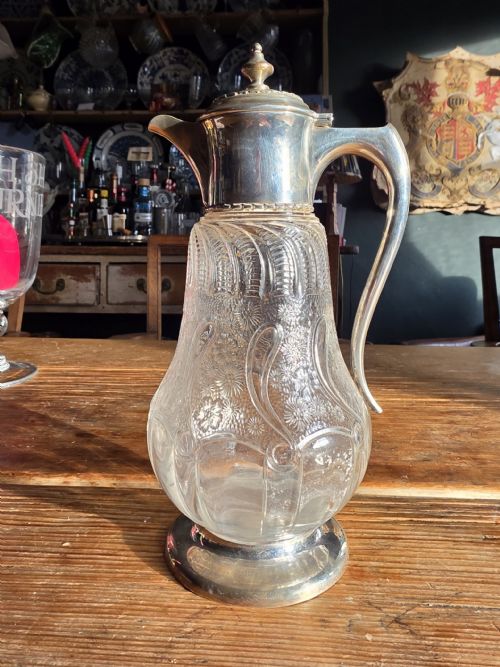
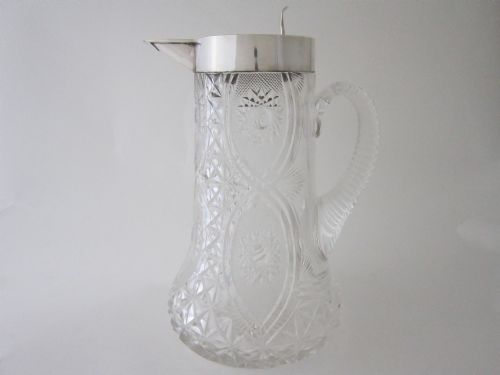
A cut glass water decanter covers heavy table jugs, ewers and carafes designed for serving water and wine across the nineteenth and early twentieth centuries. These vessels appear in Georgian, Victorian and Edwardian forms, frequently mounted with sterling silver or silver-plated collars, handles and lips.
How they were made
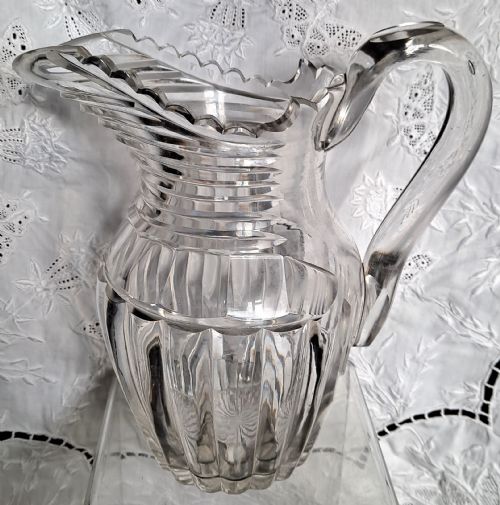
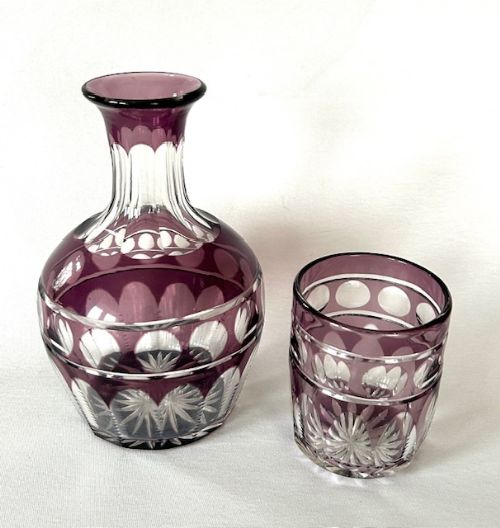
Makers shaped these vessels from heavy lead crystal and clear glass, often utilising cranberry or amethyst glass overlays to create deep colour contrasts when cut. Master glasscutters applied geometric wheel-cut patterns directly into the thick metal of the vessel, producing sharp facets that catch the light.
Silver mounts, rims and hinged lids in sterling silver or silver plate were securely fitted by silversmiths to complete the jugs. Artisans also employed intaglio engraving and acid etching to ornament surfaces with grapevines, dolphins and heraldic crests.
Cut Glass Water Decanter Retail Price Guide 2026
Typical asking prices for cut glass water decanter among the pieces listed under this phrase on Sellingantiques today, from the lower quarter to the upper quarter. They describe what is for sale here now, not the wider market.
What varies in quality
The distinction between ordinary and exceptional pieces lies in the crispness of the glass cutting and the weight of the metal mount. Deeper, sharper facets on heavy lead crystal signal superior craftsmanship, whereas shallow pressing lacks the brilliance of hand-cut work.
Proportion and balance define the finest jugs, where the weight of the handle and silver mount harmonises with the substantial body. Maker attribution through hallmarks or documented house styles also elevates the standing of a piece.
William Comyns·Stevens and Williams·Mappin and Webb·Webb Corbett·Richardsons·Tiffany
The Cut Glass Water Decanter Glossary
- Lead crystal
- Glass containing lead oxide, which increases weight, refractive index and brilliance. This material allows for deep, sharp wheel-cutting.
- Ewer
- A large jug with a wide spout and a curved handle, traditionally used for holding and pouring water. Many antique examples feature cut glass bodies with silver mounts.
- Intaglio
- A technique where designs are sunk below the surface of the glass rather than carved in relief. It requires skilled hand-engraving to achieve depth and detail.
- Claret jug
- A specialised vessel designed for serving red wine, usually featuring a glass body paired with a hinged silver-plated or sterling silver lid.
- Ice tube
- A cylindrical metal insert placed inside the jug to chill liquids without diluting them. This feature is characteristic of high-end nineteenth-century refreshment vessels.
Cut Glass Water Decanter: Frequently Asked Questions
How do I clean a cut glass water decanter?
Wash the vessel by hand using warm water and a mild detergent, avoiding sudden temperature changes that can crack heavy lead crystal. Use a soft bottle brush to reach interior surfaces without scratching the glass.
Dry the exterior immediately with a lint-free cloth to maintain the brilliance of the cut facets. Store the decanter upright in a stable cabinet away from direct vibrations.
Were these jugs used exclusively for water?
While many served as water ewers on dining tables, similar forms functioned as carafes and wine jugs. Metal mounts and internal ice tubes often suited them for chilled beverages and lemonade.
Victorian dining practices adapted these vessels for various table drinks depending on size and mounted hardware. Claret jugs and cordial ewers served specific alcoholic beverages during formal meals.
How do I distinguish Edwardian pieces from Victorian ones?
Victorian examples often display heavier, deep-relief hobnail or diamond cutting combined with elaborate floral etching. Mounts from this era frequently carry distinct hallmarked dates from the nineteenth century.
Edwardian pieces tend to show lighter, more refined rock crystal cutting styles or simpler silver mounts. Hallmarks on the silver collars provide the most reliable guide to exact dates.
Can I use silver-plated mounts with modern tableware?
Silver-plated and sterling silver mounts integrate easily with contemporary dining settings, adding traditional weight and reflective contrast. The neutral clarity of clear glass pairs well with modern ceramics and crystal.
Care should be taken to polish the silver components gently using appropriate creams to preserve the original plating. Regular use keeps the metal bright and prevents tarnish buildup.