


Cut Glass Jar Lid
When you examine a cut glass jar lid, you hold a functional piece of dressing table or dining ware defined by heavy lead crystal and precious metal mounts.
Cut Glass Jar Lid
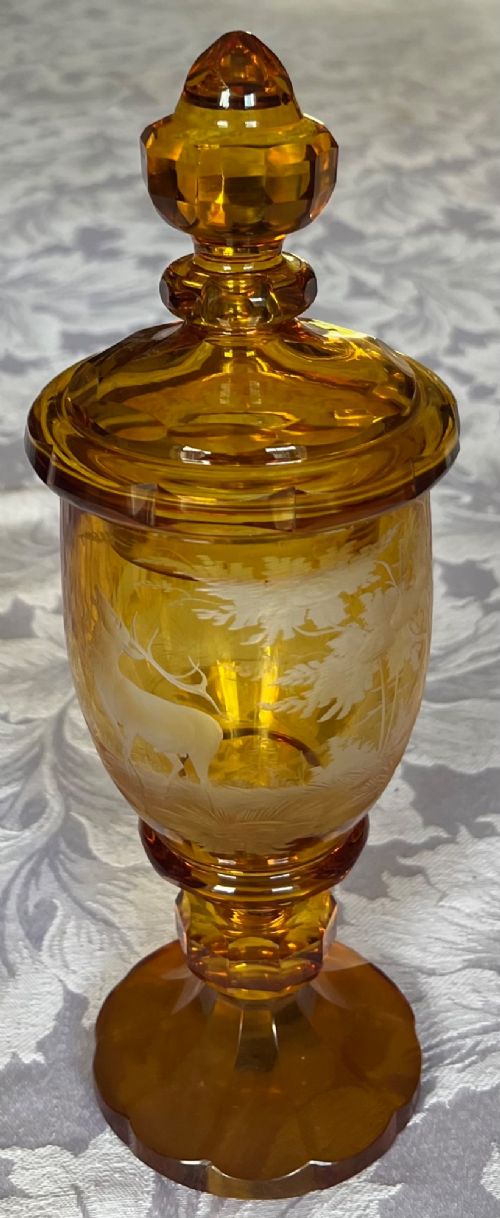
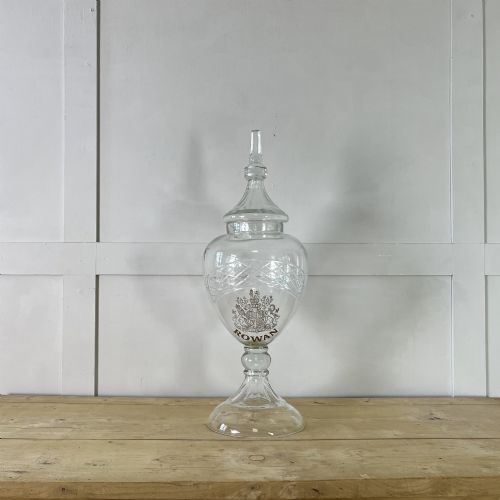
A cut glass jar lid belongs to vessels designed for dressing tables, vanity sets, and dining rooms, spanning the Georgian, Victorian, Edwardian, and Art Deco periods. These protective tops secure containers ranging from small perfume scent bottles and rouge pots to large vanity jars, biscuit barrels, and preserve pots.
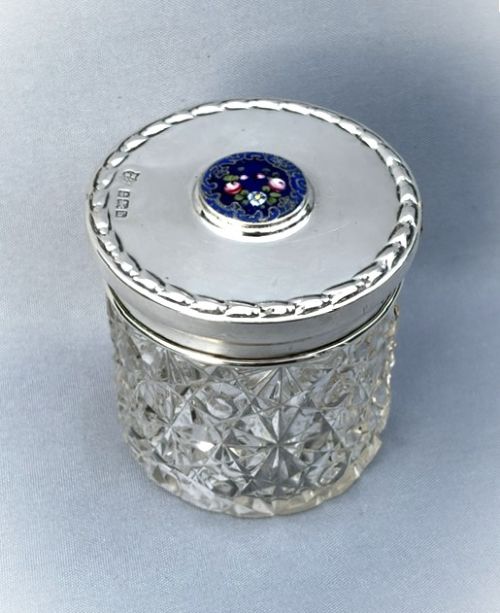
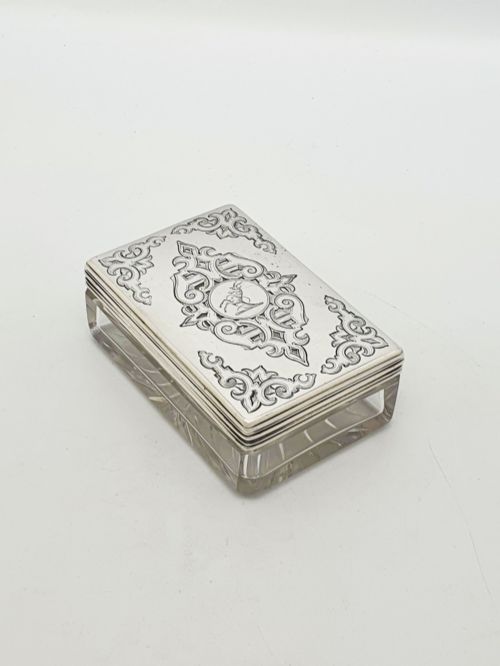
The versions most commonly met on this page combine heavy cut glass or lead crystal bases with fitted mounts made of sterling silver, silver plate, enamel, or tortoiseshell. They reflect the domestic habits of the nineteenth and twentieth centuries, where cosmetic and culinary stores received secure, decorative housing.
Materials and construction
The bodies utilise glass and lead crystal formed through moulding, panel cutting, and surface engraving to catch the light. Workshops shaped these robust vessels to withstand daily use on dressing tables and sideboards.
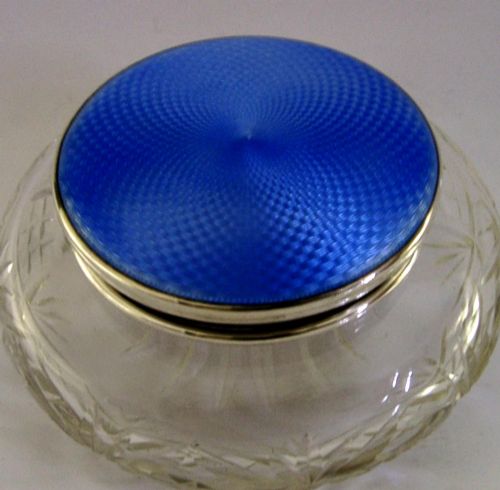
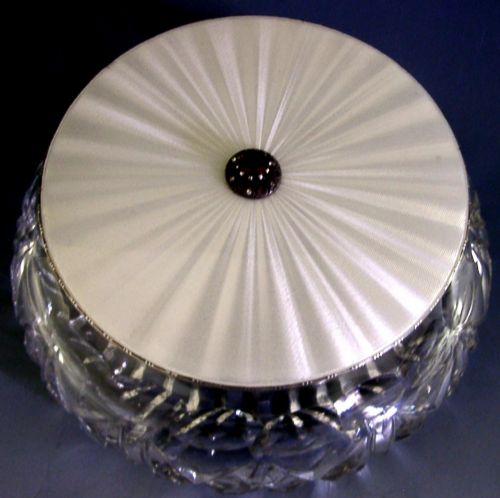
Lids incorporate solid sterling silver, silver plate, and occasionally glass, frequently enhanced with coloured enamel, guilloche patterns, or inlaid tortoiseshell. Metal components often bear hallmarks indicating assay offices in cities such as Birmingham, London, and Sheffield alongside specific production years.
Listings feature items spanning the 19th century through the Art Deco era, incorporating tortoiseshell, enamel, and sterling silver.
Distinctions in standard
Quality rests in the crispness of the glass cutting and the weight of the crystal body. Superior examples display deep, sharp facets and hand-engraved detailing rather than soft, shallow moulding.
The metal mount provides a second indicator of standard, where thick gauge sterling silver, intricate repoussé work, or well-preserved enamel elevate an object. The precision with which the lid fits the glass collar completes the evaluation.
Asprey and Co·Hasset and Harper·Adie Brothers·Baccarat
The Cut Glass Jar Lid Glossary
- Lead crystal
- Glass containing metal oxide to increase weight, refractive index, and clarity. This material allows deep, sharp facet cutting.
- Guilloche enamel
- Decorative metal surface covered with translucent enamel over a mechanically engraved geometric pattern. It appears frequently on twentieth-century pieces.
- Panel cut
- Geometric facet cutting applied to the sides of glass vessels to create flat, reflective planes. It is a common feature on Victorian vanity items.
- Repousse
- Metalworking technique where the design is hammered into relief from the reverse side. This method creates raised floral or scroll motifs on silver lids.
- Sweetmeat jar
- A covered glass vessel originally intended for confectionery, nuts, or small preserved fruits. These pieces date across the Georgian and Victorian eras.
Cut Glass Jar Lid: Frequently Asked Questions
What were these jars used for?
These lidded vessels served varied domestic functions, holding items like powder, cream, cologne, and toothpicks on dressing tables. Larger versions sat on dining tables and sideboards to contain biscuits, preserves, or butter.
Their sturdy construction allowed them to protect perishable or fragrant contents from dust and air. Many matched larger vanity sets or tea service collections owned by households of the period.
How do I date a silver lid?
British silver mounts usually carry hallmark stamps that reveal the assay office, standard of metal, and a date letter. These marks are typically stamped near the rim or on the top surface of the metal.
Matching the date letter against official assay office tables provides the exact year of manufacture. The style of the glass and the form of the mounting offer secondary clues to the period.
How should I clean the silver and glass?
Glass bases can be washed in warm soapy water using a soft cloth to clear dust from deep cut facets. Care must be taken around engraved details or attached metal collars.
Silver mounts require a dedicated polishing cloth to avoid transferring paste onto the glass or enamel surfaces. Enamelled and tortoiseshell sections need gentle wiping with a dry or barely damp cloth.
Can I use them for modern storage?
These pots and jars accommodate small modern items such as cotton wool balls, jewellery, or trinkets on a contemporary dressing table. Preserve pots and biscuit barrels function well for dry goods or kitchen display.
Owners should check that historic linings or cements inside metal lids remain stable before exposing them to moisture or food items. Gentle handling ensures the longevity of delicate glass rims and hinges.