
Cut Glass Crystal Drops
Cut glass crystal drops bring light and movement to period interiors, forming the glittering pendants that dress chandeliers, wall lights and mantel lustres.
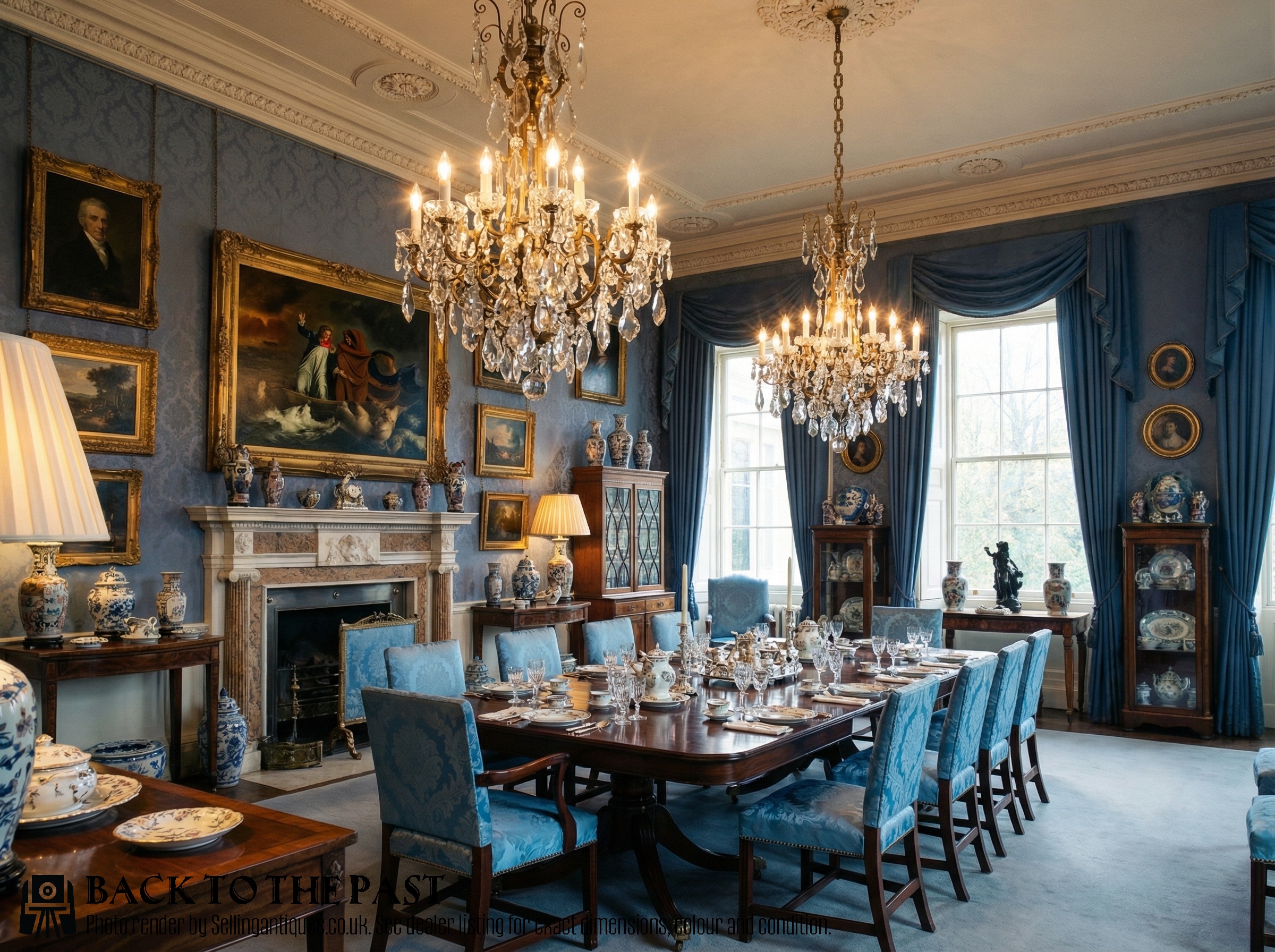
Cut Glass Crystal Drops
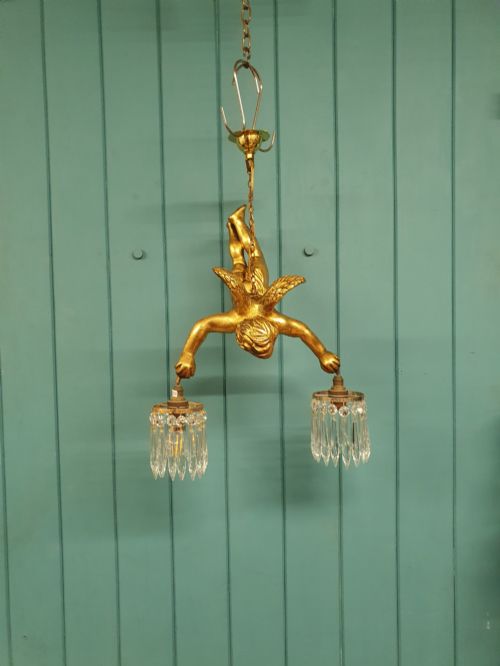
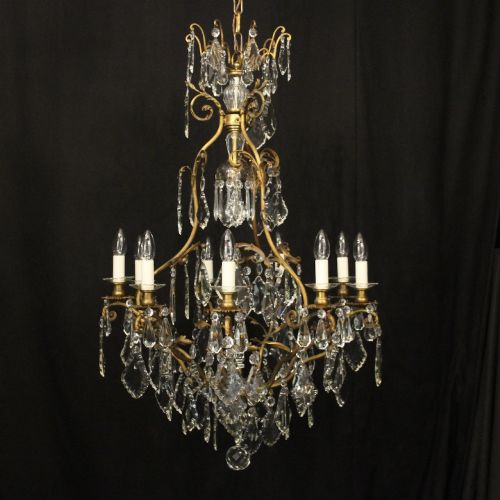
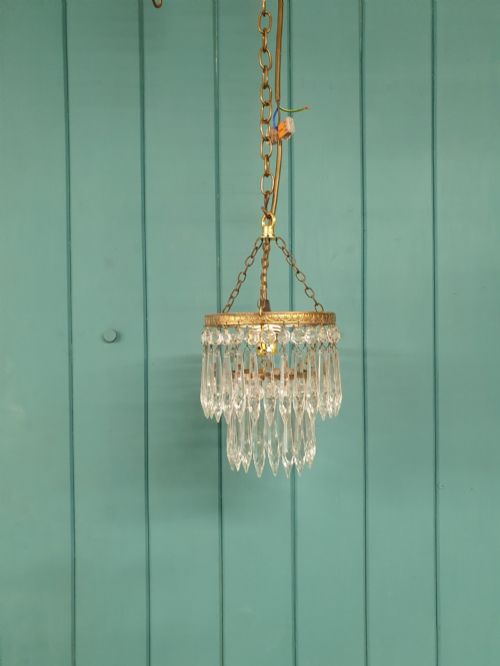
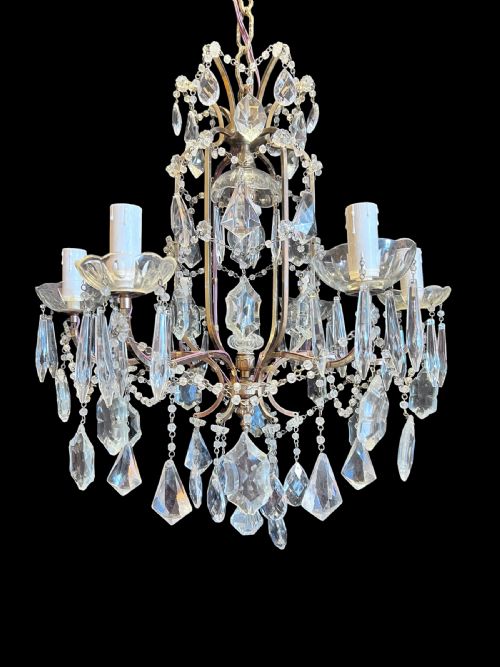
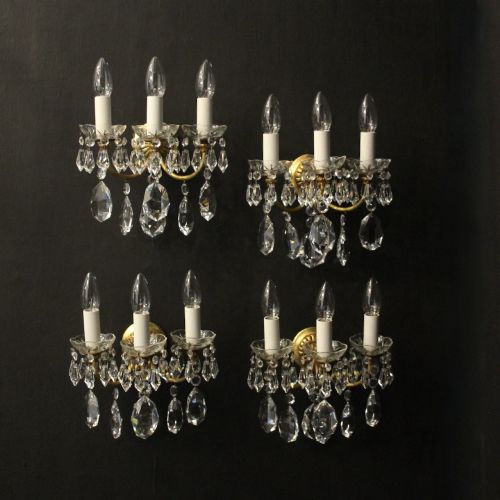
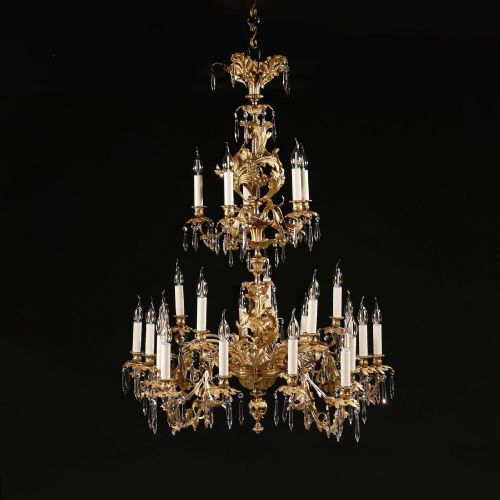
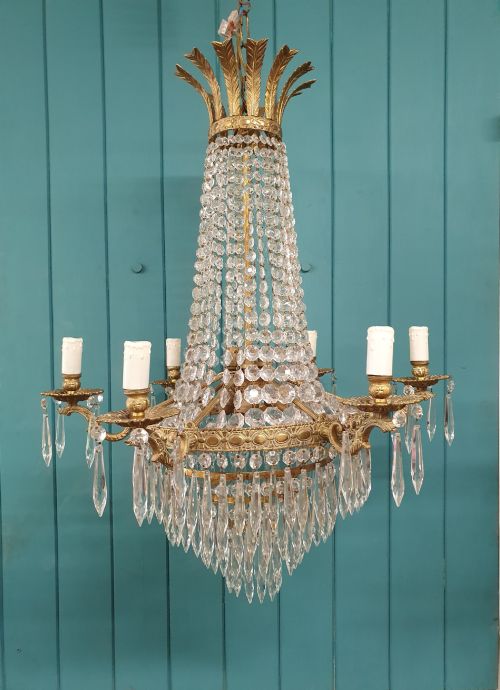
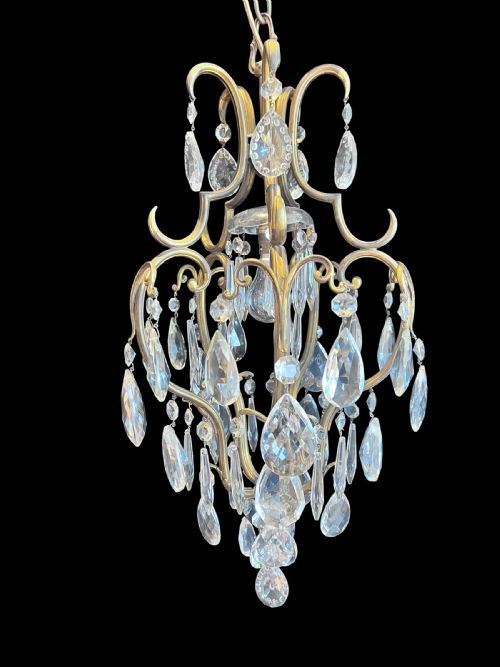
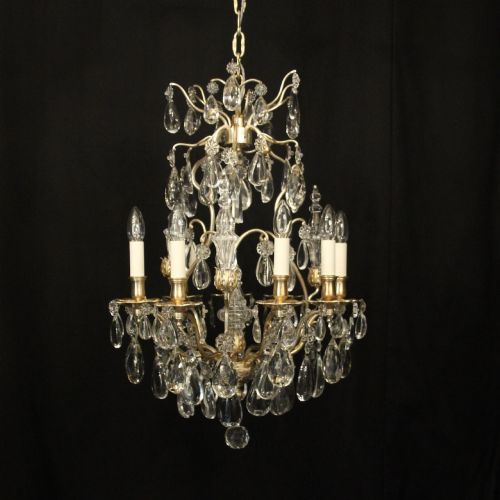
Cut glass crystal drops form the primary decorative components of chandeliers, wall lights, and mantel lustres found across Victorian, Edwardian, and Art Deco periods. When you search for cut glass crystal drops, you encounter individual faceted pendants alongside complete lighting fixtures and mantel ornaments dressed in these prismatic elements.
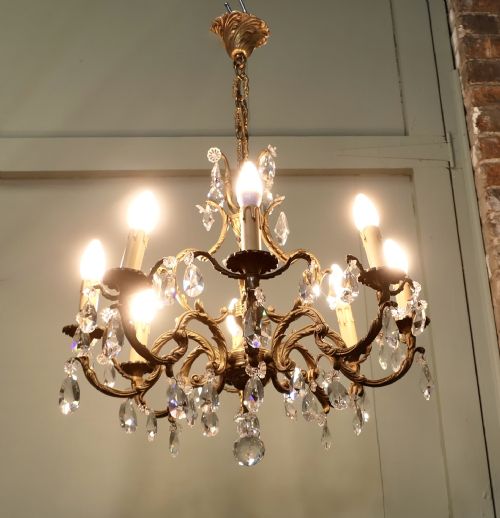
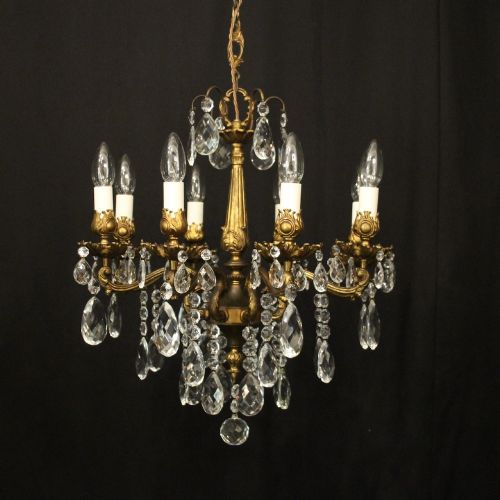
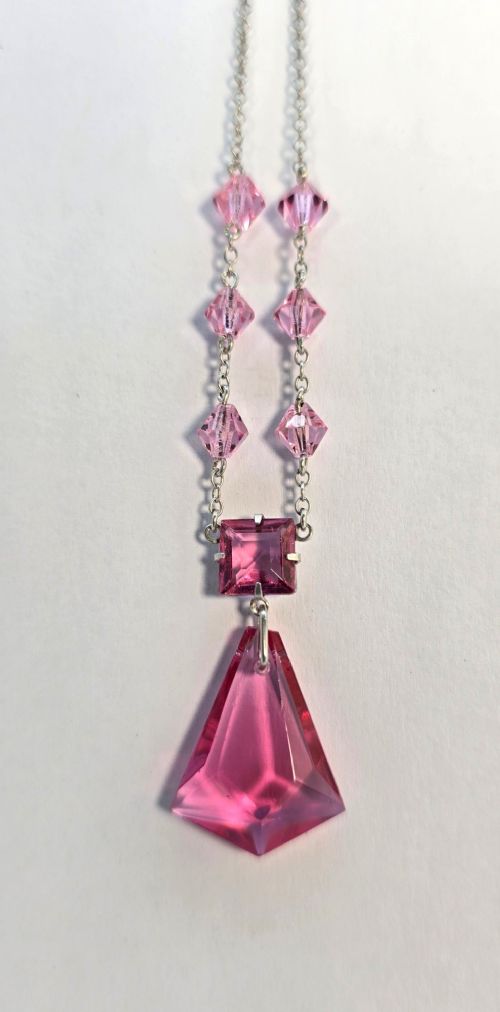
The selections on this page span French basket chandeliers, Italian Marie Theresa fixtures, and English table lustres dating from the nineteenth century into the nineteen-thirties. Smaller components like silver paste earrings and necklaces also appear, demonstrating how these faceted glass forms crossed from interior architecture into personal adornment.
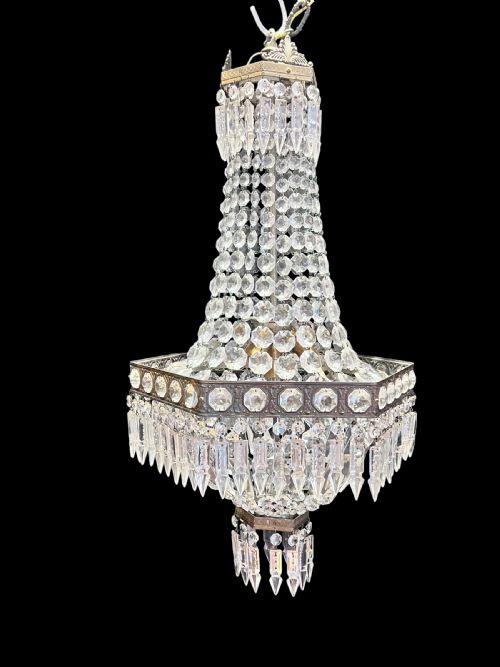
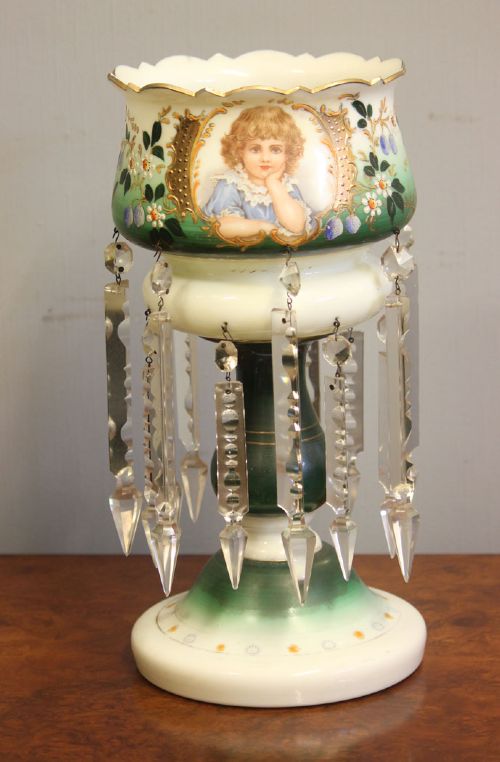
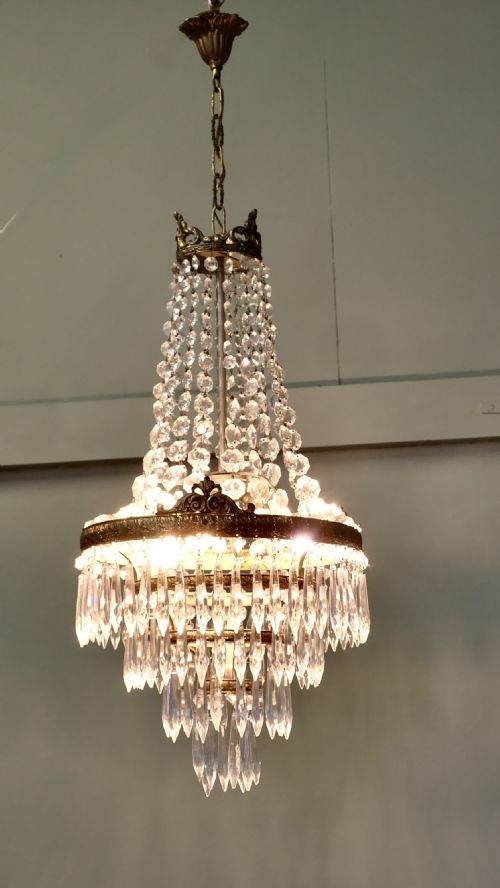
French styles dominate the larger lighting fixtures, often combining gilt brass or bronze frames with tiered crystal drops, tent and bag arrangements, and spike formations. Victorian examples frequently take the form of coloured glass mantel lustres hung with long spear drops, sitting alongside simpler Edwardian prism designs.
How they were made
Glassmakers shaped these drops using lead crystal and soda glass, melting the batch in crucibles before blowing or pressing the material into initial forms. Artisans then utilised iron and stone wheels to grind sharp facets into the surface, scattering light and increasing brilliance.
Metal mounts and frames relied on brass, bronze, and spelter, often gilded to catch the ambient glow from candles or early electric bulbs. Workers wired or pinned the individual crystal drops to these metal structures using brass pins and wire loops, allowing each pendant to sway and catch the light.
Cut Glass Crystal Drops Retail Price Guide 2026
Typical asking prices for cut glass crystal drops among the pieces listed under this phrase on Sellingantiques today, from the lower quarter to the upper quarter. They describe what is for sale here now, not the wider market.
Listings feature items spanning the Victorian, Edwardian, and Art Deco eras, with nineteenth-century pieces sitting alongside nineteen-thirties French chandeliers.
What varies in quality
The clarity and weight of the glass dictate the visual depth of individual drops, with higher grade lead crystal offering heavier substance and crisper light refraction. Hand-cut facets show slight variations in alignment under close inspection, contrasting with the uniform regularity of later machine-pressed alternatives.
The metalwork supporting the drops establishes the structural integrity of each piece, from heavy cast gilt bronze frames to lighter stamped brass mounts. Complete assemblages retain their original matching drops, whereas mismatched or replacement pendants alter the overall harmony of a chandelier or lustre.
The Cut Glass Crystal Drops Glossary
- Lustre
- A decorative mantel ornament featuring a central vase or pedestal hung with long crystal drops. These pieces gained popularity during the Victorian era and often incorporate coloured glass bodies.
- Bag chandelier
- A lighting fixture featuring a flattened bag or basket shape formed from dense rows of small crystal drops suspended beneath a metal ring. This style gained favour in French interiors during the early twentieth century.
- Tent chandelier
- A lighting fixture characterised by an upper canopy of concentric glass beads or drops gathered into a tent shape above the main body of the lights. These designs direct the eye upward toward the ceiling mount.
- Spelter
- An alloy of zinc and lead utilised as a less expensive alternative to bronze for casting decorative figures and lamp bases. It often receives a gilt or bronze finish to mimic richer metals.
- Silver paste
- Hand-cut lead glass facets set into metal backings to imitate gemstones in jewellery. This material appears frequently in nineteenth-century earrings and decorative necklaces.
Cut Glass Crystal Drops: Frequently Asked Questions
How do I clean antique crystal drops?
Wash each drop individually by hand using warm water and a mild washing-up liquid, supporting the weight of the glass to prevent strain on the old wire bindings. Dry every pendant immediately with a soft lint-free cloth to restore maximum sparkle before reattaching it to the fixture.
Avoid submerging entire chandeliers or lustres in liquid, as moisture can damage internal wiring or corrode historic brass and gilt mounts. Clean the fixed metal framework separately with a dry brush or a barely damp cloth.
Were these drops always part of chandeliers?
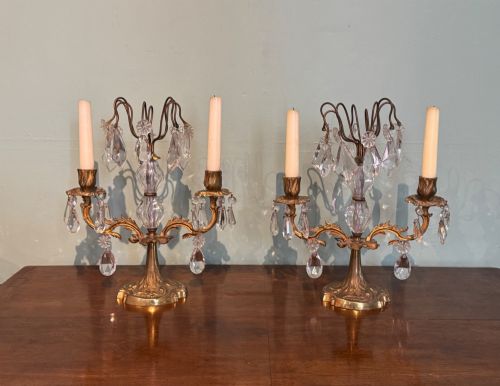
Crystal drops served multiple functions across the nineteenth and twentieth centuries, appearing on wall lights, candlelabra, and tabletop mantel lustres as well as grand chandeliers. Smaller faceted drops also found use in personal jewellery like necklaces and earrings.
Lighting fixtures often combined drops with glass beads and prisms to maximise the candlepower of early rooms. Over decades of use, individual drops sometimes migrated between fixtures or found new life in decorative displays.
How do I date a crystal drop chandelier?
Examine the metal frame, wiring methods, and the cut of the glass drops to establish a manufacturing window. Victorian pieces often feature heavy brass or uranium glass elements with hand-cut spear pendants, while nineteen-thirties pieces lean toward streamlined bag designs and Art Deco crystal necklaces.
Look at the pins and wire fixings holding the drops to the frame, as hand-twisted brass wire points towards earlier nineteenth-century production. Machine-stamped connections and standardised screw threads generally indicate Edwardian or later twentieth-century origins.
Can I replace missing crystal drops?
Sourcing matching replacement drops requires careful measurement of the length, thickness, and facet pattern of surviving pendants on your fixture. Antique salvage yards and specialist dealers stock vintage crystal drops from matching periods to maintain historical consistency.
Avoid using modern machine-cut crystal alongside nineteenth-century hand-cut drops, as the sharpness and refractive index will clash. Matching the glass colour and the shape of the top drilling hole ensures the new pendant hangs correctly.