




Cut Glass Container
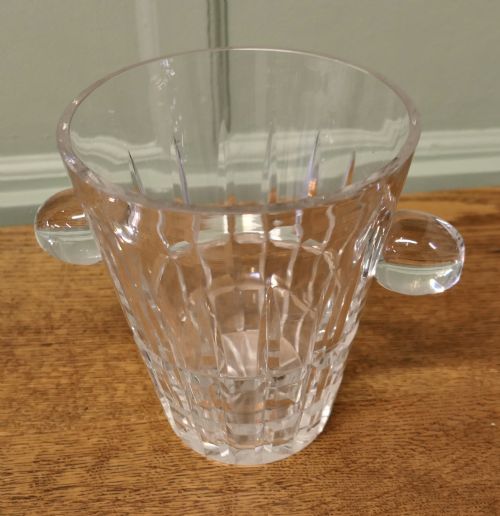
A cut glass container brings genuine weight and sparkle to a room, functioning as a practical vessel for biscuits, trinkets or ice.
Cut Glass Container
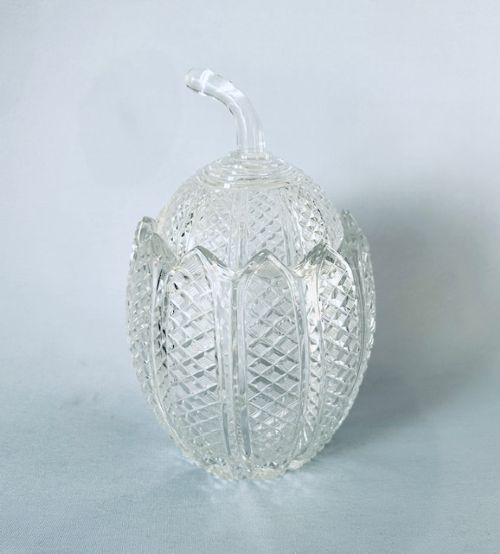
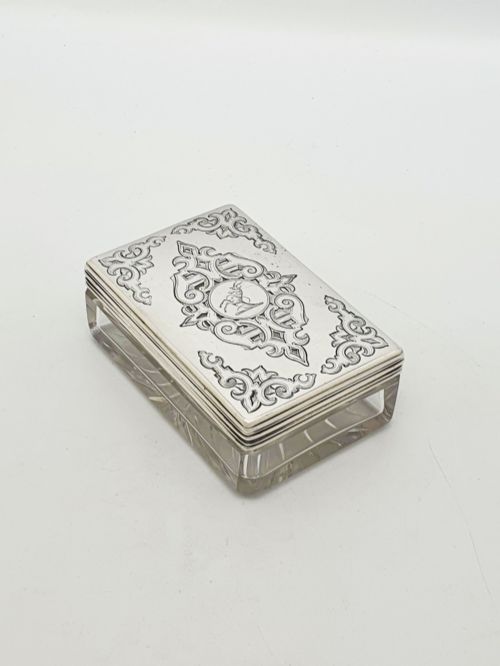
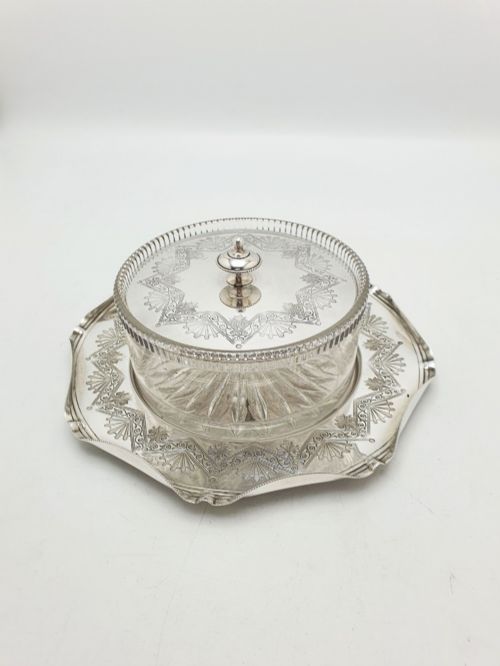
A cut glass container encompasses practical and decorative vessels ranging from biscuit barrels and ice buckets to vanity jars and trinket boxes. When exploring this selection, buyers encounter diverse forms shaped across the Victorian, Edwardian, and Art Deco periods, alongside Georgian examples.
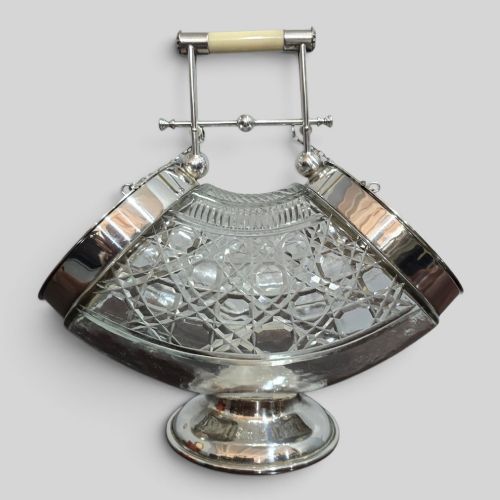
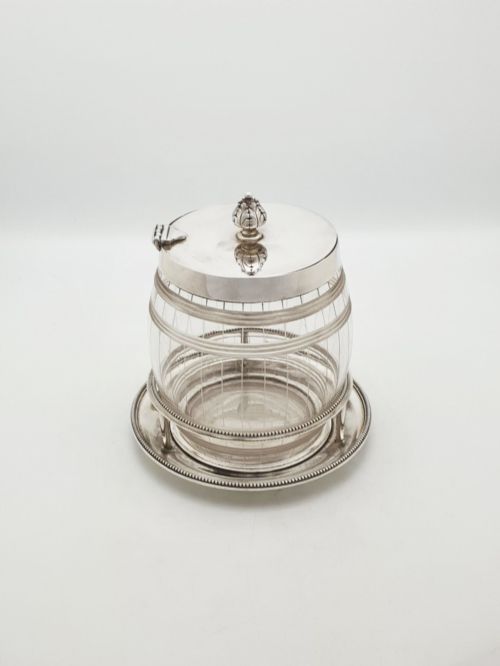
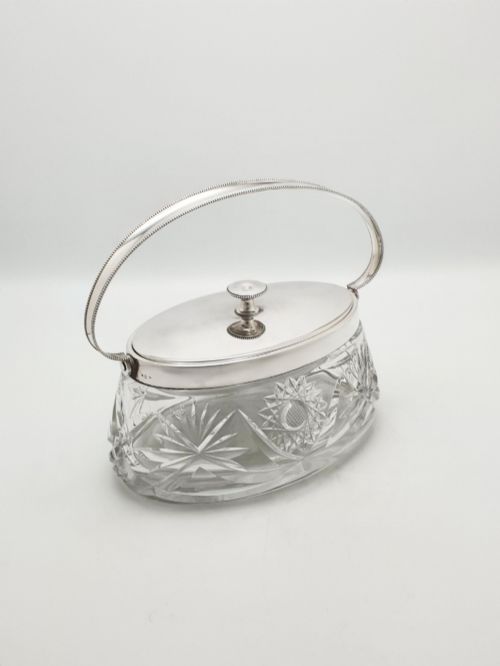
The most common vessels met on this page include heavy biscuit barrels and lidded vanity jars, frequently paired with sterling silver or silver-plated mounts. These pieces combine utilitarian function with ornate craftsmanship, serving as both storage and display items.
How they were made
These items combine heavy glass bodies with metalwork components such as sterling silver, silver plate, and enamel mounts. Glassmakers formed vessels through cutting and faceting techniques, producing hobnail patterns and clear linear designs.
Metal mountings, lids, and swing handles were securely attached to the glass rims, often bearing hallmarks from assay offices like Birmingham and Sheffield. Artisans also incorporated organic materials such as tortoiseshell beneath silver tracery on vanity boxes.
Some Victorian biscuit barrels hide a fierce heraldic dragon finial guarding the biscuits inside.
What varies in quality
The depth and precision of the glass cutting distinguish standard items from finer pieces, where sharp, crisp facets catch the light cleanly. Heavy lead crystal and thick-walled vessels provide a superior tactile weight and acoustic ring compared to lighter, pressed glass alternatives.
The quality of the metal mounts and the presence of fully articulated maker marks, such as those by recognised silversmith firms, elevate a piece. Engraved heraldic details, sturdy silver-plated stands, and intact guilloche enamel add further distinction to the overall manufacture.
Elkington·Mappin and Webb·James Dixon and Sons
The Cut Glass Container Glossary
- Hobnail cut
- A raised, diamond-shaped pattern carved into the surface of the glass. This technique creates a heavily textured finish that feels distinct to the touch.
- Guilloche enamel
- Decorative metalwork featuring intricate, engine-turned geometric patterns beneath a translucent coloured enamel layer. It frequently appears on vanity jar lids from the Art Deco period.
- Biscuit barrel
- A lidded container designed specifically for holding dry biscuits at the dining table. They typically feature a swing handle and a ceramic or glass body with silver mountings.
- Vanity jar
- A small lidded container intended for dressing table accessories such as creams, pins, or powder. These often combine cut crystal bases with hallmarked silver or tortoiseshell lids.
Cut Glass Container: Frequently Asked Questions
What were cut glass containers used for?
These vessels served various domestic purposes, from storing biscuits and ice to holding vanity items, trinkets, and tea.
Larger lidded barrels sat on dining tables while smaller jars adorned dressing tables and sideboards.
How do I identify an Edwardian piece?
Edwardian items often display refined sterling silver mounts paired with bright cut crystal and lighter proportions than their Victorian predecessors.
Assay office date letters stamped on the silver components provide precise verification of the manufacturing year.
Are the metal mounts solid silver?
Mounts vary between solid sterling silver, silver plate, and Dutch silver, depending on the maker and the intended luxury tier of the object.
Full hallmarks stamped into the metal distinguish solid silver pieces from plated alternatives.
How should I clean my glass container?
Wash the glass gently in warm soapy water using a soft cloth, avoiding harsh abrasives that might scratch the surface.
Keep silver and enamel mounts dry and polish the metal separately with a dedicated silver cloth.