





Cut Crystal Pot
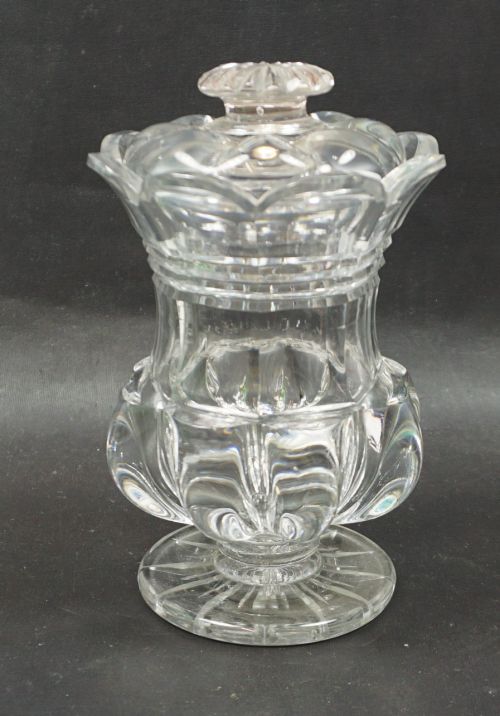
A cut crystal pot brings heavy refractory sparkle and polished metal trim to dressing tables and desks across the centuries.
Cut Crystal Pot
A cut crystal pot serves multiple roles across domestic interiors, appearing most frequently as a vanity jar, trinket box, inkwell, or condiment container. The pieces gathered under this phrase span from Georgian butter dishes and Regency cruets to Edwardian dressing table jars and Art Deco boxes.
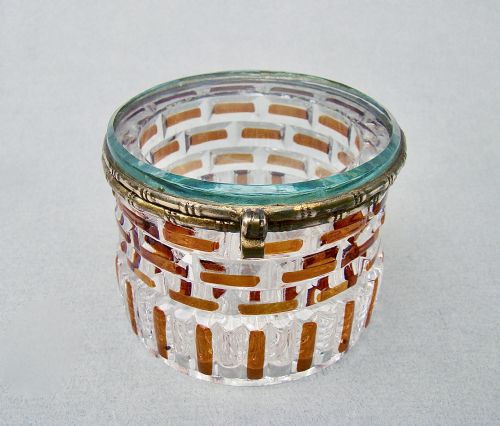
The form combines a heavy glass body with fitted metal mounts. Lids and collars in sterling silver, silver plate, and occasionally enamel or tortoiseshell secure the glass vessels while adding structural weight and decorative contrast.
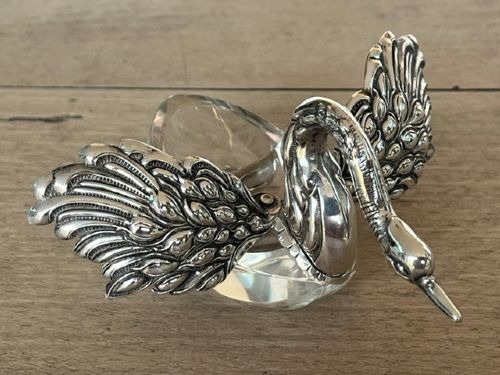
Makers adapted these vessels for specific uses, from desktop ink pots to hinged heart-shaped boxes and divided swan salt cellars. Buyers encounter diverse periods including Victorian, Edwardian, and Art Deco designs alongside earlier Georgian examples.
How they were made
The glass bodies rely on lead crystal or cut glass blanks shaped through blowing or pressing before artisans applied wheel-cut facets, flutes, and geometric patterns. This heavy cutting gives the material its characteristic refractive brilliance and structural heft.
Metal components utilise sterling silver and silver plate, often worked with hallmarks, chased borders, or applied blue enamel details. Craftsmen fitted these mounts precisely to the glass rims, securing hinges and screw threads to withstand daily handling.
Cut Crystal Pot Retail Price Guide 2026
Typical asking prices for cut crystal pot among the pieces listed under this phrase on Sellingantiques today, from the lower quarter to the upper quarter. They describe what is for sale here now, not the wider market.
Materials recorded across the inventory include lead crystal, sterling silver, silver plate, glass, enamel, and tortoiseshell.
What varies in quality
Quality rests upon the crispness of the glass cutting and the thickness of the crystal blank. Sharp, deep facets and unblemished surfaces distinguish superior vessels from simpler pressed glass alternatives.
The substance and detailing of the metal mounts dictate the overall standard of the piece. Heavy gauge sterling silver with legible hallmarks and intact enamel or tortoiseshell elements elevates a utility container into a luxury accessory.
Asprey & Co.·Tiffany & Co·Jonathan Douglas
The Cut Crystal Pot Glossary
- Lead crystal
- Glass containing metal oxides that increase weight, clarity, and light refraction. This high-density material allows for deeper and sharper facet cutting than standard soda-lime glass.
- Cruet set
- A collection of small glass bottles or pots mounted in a frame for holding condiments at the table. These sets typically incorporate silver or plated hardware.
- Trinket box
- A lidded receptacle designed for storing small personal items on a dressing table. Examples often feature hinged silver lids and faceted crystal bases.
- Inkwell
- A specialised desktop container designed to hold liquid ink for writing. They frequently combine heavy glass bases with hinged metal collars to prevent evaporation.
Cut Crystal Pot: Frequently Asked Questions
What are cut crystal pots used for?
These vessels serve as decorative containers for dressing table cosmetics, desktop ink supplies, and dining table condiments. Their fitted lids protect the contents while displaying decorative metalwork.
They function equally well as standalone display pieces on desks, dressing tables, and sideboards, combining utility with decorative presence.
How do I identify the period of a piece?
Dating relies on stylistic markers combined with metal hallmarks stamped onto the silver mounts. Georgian and Regency pieces often show simpler functional forms, while Victorian and Edwardian examples feature elaborate cut patterns and heavy silver lids.
Art Deco items display geometric symmetry and coloured enamel accents typical of the 1920s and 1930s. Hallmarks provide exact assay office marks and date letters for silver components.
Are the metal lids always silver?
Metal components vary across the inventory between solid sterling silver and silver plate. Many pieces carry British hallmarks indicating the silver standard and year of manufacture.
Other variants incorporate brass frames, silver plate, or coloured enamel and tortoiseshell panels set into the metal framework.
How should I care for cut crystal pots?
Maintenance requires gentle cleaning with warm soapy water and soft cloths to preserve the clarity of the glass. Harsh abrasives can scratch both the crystal surface and softer metals like silver.
Silver mounts benefit from occasional polishing with appropriate cloths while avoiding contact between polish and the glass surface.