


Cut Crystal Box
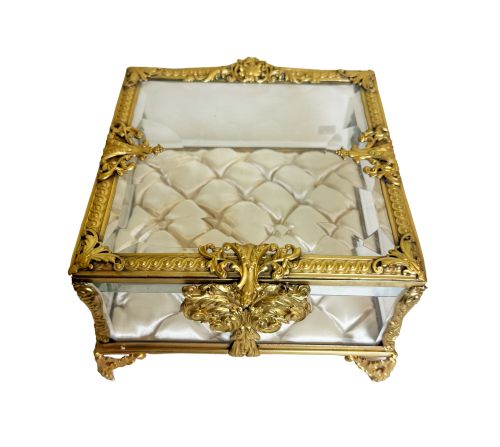
A cut crystal box combines heavy, light-refracting glass with metal mounts to secure dressing table items, trinkets, and desktop goods.
Cut Crystal Box
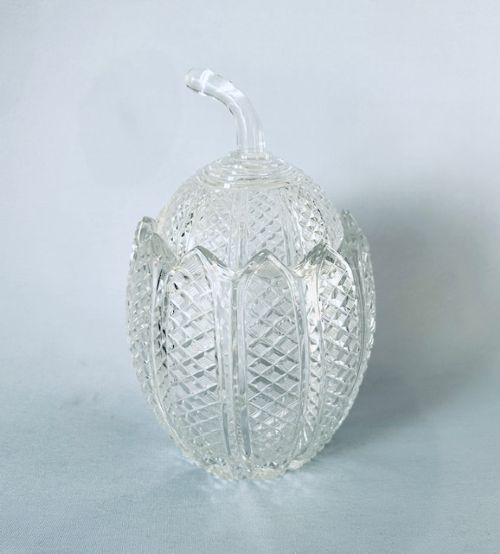
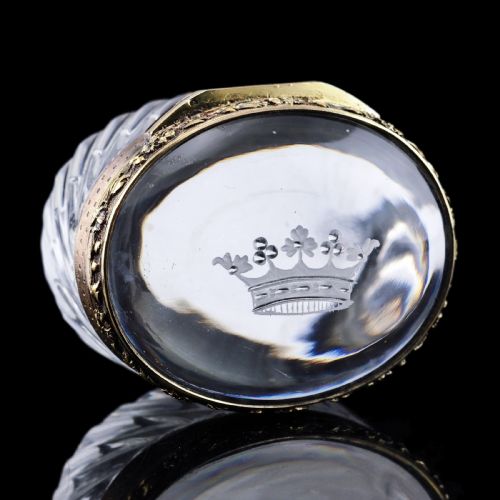
A cut crystal box serves various domestic functions, appearing on dressing tables as vanity jars, on desks as stamp and postage boxes, and in bedrooms as jewellery caskets. These vessels span from the Georgian and Victorian eras through the Edwardian period and into Art Deco designs of the 1930s.
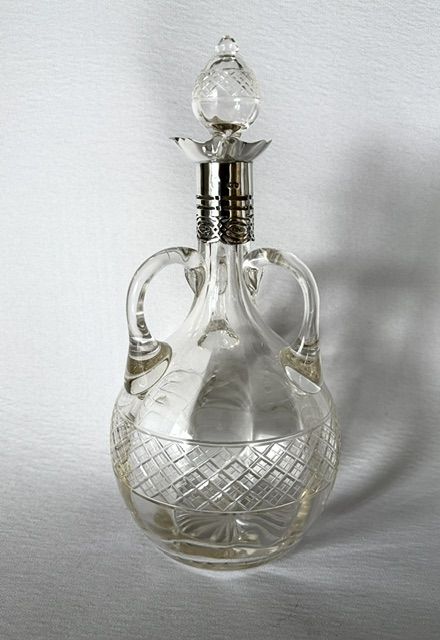
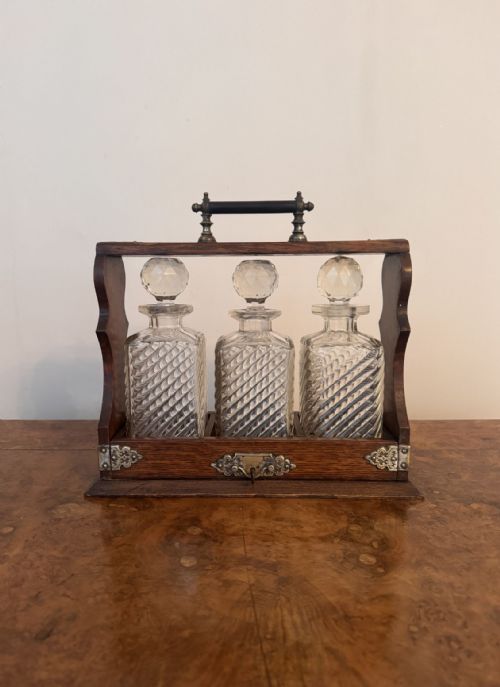
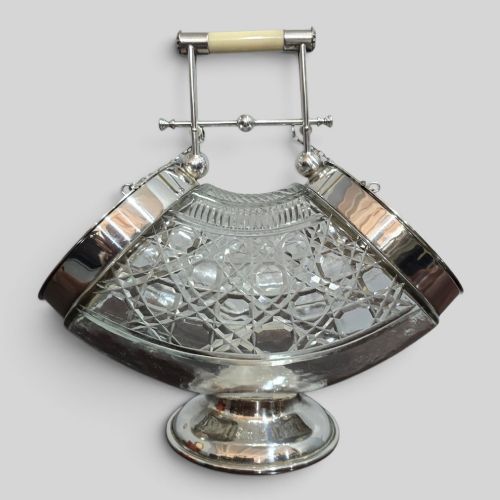
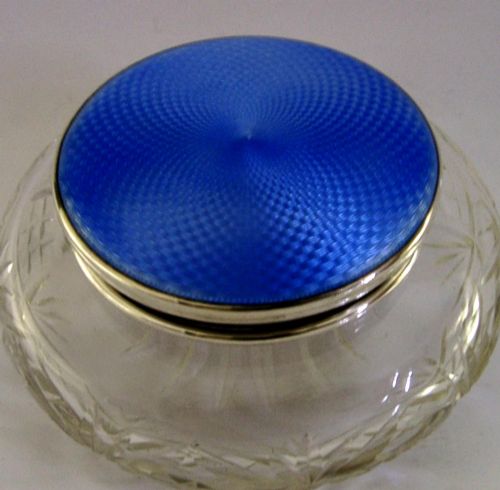
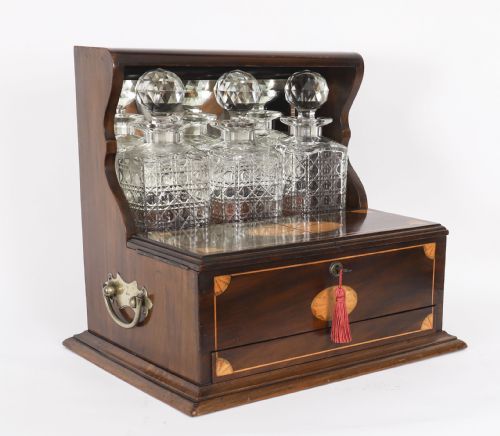
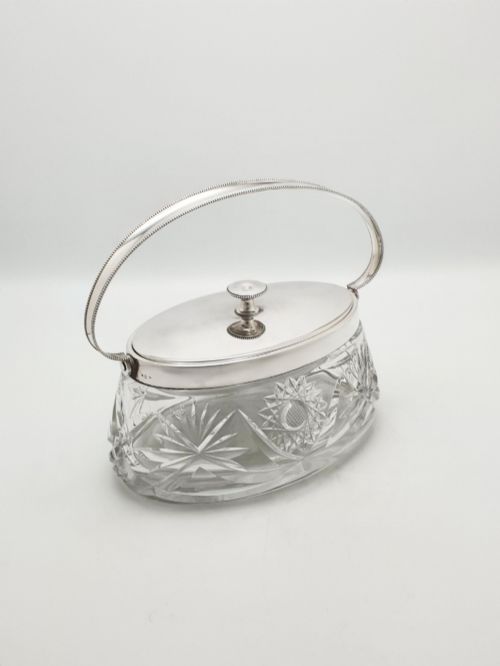
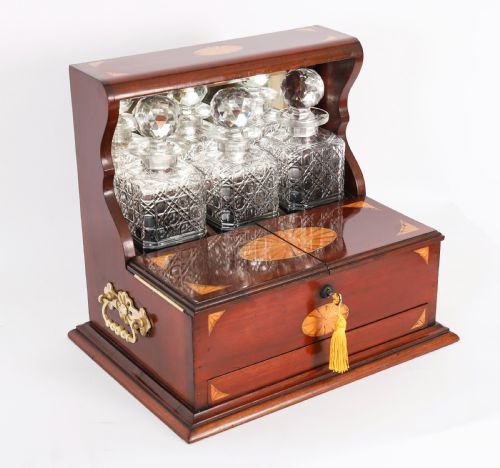
The assortment includes hinged trinket boxes, lidded powder bowls, and heavier mounted caskets framed in brass, ormolu, or silver. Makers also applied the cut crystal medium to larger containers like biscuit barrels and tantalus sets alongside the smaller boxes.
Materials and Working Techniques
Craftsmen shaped the vessels from heavy lead crystal or glass, cutting geometric patterns into the surface with rotating wheels to create deep facets, hobnails, and linear designs that refract light.
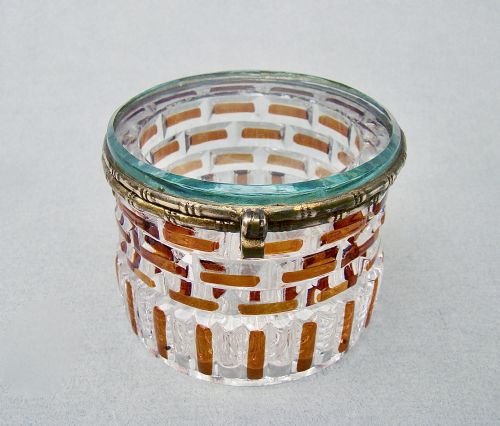
Metal mounts, hinges, and bezels in sterling silver, silver plate, brass, or gilded bronze were cast and fitted precisely to the glass rims, frequently incorporating locks or decorative finials.
Listings feature cut crystal boxes mounted in sterling silver, silver plate, brass, ormolu, and coromandel wood across the Georgian, Victorian, and Edwardian periods.
Standards of Execution and Finish
Quality rests in the crispness of the glass cutting and the weight of the crystal body, where sharper, deeper facets reflect more light than shallow, rounded impressions.
The standard is further defined by the fit and gauge of the metal mounts, ensuring that silver or ormolu frames align flush with the glass edges and operate smoothly on their hinges.
William Rudkins·Posen of Frankfurt and Berlin·Walker and Hall·Jonathan Douglas·Philip Ashberry·David Anderson·Cooper Brothers·James Dixon·Martin Hall and Co·Hukin and Heath
The Cut Crystal Box Glossary
- Hobnail cut
- A raised, faceted glass pattern resembling the hobnails on heavy boots. It creates intense light refraction across the surface of the box.
- Ormolu
- Gilded bronze or brass mounts applied to the edges and feet of boxes. This technique was popular in French decorative objects.
- Guilloche enamel
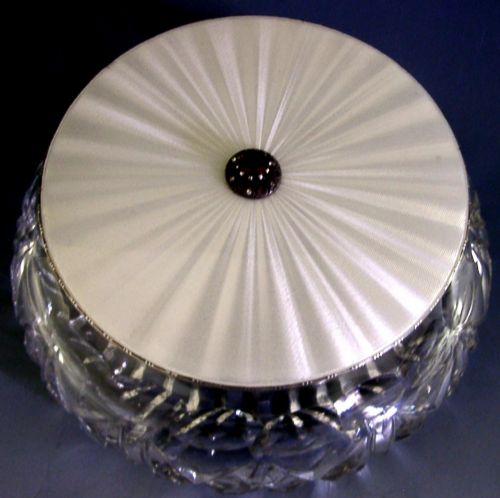
- Decorative engine-turned metalwork covered with a translucent coloured enamel layer. It frequently appears on the lids of Edwardian and Art Deco jars.
- Tantalus
- A locking wooden frame holding decanters or bottles behind a security bar. It allows the contents to be seen while preventing unauthorised access.
Cut Crystal Box: Frequently Asked Questions
How do I date a cut crystal box?
Dating relies on a combination of the glass cutting style, the metal hallmarks, and the manufacturing techniques of the mountings. Georgian and early Victorian pieces often feature heavier, hand-cut facets and simpler sterling mounts, while later Edwardian and Art Deco examples introduce machine-turned enamel lids and lighter frames.
Assay office marks and maker's stamps on the silver components provide precise years of production for many lidded boxes. Examining the interior lining and hinge construction also helps establish the correct period.
What were small crystal boxes used for?
Small lidded vessels served specific domestic and personal tasks on Victorian and Edwardian dressing tables and writing desks. They held stamps, collar studs, pins, powder, and delicate rings safely out of sight.
Larger variations functioned as vanity jars for cosmetics or secure caskets for precious jewellery. Desk sets often included matching compartments for postage stamps with hinged lids.
Are silver mounts marked on these boxes?
British silver mounts usually feature a complete set of hallmarks including the maker's mark, standard mark, assay office town mark, and date letter. Continental silver and plated metal mounts often carry different stamps or simple manufacturer initials.
Checking the rim, bezel, or interior of the lid reveals these stamped indicators of metal purity and origin. Unmarked brass or ormolu mounts require stylistic comparison to date the piece accurately.
How do I clean and maintain cut crystal?
Maintenance requires washing the glass components in lukewarm water with mild soap, avoiding harsh scrubbing brushes that can scratch the crystal or damage metal mounts. Silver and brass sections need gentle polishing with a soft cloth to prevent tarnish accumulation around the delicate glass facets.
Keeping moisture away from antique lined interiors preserves the original velvet, silk, or leather fittings found inside many jewellery caskets.