

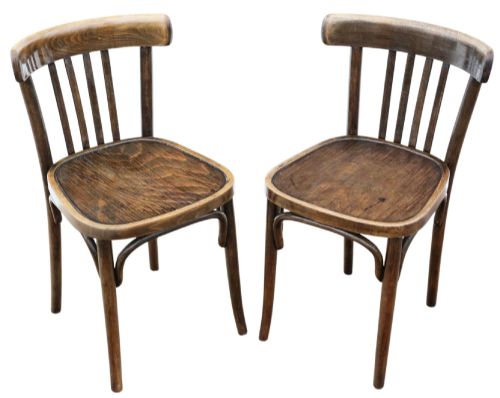
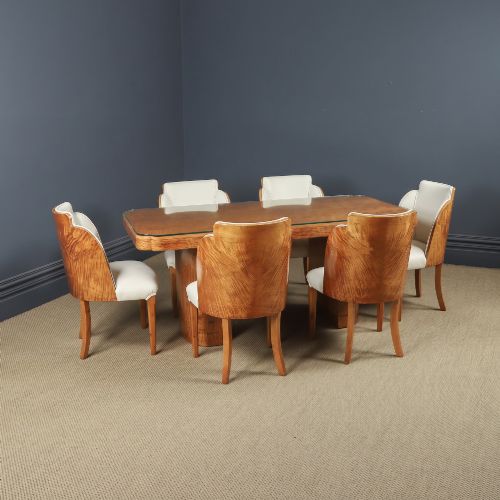
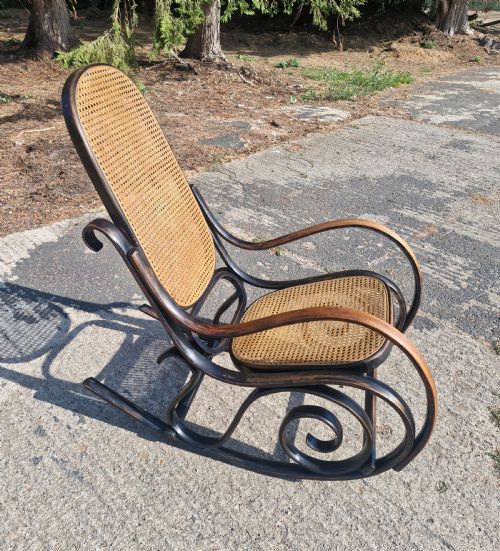
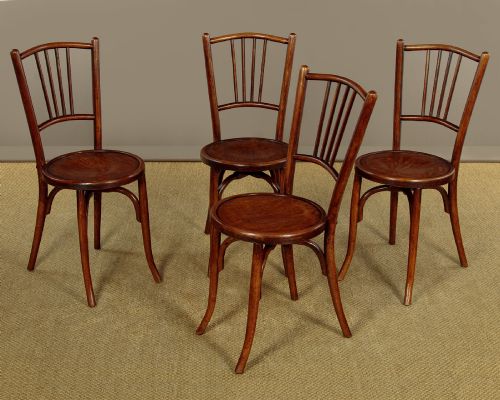
Curved Wood Chairs
Curved wood chairs bring organic warmth to a room, offering ergonomic support through shaped timbers and flowing lines.
Curved Wood Chairs
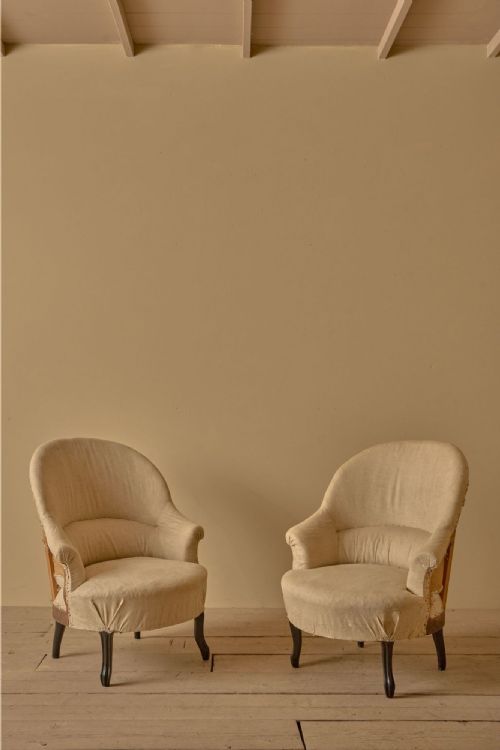
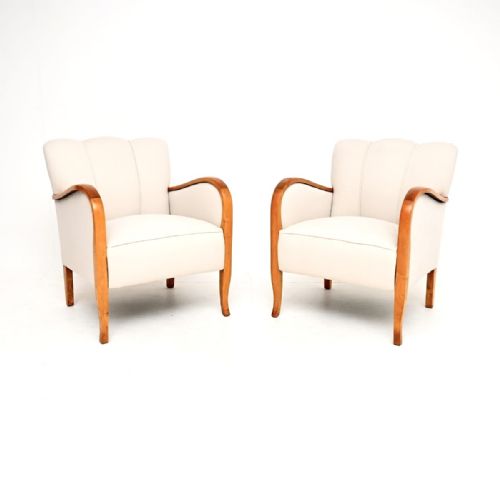
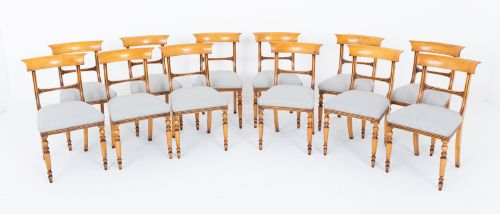
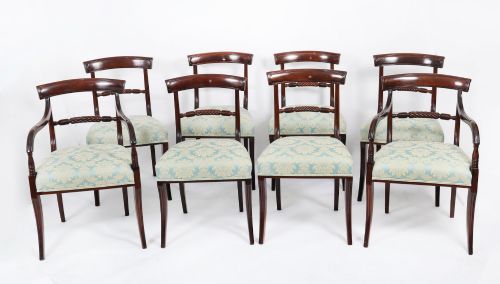
Curved wood chairs encompass a wide variety of seating forms, ranging from dining chairs and desk chairs to robust armchairs and rocking chairs. When exploring curved wood chairs, buyers encounter pieces spanning multiple eras, including Georgian, Victorian, Edwardian, and Art Deco periods.
Dining suites and pairs of armchairs appear alongside individual study and hall seating. The underlying shapes rely on steam-bending techniques or skilled joinery to achieve rounded backs and flowing arms.
Materials and construction
Makers utilised resilient hardwoods such as beech, elm, and mahogany to achieve tight bends without fracturing the grain. Steam-bending allowed artisans to soften timber in heated chambers before clamping the wood into curved metal forms.
Traditional joinery supports these bent frames, utilising mortise and tenon joints to secure seats and backrests. Surfaces often receive finishes of polish, paint, or ebonisation to highlight the natural patterns of the timber.
Curved Wood Chairs Retail Price Guide 2026
Typical asking prices for curved wood chairs among the pieces listed under this phrase on Sellingantiques today, from the lower quarter to the upper quarter. They describe what is for sale here now, not the wider market.
Listings feature curved wood chairs spanning the Georgian, Victorian, Edwardian, and Art Deco eras, constructed from elm, beech, and mahogany.
Assessing quality in curved wood
Quality rests upon the integrity of the timber curves and the tightness of the joinery under daily stress. Superior examples maintain structural symmetry and retain their original finish without excessive timber replacement.
Refined proportions and crisp carving separate standard utilitarian seating from pieces designed for formal reception rooms. The harmony between the bent components and the supporting legs dictates the overall visual balance.
Thonet·Codina·Heals
The Curved Wood Chairs Glossary
- Bentwood
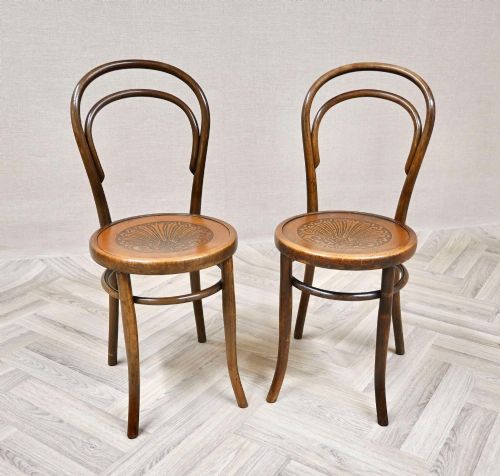
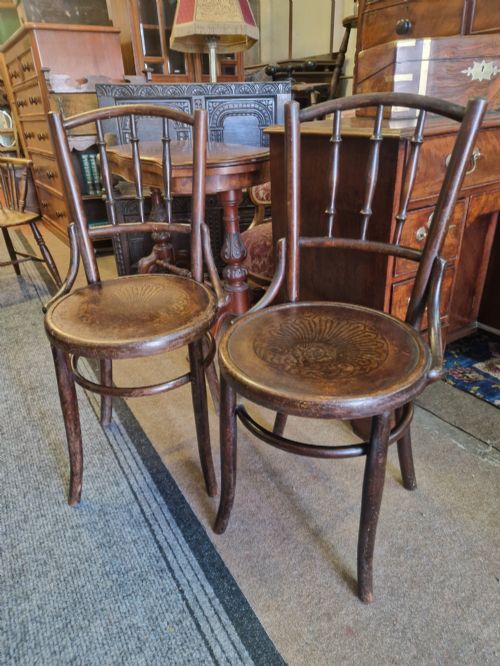
- Wood softened by steam and bent into rounded shapes. This technique defines lightweight bistro chairs and rocking armchairs.
- Horseshoe chair
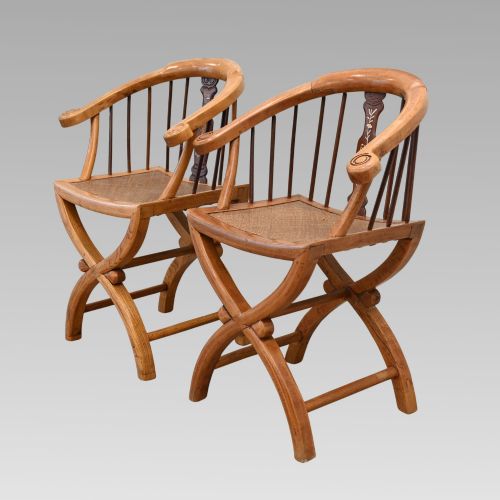
- A seating form featuring a semicircular backrail that sweeps down to form armrests. Traditional Chinese examples often utilise elm or hardwood.
- Tub chair
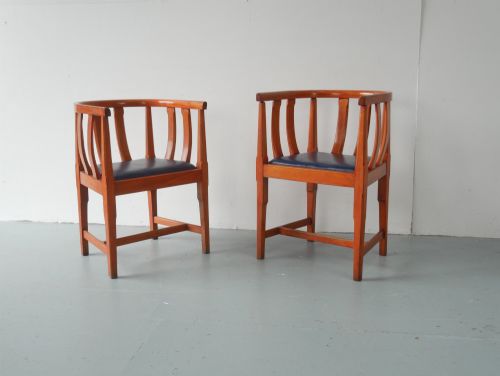
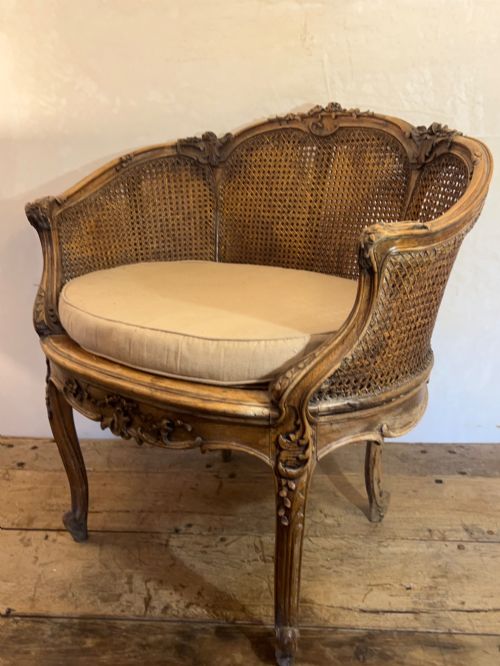
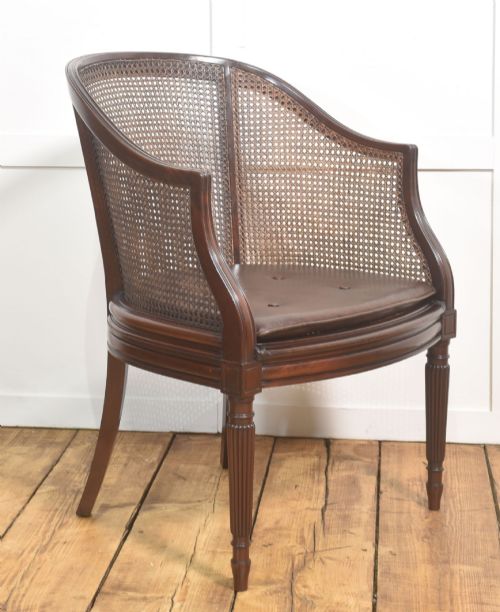
- An upholstered or cane-panelled seat with a rounded enclosing back. The continuous curve provides enveloping support for the user.
- Corbeille
- A French term denoting a basket-shaped curved seat. These pieces typically date from the nineteenth century in various revival styles.
Curved Wood Chairs: Frequently Asked Questions
How do I identify bentwood chairs?
Bentwood chairs rely on solid timber heated with steam and curved into rounded frames. They often feature lightweight, tubular profiles associated with nineteenth and twentieth-century bistro seating.
Makers like Thonet popularised this efficient construction method, creating resilient chairs that combine minimalist wooden frames with cane or wooden seats.
Where do horseshoe chairs originate?
Horseshoe chairs derive from classical Chinese furniture traditions, featuring a continuous curved backrail that supports the arms. They frequently utilise timbers like elm or hardwood.
These chairs suit modern living spaces as sculptural accent seating, pairing clean architectural lines with comfortable rounded supports.
What is a smokers bow chair?
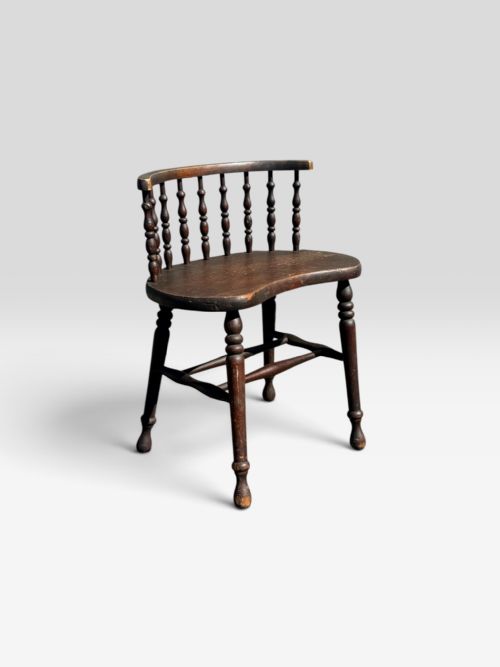
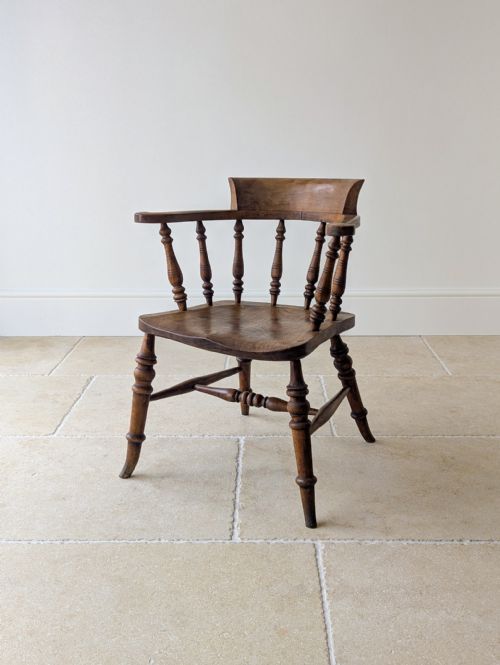
A smokers bow is a nineteenth-century Windsor-style armchair with a low, curved backrail and turned spindles. Elm and beech formed the standard materials for these robust seats.
Originally placed in smoking rooms and studies, they function well today as desk chairs or casual fireside seating due to their sturdy proportions.
How should I care for antique curved wood?
Antique curved wood requires stable indoor humidity levels to prevent timber shrinkage or stress on the glued joints. Regular dusting with a soft cloth maintains the polished surface.
Avoid placing these chairs near direct heat sources or strong sunlight, which can dry out the historic wood and weaken steam-bent components.