





Curved Fireplace Screen
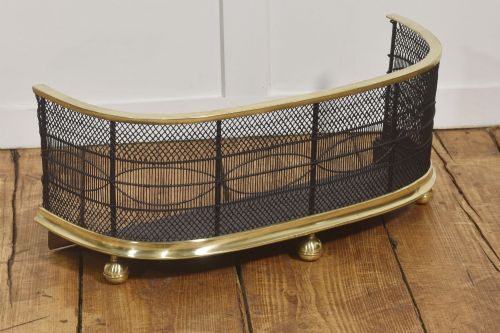
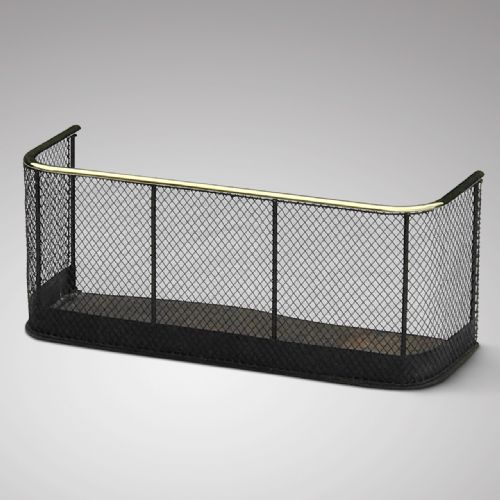
These curved fireplace screen pieces are protective domestic barriers designed to keep stray sparks from rooms, and collectors prize them for their period brass and wirework construction.
Curved Fireplace Screen
A curved fireplace screen search reveals a specialised domestic metalwork grouping encompassing nursery fenders and fire guards from the nineteenth century onward. These pieces function primarily to shield living spaces from hearth sparks while maintaining visible warmth.
Most examples met on this page originate from the Victorian, Edwardian, and Regency periods, alongside pieces dated around nineteen hundred. They frequently combine sturdy frames with fine mesh bodies to balance protection with an open view of the fire.
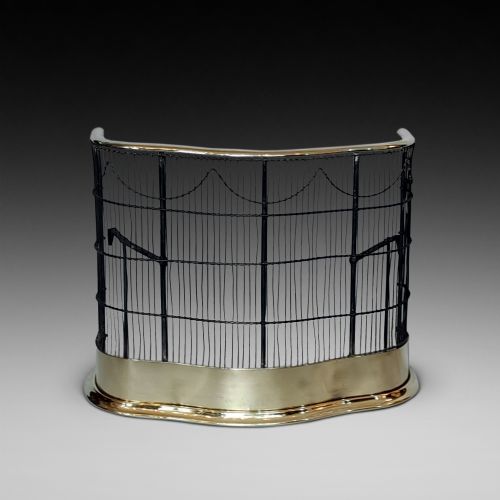
Makers shaped these items into bowed, serpentine, and framed configurations using materials like iron and brass. Buyers encounter functional nursery guards alongside decorative fireplace accessories designed for period interiors.
Materials and construction methods
Artisans constructed these screens utilising brass frames, tubular top rails, and iron wire mesh. The combination provides both structural rigidity and a lightweight barrier for domestic hearths.
Curved Fireplace Screen Retail Price Guide 2026
Typical asking prices for curved fireplace screen among the pieces listed under this phrase on Sellingantiques today, from the lower quarter to the upper quarter. They describe what is for sale here now, not the wider market.
Early nurseries relied on these woven wire guards to keep curious toddlers safely distant from popping coal.
Distinctions in construction and finish
Quality in these items rests on the weight of the brass framing and the tightness of the wire mesh weave. Superior examples display neat joinery at the curves and substantial metal gauges.
Subtleties in finishing, such as polished brass top rails paired with evenly tensioned wirework, separate utilitarian items from finer domestic furnishings. The integration of structural curves demonstrates maker skill.
The Curved Fireplace Screen Glossary
- Nursery fender
- A tall protective barrier placed around a hearth to prevent children and pets from reaching the fire. These surrounds often feature a solid top rail.
- Wire mesh
- A flexible metal web used to contain sparks while permitting heat to enter the room. It forms the main body of many period guards.
- Serpentine
- A gentle undulating curve shape utilised in the design of metal frames and fenders. This contour adds stability and visual interest.
- Top rail
- The uppermost horizontal member of a guard, frequently manufactured from polished brass. It provides a finished edge to the protective structure.
Curved Fireplace Screen: Frequently Asked Questions
What is a curved fireplace screen?
A curved fireplace screen is a protective metal barrier placed in front of an open hearth to stop sparks from entering the room. These items often feature bowed or serpentine frames.
They serve both practical safety functions and decorative roles in period interiors, particularly as nursery fenders designed to protect children.
How do I identify a Victorian screen?
Victorian examples typically combine brass frames with wire mesh or woven iron wire. Look for characteristic nineteenth-century construction methods and brass top rails.
Makers of this era frequently produced bowed or serpentine nursery guards that prioritise durability alongside domestic utility.
What materials were used?
These guards rely on metals like brass, iron, wrought iron, and steel wire. The combination of a solid metal frame with wire mesh is standard.
Polished brass appears frequently on top rails and rims, contrasting with darker iron or wire mesh bodies.
Where were these screens placed?
They stood directly on the floor around fireplace hearths in sitting rooms and nurseries. Their curved shape allowed them to sit snugly against the fireplace opening.
This placement ensured complete coverage against stray embers while remaining easy to reposition for tending the fire.