




Victorian Nursery Fire Guard
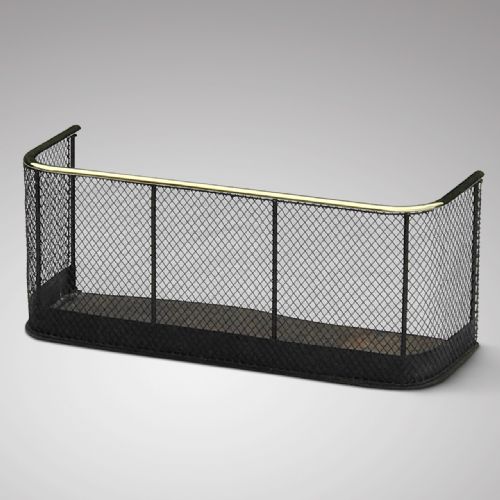
A victorian nursery fire guard is a sturdy barrier designed to keep children safe from open hearths while adding period utility.
Victorian Nursery Fire Guard
A victorian nursery fire guard stands before the hearth to protect children from open flames and hot coals. These pieces span the nineteenth century and the Edwardian era, taking the form of protective fenders and screens.
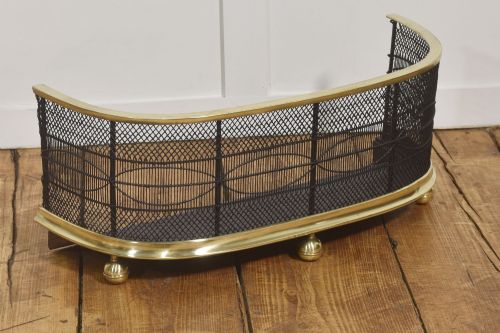
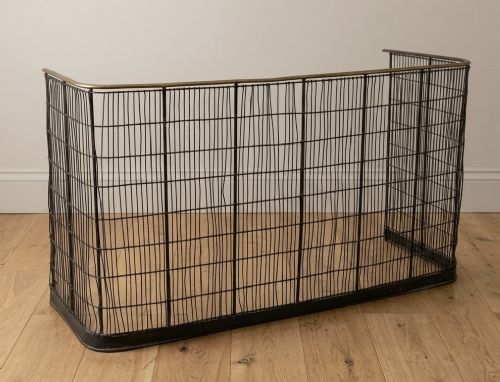
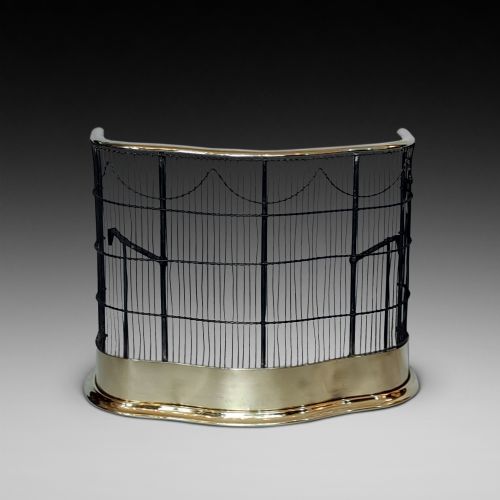
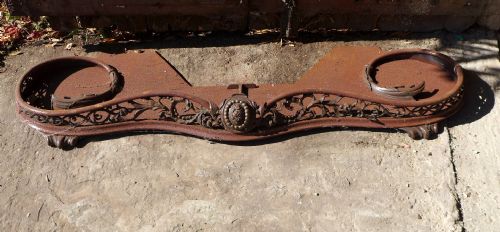
Most examples found here combine low metal frames with tall protective mesh or wirework. They range from petite versions to large curved or serpentine designs featuring brass top rails.
Many items double as club fenders or include clothes rails for drying garments near the warmth of the fire. The predominant styles reflect nineteenth-century domestic life and safety requirements.
What varies in quality
Quality shows in the weight and substance of the metal framework, distinguishing solid cast or wrought iron from lighter wire constructions. Substantial frames provide greater stability around the hearth.
The finish of the brass top rails and the neatness of the woven wire mesh contribute to the refinement of the piece. Fine joinery and heavier gauge wire mark the upper tier of these guards.
Listings feature items constructed from brass, iron, wire mesh, wrought iron, steel, and cast iron across the nineteenth and early twentieth centuries.
The Victorian Nursery Fire Guard Glossary
- Fire guard
- A protective barrier placed around a fireplace to prevent children or pets from getting too close to the fire.
- Fender
- A low metal frame enclosing the hearth area, often combined with wire mesh to form a nursery guard.
- Wire mesh
- A woven metal fabric used in these guards to contain sparks while allowing heat to pass through into the room.
- Club fender
- A low-padded or metal-framed hearth accessory that can double as a seat or a base for a fire guard.
- Serpentine
- A curved, undulating shape found on the front frames of certain fire guards and fenders.
Victorian Nursery Fire Guard: Frequently Asked Questions
What is a victorian nursery fire guard?
A victorian nursery fire guard is a protective metal barrier placed around an open fireplace to keep children away from flames and hot coals. They typically combine a sturdy metal frame with fine wire mesh.
These pieces date from the nineteenth century and Edwardian period, often featuring brass top rails and sometimes incorporating clothes rails or fender bases.
How do I style a fire guard at home?
Place the guard directly in front of the fireplace hearth to anchor the room with period character. The combination of brass and iron complements both working hearths and empty decorative fireplaces.
Ensure the dimensions match your hearth space, noting that some designs feature curved or serpentine shapes that project further into the room.
What materials were used?
Makers relied primarily on brass, iron, wrought iron, and steel for the structural frames and top rails. Woven iron wire and steel wire mesh formed the protective panels.
Combinations of brass and iron are particularly common, giving a contrast between polished metal rails and darker mesh screens.
Are these guards adjustable or folding?
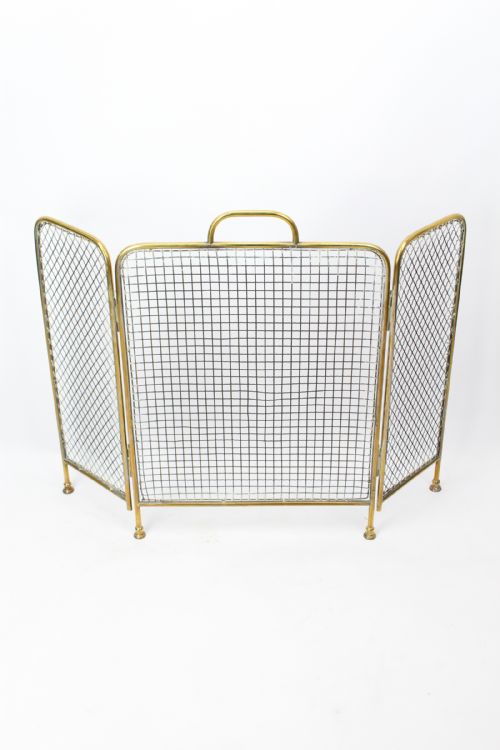
Certain examples are designed as folding brass fire guards, allowing them to be angled or stored more easily when not in use. Most traditional nursery fenders and guards remain rigid for stability.
Check the specific form of the piece, as some double as club fenders or include integrated rails for drying clothes.