




Curiosities and Specimens
Curiosities and specimens offer a tangible link to natural history, medicine, and exploration, prized for bringing the unusual into domestic interiors.
Curiosities and Specimens
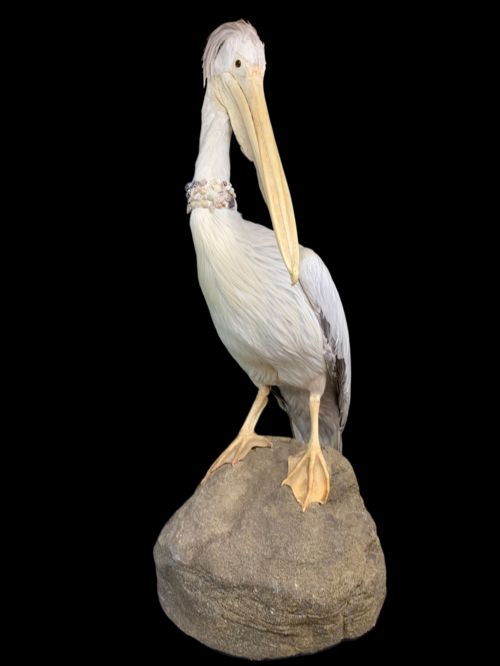
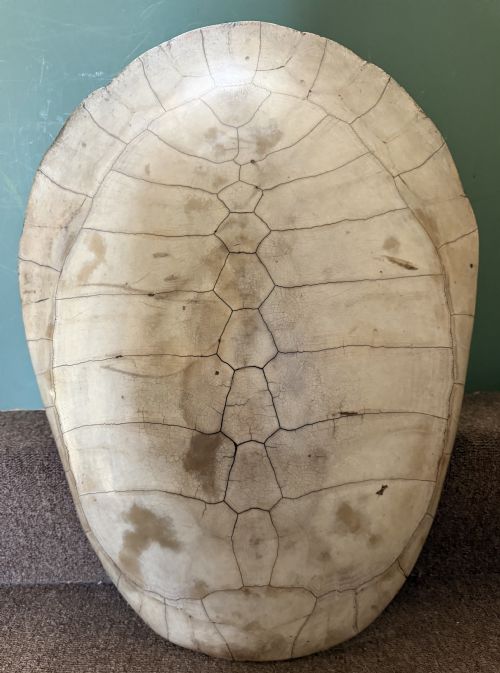
When you search for curiosities and specimens, you encounter eclectic objects gathered from the natural world and scientific disciplines, spanning taxidermy, osteology, and fossilised remains. These pieces range from framed butterflies and botanical teaching models to large turtle shells and geological specimens.
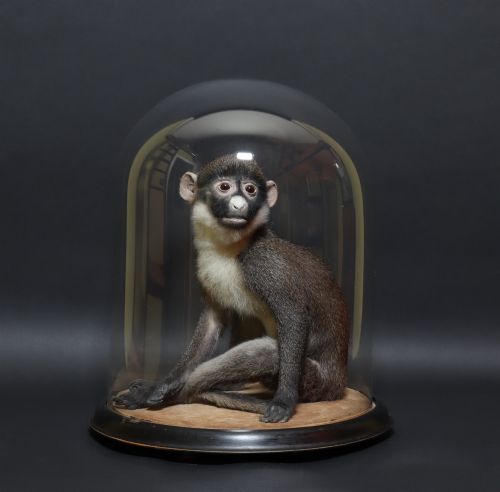
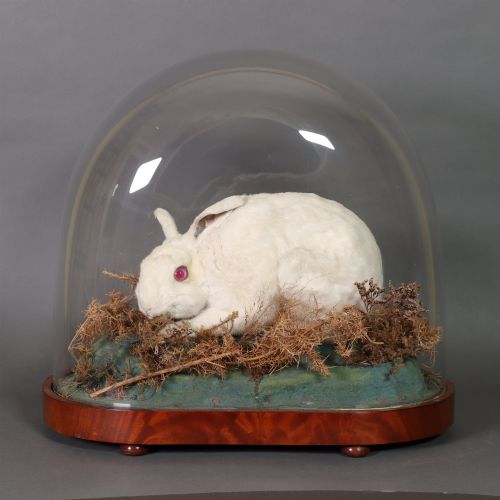
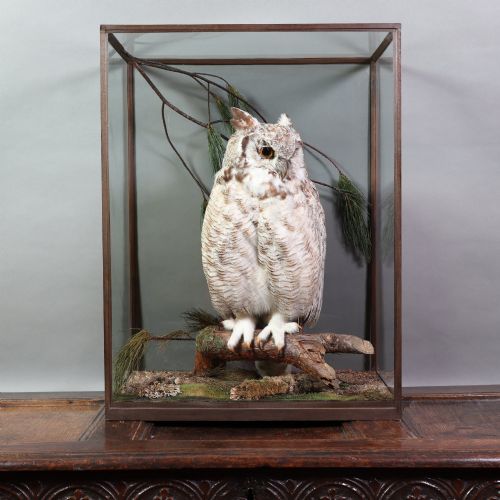
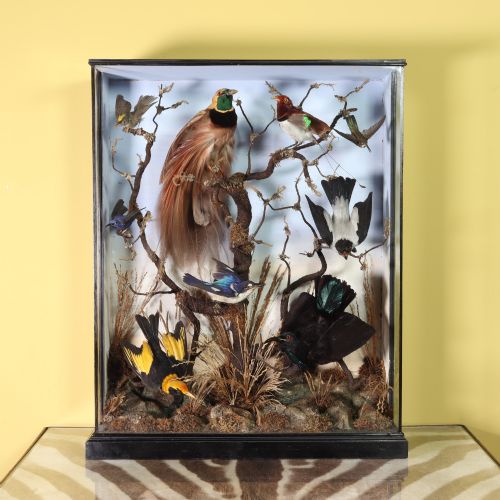
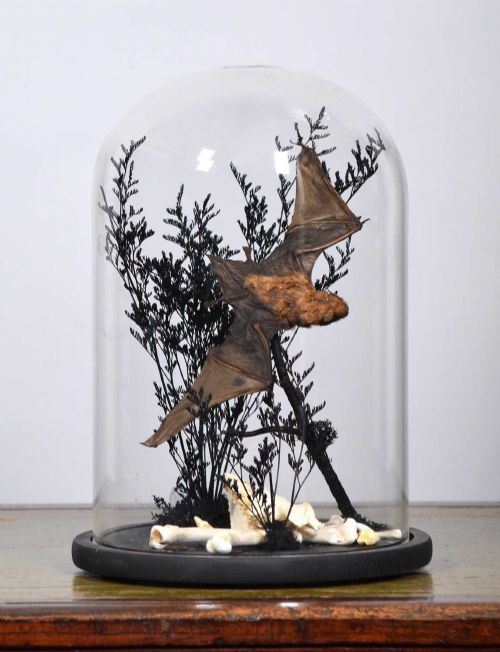
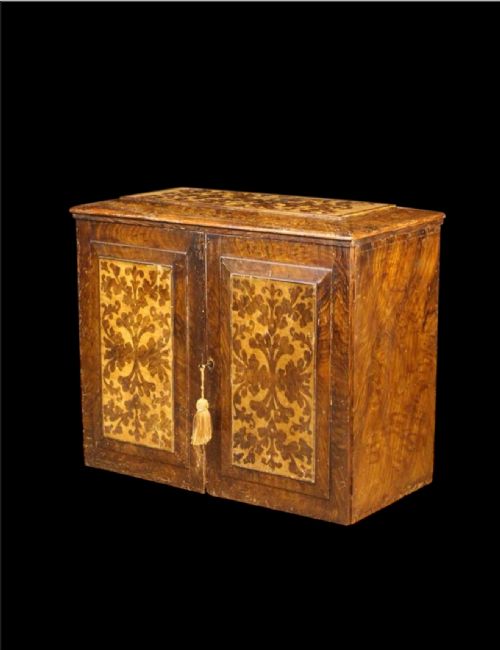
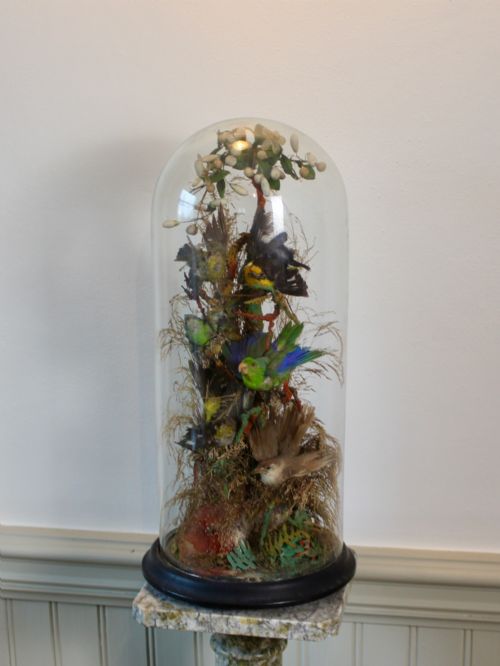
Victorian and Edwardian examples dominate the selection, reflecting a period when domestic display cabinets became private museums for the curious collector. Glass domes and wooden cases house many of the birds and insects, protecting delicate forms while framing them for study.
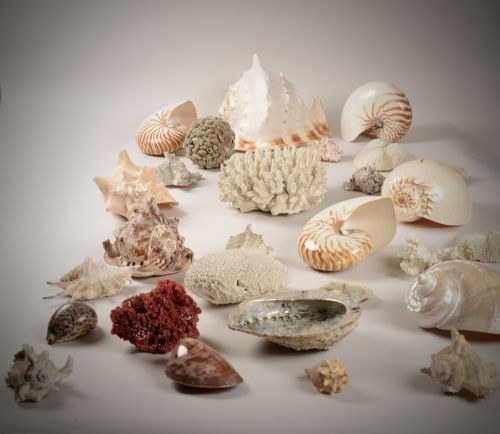
Medical and anatomical artefacts also populate this category, offering a glimpse into early scientific education through wax models and teaching aids. Alongside these sit natural oddities like coco de mer seed pods, coral, and ammonite fossils, chosen for their sculptural qualities.
How they were made
Taxidermy specimens rely on preserved skins mounted over internal armatures of wire, wood, and clay, shaped by skilled practitioners to mimic life. Glass domes blown by hand seal these displays against dust and humidity, framed by ebonised wood bases.
Natural materials like shell, bone, and wood undergo mechanical preparation, often involving polishing to reveal grain or mother-of-pearl layers. Scientific models utilise wax, papier-mâché, or plaster, painted by hand to record anatomical details for teaching purposes.
Curiosities and Specimens Retail Price Guide 2026
Typical asking prices for curiosities and specimens among the pieces listed under this phrase on Sellingantiques today, from the lower quarter to the upper quarter. They describe what is for sale here now, not the wider market.
One nineteenth-century cowrie shell bears the entire Lord's Prayer carved onto its surface.
What varies in quality
The standard of preservation dictates the worth of natural history pieces, with taxidermy requiring intact plumage and stable posture. Maker attribution plays a role, as notable taxidermists achieved superior anatomical accuracy and composition.
Completeness and original mounting affect the appeal of fossils, shells, and medical models. Pieces retained within their period glass domes or bespoke cabinets generally exhibit better survival of fragile components.
James Gardner·Rowland Ward Ltd·A Pollard
The Curiosities and Specimens Glossary
- Taxidermy
- The art of preparing, stuffing, and mounting the skins of animals for display. Victorian practitioners often arranged birds within glass domes to replicate natural habitats.
- Carapace
- The upper shell of a turtle, tortoise, or crustacean. Large examples from Amazonian species appear frequently in historic cabinets.
- Coco de Mer
- The double coconut seed pod native to the Seychelles, known for its distinct shape. Collectors have prized these unusual botanical specimens for centuries.
- Osteology
- The scientific study of bones. This encompasses skulls and anatomical specimens prepared for medical education and study.
- Entomology
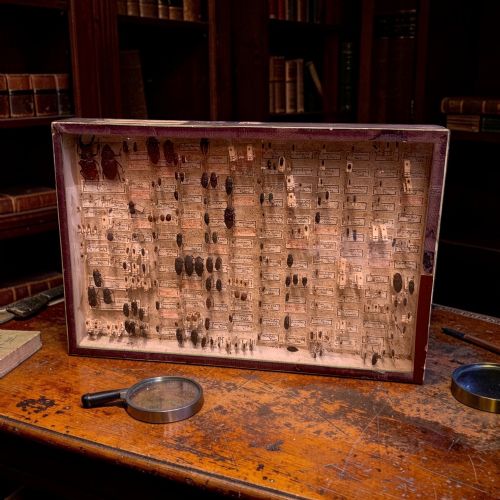
- The branch of science concerned with insects. Framed butterfly and beetle displays preserve these specimens for visual study.
Curiosities and Specimens: Frequently Asked Questions
How should I display taxidermy?
Keep mounted specimens away from direct sunlight and damp environments to prevent fading and material degradation.
Glass domes provide the best protection against dust while maintaining historical context.
What is a cabinet of curiosities?
Also known as a wunderkammer, it is a room or piece of furniture used to display a collector's diverse items.
These collections mixed natural history specimens with art and antiquities.
How do I clean glass domes?
Lift the glass carefully from its base using both hands in a stable, draft-free area.
Clean the glass with a standard solution while leaving the internal specimen entirely untouched.
Are anatomical models fragile?
Wax and plaster models require careful temperature control to avoid softening or cracking over time.
Display them away from heat sources and handle them as little as possible.