





Cupid Porcelain Figure
A cupid porcelain figure captures classical mythology in miniature, offering collectors delicate porcelain and bisque models of love and classical allegory.
Cupid Porcelain Figure
A cupid porcelain figure represents the classical god of love, often shown with wings, bows, or engaged in mythological scenes across various historical periods. When searching for a cupid porcelain figure, collectors encounter diverse interpretations ranging from eighteenth-century Georgian biscuit groups to twentieth-century glazed models.
The pieces on this page span the eighteenth century, Victorian era, Edwardian period, and nineteen-thirty, reflecting changing tastes in ceramic sculpture. Common forms include decorative figurines and sculptural groups depicting cupid alongside figures like Venus, Father Time, or Psyche.
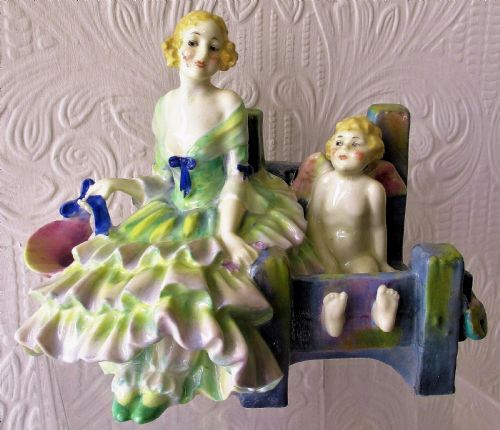
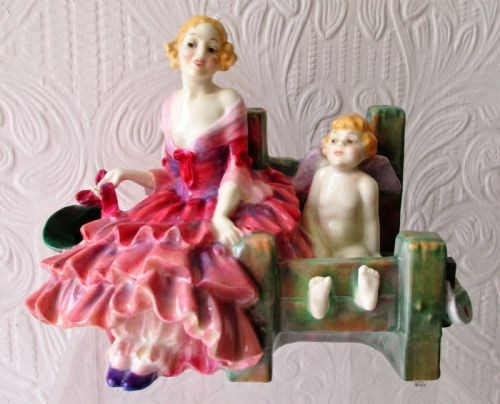
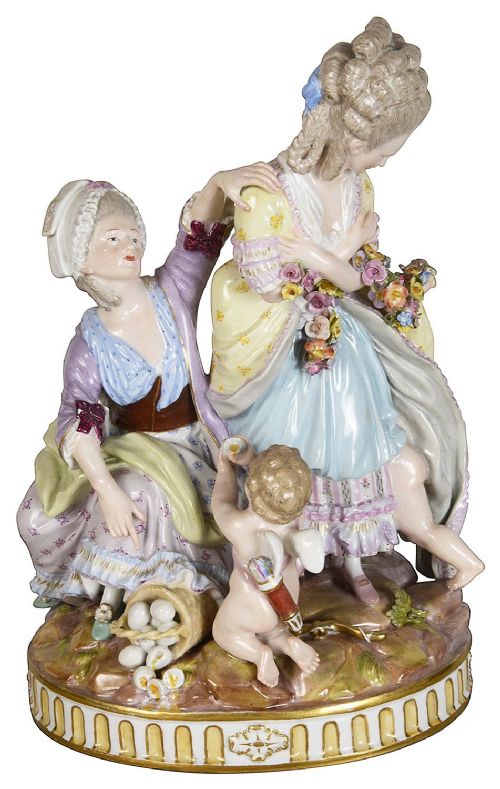
Makers and factories such as Derby, Meissen, Samson Paris, and Royal Doulton produced these works in both soft-paste and hard-paste porcelain. Buyers find everything from single figures to elaborate figure groups rendered in painted enamel, gilt, and unglazed bisque.
How they were made
Manufacturers utilised porcelain, bone china, and specialised ceramic glazes, shaping the clay through moulding and hand-modelling techniques. Eighteenth-century factories often produced biscuit porcelain, leaving the material unglazed to highlight sculptural detail in imitation of carved marble.
Decoration relied on hand-applied enamel colours, gold leaf, and gilding to accentuate garments, wings, and scenic bases. Soft-paste porcelain was common in early English works, while continental factories utilised hard-paste porcelain for crisper definition in complex figure groups.
Cupid Porcelain Figure Retail Price Guide 2026
Typical asking prices for cupid porcelain figure among the pieces listed under this phrase on Sellingantiques today, from the lower quarter to the upper quarter. They describe what is for sale here now, not the wider market.
Father Time is caught red-handed trimming cupid's wings in several classical porcelain groups, proving even immortals need a haircut.
What varies in quality
The fineness of modelling distinguishes standard decorative pieces from exceptional sculptural groups, particularly in the rendering of facial expressions, plumage on wings, and anatomical detail. Superior examples display crisp definition in the moulding and delicate, controlled hand-painting of enamels and gilding.
The sophistication of the composition separates basic figures from ambitious groups involving multiple characters, such as Father Time or the Three Graces. The choice of medium also impacts character, where unglazed biscuit porcelain reveals the sculptor's original touch more directly than heavy glazing.
Royal Doulton·Meissen·Samson Paris·Derby·Auguste Moreau
The Cupid Porcelain Figure Glossary
- Biscuit porcelain
- Unadorned, unglazed ceramic fired once to create a matte, white surface resembling marble. This finish was favoured by eighteenth-century factories for classical figure groups.
- Soft-paste porcelain
- An early ceramic composition of glass and white clay fired at lower temperatures than hard-paste porcelain. It produces a warm, creamy body common in Georgian pieces.
- Gilding
- The application of gold leaf or powdered gold to ceramic surfaces for decorative highlights. This technique emphasises borders, garments, and attributes like bows and arrows.
- Putto
- A plump, winged male infant figure often conflated with cupid in classical art. These figures appear frequently in mythological groups from the eighteenth and nineteenth centuries.
Cupid Porcelain Figure: Frequently Asked Questions
How do I date a cupid porcelain figure?
Dating relies on identifying factory marks, ceramic composition, and stylistic traits associated with specific periods like the eighteenth century or the Victorian era. Soft-paste porcelain and unglazed biscuit bodies often point to earlier Georgian production.
Later pieces from the Edwardian period or nineteen-thirty display different glaze characteristics, base markings, and manufacturing uniformity. Comparing the modelling style to known works helps narrow the decade of creation.
How were these figures displayed historically?
These sculptures served as decorative ornaments on mantelpieces, side tables, and cabinet shelves within formal drawing rooms. Elaborate figure groups were designed as decorative centerpieces for dining tables during dessert courses.
Their domestic placement reflected an owner's appreciation for classical mythology and refined ceramic art. Collectors continue to exhibit them in enclosed cabinets or dedicated display spaces.
Who are the other figures usually shown with cupid?
Cupid frequently appears alongside classical deities and allegorical figures drawn from Greek and Roman mythology. Common companions include Venus, Psyche, and Father Time clipping his wings.
Narrative scenes often depict playful or cautionary tales, such as cupid caught in the stocks or interacting with doves. These interactions provided eighteenth and nineteenth-century sculptors with dynamic compositional opportunities.
Are all porcelain cupids from the eighteenth century?
While eighteenth-century factories established the classic models, makers continued producing cupid figures throughout the nineteenth and twentieth centuries. Victorian and Edwardian makers often revived earlier Rococo and neoclassical styles.
Twentieth-century pieces incorporate Art Deco influences alongside traditional mythological themes. Examining the paste, enamels, and manufacturing techniques clarifies the actual era of production.