




Crystal Water Glasses
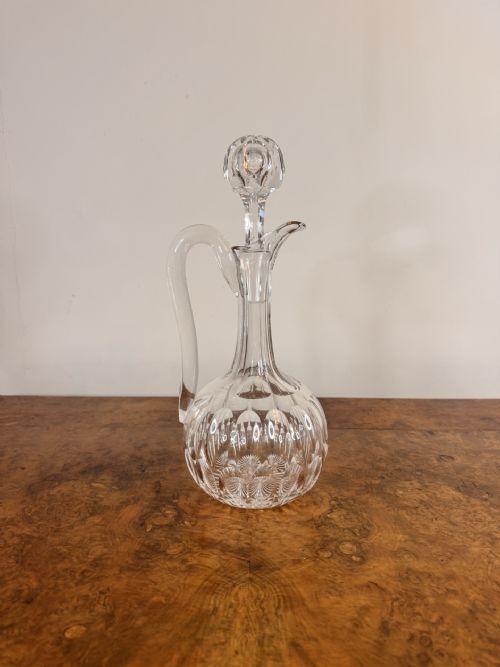
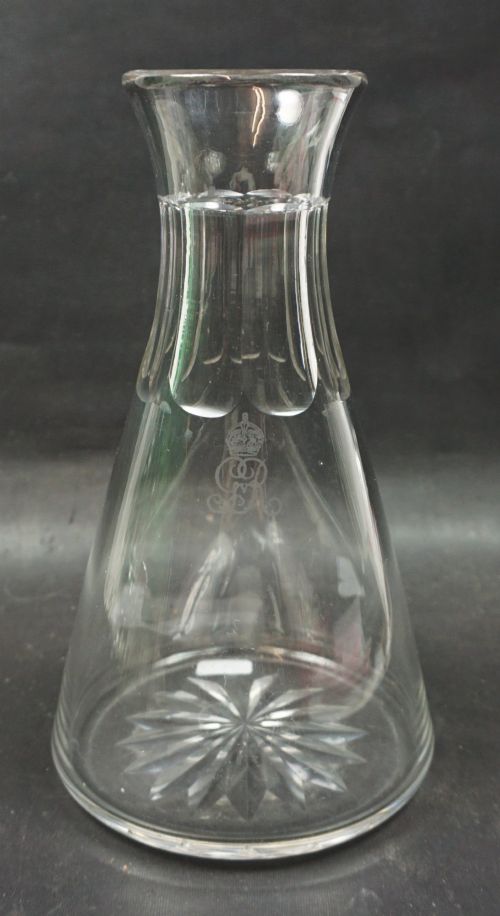
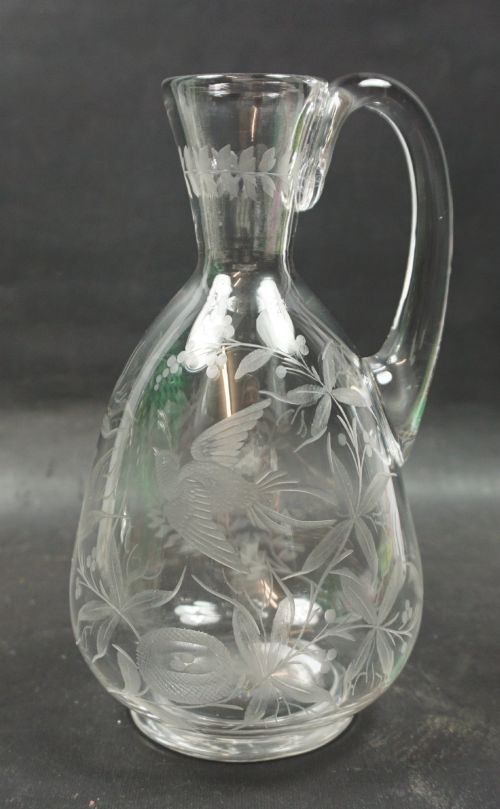
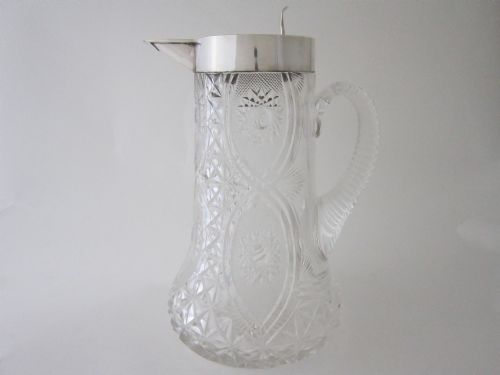
Crystal water glasses arrive in various forms such as pitchers, jugs, and decanters from periods ranging from the Georgian era to Art Deco, prized for clear serving.
Crystal Water Glasses
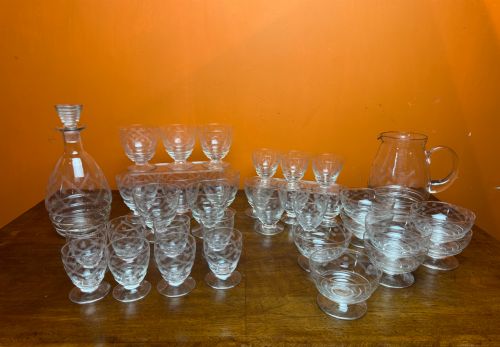
When buyers search for crystal water glasses, they encounter an array of serving vessels including pitchers, jugs, and carafes alongside related glassware. The pieces on this page span numerous periods, notably the nineteenth century, Victorian era, Edwardian period, and Art Deco, reflecting diverse historical tastes.
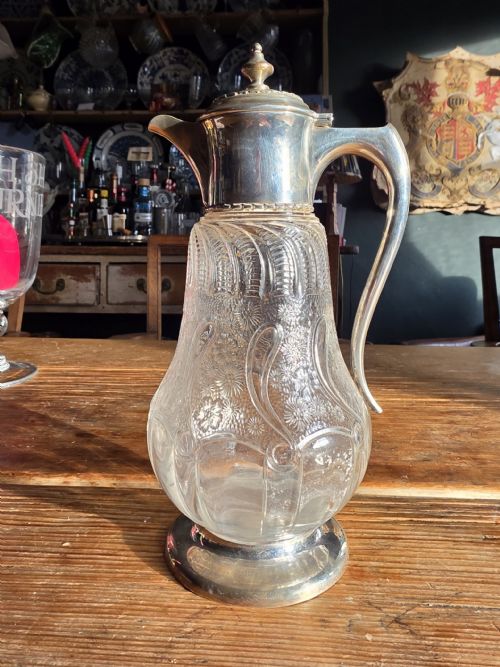
The material composition of these items centres on lead crystal, cut glass, and clear glass, occasionally paired with sterling silver or silver plate mounts. Forms range from simple heavy carafes to elaborate ewers and suites of drinking services.
Originating largely from English, French, and Austrian makers, these vessels demonstrate varied decorative techniques. Buyers are most likely to meet cut glass jugs and etched decanters spanning the late nineteenth and early twentieth centuries.
How they were made
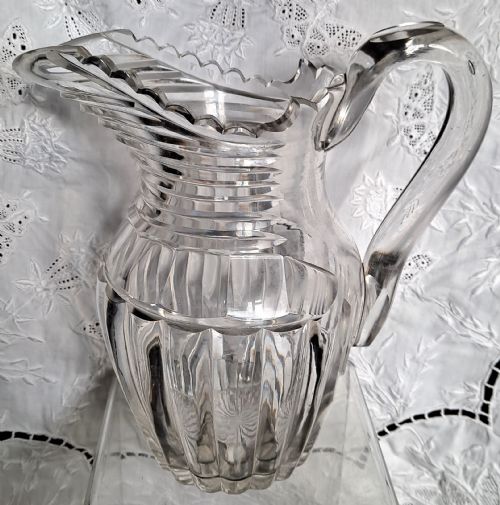
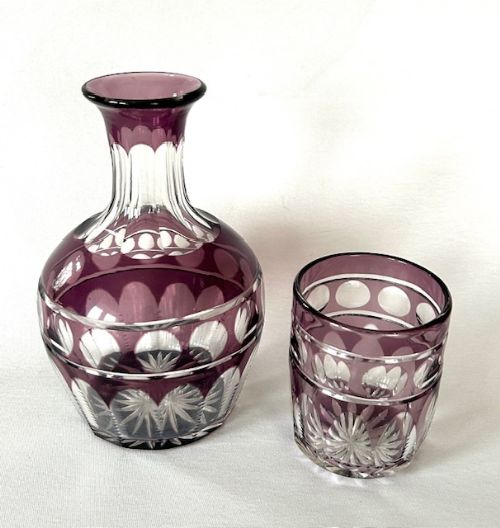
Maker techniques rely heavily on glass cutting and hand wheel engraving to create geometric patterns, floral motifs, and detailed ornamentation on the surface of the vessel. Artisans utilise lead crystal and clear glass, shaping them into robust jugs and carafes.
Mounts and hardware incorporate sterling silver and silver plate, frequently fastened securely to the glass body by specialised silversmiths. Additional decorative methods include intaglio cutting, etching, and applied latticinio threads.
Crystal Water Glasses Retail Price Guide 2026
Typical asking prices for crystal water glasses among the pieces listed under this phrase on Sellingantiques today, from the lower quarter to the upper quarter. They describe what is for sale here now, not the wider market.
The listings show materials spanning lead crystal, cut glass, sterling silver, and silver plate across Victorian, Edwardian, and Art Deco periods.
What varies in quality
Quality differences emerge in the depth and crispness of the cut glass facets and the precision of the engraved motifs. Superior examples display sharp, clean lines and balanced proportions that reflect meticulous hand craftsmanship.
The integration of metal mounts, whether sterling silver or silver plate, influences the overall standard of the piece. Finer items feature substantial metalwork and harmonious matching between the glass body and its collar or handle.
William Comyns·Stevens and Williams·Webb Corbett·Richardsons Birmingham·Lobmeyr
The Crystal Water Glasses Glossary
- Lead crystal
- A type of glass containing lead oxide, which increases brilliance, weight, and clarity. This material allows for deep, sharp facets when cut.
- Ewer
- A large jug with a wide spout and a curved handle, traditionally used for holding and pouring water. Many antique examples feature silver mounts.
- Intaglio
- A technique where the design is incised beneath the surface of the glass rather than raised in relief. It requires steady hand wheel engraving.
- Latticinio
- A decorative glass technique utilising fine opaque white or coloured glass threads embedded within clear glass. It creates delicate linear patterns.
- Carafe
- An open-topped glass flask used for serving water or wine at the table. These vessels typically feature smooth or ringed necks.
Crystal Water Glasses: Frequently Asked Questions
What defines crystal water glasses?
Crystal water glasses and associated serving vessels are drinking and pouring items formed from lead crystal or clear glass. They encompass jugs, pitchers, and carafes designed for table service.
Many pieces incorporate decorative elements such as cut facets, engraving, and silver mounts. Their forms reflect the aesthetic preferences of periods from Georgian times through to the Art Deco era.
How were these jugs used?
These vessels served primarily to hold and pour water or wine during formal dining and domestic gatherings. They sat upon tables or sideboards ready for service.
Mounted examples with silver lids and collars added an element of display and security for the contents. Suites often included matching drinking glasses for guests.
How do I live with antique glass?
Living with antique glass involves careful hand washing with warm water and mild soap to protect the delicate surfaces and metal mounts. Avoid sudden temperature changes to prevent cracking the historic material.
Displaying these vessels away from direct sunlight preserves any applied colours and silver plating. Regular gentle handling ensures these functional items remain intact for daily appreciation.
How are different periods identified?
Periods are identified through a combination of manufacturing techniques, decorative styles, and maker marks or silver hallmarks. Georgian and Regency pieces often feature heavier proportions and simple ringed necks.
Victorian and Edwardian items frequently display elaborate cut glass patterns or engraved floral motifs. Art Deco examples transition into geometric forms and streamlined silhouettes.