

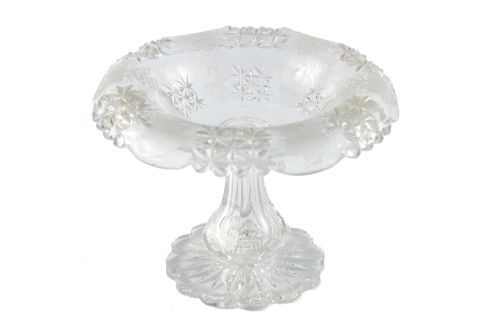


Crystal Table Centrepiece
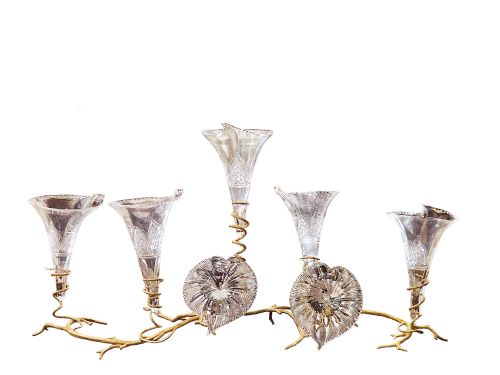
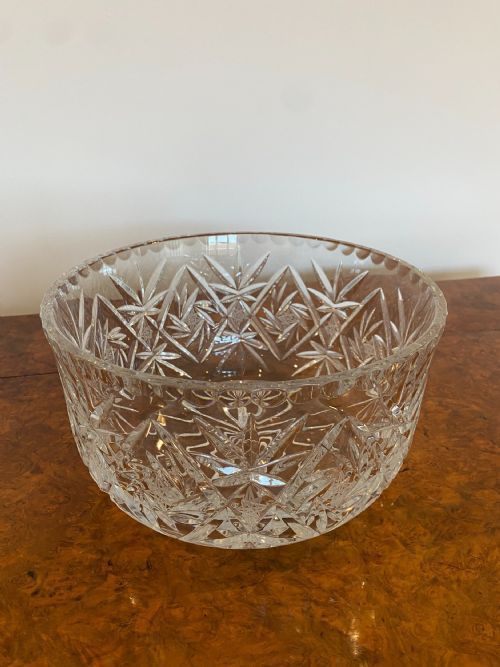
These crystal table centrepiece arrangements command attention on any dining table, combining heavy cut glass with gleaming metal mounts to anchor a room.
Crystal Table Centrepiece
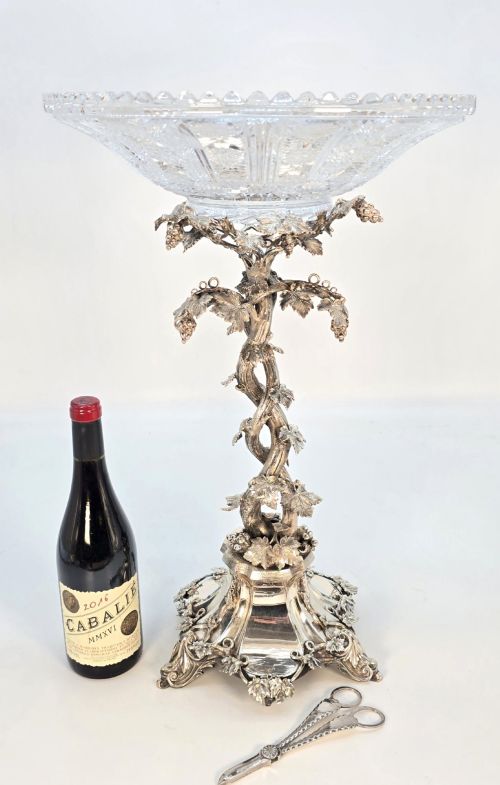
A crystal table centrepiece serves as the ornamental focal point for a formal dining table, typically holding fruit, flowers or sweetmeats during a meal. The pieces gathered here span from the Georgian period through the Victorian and Edwardian eras up to the mid twentieth century, representing various European and English workshops.
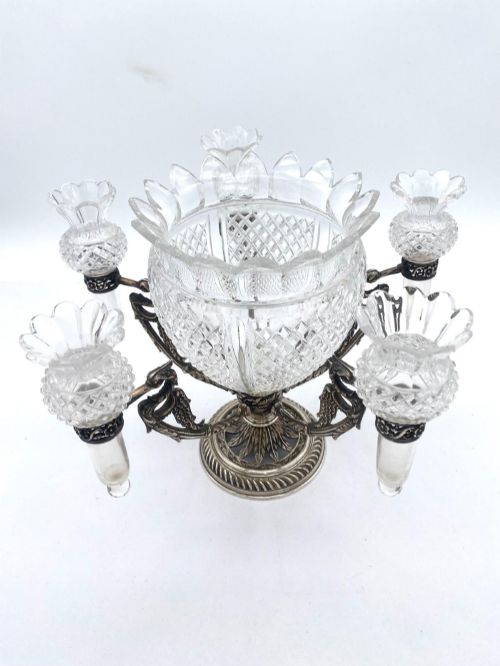
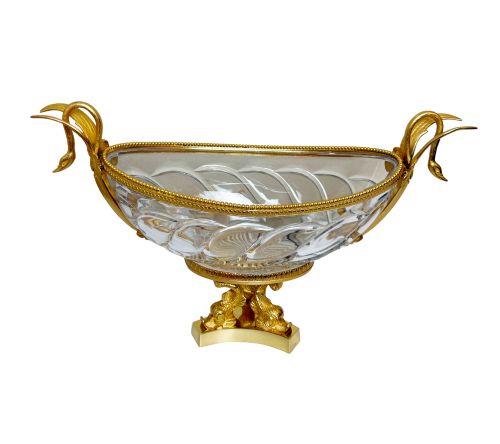
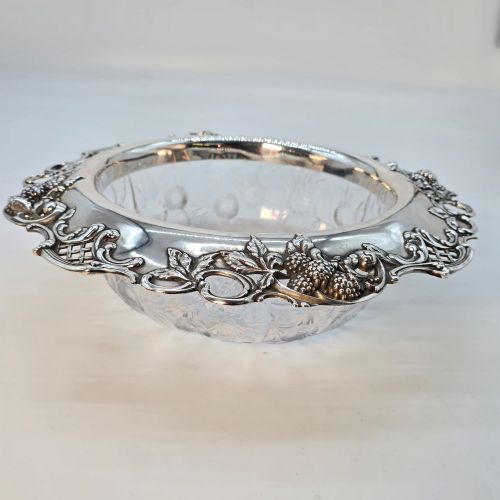
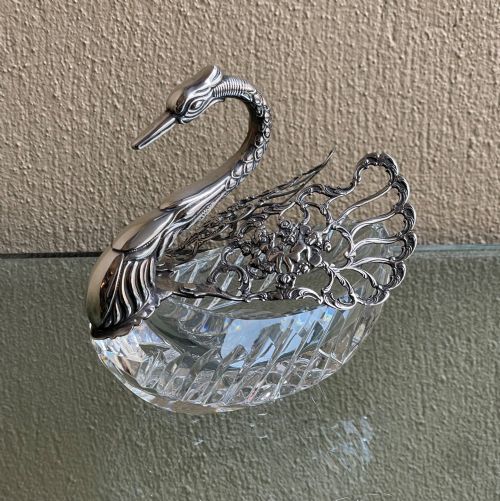
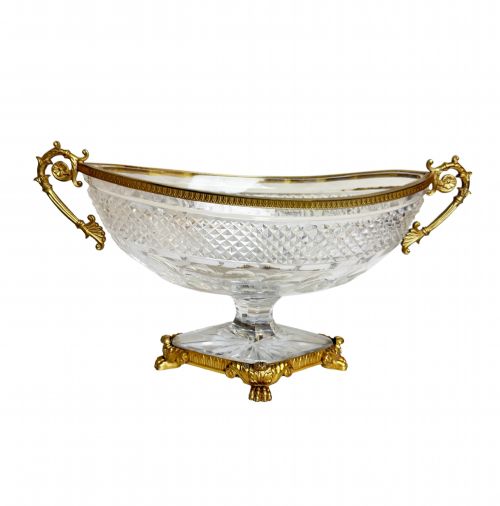
Buyers will most frequently encounter nineteenth century examples that pair heavy cut glass or lead crystal bowls with silver plated mounts, gilt bronze, or ormolu stands. Forms range from low decorative dishes and fruit bowls to tall epergnes with multiple branching holders and candelabra configurations.
The stylistic influences visible across the selection draw heavily upon the French Empire, Rococo Revival, and Art Nouveau movements. These diverse origins mean a buyer can find simple geometric cut glass bowls alongside elaborate figurative bases depicting nautical themes or carved wooden Black Forest supports.
Materials and construction
Makers shaped the glass elements through heavy cutting, moulding, and polishing, utilising lead crystal and cut glass to maximise light refraction and brilliance. These crystal vessels were then combined with metal components such as silver plate, Old Sheffield plate, sterling silver, gilt bronze, and ormolu to provide sturdy foundations.
Assemblers joined the glass bowls and dishes to their metal stands using threaded metal rods, securing collars, or fitted bezels designed to support the heavy weight of the crystal. Specialised workshops also integrated carved wood elements, such as Black Forest stands, directly into the supporting structure of the glass epergnes.
Surface ornamentation on the glass and metal parts involved acid etching, gold enamel decoration, and detailed casting. Artisans applied gilt brass and silver metal mounts to complement the deep facets cut into the crystal bodies.
Crystal Table Centrepiece Retail Price Guide 2026
Typical asking prices for crystal table centrepiece among the pieces listed under this phrase on Sellingantiques today, from the lower quarter to the upper quarter. They describe what is for sale here now, not the wider market.
Several grand nineteenth century models adopt nautical themes, depicting sailors ready to steady the table against the roughest dining room seas.
Evaluating craftsmanship and condition
Quality rests in the crispness and depth of the glass cutting, where sharper facets and smoother polish distinguish superior crystal from simpler pressed or moulded alternatives. The weight and thickness of the lead crystal indicate the ambition of the original maker.
The integration between the glass bowl and its metal mount dictates the overall integrity of the piece, with tight fittings and substantial silver plate or gilt bronze elevating the manufacturing standard. Finer examples display meticulous chasing on the metal components and harmonious proportions between the stand and the glass vessel.
Tiffany and Co·Val St Lambert·St Louis glassworks·Baccarat Crystal
The Crystal Table Centrepiece Glossary
- Lead crystal
- A type of glass containing metallic oxide that increases weight, clarity, and the refractive index. This material allows for deep, sharp wheel cutting.
- Epergne
- A large table centrepiece featuring a central dish surrounded by multiple smaller hanging baskets or arms for fruit, sweets, or flowers. These multi tiered stands dominate grand dining arrangements.
- Ormolu
- A metallic technique involving the application of finely ground high karat gold to a bronze base. It provides a rich, warm yellow surface finish on decorative mounts.
- Old Sheffield plate
- A composite material made by fusing a thin sheet of silver to a thick copper base before rolling and forming. This method creates durable mounts typical of earlier Georgian pieces.
- Jardiniere
- An ornamental container designed to hold living plants or floral displays on a table or pedestal. They often combine crystal bowls with heavy metal or gilt bronze feet.
Crystal Table Centrepiece: Frequently Asked Questions
How were crystal table centrepieces used?
These pieces sat in the middle of formal dining tables to hold displays of fruit, sweetmeats, or fresh flowers during multi course meals. They acted as conversation pieces that reflected candlelight from the table.
In grander households, multi armed epergnes allowed servants to serve various small treats from a single central station without crowding the individual place settings.
How can I tell the period?
Examine the style of the metal mounts and the depth of the glass cutting to determine the era of manufacture. Georgian pieces often feature simpler Sheffield plate and straight-sided cut bowls, while Victorian and Edwardian examples lean into heavy cast bases and elaborate floral motifs.
Factory marks, signatures etched into the crystal, and the specific composition of the metal plating provide further clues for precise dating.
Can I use them for dining today?
These items remain fully functional for holding fruit, floral arrangements, or decorative items on modern dining tables or sideboards. Their sturdy construction permits everyday use provided they are handled with care.
Ensure that acidic foods or prolonged standing water are not left in antique silver plated liners to prevent tarnishing and preserve the interior metal surface.