

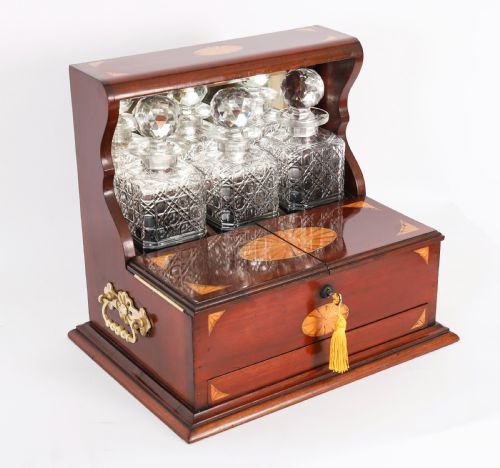


Crystal Glass Box
Crystal glass box describes small containers fashioned from cut glass or crystal, often mounted in silver or bronze, prized for holding trinkets and jewellery.
Crystal Glass Box
A crystal glass box serves primarily as a decorative container for dressing tables and desks, holding items such as trinkets, powder, or rings. When searching for a crystal glass box, buyers encounter pieces originating from the Georgian period through the Edwardian era and the Art Deco years.
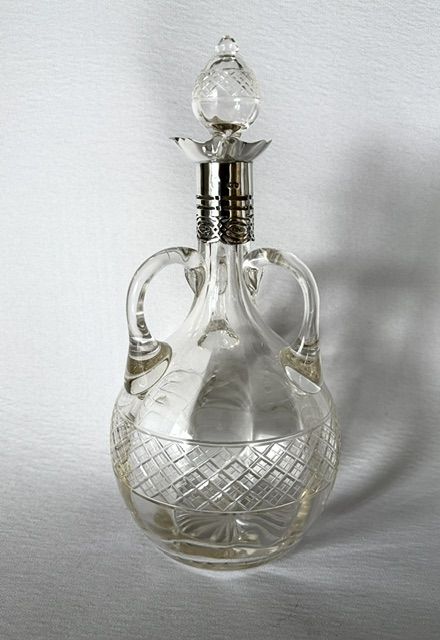
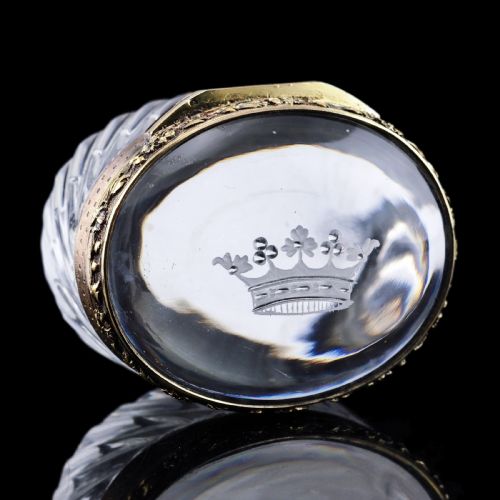
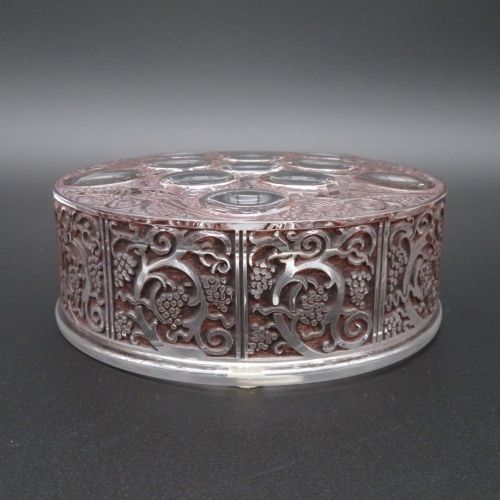
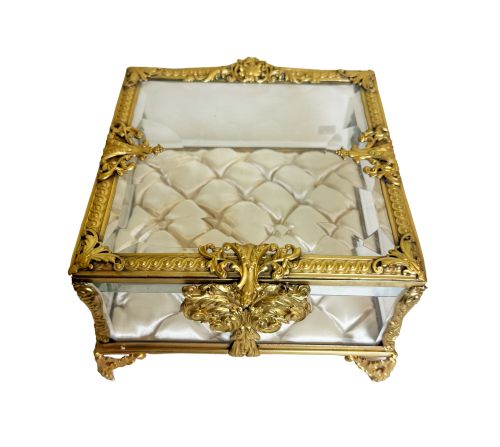
The selection includes hinged caskets, lidded jars, and dresser pots, frequently originating from French workshops or English makers. These containers combine heavy glass bases with metal mounts in sterling silver, silver plate, or gilt bronze.
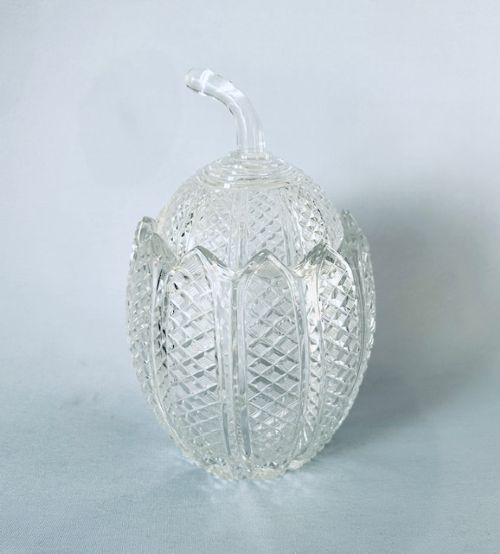
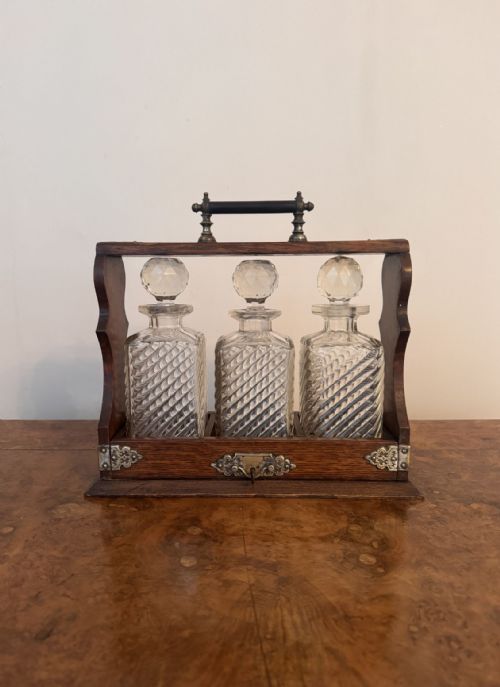
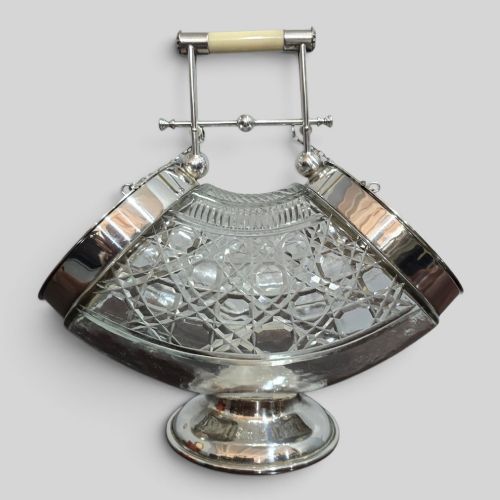
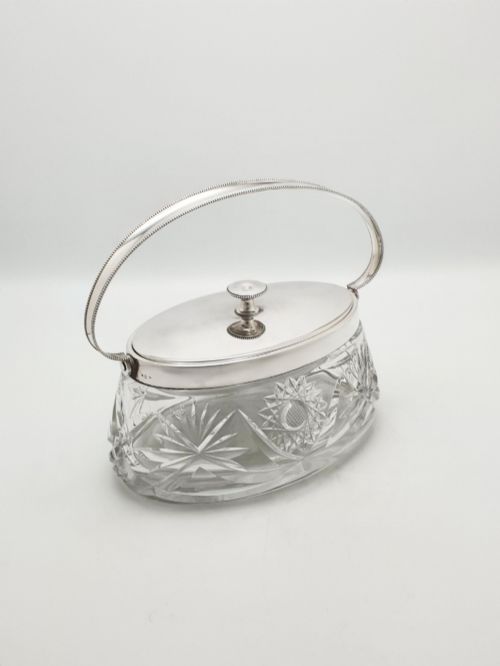
Victorian and Edwardian versions dominate the selection, often featuring hobnail or deep geometric cuts in the glass. Alongside dedicated boxes, related forms such as biscuit barrels and tantalus sets appear in the listings.
How they were made
Makers shaped the heavy glass bodies through hot casting and mould blowing before cooling and applying deep cutting techniques. Craftsmen then used wheels to carve geometric or hobnail patterns into the crystal surfaces, achieving sharp facets that catch the light.
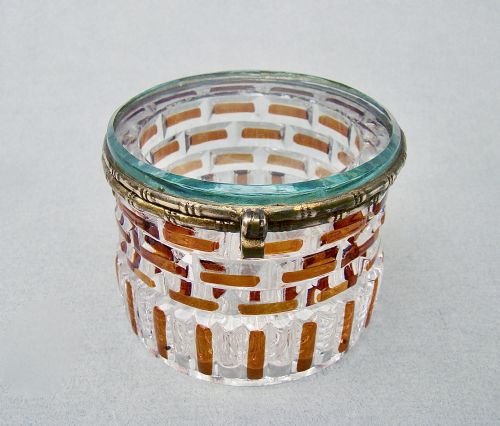
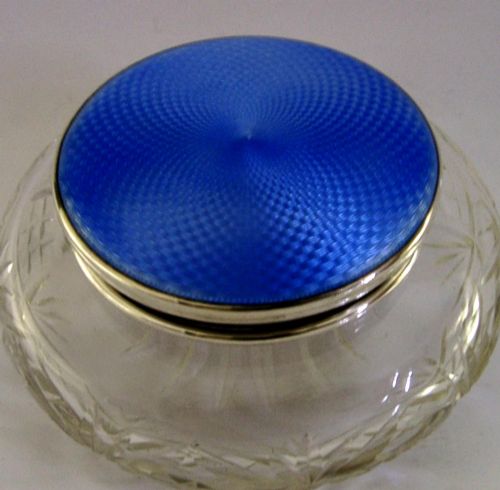
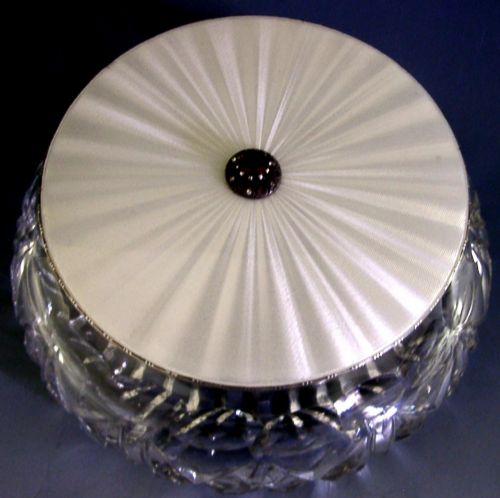
Metal mounts in brass, ormolu, silver plate, or sterling silver were cast separately and fitted precisely to the rims and hinges of the glass containers. Some luxury examples incorporate enamel work, satinwood inlay, or bronze frames secured with miniature screws.
What varies in quality
Quality rests upon the depth and crispness of the glass cutting, where sharper facets and heavier lead crystal denote superior manufacture. The weight of the piece and the clarity of the material distinguish standard utilitarian containers from luxury showroom items.
The execution of the metal mounts dictates the tier of the piece, with heavy cast ormolu, hand-chased bronze, and hallmarked sterling silver lifting a container into a higher bracket. Fine internal fittings, original velvet linings, and secure, well-aligned hinges separate the best examples from simpler production.
Baccarat·Lalique·Daum France·WMF·Posen of Frankfurt and Berlin·William Rudkins·Jonathan Douglas·Walker and Hall·Hoffman
The Crystal Glass Box Glossary
- Hobnail cut
- A pattern of sharp, close-set pyramidal facets carved into the glass surface. This technique creates a heavily textured exterior that refracts light intensely.
- Ormolu
- Finely chased gilt bronze used for decorative mounts and frames. French makers frequently employed this material to border crystal caskets during the nineteenth century.
- Tantalus
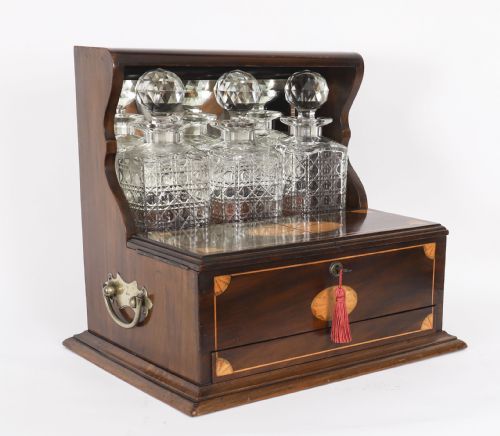
- A locking wooden cabinet or frame designed to hold decanters securely while displaying the contents. They typically feature brass or silver-plated handles and lock mechanisms.
- Biscuit barrel
- A lidded cylindrical container utilised for storing dry foodstuffs on the dining table. They frequently combine cut crystal bodies with silver-plated swing handles and rims.
- Pâte de verre
- A glass-casting method involving crushed glass melted inside a mould. This technique produces pieces with dense, frosted colours and distinct tactile surfaces.
Crystal Glass Box: Frequently Asked Questions
What were crystal glass boxes used for?
These containers served primarily on dressing tables and desks to house personal valuables such as rings, powder, pins, and trinkets. Wealthy households utilised them as decorative accessories in drawing rooms and boudoirs.
Larger versions functioned as caskets for documents or playing cards, while specialised lidded jars held cosmetics. Their clear walls allowed owners to display the contents without opening the lid.
How do I date a crystal glass box?
Dating relies upon a combination of the cutting style, the metal mount materials, and any hallmarking present on the silver or bronze components. Georgian and Victorian pieces often display heavier lead crystal with deep hand-polishing, while Edwardian versions lean towards lighter, brighter cutting.
Art Deco examples from the 1930s introduce geometric forms, stylised enamelling, and frosted surfaces. Maker marks stamped onto metal mounts provide definitive chronological markers when traceable.
Are French and English boxes different?
French boxes from makers like Baccarat frequently feature elaborate ormolu, gilt bronze, or amber-tinted glass mounted in ornate metal caskets. English production often prioritises heavy cut crystal paired with sterling silver rims or oak and silver-plated frames.
English pieces tend toward functional dressing table sets and biscuit barrels, whereas French examples lean heavily into decorative caskets and liqueur sets. Both traditions maintained exceptionally high standards of glass craftsmanship.