



Crystal Bottle Tantalus
A crystal bottle tantalus is a secure locking cabinet for spirits, combining fine cut glass with sturdy timber frames.
Crystal Bottle Tantalus
A crystal bottle tantalus is a locking barware frame designed to hold decanters securely away from unauthorised hands. When you search for this phrase, you encounter heavy wooden stands fitted with cut glass or crystal decanters and locking mechanisms.
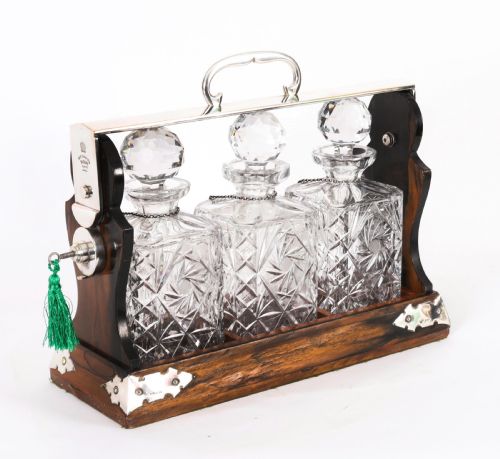
The most common examples on this page date from the Victorian and Edwardian periods. These pieces typically take the form of three-bottle or two-bottle oak or coromandel stands with silver-plated or brass mountings.
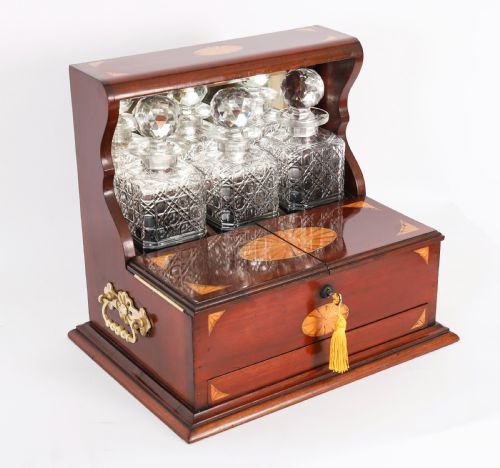
The object types range from standalone decanter sets and frames to elaborate locking tantalus boxes with games compendiums. They function primarily as after-dinner display pieces for spirits and liqueurs.
How They Were Made
These pieces bring together heavy cabinet timbers like oak, coromandel, satin wood, and burr walnut with metal mounts and cut glass. The wooden frames are constructed to house custom-cut crystal decanters snugly within a locking metal bar system.
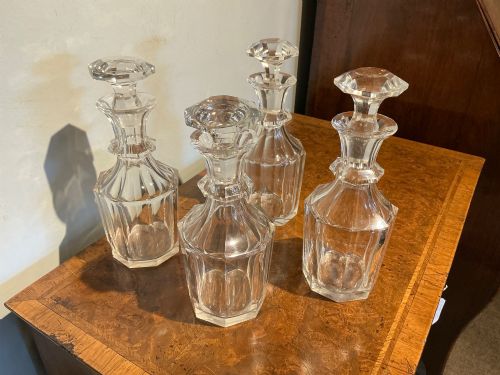
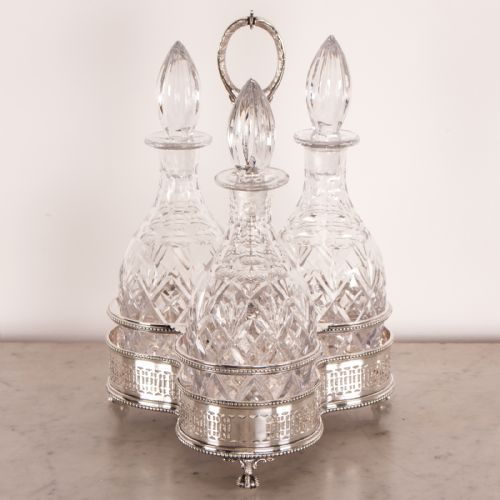
Metal components utilise silver plate, EPNS, brass, and sterling silver for handles, lock plates, and the drop-down locking bars. The decanters themselves are formed from cut crystal or lead crystal, often paired with matching stoppers.
Listings span the Victorian, Edwardian, and Art Deco periods, utilising oak, coromandel, silver plate, and cut crystal.
What Varies in Quality
The sophistication of the locking mechanism and the quality of the timber distinguish finer examples from standard production. Cabinetwork incorporating exotic veneers like coromandel or satin wood sits above plain oak frames.
The complexity of the glass cutting on the decanters and the substantial weight of the silver plate or sterling silver mounts mark out superior makers and workshop output.
Walker & Hall·Betjemann·Elkington·The Goldsmith Co.·Philip Ashberry·Hukin and Heath
The Crystal Bottle Tantalus Glossary
- Tantalus
- A locking frame that holds decanters in place so they remain visible yet inaccessible without a key. Named after the mythological figure who was kept just out of reach of food and water.
- Silver Plate
- A thin layer of silver fused to a base metal, commonly utilised for the handles, frames, and locking bars of Victorian and Edwardian examples.
- Cut Crystal
- Glass featuring precision-cut geometric or floral patterns that catch the light, used extensively for the decanter bodies.
- Coromandel
- A dense, dark decorative timber with contrasting grain patterns, favoured for luxury Victorian cabinetwork.
- EPNS
- Electroplated Nickel Silver, a common base metal composition for silver-plated mounts found on barware frames.
Crystal Bottle Tantalus: Frequently Asked Questions
How does a tantalus lock work?
A metal retaining bar passes over the glass stoppers of the decanters and locks into the timber base or side frame. Turning the key releases the bar so the bottles can be lifted free.
Most mechanisms require the key to both lock and unlock the securing bar, preventing access to the contents.
Were these made for specific rooms?
They were designed primarily for formal dining rooms, drawing rooms, and gentleman's smoking rooms during the nineteenth and early twentieth centuries. Hosts kept fine spirits locked away to regulate household consumption.
The stands sat on sideboards or serving tables after dinner concluded.
How do I date a tantalus?
Dating relies on the combination of timber styles, metal hallmarks, and the manufacturing characteristics of the decanters. Victorian pieces often feature heavy oak frames with ornate silver plate, while Edwardian and Art Deco examples show sleeker lines or sterling silver collars.
Makers' marks on the metal mounts or silver hallmarks provide the most precise indication of origin and date.
Can I replace missing decanters?
Finding exact replacement decanters that fit the precise cut-outs of the wooden base and clear the locking bar is challenging. Each tantalus frame was built around its specific set of bottles.
Matching the neck height and body diameter requires careful measurement of the frame clearances.