

Crimson Rug
A crimson antique rug brings deep madder tones and historic tribal geometry into a room, offering tactile warmth and generations of skilled knotting.
Crimson Rug
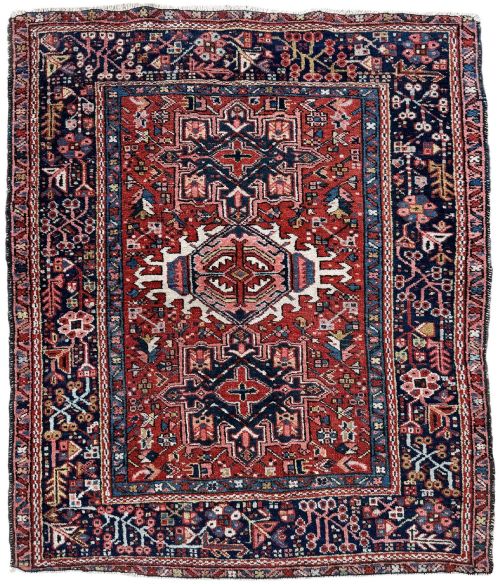
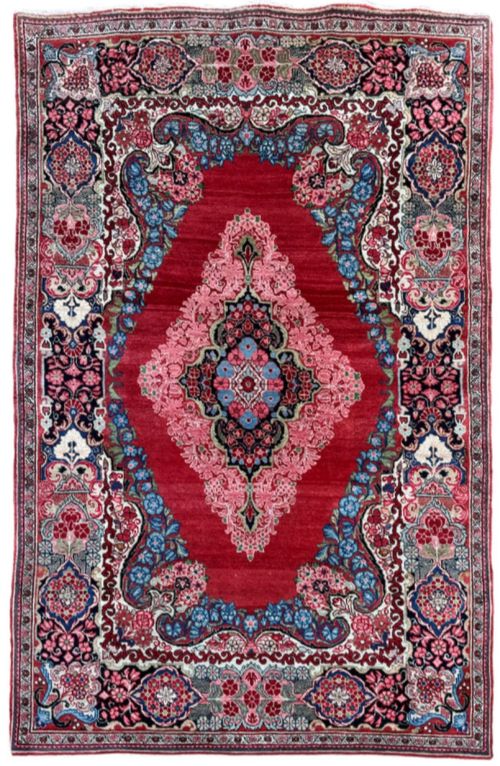
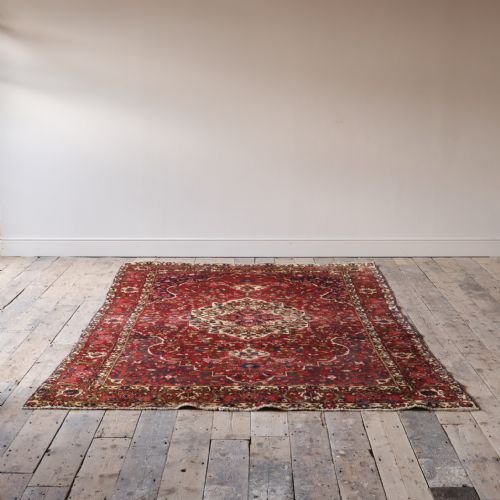
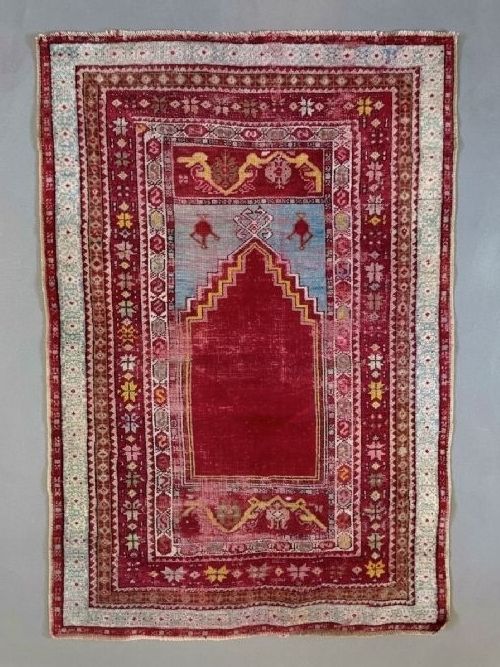
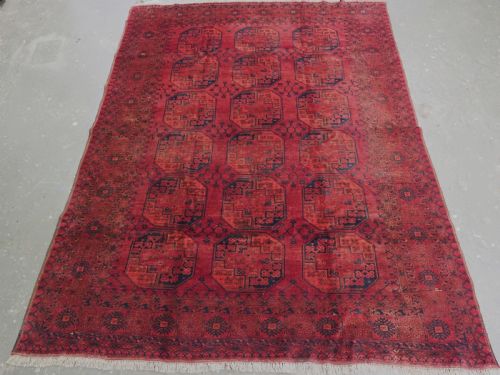
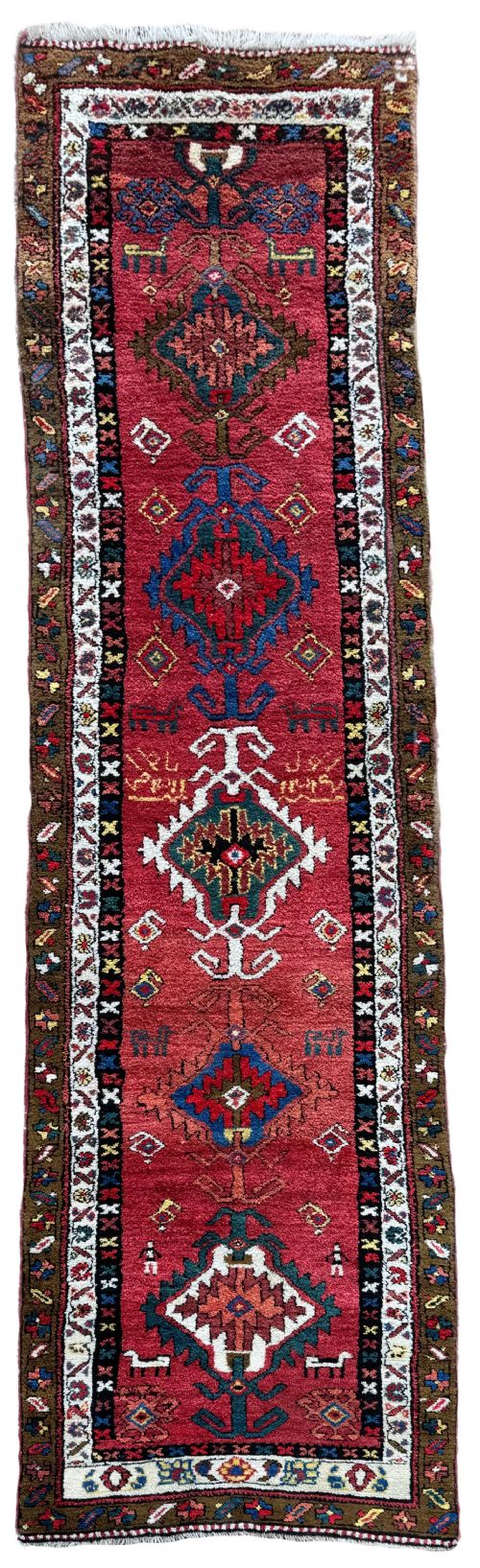
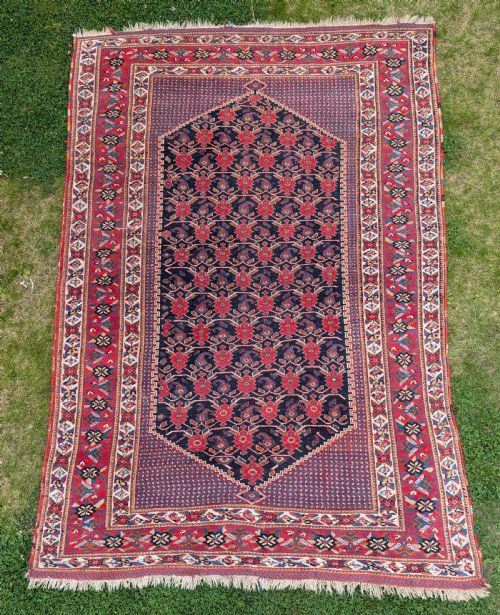
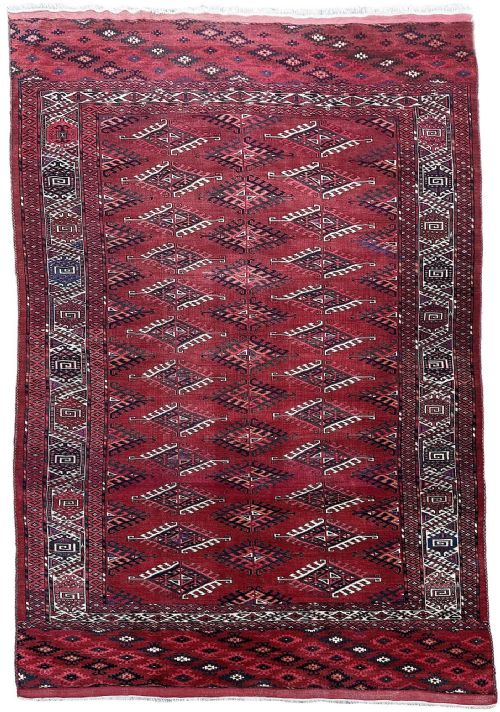
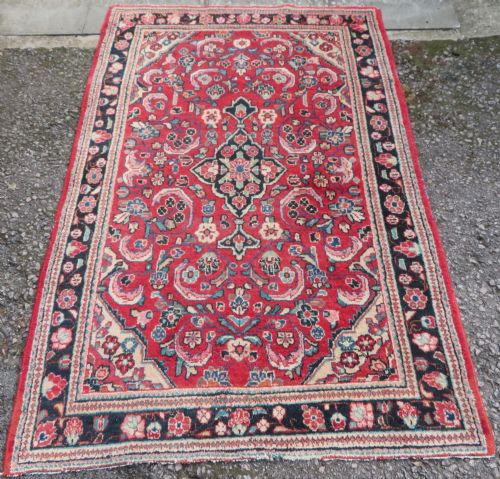
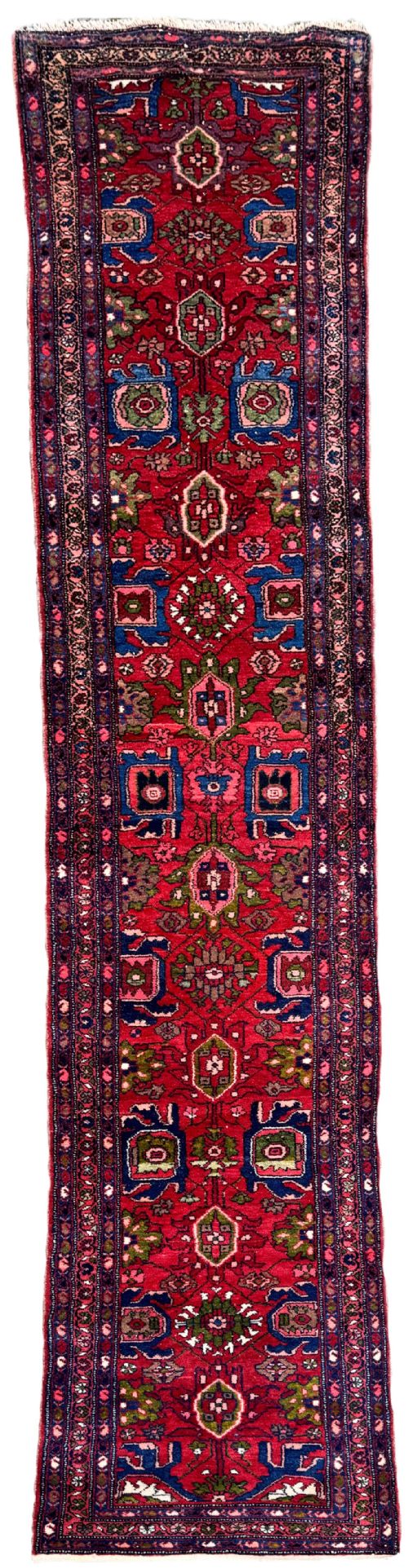
A crimson antique rug encompasses heavy village carpets, tribal tent hangings, and finely knotted city weaves originating from Persia, Anatolia, and Central Asia. These floor coverings and textile pieces date primarily from the nineteenth and early twentieth centuries, spanning periods from the eighteen-fifties through the nineteen-thirties. Buyers searching for a crimson antique rug encounter diverse regional formats, ranging from long narrow runners and prayer rugs to square village carpets and nomadic saddle covers.
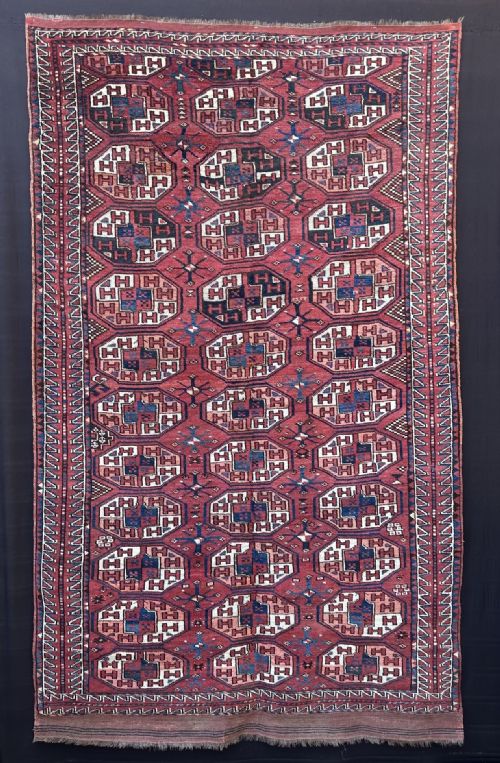
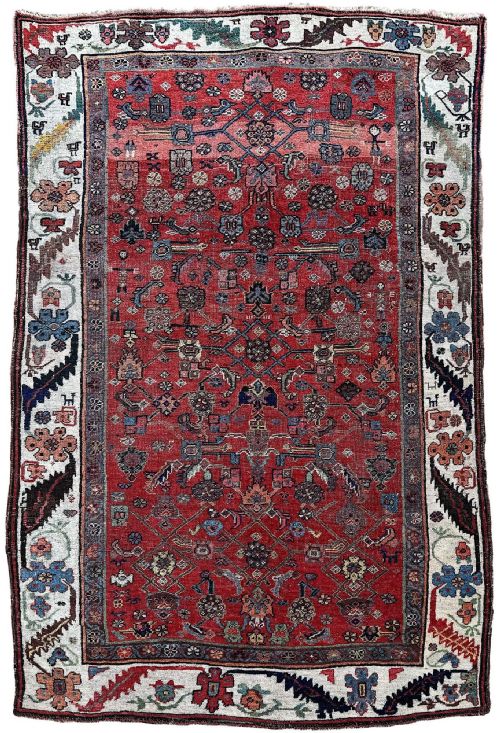
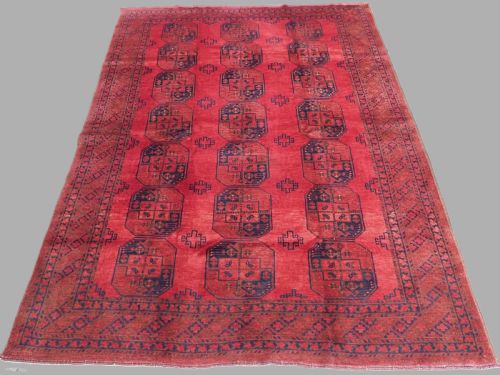
The most common versions met on this page are Persian village and city weaves alongside Turkmen tribal pieces such as Yomut, Tekke, and Ersari carpets. These textiles frequently display deep red and crimson grounds animated by medallions, guls, or floral sprays. Smaller tribal items like torbas, chuvals, and wedding rugs also appear regularly alongside room-sized formats.
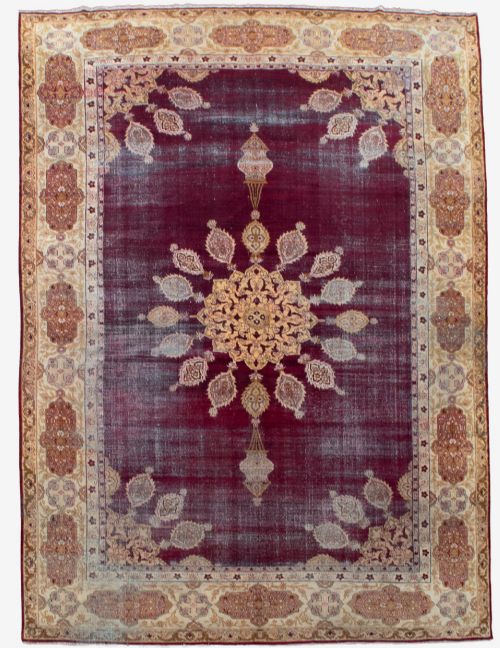
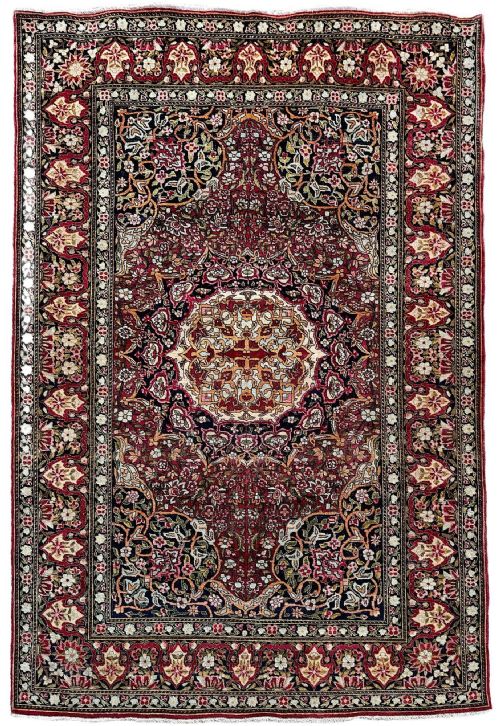
The regional origins dictate the structural character of each piece, linking specific tribal groups or weaving centres to distinct palettes and wool qualities. Turkmen and Baluch examples lean towards deep crimson tones and geometric repetition, whereas Persian workshops in Kashan, Heriz, and Sarouk present intricate floral or medallion compositions. Every piece records the domestic or workshop traditions of its makers across Anatolia and the Caucasus.
How they were made
Makers constructed these rugs predominantly using hand-spun wool for the pile, foundations, and wefts, occasionally incorporating cotton or silk highlights. Artisans secured the wool using manual knotting techniques on vertical looms, creating dense pile surfaces designed to withstand decades of foot traffic. Natural dyes derived from roots, plants, and insects produced the characteristic crimson and deep red colourways recorded across the inventory.
Nomadic and village weavers relied on local resources, shearing sheep raised in arid climates to obtain lanolin-rich wool that accepted natural dye baths readily. City workshops employed structured supervision to ensure precise knot counts and symmetrical floral designs, particularly in Persian centres like Kashan and Bidjar. The resulting textiles combined sturdy cotton or wool warps with thick, resilient pile knots.
Listings feature wool, cotton, and silk materials worked into area rugs, runners, and tribal textiles.
What varies in quality
Quality in these textiles depends on the tightness of the knotting, the purity and depth of the natural dyes, and the integrity of the wool foundation. Finer weaves demonstrate greater precision in geometric or floral motifs, while sturdier village rugs rely on robust wool weight and resilient structure. The saturation and complexity of the crimson dye shades also distinguish exceptional examples from standard domestic productions.
The condition of the pile and the originality of the edges and ends influence the overall standing of each piece within its type. Examples retaining their original borders, balanced proportions, and undisturbed pile depth represent the upper tier of the range. Variations in tribal drawing and the complexity of the secondary motifs further separate everyday utilitarian items from master weaver productions.
The Crimson Rug Glossary
- Gul
- A repeating octagonal or medallion-like motif characteristic of Turkmen and Central Asian tribal weaving. This emblem frequently appears arranged in orderly rows across crimson field carpets and bag faces.
- Chuval
- A large storage bag face produced by Turkmen tribes to store household goods inside a yurt. These square or rectangular textiles feature dense geometric knotting and rich red or crimson colour palettes.
- Warps
- The vertical foundation threads stretched lengthwise on the loom before knotting begins. Weavers tie the pile yarn around these structural threads to form the rug.
- Prayer rug
- A small format textile featuring a distinct mihrab or arch design indicating the direction of prayer. Anatolian and Persian weavers produced these pieces for personal devotional use.
- Sofreh
- A flatwoven or piled spread used traditionally for sharing meals or preparing bread dough. These nomadic textiles showcase unique tribal layouts distinct from standard floor carpets.
Crimson Rug: Frequently Asked Questions
How do I clean an old wool rug?
Gentle surface brushing and professional specialist immersion washing preserve the natural lanolin in antique wool. Avoid harsh chemical detergents that strip the historical dyes.
Regular low-suction vacuuming without a rotating beater bar prevents dust accumulation in the pile. Keeping the textile out of direct sunlight protects the crimson madder tones from fading.
Are these carpets suitable for heavy traffic?
Sturdy village carpets and thick wool pile runners withstand everyday hallway and living room use admirably. Their dense hand-knotted construction provides natural resilience against wear.
Placing a quality underlay beneath the rug prevents slipping and reduces friction between the foundation and the floorboards. Lighter tribal bags and delicate silk pieces are better suited to low-traffic display.
How can I tell tribal rugs apart?
Tribal attribution relies on characteristic motif structures, palette choices, and structural edge finishes unique to specific groups. Turkmen weaving displays distinctive guls on deep crimson grounds, while Baluch pieces use dark indigo and reddish-brown wools.
Kurdish and Afshar makers incorporate geometric field repeats and distinct border guard stripes. Examining the back of the rug reveals knot density and warp depression clues.