

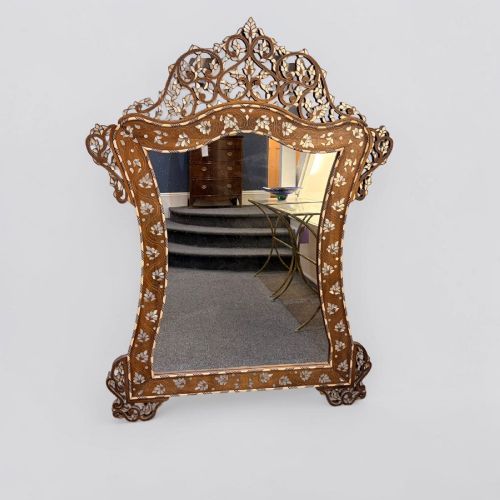
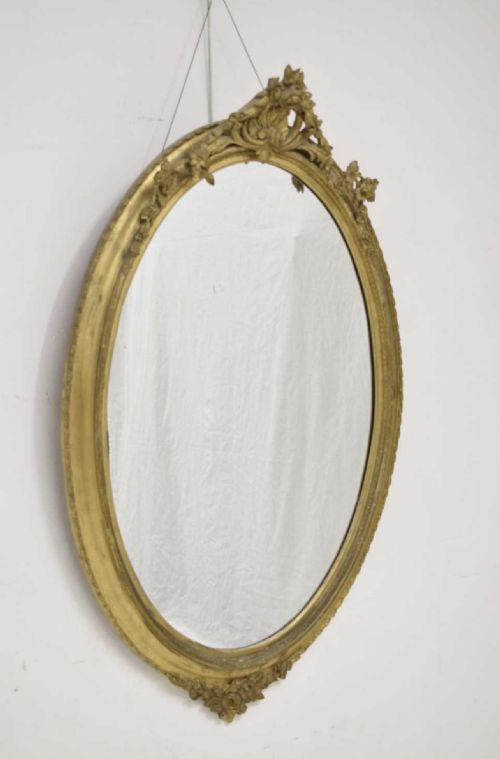
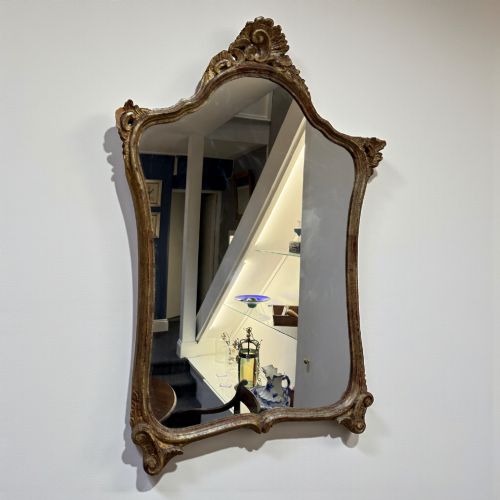
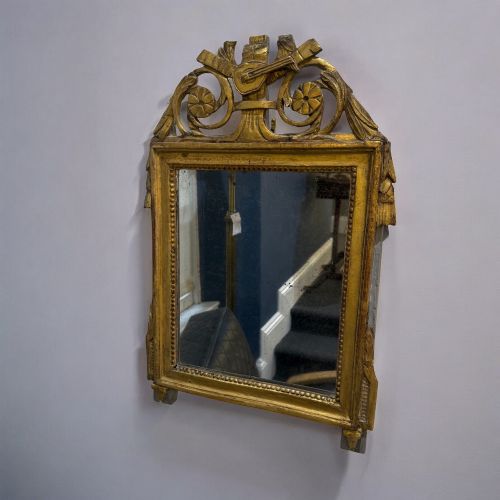
Crest Mirror Frame
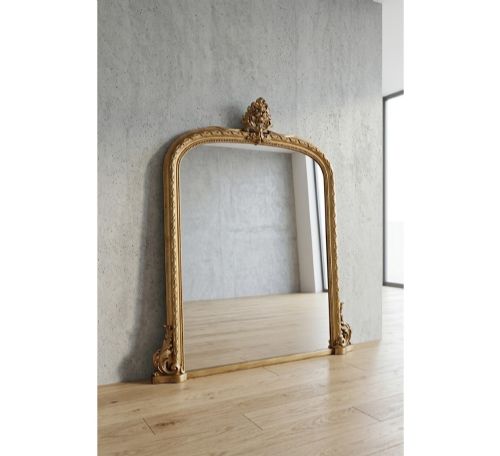
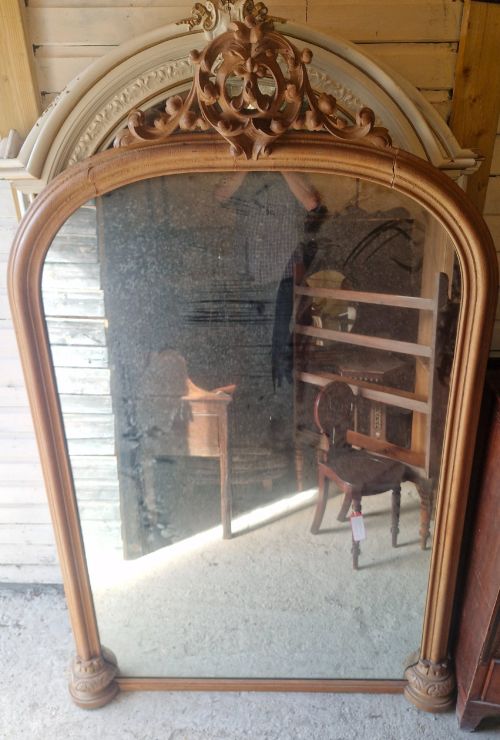
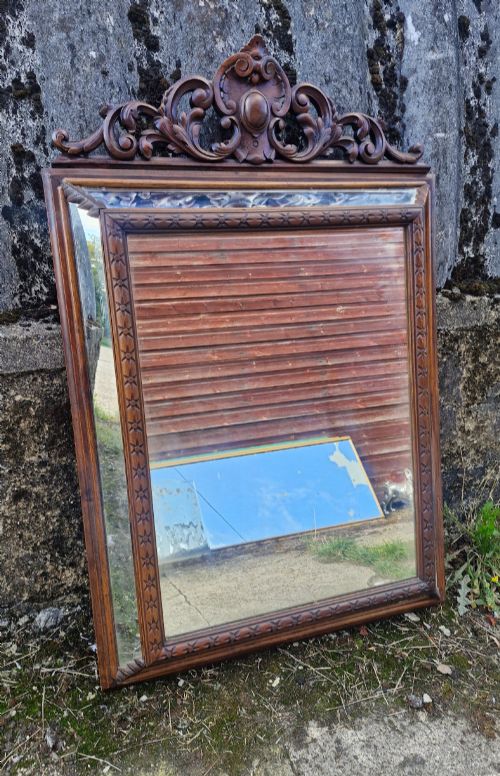
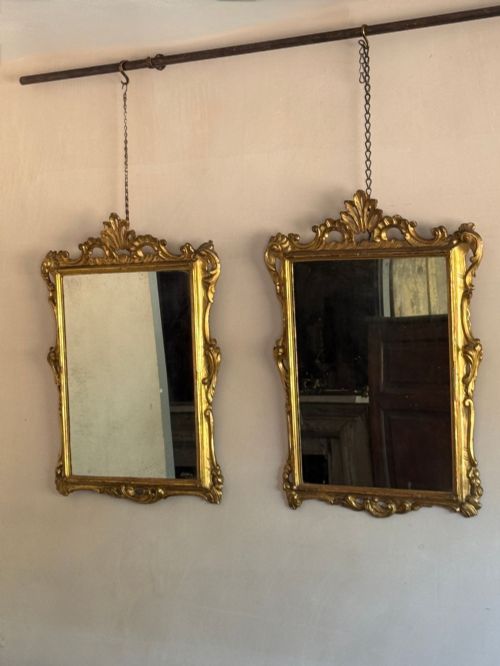
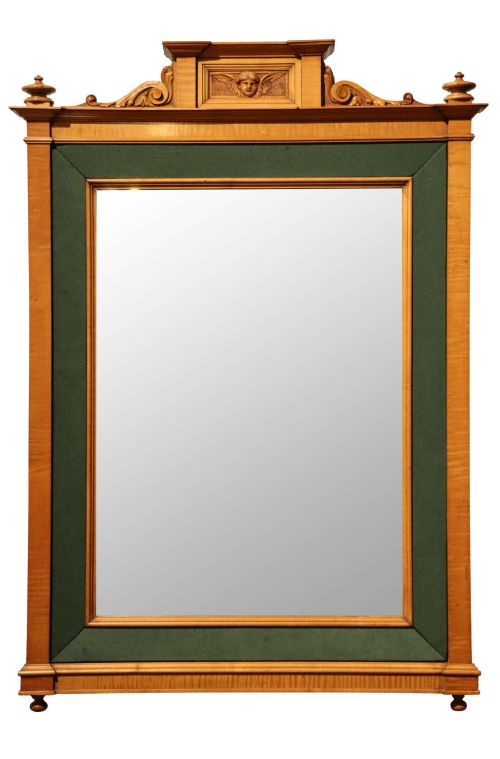
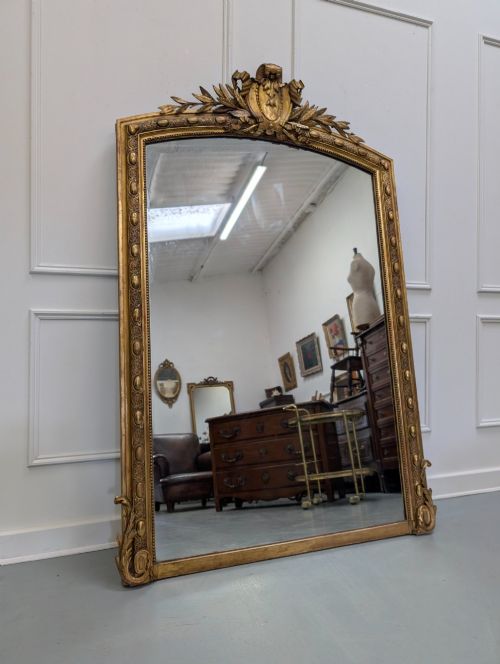
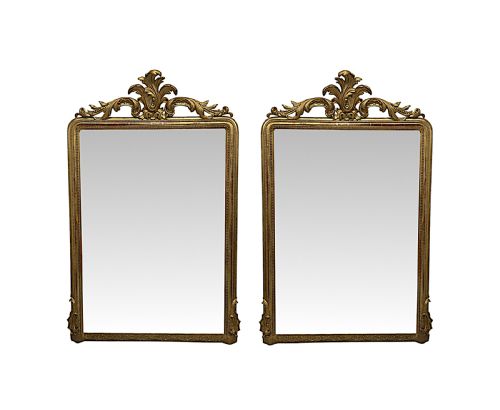
A crest mirror frame brings height and formal presence to a room, defined by its carved top ornament and historical stylistic lineage.
Crest Mirror Frame
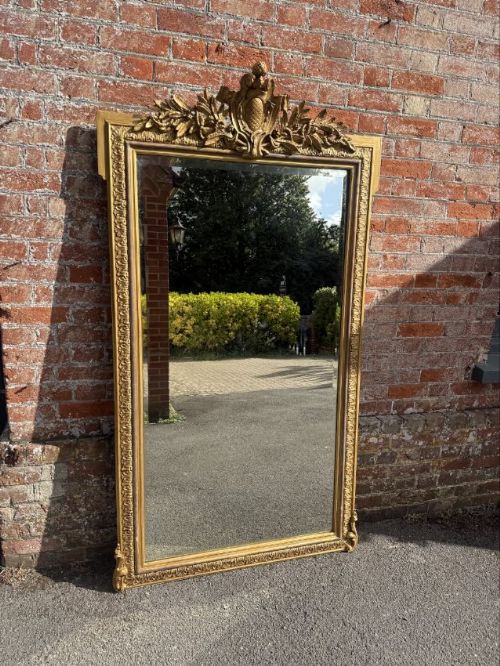
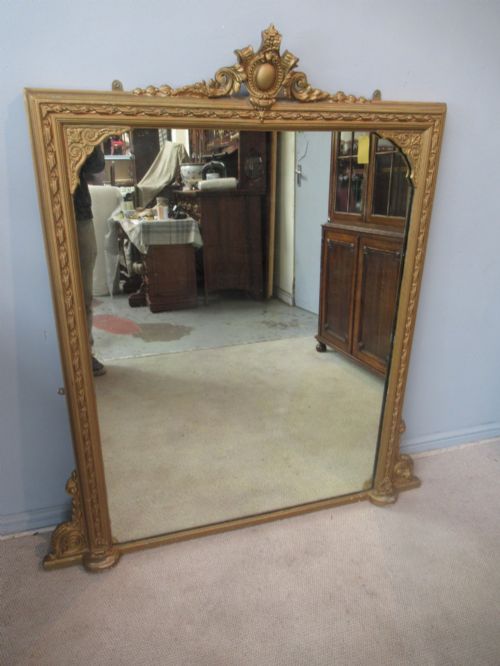
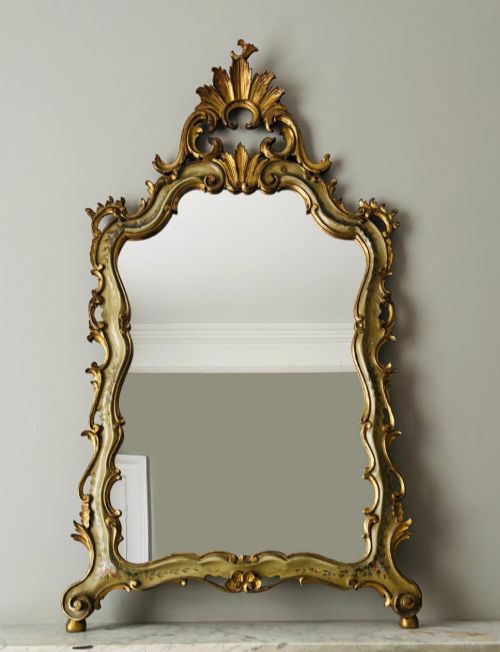
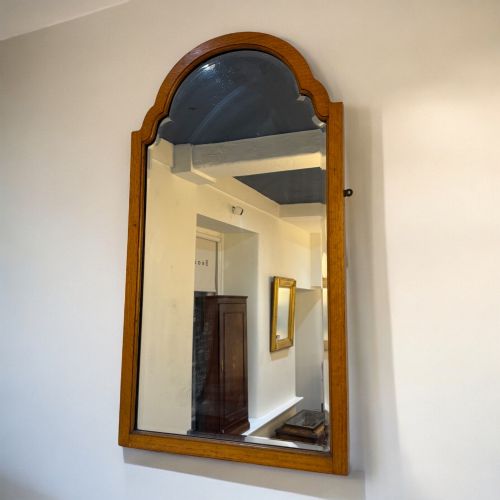
When searching for a crest mirror frame, buyers encounter decorative looking glasses featuring prominent architectural or sculptural crowns, ranging from Georgian mahogany fret-cut designs to ornate nineteenth-century overmantels. The selection heavily represents nineteenth-century French and English works, spanning styles from Regency convex forms to Rococo Revival and Louis XVI revivals.
These mirrors serve primarily as wall-hanging or overmantel centrepieces, utilising timber and gilded ornaments to draw the eye upward. Pieces frequently incorporate specific motifs at the apex, such as the characteristic ho-ho bird or classical ribbon cresting.
The assortment bridges centuries of craftsmanship, connecting eighteenth-century walnut and giltwood examples with later Victorian and Edwardian revivals. Buyers find both intimate dressing mirrors and grand architectural overmantels designed for principal reception rooms.
How they were made
The construction of a crest mirror frame relies on traditional timber joinery, utilising foundational woods such as mahogany, oak, and yew alongside softwoods for carved elements. Frames destined for gilding received coats of gesso, a plaster-like preparation applied to wood to create a smooth, absorbent surface for gold leaf or metal application.
Carvers shaped the crestings and surface decoration by hand, sometimes employing gilt bronze mounts or parcel-gilt highlights to accentuate the architectural lines. Mirror glass was historically set using mercury plates in earlier examples or bevelled mirror glass in later nineteenth-century production.
Masonic symbols occasionally peer out from the gilding, reminding us that some mirrors once watched over secret handshakes.
What varies in quality
Quality in these mirrors rests primarily on the depth and crispness of the hand-carved cresting, where sharp, undercut details distinguish master craftsmanship from mechanical repetition. The integrity of the original giltwood or gesso surface, rather than later repainting, determines the historical authenticity and visual warmth of the piece.
The condition of the glass itself plays a vital role, with original mercury plates or bevelled mirror glass retaining greater desirability than modern replacements. Structural cohesion in the mounting of the crest to the main frame separates robust survivals from compromised examples.
The Crest Mirror Frame Glossary
- Giltwood
- Wood that has been coated with gold leaf or a gold-coloured metallic finish. This technique creates a luminous surface that catches candlelight or daylight in formal interiors.
- Gesso
- A mixture of gypsum, chalk, and glue used as a base for carving and gilding on wood. It allows artisans to model intricate relief ornamentation before applying gold leaf.
- Overmantel mirror
- A large looking glass specifically designed to hang above a fireplace mantelpiece. These pieces often feature wide proportions and substantial cresting to balance the hearth below.
- Parcel-gilt
- A decorative finish where only specific portions of a wooden object are gilded, leaving the underlying timber grain exposed elsewhere. This creates contrast between the natural wood and the gold highlights.
- Fretwork
- Ornamental design created by cutting patterns through thin wood using a fretsaw. Eighteenth-century frames frequently employ this technique in symmetrical geometric or figurative crests.
Crest Mirror Frame: Frequently Asked Questions
Where should I hang an overmantel mirror?
These large mirrors are traditionally mounted directly above a fireplace mantelpiece, where their proportions balance the width of the hearth and reflect light back into the room.
They also function effectively on principal dining room or hallway walls when secured with appropriate heavy-duty fixings to support their substantial weight.
How do I identify a Regency convex mirror?
Regency convex mirrors feature a distinct round glass curved outward to provide a wide, fish-eye reflection of the entire interior space.
They are typically framed in gilded wood, often surmounted by an eagle or spherical crest, and frequently include candle arms projecting from the sides.
What is a ho-ho bird crest?
A ho-ho bird is a stylized phoenix-like mythical creature commonly carved into the cresting of eighteenth-century and revival mirrors, particularly in Chippendale-style designs.
It perches at the very top of the frame with cascading foliage, adding a sense of exotic movement and height to the silhouette.
Are the mirror plates original?
Many nineteenth-century pieces retain their original mirror glass, which often exhibits characteristic foxing, soft dark spots, or minor silvering losses accumulated over generations.
Original mercury plates in older examples display a distinctly warm, undulating reflection compared to modern, perfectly uniform float glass.