

Crest Engraved Silver
Crest engraved silver brings personal heraldry into domestic silver, offering tablewares and boxes marked with family arms, ciphers or crests.
Crest Engraved Silver
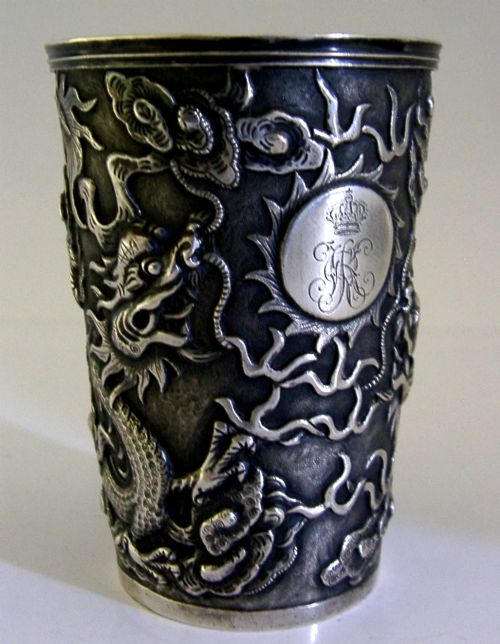
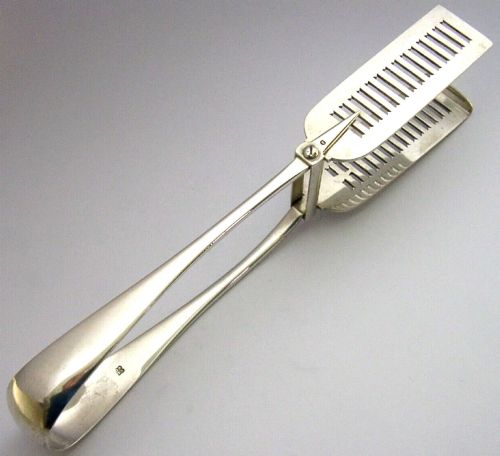
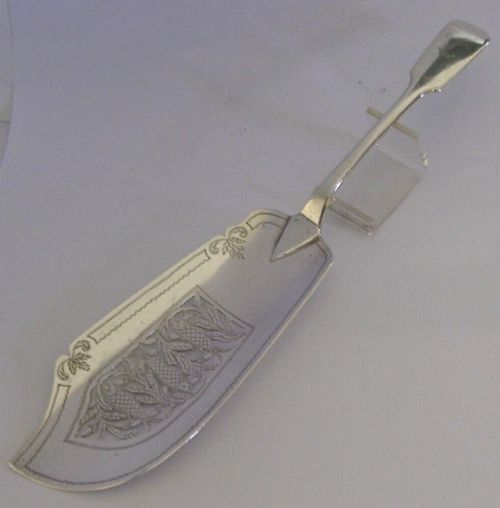
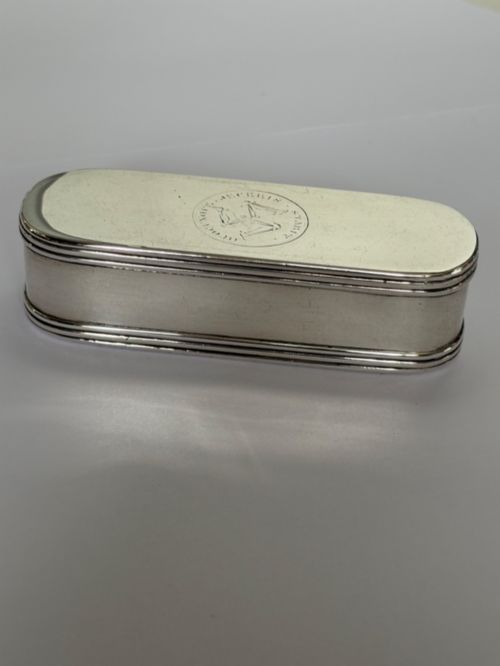
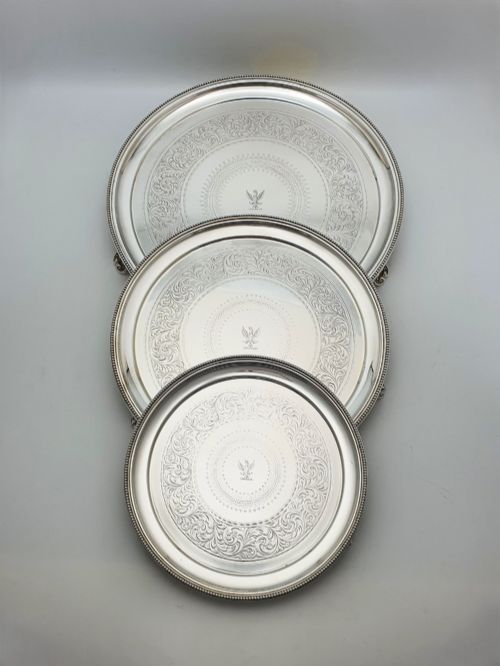
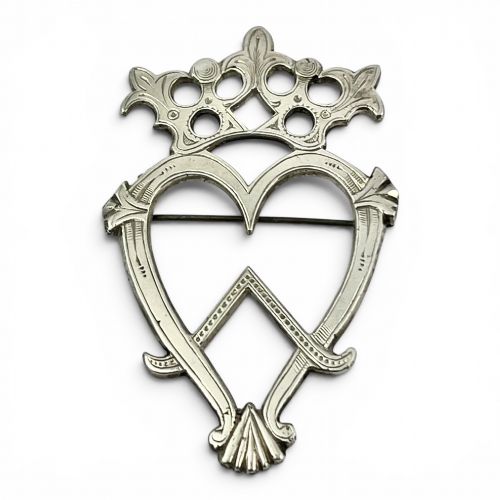
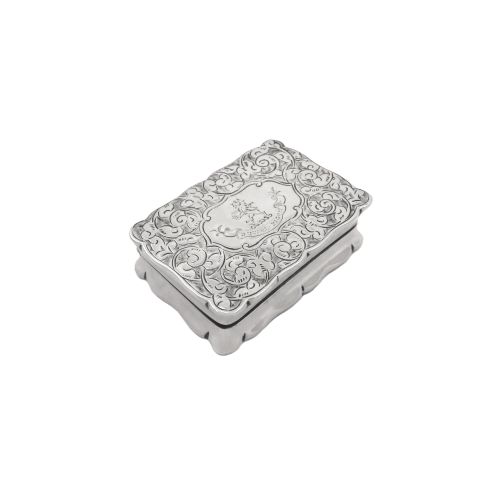
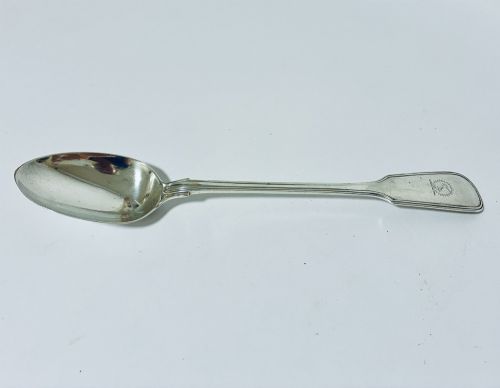
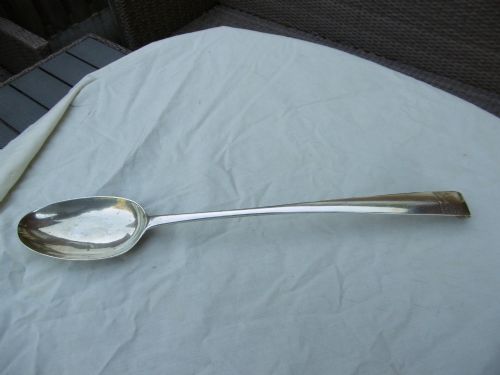
Crest engraved silver spans the eighteenth, nineteenth and early twentieth centuries, covering Georgian, Victorian and Edwardian periods. Pieces range from small personal items like snuff boxes, trinket boxes and caddy spoons to larger dining silver including salvers, coffee pots, serving tongs, basting spoons and goblets.
Origin points include English, Irish, Scottish, French, Chinese Export and Anglo-Indian workshops. Buyers seeking crest engraved silver most frequently encounter flatware, holloware and boxes bearing individual family crests or monograms.
Materials and construction
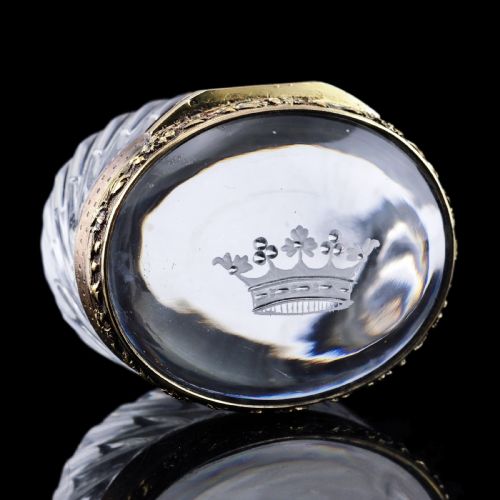
Items are constructed primarily from sterling silver, silver plate and Old Sheffield Plate, occasionally mounted with glass, wood, copper or silver gilt. Heraldic devices are hand-engraved onto the metal surface using sharp gravers to cut lines representing the family crest, motto or coat of arms.
Silver components are shaped through casting, hammering and chasing, while Old Sheffield Plate combines a thin layer of silver fused to a copper base. Silver gilt pieces feature a layer of gold applied to the silver surface.
Crest Engraved Silver Retail Price Guide 2026
Typical asking prices for crest engraved silver among the pieces listed under this phrase on Sellingantiques today, from the lower quarter to the upper quarter. They describe what is for sale here now, not the wider market.
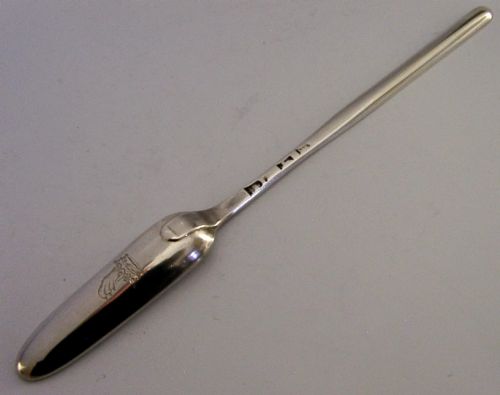
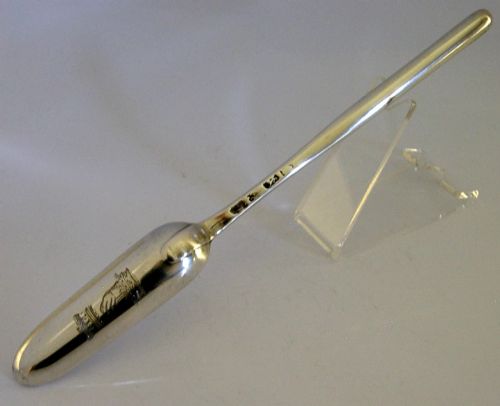
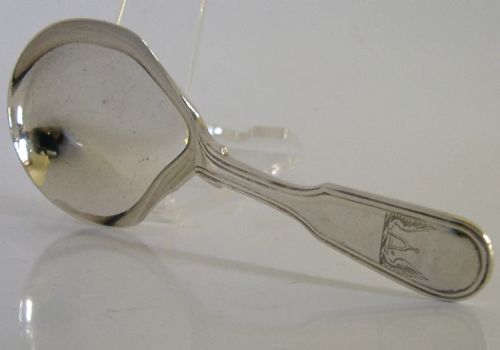
An eighteenth-century Irish spoon carries a crest so distinct it outlasted the family dining table.
Assessing quality
Quality rests upon the crispness of the heraldic engraving and the proportional balance of the object itself. Sharp, deep cuts in the silver define the lines of a crest clearly, whereas worn or shallow engraving loses detail.
Maker marks, town marks and date letters stamped into the metal indicate standard and origin. Substantial gauge silver and well-preserved plating distinguish finer pieces from lighter, more utilitarian items.
Cornelius Bland·Joseph Willmore·Matthew Boulton·Elkington·Jane Brownett Alexander Jones
The Crest Engraved Silver Glossary
- Crest
- The upper part of a coat of arms, often depicting an animal or symbolic object. It appears engraved on silver alongside or separate from the full armorial achievement.
- Cypher
- Monogram formed of intertwined letters or initials. It serves as a personal identifier on silver items in place of a full family crest.
- Old Sheffield Plate
- A material made by fusing a sheet of silver to a copper core. It predates electroplating and shows a thin line of copper where the edge is exposed.
- Silver Gilt
- Sterling silver that has been coated with a thin layer of gold. This technique provides a golden interior for items like goblets and presentation boxes.
- Muffineer
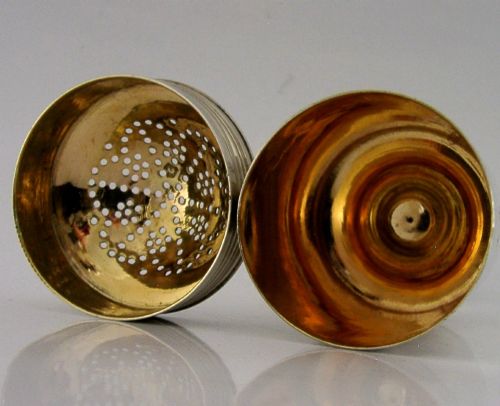
- A small caster used for sprinkling sugar or salt over food. These often bear engraved family crests on the bulbous or cylindrical body.
Crest Engraved Silver: Frequently Asked Questions
What is crest engraved silver?
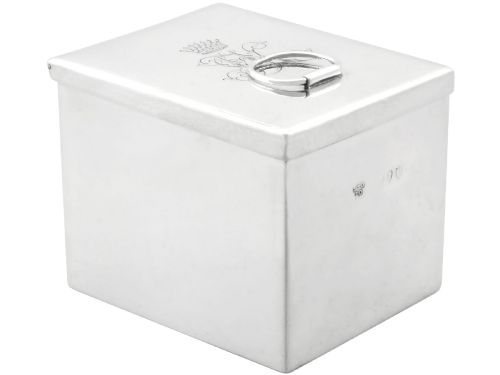
Crest engraved silver refers to tableware, cutlery, boxes and decorative items bearing hand-engraved family crests, coats of arms or monograms.
These engravings identify the original owning family, often linked to noble houses, regiments or prominent individuals.
How were these items used?
Items like snuff boxes, tea caddies and salvers were used in daily domestic life for dining, letter writing and personal grooming.
Displaying family crests on these objects signaled social standing and lineage to guests and visitors.
What is Old Sheffield Plate?
Old Sheffield Plate is an early form of plated metal created by fusing silver and copper together under heat before rolling them into sheets.
Items made this way possess a distinct weight and structure different from solid silver or later electroplated wares.