



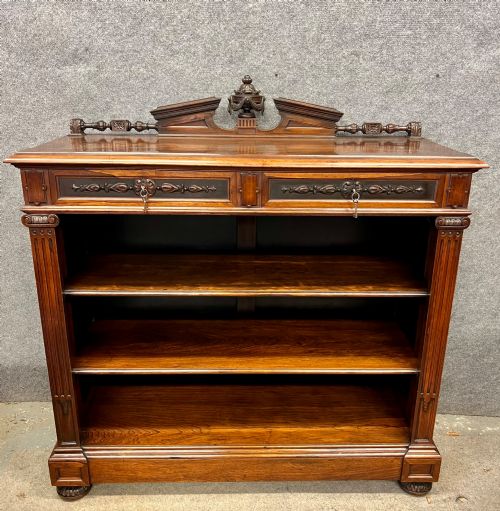
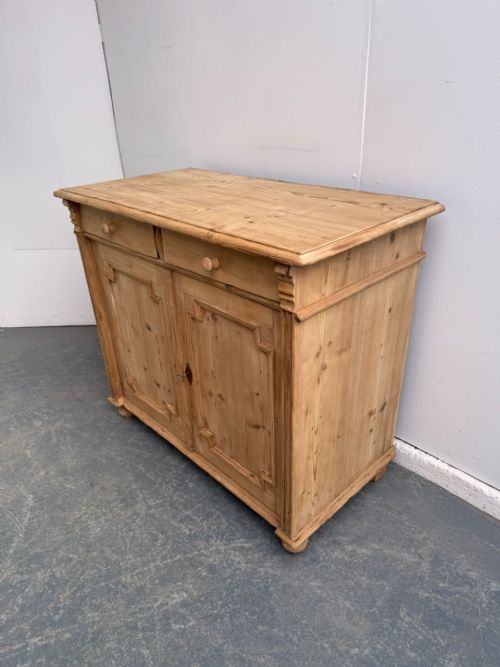
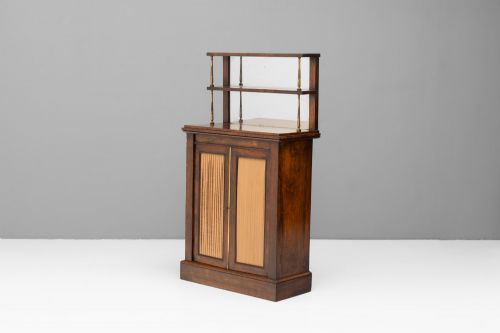


Credenza Cabinet Unit
A credenza cabinet unit offers substantial storage and surface display, bringing refined timber and glass to a room.
Credenza Cabinet Unit
A credenza cabinet unit groups together low storage vessels, sideboards, and display cabinets found across nineteenth-century and early twentieth-century periods.
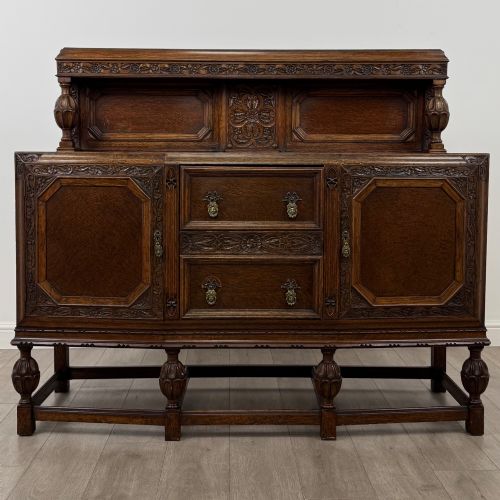
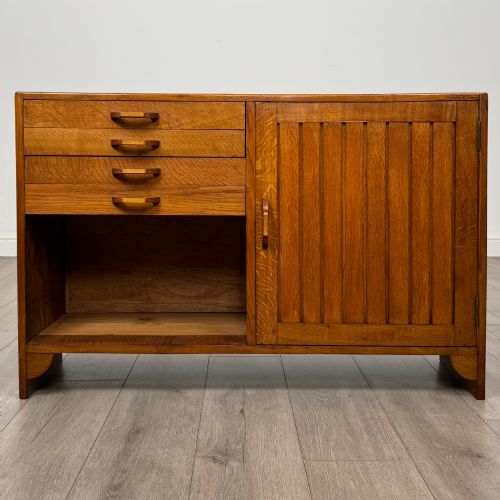
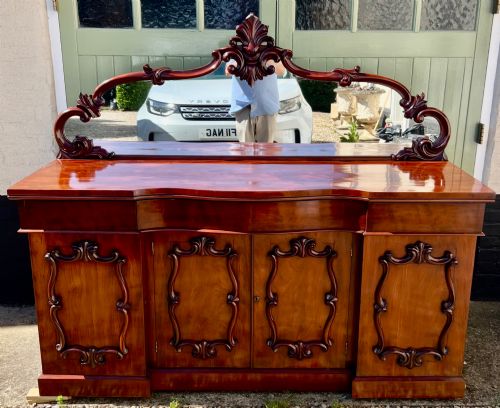
Buyers seeking a credenza cabinet unit encounter Victorian mahogany side cabinets, Edwardian oak sideboards, and occasional porcelain-mounted tabletop credenzas.
Makers and workshops from Regency, Victorian, and Art Deco eras shape these functional storage items using durable hardwoods and painted pines.
How they were made
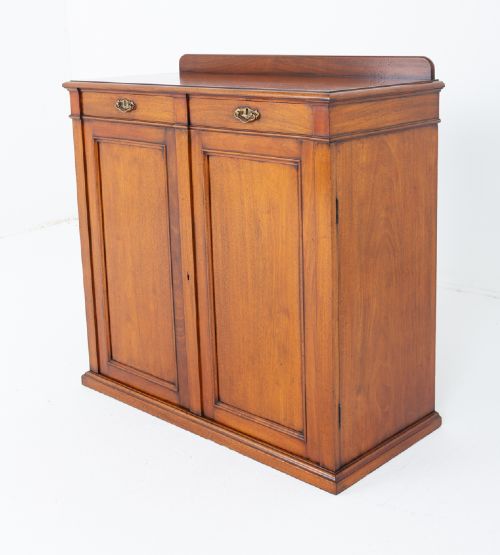
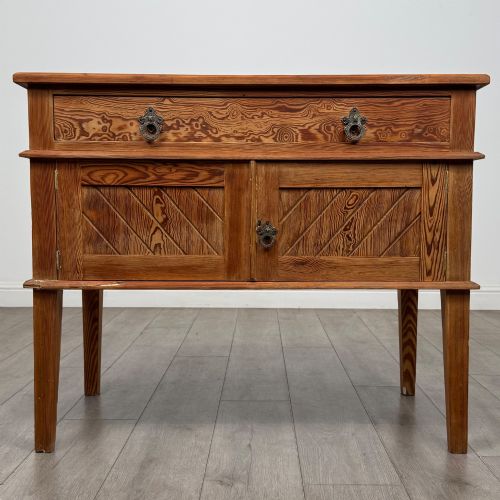
Cabinet makers utilised dense hardwoods such as mahogany, rosewood, walnut, and oak alongside pine carcases for structural longevity.
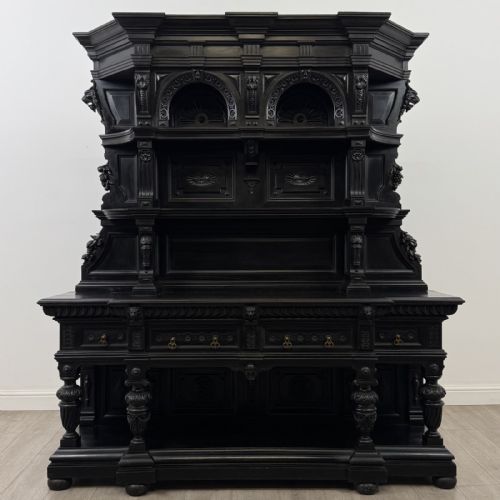
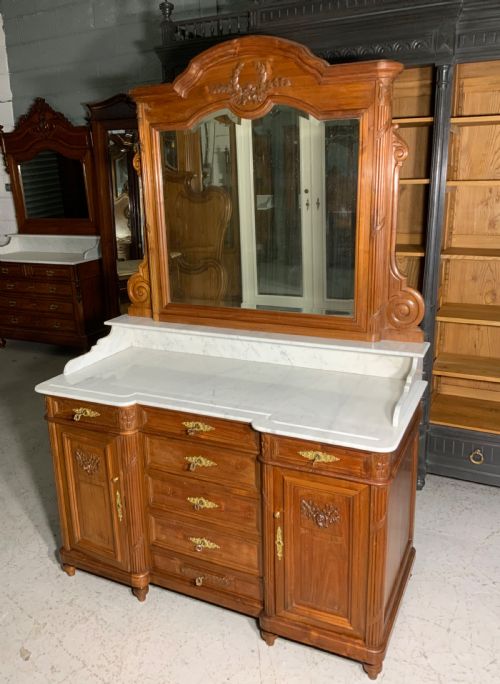
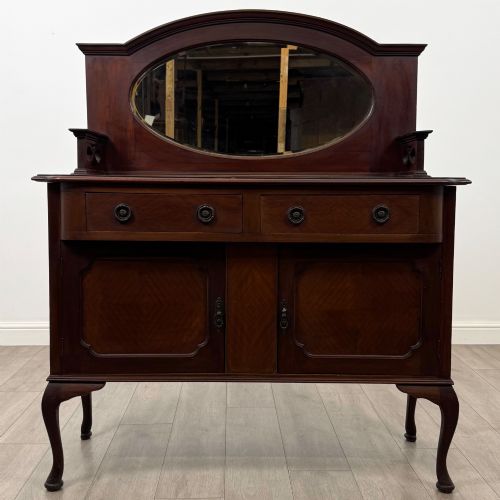
Decorative detailing relies on brass inlay, ormolu mounts, porcelain plaques, and carved lion masks or oval mirror backs.
Surfaces feature polished timber veneers, satinwood inlays, or painted finishes depending on the stylistic period.
Credenza Cabinet Unit Retail Price Guide 2026
Typical asking prices for credenza cabinet unit among the pieces listed under this phrase on Sellingantiques today, from the lower quarter to the upper quarter. They describe what is for sale here now, not the wider market.
Listings span from the 1800s through the Edwardian period and Art Deco era, utilising mahogany, oak, rosewood, and pine.
What varies in quality
Construction standards differ between straightforward utility cupboards and elaborately figured walnut or rosewood pieces with intricate brass work.
The choice of primary timber and secondary framing woods dictates the structural integrity and visual weight of the item.
Refined surface carving, matched wood grains, and original hardware elevate the standing of individual cabinets.
Robert Strahan·Gillows
The Credenza Cabinet Unit Glossary
- Credenza
- A low cabinet or sideboard traditionally used for serving food or displaying decorative objects.
- Chiffonier
- A compact sideboard or cabinet featuring shelves or a raised superstructure, popular during the nineteenth century.
- Ormolu
- Gilded bronze used for decorative mounts and furniture ornamentation.
- Break-front
- A piece of furniture where the central section projects forward from the flanking sides.
- Tambour
- A door constructed of narrow vertical strips of wood glued to a canvas backing, allowing it to slide around a curve.
Credenza Cabinet Unit: Frequently Asked Questions
Where should I place a credenza cabinet unit?
These cabinets suit dining rooms, living spaces, or hallways where surface display and concealed storage are both required.
Ensure adequate clearance for doors or drawers to open fully against surrounding walls.
How do I care for antique timber cabinets?
Keep wooden surfaces away from direct heat sources and strong sunlight to prevent the timber and veneers from drying out.
Apply suitable beeswax periodically to nourish the polished grain.
What is the difference between a sideboard and a credenza?
Sideboards typically feature more storage capacity with cupboards and drawers designed for dining utensils.
Credenzas often sit lower and incorporate display sections or decorative mounts.
Can I store books inside these cabinets?
Enclosed cupboards and sideboards accommodate books safely behind doors, protecting paper from dust and light.
Check shelf depth and weight capacity before loading heavy volumes.