


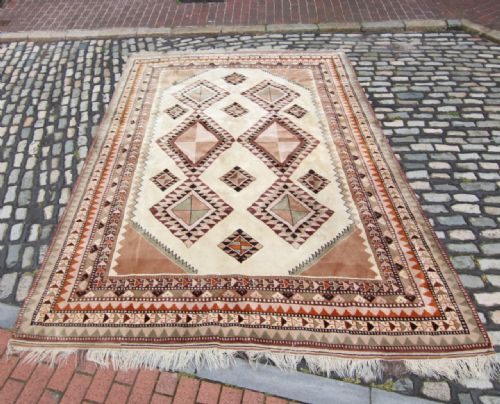
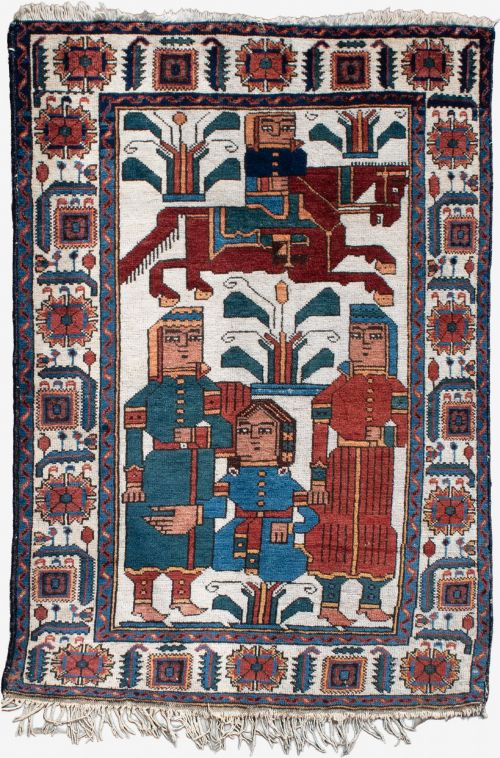
Cream Wool Persian Carpet
A cream wool persian carpet brings warmth and textural depth to a room through centuries-old regional weaving traditions.
Cream Wool Persian Carpet
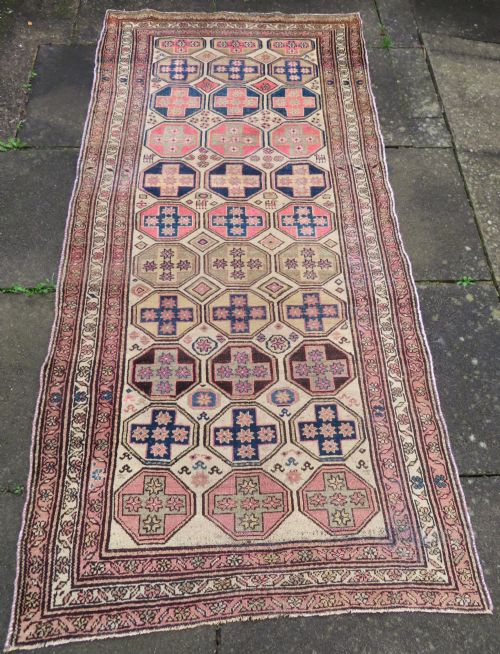
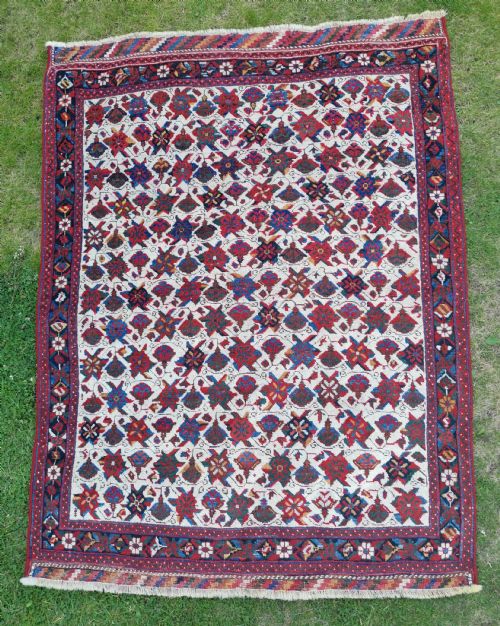
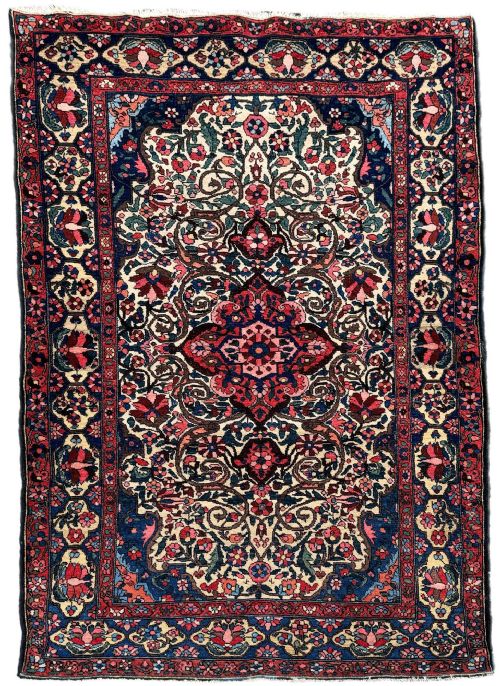
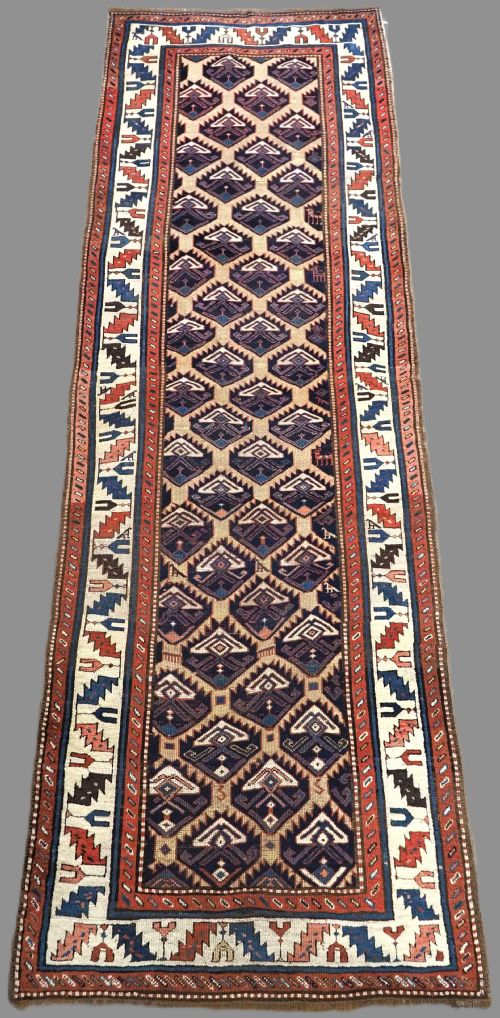
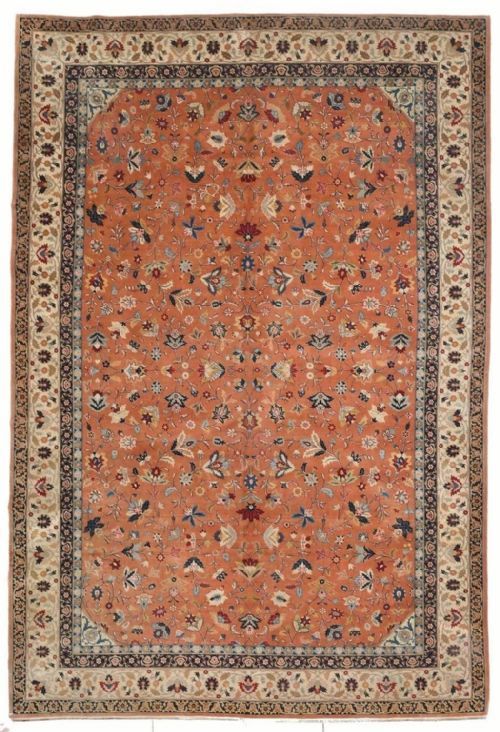
A cream wool persian carpet represents woven floor coverings originating from various regions across Persia, spanning the late nineteenth century through the early twentieth century. These textiles include room-sized carpets, runners, and smaller area rugs bearing traditional motifs and tribal patterns.
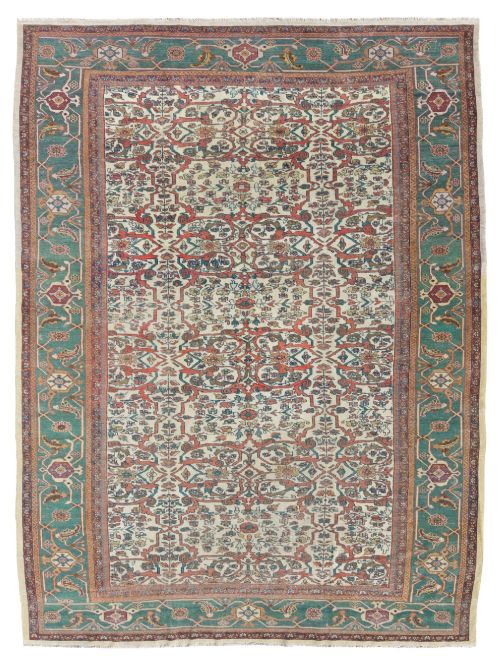
Buyers encountering this selection will find examples originating from workshops and tribal centres such as Tabriz, Heriz, Kirman, and Sultanabad. The dominant use of wool combined with lighter ground colours provides a versatile palette suited to diverse interior settings.
Materials and construction methods
The primary materials recorded in these textiles are wool and cotton, occasionally accompanied by silk details, utilised for foundations and pile alike. Artisans hand-wove these floor coverings on vertical and horizontal looms using traditional knotting techniques specific to each weaving community.
Natural dye stuffs and traditional yarn preparation imparted durable colours that soften gracefully over decades of use. The density of the weave and the quality of the spun wool determine the physical weight and handle of each individual carpet.
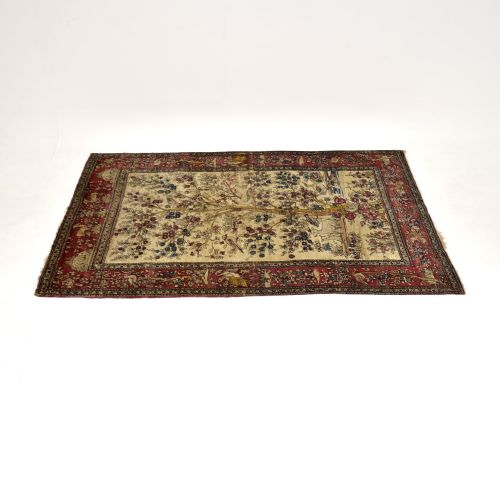
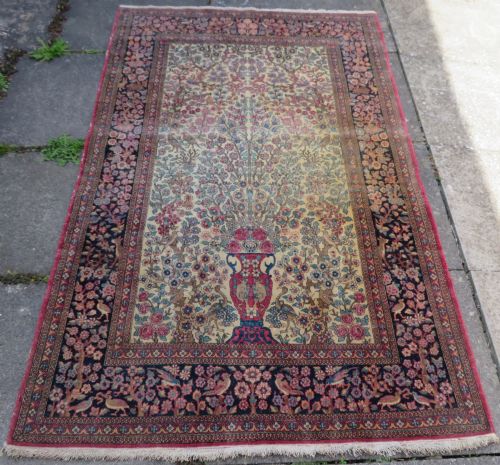
Tree of life designs quietly invite wandering birds and blooming branches directly onto the floorboards.
Assessing quality in antique Persian carpets
Quality in these carpets rests upon the tightness of the weave, the precision of the design execution, and the fineness of the spun wool utilised in the pile. Workshop carpets from centres like Tabriz or Kirman often display greater symmetry and intricate floral articulation compared to nomadic tribal pieces.
The integrity of the foundation threads and the uniformity of the pile wear dictate the structural longevity of the piece. Master weavers achieved exceptional detail through rigorous knot counts, which directly influenced the crispness of geometric and floral motifs.
Benlian·Ahmadi
The Cream Wool Persian Carpet Glossary
- Pile
- The upright yarn loops that form the usable surface of a carpet. This soft layer absorbs foot traffic and displays the woven design.
- Warp
- The stationary vertical threads stretched tightly on the loom before weaving begins. Weft threads pass horizontally between these structural elements to secure the knots.
- Kilim
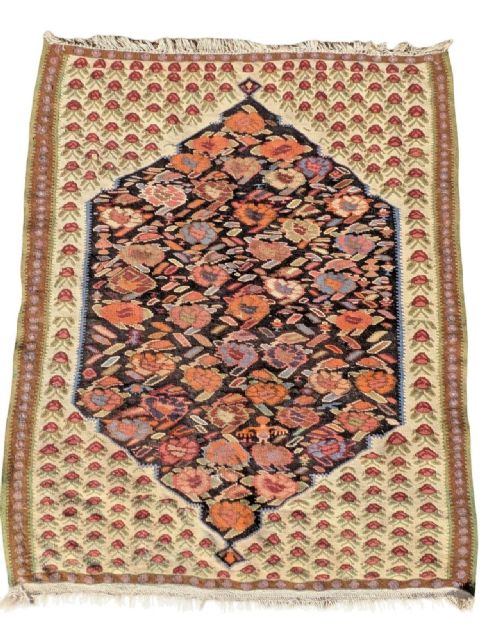
- A flat-woven carpet or rug produced without a pile. These pieces are typically lighter in weight and feature sharp geometric patterns.
- Prayer rug
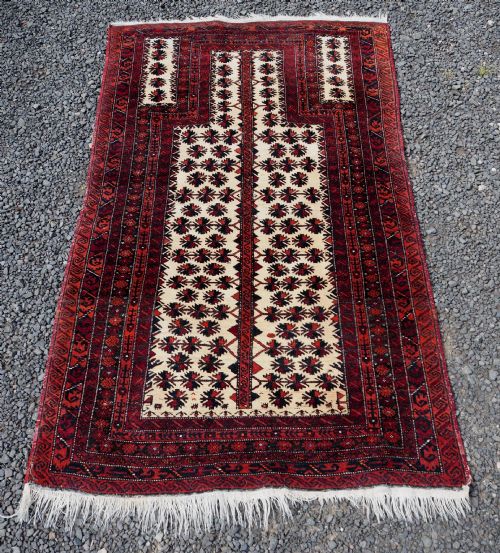
- A small rug designed for devotional use, traditionally featuring a mihrab or arch motif pointing toward Mecca. These pieces were often woven by village and tribal groups.
- Medallion
- A symmetrical central ornament placed in the field of a carpet. This design focal point is common in urban workshop productions.
Cream Wool Persian Carpet: Frequently Asked Questions
How do I clean an antique wool carpet?
Professional specialist cleaning is recommended for antique wool carpets to protect natural dyes and fragile fibres. Regular gentle vacuuming without a beater bar removes surface dust safely.
Avoid using domestic wet extraction methods or harsh chemical detergents on vintage pile. Prompt attention to accidental spills by blotting prevents moisture from penetrating the cotton foundation.
Can these carpets handle heavy hallway traffic?
Sturdy village and tribal runner rugs were constructed for daily household use in busy thoroughfares. Dense wool pile naturally resists crushing and sheds dirt effectively under normal conditions.
Placing a quality underlay beneath the rug prevents slipping and reduces friction against hard flooring. This simple addition significantly extends the working life of older textiles.
How do I identify a village rug from a workshop piece?
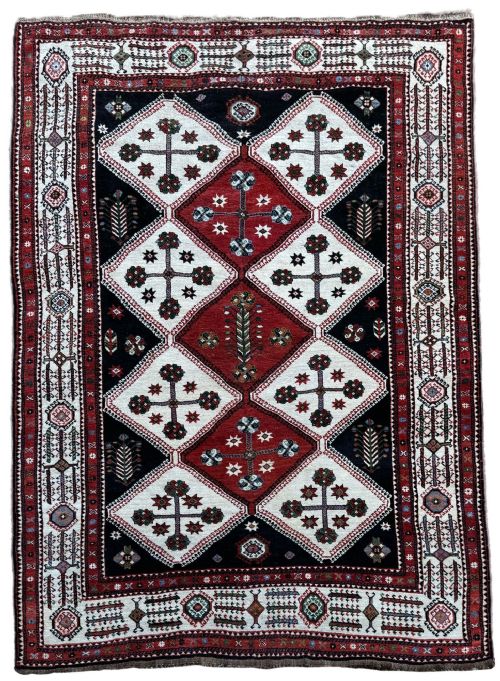
Village and tribal rugs often exhibit spontaneous design variations and slightly irregular geometric layouts reflecting maker creativity. Workshop carpets generally display highly symmetrical floral compositions and precise cartographic planning.
Materials and knot density also offer clues regarding provenance and production scale. Urban centres utilised refined looms, whereas nomadic weavers employed portable structures.
Why do antique carpets show colour variations?
Natural dye ingredients reacted differently to water, minerals, and light exposure over many decades of use. This natural ageing process creates subtle shifts known as abrash, adding visual depth to the wool.
Even fading across a surface demonstrates genuine age and organic dye composition. Embracing these gentle tonal changes highlights the historical authenticity of the textile.