



Cream Watercolour Artwork
These cream watercolour artwork pieces bring delicate nineteenth and twentieth century scenes to interior walls.
Cream Watercolour Artwork
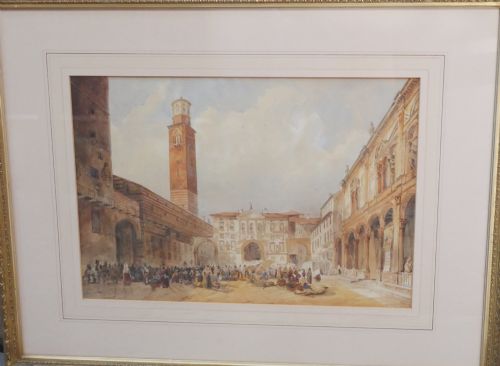
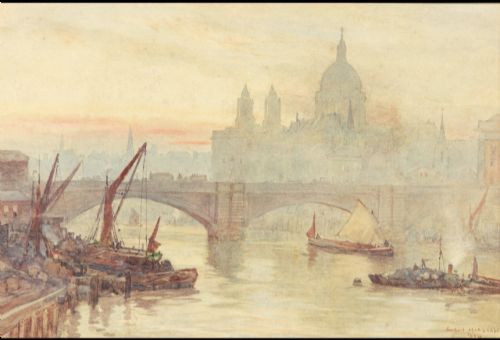
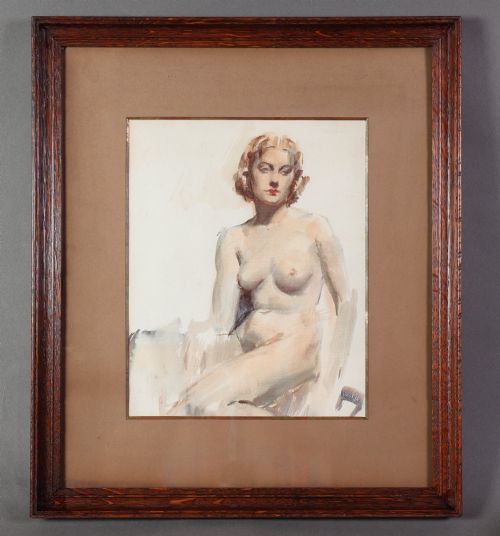
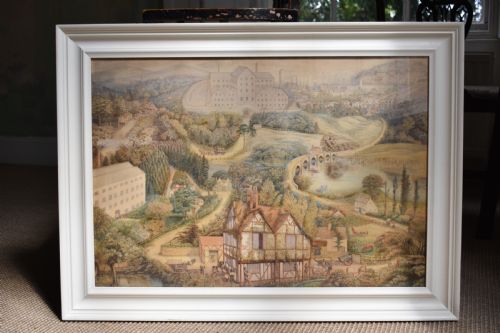
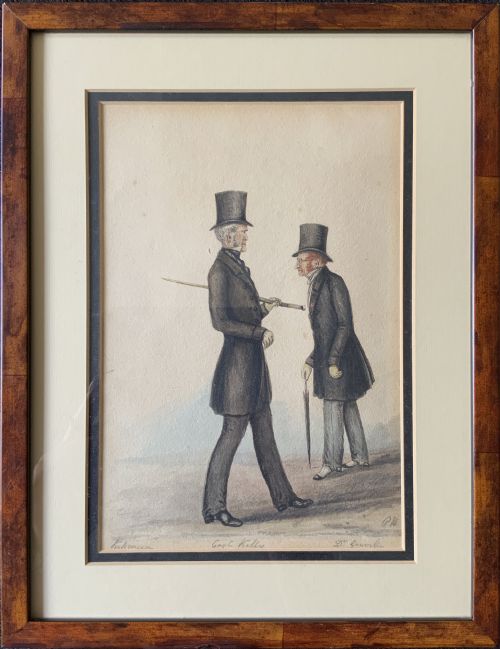
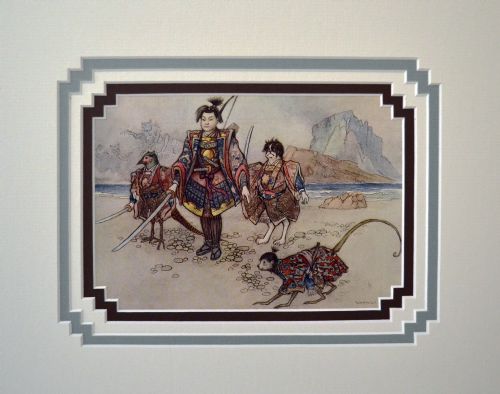
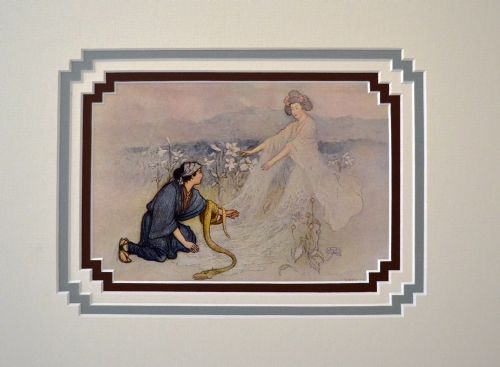
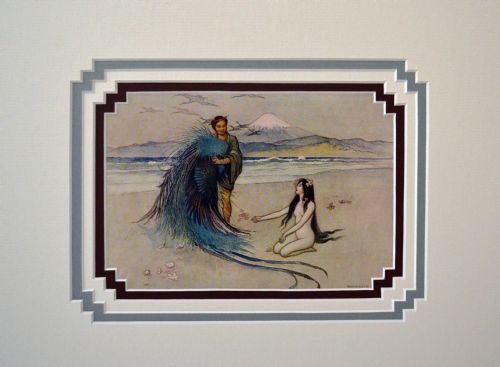
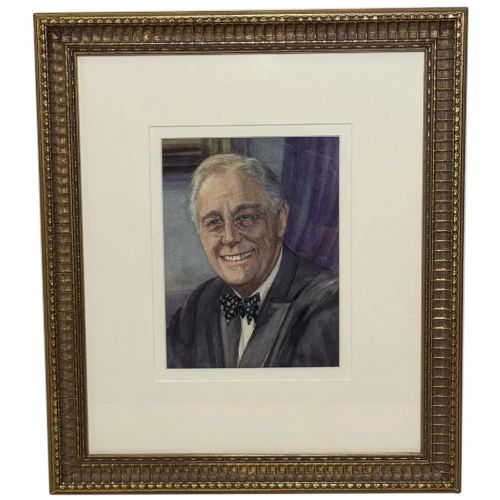
When searching for cream watercolour artwork, buyers encounter original paper paintings spanning the Regency, Victorian, Edwardian, and early twentieth century periods. The selection contains framed landscapes, architectural studies, animal scenes, and character portraits created by British and international artists.
Most pieces on this page reflect traditional painting styles, including British Impressionism, Grand Tour travel views, and early twentieth century illustration. Works on paper often feature soft neutral grounds, sepia tones, and muted pigments that highlight the natural texture of the support.
Subjects range from Venetian canals and Welsh estuaries to pastoral landscapes with livestock, domestic animals, and detailed figure studies. These works on paper appear within period frames of wood and gilt, preserved behind protective glass.
How they were made
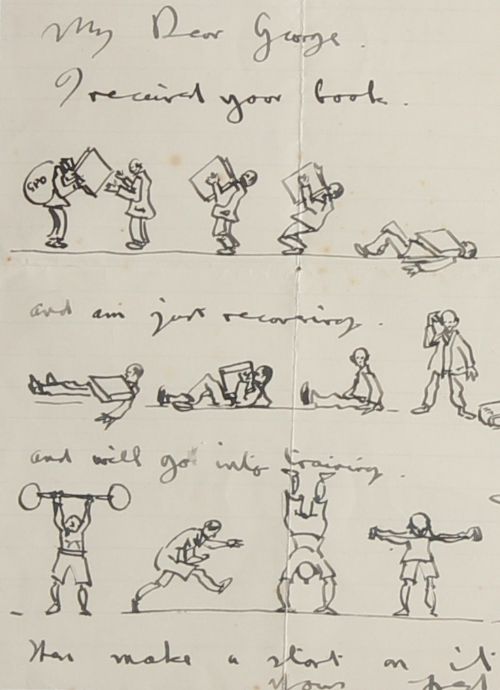
Artists painted these works using water-soluble pigments, gouache, and ink applied directly to absorbent paper supports. Touches of bodycolour provided opacity for highlights, while pencil underdrawings mapped out the compositions before colour application.
Finished paintings were typically secured behind glass within wooden frames, sometimes embellished with gilt mouldings to complement the domestic interiors of the nineteenth and early twentieth centuries.
Cream Watercolour Artwork Retail Price Guide 2026
Typical asking prices for cream watercolour artwork among the pieces listed under this phrase on Sellingantiques today, from the lower quarter to the upper quarter. They describe what is for sale here now, not the wider market.
Listings span the nineteenth and twentieth centuries, featuring paper, watercolour, gouache, ink, and gilt wood across multiple decorative styles.
What varies in quality
Quality in these watercolours depends upon the sureness of the brushwork, the preservation of pigment vibrancy against fading, and the structural integrity of the paper support. Superior examples demonstrate a confident handling of light and atmospheric depth.
The sophistication of the composition and the historical documentation of the artist further distinguish individual pieces, alongside the survival of original period frames and backing materials.
Fred Lawson·Richard Henry Wright·Warwick Goble·Oswald Garside·Cornelius Pearson·Alice Anne Renshaw·William Frederick Settle·J Hardy·Helena Maguire·Edith Barrow·Stanley Orchart·James H Hulse·John Atkinson·Margaret Laing·John McDougal·Mabel Gear·William Russell Flint·Takashi Nakayama·Henry Wimbush·Karl Feiertag·Laura Knight·Belisario Gioja
The Cream Watercolour Artwork Glossary
- Gouache
- An opaque water-based pigment that provides solid colour and bright highlights on paper. It differs from transparent watercolour through the addition of a white inert pigment.
- Grand Tour
- A traditional trip through Europe undertaken by upper-class young men in the eighteenth and nineteenth centuries to study classical art and architecture. Resulting watercolours recorded famous ruins and foreign landmarks.
- Works on paper
- A collective term for artistic creations executed on paper supports, including watercolours, drawings, prints, and sketches. They require protection from direct sunlight to prevent fading.
- Gilt wood
- Timber frames treated with a thin layer of gold leaf or metallic powder. They frequently accompany antique paintings to enhance the visual presentation of the artwork.
Cream Watercolour Artwork: Frequently Asked Questions
How should I hang watercolour paintings?
Watercolours require placement away from direct sunlight and strong artificial heat sources to protect the delicate pigments and paper supports from fading and degradation over time.
Using conservation-grade framing materials with UV-filtering glass further safeguards these historic works against environmental damage in domestic rooms.
What periods do these artworks cover?
The listings span from the Regency era through the Victorian and Edwardian periods into the early twentieth century, including the 1920s and 1930s.
Individual pieces often display stylistic markers specific to their decade of creation, from detailed topographical views to impressionistic brushwork.
Are these paintings original works?
Most items listed are unique, hand-painted works on paper created using watercolour, ink, or gouache, though the selection also contains occasional period prints and illustrated book plates.
Signatures, dates, and inscriptions recorded in the titles help identify individual artists and the exact circumstances of their creation.
How do I identify Victorian watercolours?
Victorian watercolours frequently exhibit meticulous attention to detail, traditional subject matter like pastoral landscapes or domestic animals, and distinct nineteenth-century framing techniques.
Signatures, artist biographies, and contemporary inscriptions on the reverse often confirm the date and origin of the painting.