


Cream Shade Lamps
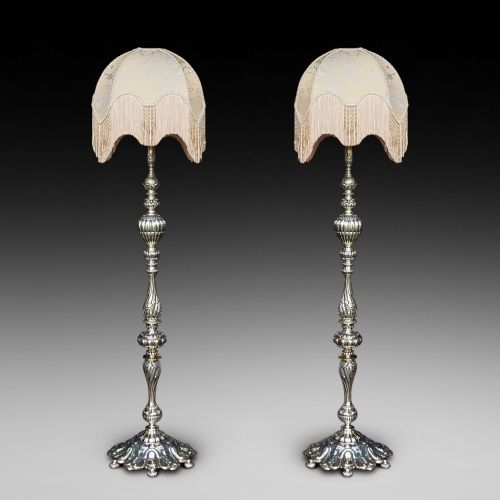
Cream shade lamps combine soft illumination with period character, offering everything from converted vases to brass standards.
Cream Shade Lamps
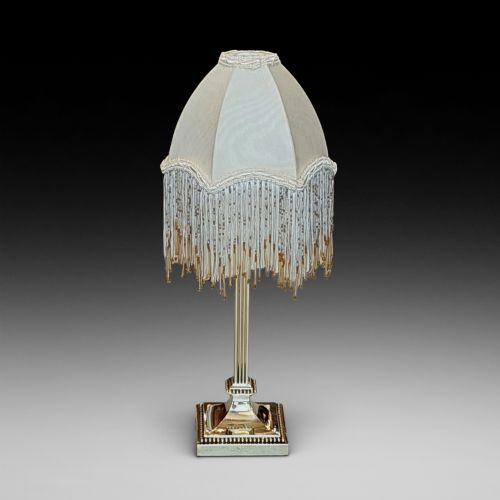
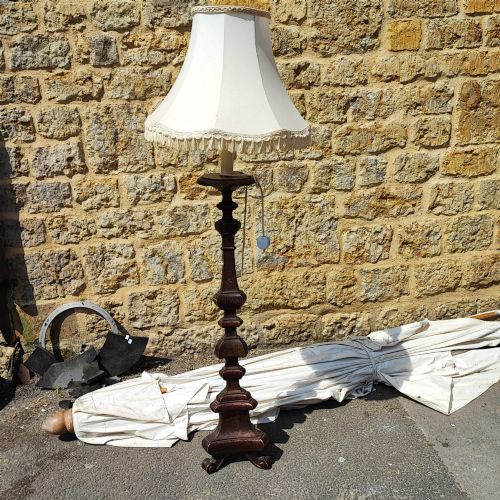
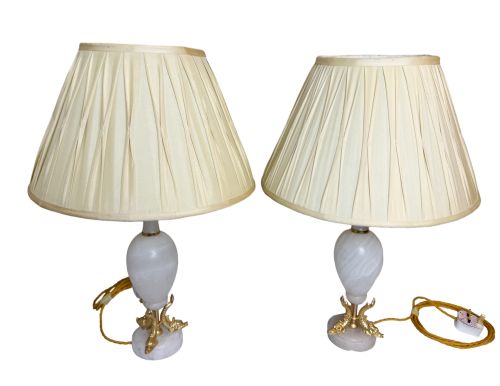
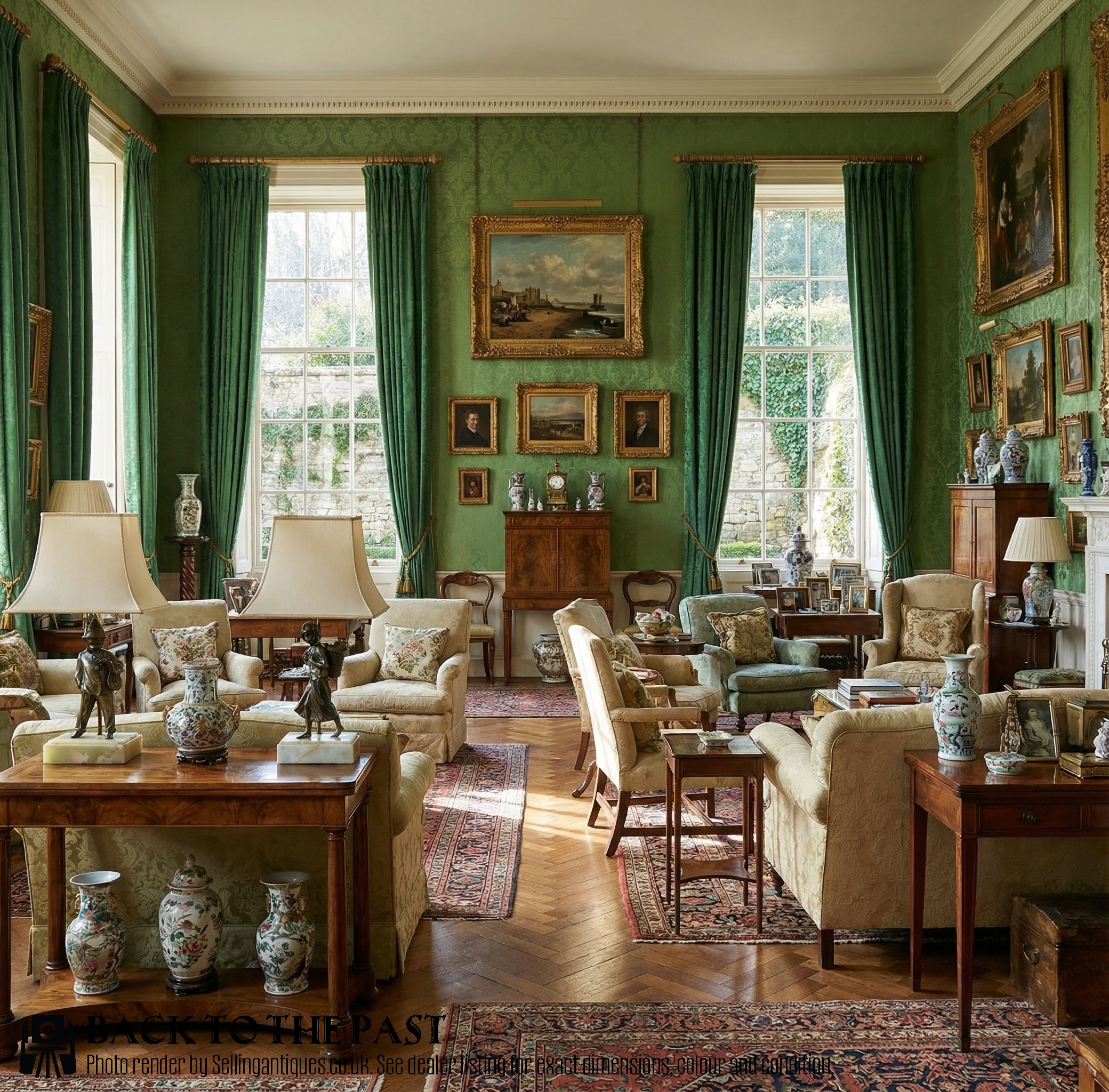
Cream shade lamps encompass a wide range of lighting fixtures, from towering floor lamps to delicate porcelain table lamps. Buyers seeking cream shade lamps will encounter pieces spanning the nineteenth and early twentieth centuries, including Edwardian and Art Deco designs.
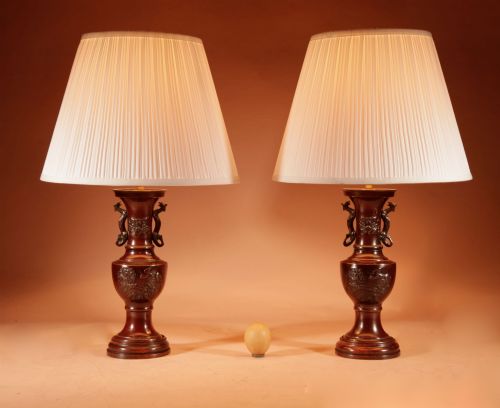
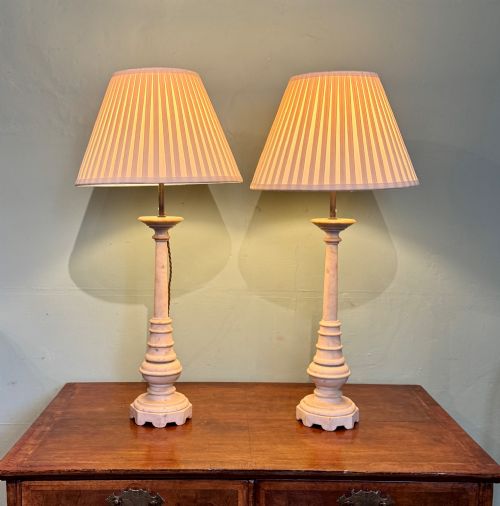
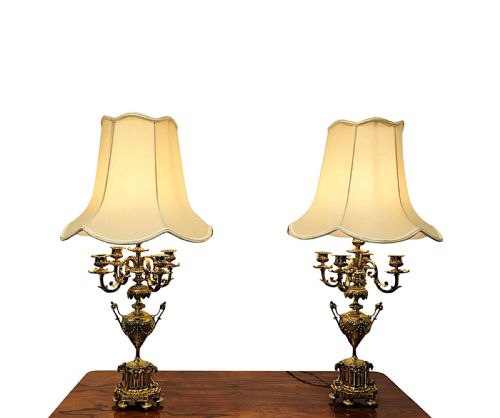
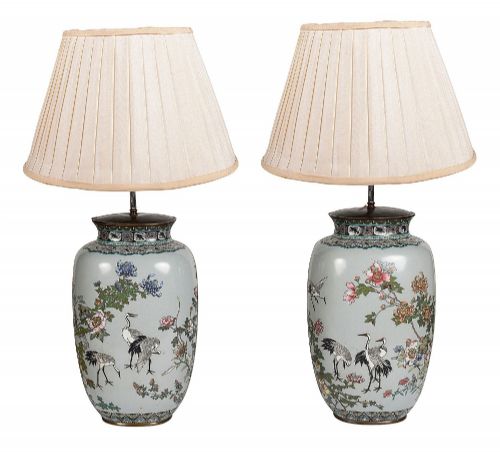
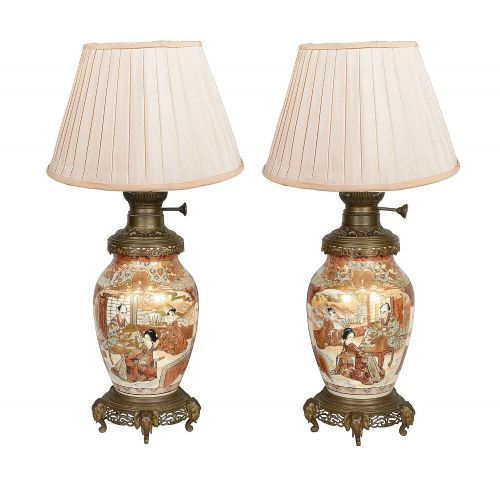
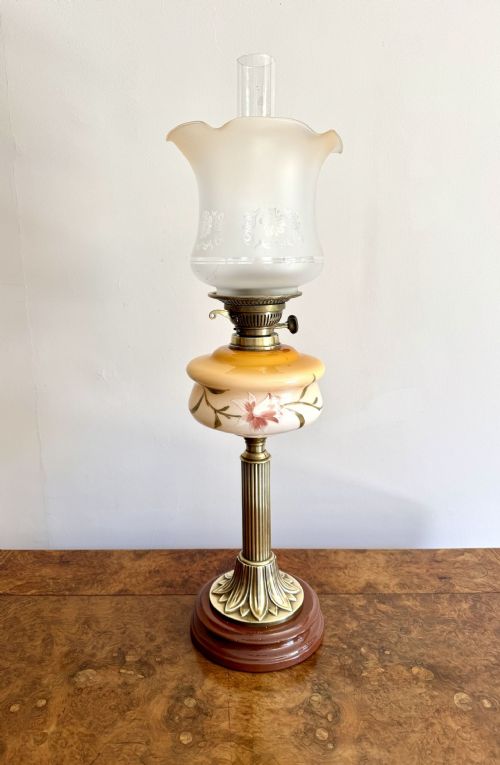
The selection frequently includes converted oil lamps, candelabra, and antique vases fitted for electricity. Materials range from brass and bronze to marble, alabaster, ceramic, and carved wood.
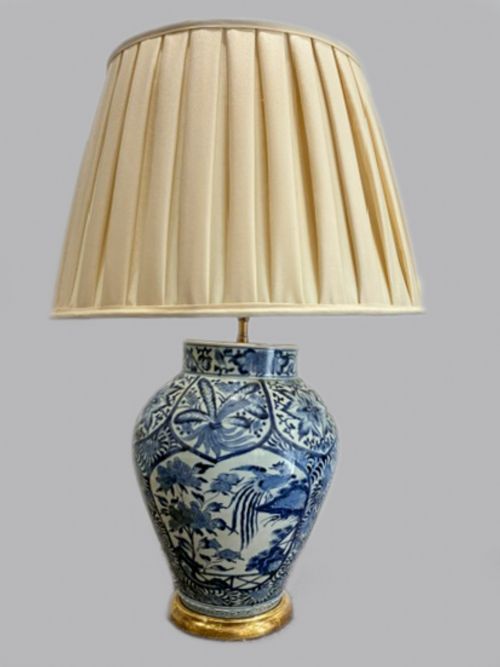
Origin styles draw heavily from French Neoclassical, Victorian, and Japanese aesthetics, such as Satsuma and Meiji period ceramics. Fabric and silk shades often complement these bodies, diffusing light softly across the room.
Materials and construction
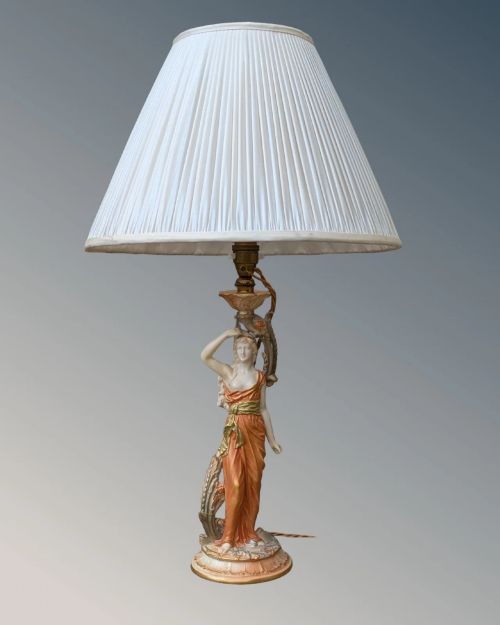
Metalwork utilises cast brass, ormolu, and wrought iron, often paired with heavy marble or onyx bases for stability. Artisans shaped these components by hand, incorporating intricate gilt bronze trim and patinated finishes.
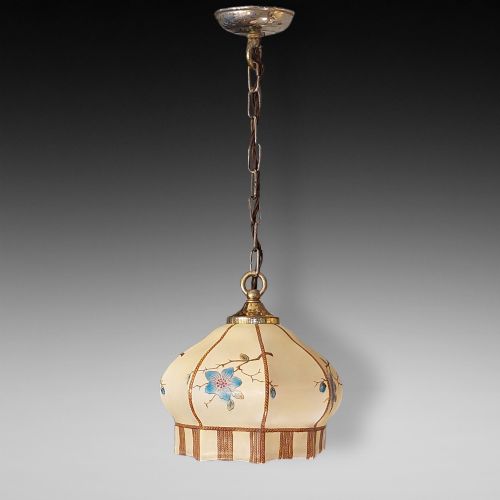
Ceramic and glass bodies rely on traditional pottery and glassblowing techniques, seen in Satsuma earthenware, porcelain, and moulded glass shades. Many historic examples were later adapted from oil lamps, vases, or candlesticks into functional electric lamps.
Assessing quality
Quality rests in the weight and integrity of the materials, from heavy solid brass and genuine marble to finely potted porcelain. Superior pieces display crisp casting detail in metal mounts and hand-painted artistry on ceramic bodies rather than mass-produced transfer prints.
Proportion and conversion methods separate standard examples from exceptional ones. Skilfully executed adaptations preserve the original antique body while integrating wiring cleanly, whereas lesser pieces compromise the structural balance of the antique component.
Ernst Bohne Sohn·Denby Ware·Royal Worcester
The Cream Shade Lamps Glossary
- Ormolu
- Gilt bronze mounted on decorative objects and furniture. This technique involves applying a finely ground gold-mercury amalgam to bronze.
- Standard lamp
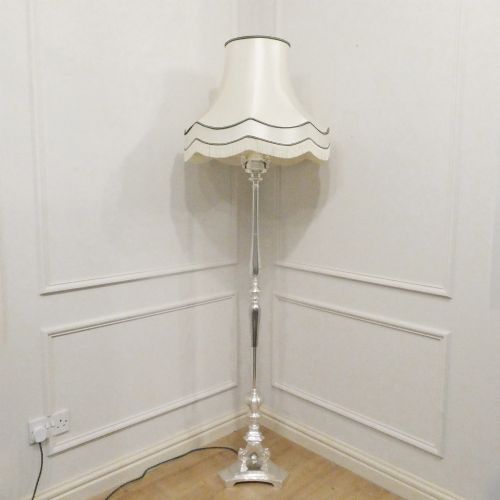
- A freestanding floor lamp designed to illuminate a room from a vertical pillar. These often feature adjustable arms or heavy tripod bases.
- Cloisonné
- Enamelling technique where thin metal wire creates compartments on a metal base. These cells are filled with vitreous enamel paste and fired.
- Candelabra
- Branched candlestick holder designed for multiple candles. Many antique examples are later converted to hold electrical fittings.
Cream Shade Lamps: Frequently Asked Questions
How do I date an antique lamp?
Dating relies on examining the materials, manufacturing marks, and construction techniques used in the base. Stylistic details like Neoclassical or Art Deco motifs also provide clear indicators of the period.
Electrical wiring and lamp fittings are usually modern replacements, as original historic wiring rarely survives. Inspect the base and hardware rather than the cord for authentic age markers.
Can I use modern lamp shades?
Modern lamp shades fit most antique lamp bases provided the fitter size matches the bulb holder. Silk and fabric shades in neutral tones complement the traditional aesthetic of these pieces.
Proportion remains the main consideration when pairing a shade with an antique base. Ensure the height and width balance the visual weight of the lamp body.
What is a converted lamp?
A converted lamp is a historic object, such as an oil lamp, vase, or candlestick, adapted for modern electrical use. This practice gives antique decorative items a new practical purpose.
Conversion methods vary depending on the age and material of the piece. Expert conversions preserve the structural integrity of the original antique without causing permanent damage.
Where should I place a floor lamp?
Floor lamps suit corners, reading areas, and spaces lacking surface furniture for table lamps. Standard lamps provide ambient illumination and draw the eye upward in a room.
Tall brass or wooden floor lamps pair well with traditional seating arrangements. Ensure the placement allows safe access to the power source without straining the cord.