
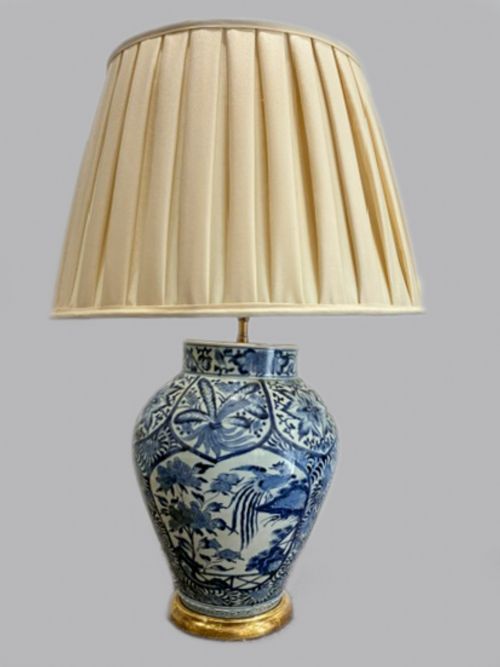
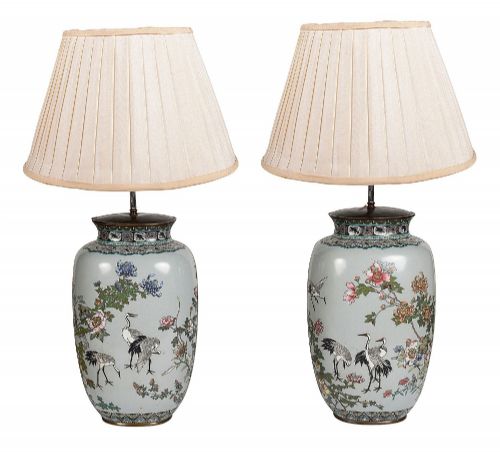
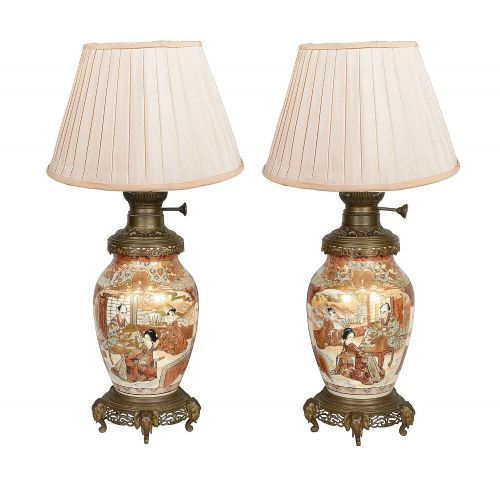

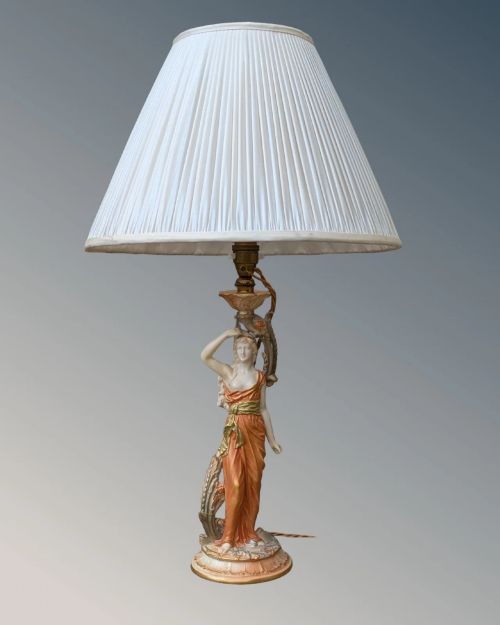


Cream Shade Ceramic Lamp
These cream shade ceramic lamp pieces bring together period pottery and textured light, offering an authentic touch of history to any room.
Cream Shade Ceramic Lamp
A cream shade ceramic lamp combines historical ceramic vessels with fitted illumination, drawing on centuries of global pottery traditions. When exploring this selection, buyers will encounter converted vases and purpose-built table lamps spanning multiple eras from the seventeenth century through the twentieth century.
The ceramic bodies range from Japanese Satsuma and Chinese export porcelain to European earthenware and stoneware. Many examples pair these ceramic forms with fabric or silk shades in neutral cream tones, highlighting the intricate hand-painted details and glazes of the original vessels.
How they were made
Makers shaped these pieces using traditional ceramic techniques, applying glazes such as blue and white, crackleware, and flambe before firing. Many of the Asian and European vessels utilised in these lamps feature hand-painted pigments and intricate enamel work applied directly to the porcelain or earthenware body.
Conversion into functional lighting often involved mounting the ceramic base with brass, giltwood, or ormolu fittings to secure the electrical components. Fabric, silk, and creamware elements were then paired with the completed body to soften the illumination.
Listings feature ceramics from the 17th Century to the 1930s, utilising porcelain, earthenware, brass, and silk.
What varies in quality
The distinction between standard and exceptional pieces rests upon the original craftsmanship of the ceramic body and the preservation of its glaze. Finer examples display crisp hand-painted detail, rich enamel work, and well-balanced proportions that survived the conversion process intact.
Mounting hardware and secondary materials also indicate quality, with refined brass or ormolu fittings elevating the piece. The integration of the electrical fittings without compromising the structural integrity of the antique ceramic vessel remains a key indicator of skilled execution.
Ernst Bohne Sohn·Royal Worcester
The Cream Shade Ceramic Lamp Glossary
- Satsuma
- A type of Japanese earthenware featuring a pale, ivory-coloured crackle glaze decorated with polychrome enamels and gilt. These wares were frequently converted into table lamps during the nineteenth and early twentieth centuries.
- Crackware
- A pottery glaze characterised by a network of fine cracks intentionally created during the cooling process. This finish appears across various blue and white Chinese and Japanese vases.
- Ormolu
- Gilded bronze furniture and object mounts used extensively in European decorative arts. It frequently appears on imported Asian vases adapted into lamps.
- Flambe
- A rich, streaky red and purple high-temperature glaze developed in Chinese kilns. The variegated finish creates a dramatic surface texture on the ceramic body.
- Cloisonne
- An ancient technique for decorating metalwork objects with colourful materials held in place by thin metal strips. In lighting, these enamelled vessels provide dense surface pattern and colour.
Cream Shade Ceramic Lamp: Frequently Asked Questions
How are antique vases converted into lamps?
Conversion typically involves fitting the original ceramic vessel with internal wiring and secure brass or giltwood mounts without damaging the antique body. Many retain their original character while accommodating modern electrical standards.
Buyers should examine how the wiring passes through the piece to ensure the structural integrity of the ceramic remains uncompromised.
What periods do these lamps represent?
The selection spans from the seventeenth century through the early twentieth century, incorporating Art Deco designs alongside earlier Asian and European aesthetics.
Each period brings distinct stylistic elements, from seventeenth-century Japanese vessels to twentieth-century European porcelain works.
How do I style a ceramic lamp?
These lamps work well on side tables, desks, and sideboards where their painted glazes and neutral shades can add texture and soft illumination to a room. They suit both traditional interiors and modern spaces needing a focal point.
Matching the cream shade with surrounding textiles helps integrate the antique ceramic base into an existing colour scheme.
What materials make up these pieces?
The primary bodies consist of porcelain, earthenware, and ceramic, often enhanced by brass, ormolu, or giltwood mounts. Shades are typically constructed from fabric or silk.
These varied materials combine the durability of fired clay with decorative metalwork and soft textile coverings.