

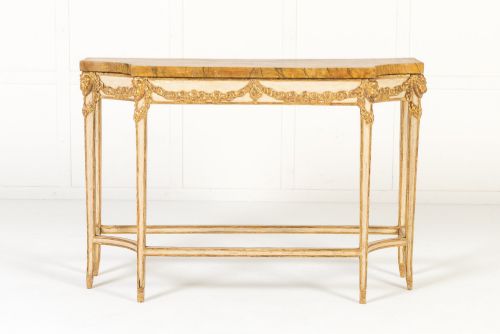
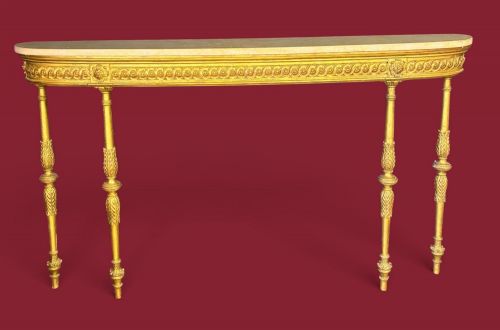
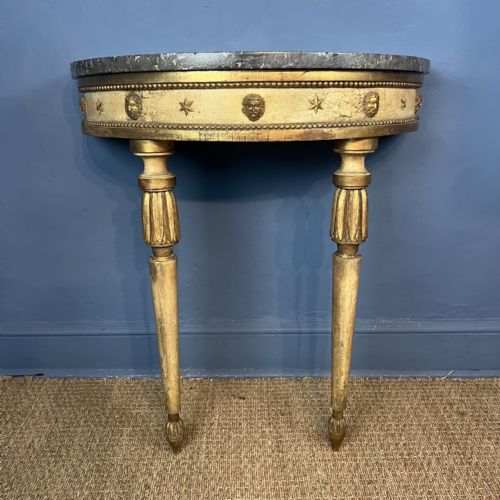


Cream Pier Table
A cream pier table brings architectural grace to a hallway or drawing room, anchoring the wall with painted charm and classical form.
Cream Pier Table
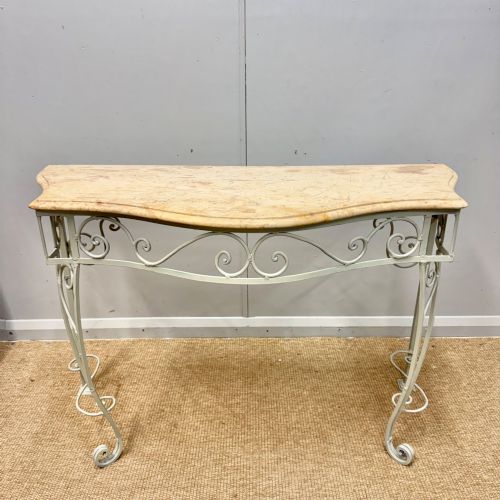
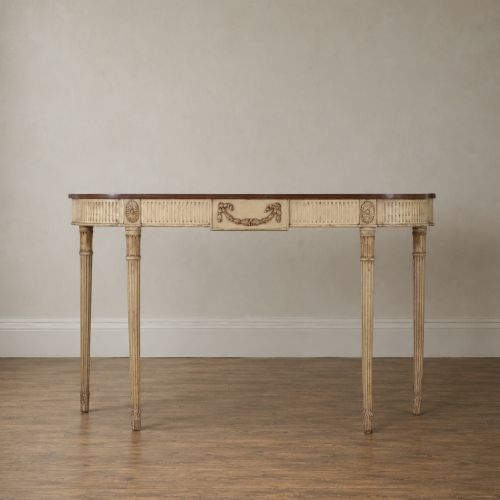
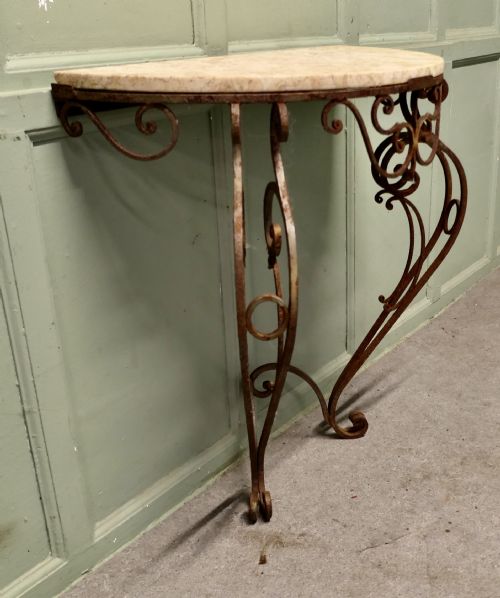
A cream pier table is fundamentally a console or wall table designed to fit flush against the wall between windows or beneath a mirror, standing on carved wooden or wrought iron frames. These tables arrive in various regional interpretations, from French and Italian workshops to Swedish and Georgian rooms, often appearing in soft painted finishes.
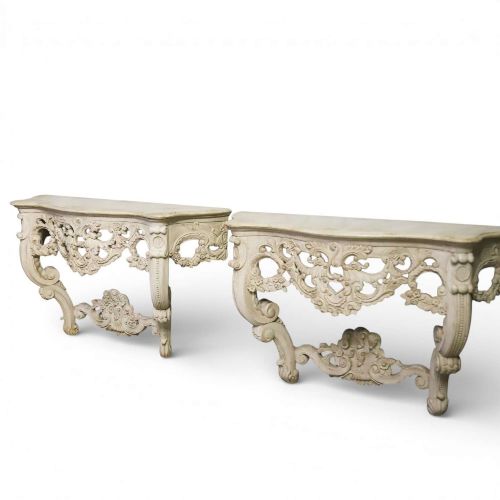
The selections span centuries from the eighteenth century through the nineteenth century and into the nineteen twenties and thirties, covering styles such as Neoclassical, French Rococo, and Georgian Revival. Buyers encounter half-moon shapes, rectangular console forms, and paired console tables accompanied by mirrors.
Most examples rely on painted wood, gesso, and parcel gilt surfaces finished in antique white or cream tones, frequently paired with heavy marble tops including Sienna marble. These pieces function as statement furniture that commands attention in narrow spaces through refined proportions.
How they were made
Craftsmen built the structural frames using carved wood, wrought iron, and gesso, shaping timber with hand tools to achieve elaborate scrollwork, fluted legs, and curved aprons. Frames received layers of paint, often in cream or antique white, sometimes accented with gold leaf or parcel gilt highlights to catch the light.
Heavy marble slabs formed the table tops, resting directly upon the wooden or iron bases to provide a cool, durable surface. Artisans utilised traditional joinery techniques to secure the legs and aprons, ensuring the narrow wall-mounted or console frames remained stable.
Cream Pier Table Retail Price Guide 2026
Typical asking prices for cream pier table among the pieces listed under this phrase on Sellingantiques today, from the lower quarter to the upper quarter. They describe what is for sale here now, not the wider market.
Listings feature pieces spanning the eighteenth century, nineteenth century, and twentieth century, incorporating Neoclassical, Rococo, and Georgian Revival styles.
What varies in quality
Quality rests in the depth and precision of the hand-carving upon the wooden frames, where crisp acanthus leaves and fluid cabriole legs distinguish superior workshops from simpler regional pieces. The integrity of the original paint finish, the presence of genuine parcel gilding, and the harmony between the base and its top dictate the piece's stature.
The Cream Pier Table Glossary
- Pier table
- A table specifically designed to stand against the wall between two windows, often positioned beneath a matching pier glass mirror.
- Parcel gilt
- Wood or gesso surfaces partially decorated with gold leaf or metallic paint to highlight specific carved details such as margins or motifs.
- Gesso
- A plaster-like mixture applied to wood frames to create a smooth surface for painting or gilding intricate decorative elements.
- Console table
- A table supported against a wall by wall brackets or console legs, functioning primarily as a decorative display surface.
- Rococo
- An ornate artistic style characterised by asymmetric curves, C-scrolls, and naturalistic plant motifs popular in eighteenth century furniture design.
Cream Pier Table: Frequently Asked Questions
Where should I place a cream pier table?
These tables find their natural home in entrance halls, narrow corridors, or reception rooms where floor space is limited. Positioning one against a blank wall beneath a mirror or artwork creates a balanced focal point.
Because they are designed to stand flush against the wall, they anchor a room without obstructing pathways. They serve well for displaying lamps, small sculptures, or decorative bowls.
How do I identify a period cream pier table?
Dating relies on examining the construction methods, tool marks on the timber, and the ageing of the paint and gesso layers. Earlier pieces from the eighteenth century typically exhibit hand-cut joinery and authentic crackleur in the painted finish.
Later revivals from the nineteenth and twentieth centuries often adopt cleaner machine-assisted cuts or emulate specific historic movements like Neoclassical or Rococo. Comparing the hardware, wood shrinkage, and wear patterns helps clarify the age.
Are marble tops original to these tables?
Many console and pier tables were built specifically to carry heavy stone tops, utilising robust wooden or wrought iron frames for support. Sienna marble and other decorative stones were favored in finer European workshops to contrast with painted bases.
When evaluating a piece, look for consistent wear between the marble edge and the frame it rests upon. Original stones sit securely within the wooden rebated borders designed to hold them.
How do I care for antique painted furniture?
Preserving a painted and gilt finish requires gentle dusting with a soft, dry cloth and avoiding harsh chemical cleaning products. Moisture should be kept away from antique wood and gesso to prevent flaking or lifting of the painted surface.
Marble tops benefit from prompt wiping of spills using mild soap and water. Wax can be applied sparingly to unpainted wooden sections if specified by a restorer, but original painted areas need minimal intervention.