






Cream Persian Wall Hanging
These cream persian wall hanging examples bring genuine tribal textile heritage into a room through authentic nomadic weaving traditions.
Cream Persian Wall Hanging
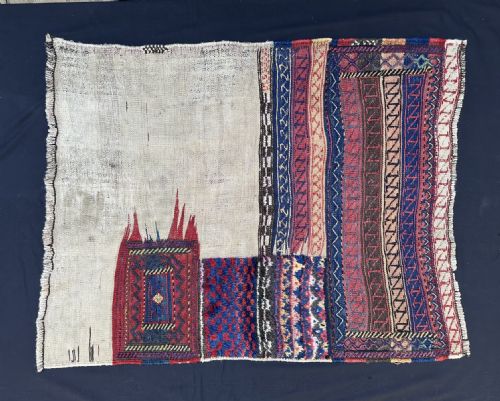
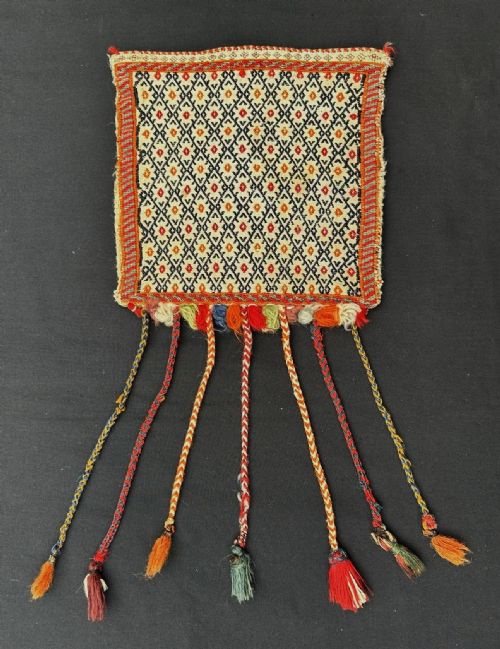
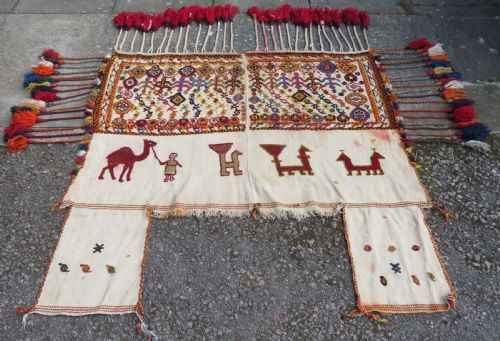
When you search for a cream persian wall hanging, you are looking at utilitarian tribal textiles repurposed from nomadic and village contexts into decorative wall art. The selections on this page span from the late nineteenth century into the early twentieth century, originating from regions such as western and south-west Persia.
The pieces include functional items such as tachheh wheat sacks, vanity bags, water-pipe bags, bread sofreh cloths, horse blanket covers, mats, and embroideries. Tribal groups like the Qashqa'i confederacy and Luri-Bakhtiari tribes produced these woven objects for daily nomadic life before they entered the collector market.
You will encounter distinctive regional types carrying traditional motifs and structures associated with Persian tribal and Qajar aesthetics. Each piece reflects the specific weaving culture of its makers, whether from the Chahar Mahal valley or the Fars province.
Materials and construction
The materials recorded in these pieces consist of wool, hand-spun wool, cotton, silk, and goat hair. These natural fibres were spun by hand and dyed using traditional methods to create the foundational yarns of each textile.
Weavers employed hand-knotted techniques and flatweave structures to produce durable bags, covers, and rugs designed for rigorous domestic use. The combination of sturdy wool and cotton foundations ensures structural stability for modern display.
Cream Persian Wall Hanging Retail Price Guide 2026
Typical asking prices for cream persian wall hanging among the pieces listed under this phrase on Sellingantiques today, from the lower quarter to the upper quarter. They describe what is for sale here now, not the wider market.
Listings span the decades from the 1870s to the 1920s, incorporating wool, cotton, silk, and goat hair across tribal and Qajar styles.
Judging quality in Persian textiles
The degree of fineness in the knotting or weaving density separates standard utility items from exceptionally worked pieces. Finer hand-spun wool and intricate pictorial or geometric execution elevate the visual impact of a textile.
Preservation of the original structure and integrity of the natural fibres dictates the standing of an antique piece. Strong integrity in the foundation and well-maintained edges preserve the historical value of the weaving.
The Cream Persian Wall Hanging Glossary
- Tacheh
- A traditional tribal wheat sack or storage bag produced by nomadic groups in western Persia. These woven containers were originally utilised for practical transport before being repurposed for display.
- Sofreh
- A flatwoven cloth traditionally used for serving bread or preparing food in Persian households. They display striking geometric or pictorial layouts.
- Qashqa'i
- A confederation of pastoral nomadic tribes inhabiting south-west Persia. Their textiles are celebrated for bold tribal patterns and expressive use of materials.
- Qajar
- Pertaining to the royal dynasty that ruled Persia from the late eighteenth to the early twentieth century. This aesthetic influences various pictorial rugs and fine weaving of the period.
Cream Persian Wall Hanging: Frequently Asked Questions
What is a cream persian wall hanging?
A cream persian wall hanging refers to antique tribal textiles, such as wheat sacks, bags, and rugs, repurposed from nomadic Persian life for display on interior walls.
These objects originate from various tribal groups and regions across Persia, dating from the late nineteenth century to the early twentieth century.
How do I hang a textile safely?
Displaying a textile safely involves distributing the weight evenly across the entire upper edge using a non-damaging mounting method, such as a fabric sleeve or specialised museum clips.
Avoid direct weight-bearing pins or nails that pierce the historical fibres of the wool or cotton foundation.
How do I date these pieces?
Dating these textiles relies on examining the materials, such as hand-spun wool and natural dye palettes, alongside the specific tribal attributions and structural characteristics recorded in the listings.
Reference points include active production periods from the 1870s through the 1920s, identified by traditional motifs and historic portraits.
Where did these textiles come from?
These pieces originated among nomadic and village communities across Persia, including the Chahar Mahal valley, Fars province, and northern-central regions.
Tribes such as the Qashqa'i and Luri-Bakhtiari created them for domestic utility before they entered the antique market.