






Cream Paper Georgian Print
A cream paper georgian print brings the structured elegance of eighteenth-century design and cartography directly to your wall.
Cream Paper Georgian Print
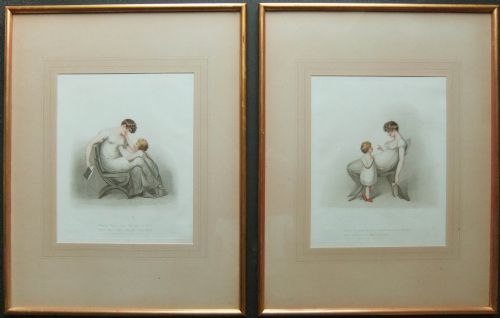
A cream paper georgian print encompasses framed engravings, hand-coloured botanical plates, architectural elevations, and regional maps produced during the eighteenth and early nineteenth centuries. These works record the era's fascination with classical antiquity, natural history, and detailed cartography.
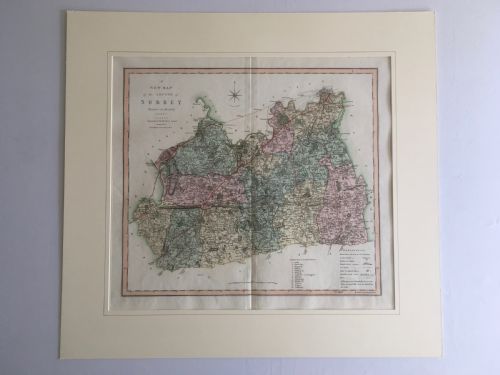
The most common form encountered on this page is the architectural engraving or classical subject, often originating from comprehensive surveys of ancient Athens and Roman antiquities. Maps of counties and islands also appear regularly, reflecting the period's rigorous methods of land documentation.
The paper itself carries a warm, aged tone acquired over centuries, providing a distinct background for black ink lines and occasional hand-applied watercolour washes. Subjects range from mythological figures like the Tower of the Winds gods to intricate botanical studies complete with insects.
How they were made
Makers produced these works primarily through intaglio techniques such as engraving and stipple engraving, pressing dampened cream paper into inked metal plates under considerable pressure. This process leaves a distinct platemark impression in the paper surface.
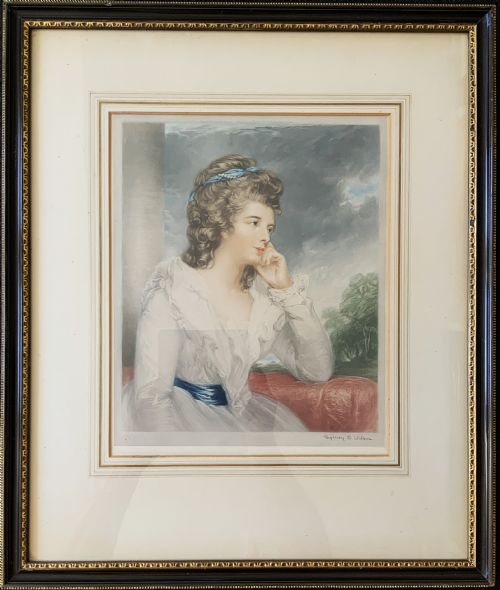
Selected plates received additional visual depth through meticulous hand colouring using watercolour pigments applied directly over the printed ink lines. Framed presentation often incorporates glass protection and simple wooden mouldings to preserve the fragile sheet.
Cream Paper Georgian Print Retail Price Guide 2026
Typical asking prices for cream paper georgian print among the pieces listed under this phrase on Sellingantiques today, from the lower quarter to the upper quarter. They describe what is for sale here now, not the wider market.
Even ancient Greek temple stones and mythological wind gods needed proper documentation, as eighteenth-century travellers proved with every measured line.
What varies in quality
Quality rests significantly upon the crispness of the plate impression and the precision of the initial engraving, where sharper lines indicate a fresh plate before wear dulled the detail. The skill and subtlety of any hand-applied watercolour wash further separate standard impressions from superior examples.
The preservation of the cream paper sheet itself dictates overall desirability, with minimal staining and intact margins offering a cleaner visual balance. Clarity of the publisher attribution and the prominence of the engraver's hand elevate the historical standing of the piece.
James Basire·John Curtis·Sydney Wilson·W. Collard·R. Creighton·C. Smith·J. Duncan·J. Harrison·Adam Buck
The Cream Paper Georgian Print Glossary
- Engraving
- A printmaking technique where an artist cuts lines directly into a metal plate with a sharp steel tool called a burin. The resulting incisions hold ink for transfer under pressure.
- Stipple engraving
- A method of creating tonal gradations on a print using a dense pattern of dots rather than continuous lines. This technique suited delicate portraits and botanical illustrations.
- Aquatint
- An intaglio printmaking variant that achieves watercolour-like tonal areas through acid etching porous resin grounds on a metal plate. It often appeared in topographical and travel publications.
- Artist proof
- An early trial impression pulled to allow the creator to inspect the plate before mass printing commenced. These impressions generally exhibit exceptional detail.
- Platemark
- The indented boundary left in the paper where the edge of the metal printing plate pressed down during the printing process. Its presence confirms a traditional intaglio method.
Cream Paper Georgian Print: Frequently Asked Questions
What is a cream paper georgian print?
A cream paper georgian print is an authentic antique engraving, map, or botanical illustration produced during the eighteenth or early nineteenth century. These works capture the artistic, scientific, and architectural interests of the period on aged rag paper.
Subjects range from classical architectural studies of Athens to detailed county maps and natural history plates. Each piece serves as both a historical document and a decorative wall work.
How should I frame these prints?
These works require conservation framing using acid-free mounting materials to prevent the historical cream paper from degrading over time. Keeping the original margins visible within the mount preserves the integrity of the antique sheet.
Glazing with UV-filtering glass helps protect vulnerable watercolour pigments from fading under normal room illumination. Displaying them away from direct sunlight ensures the longevity of the paper and ink.
Are these prints hand coloured?
Many examples feature delicate watercolour washes applied by hand over the printed ink lines shortly after publication. This technique added realism to botanical studies and visual interest to architectural subjects.
Close inspection under magnification reveals the brushstrokes and subtle pooling characteristic of period hand colouring. Uncoloured impressions rely entirely on the contrast between the black ink and the warm cream paper.
How do I identify the age of a print?
Age is typically determined by examining the characteristics of the laid or wove cream paper, the style of the engraving, and any inscribed publication dates or maker credits. Plate marks and watermark evidence within the paper fibres also assist in confirming the period of production.
Stylistic cues such as neoclassical motifs or Regency lettering provide further context for dating. Comparing the plate to known historical surveys helps narrow down the exact decade of release.