




Cream Paper Chart
These cream paper chart selections offer authentic historical maps, scientific diagrams, and pedigrees printed on aged paper stock.
Cream Paper Chart
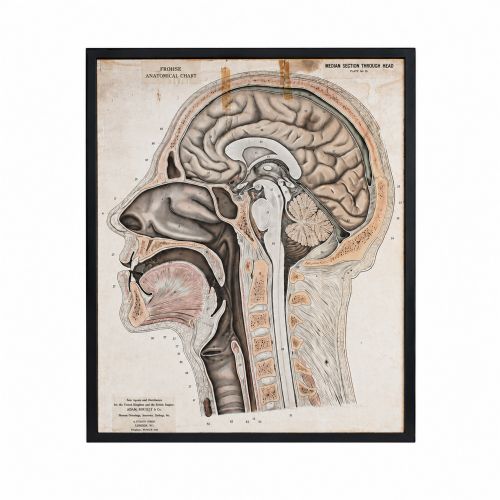
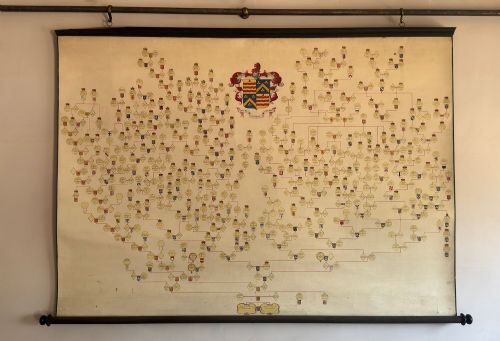
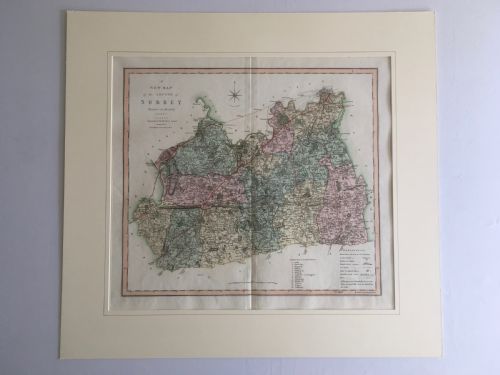
A cream paper chart typically brings together antique maps, anatomical plates, and genealogical pedigrees spanning from the seventeenth century through to the mid-twentieth century. Buyers searching this category encounter paper documents bearing the natural warmth and toning acquired over centuries of age.
The material takes many forms on this page, stretching from regional county maps and world cartography to specialised instructional diagrams and family trees. Most examples survive mounted within traditional framing or retaining their original canvas and wooden supports.
Origins range widely across British, European, and regional contexts, reflecting the specific publishing houses, cartographers, and draughtsmen responsible for their initial creation. Each piece serves as a direct survival of historical record keeping and educational display.
Materials and construction
Paper forms the primary substrate for these charts, often combined with applied ink, hand-applied watercolour washes, and linen backings to provide structural support for frequent handling. Giltwood and timber framing frequently enclose the paper sheets to protect them from environmental damage.
Production techniques rely upon early engraving, lithography, and detailed draughtsmanship executed by hand or press. The interaction between iron gall or printing inks and the organic fibres of the paper creates the characteristic cream coloration and toning visible today.
Cream Paper Chart Retail Price Guide 2026
Typical asking prices for cream paper chart among the pieces listed under this phrase on Sellingantiques today, from the lower quarter to the upper quarter. They describe what is for sale here now, not the wider market.
Listings span several centuries of production, utilising materials such as paper, canvas, linen, ink, watercolour, and giltwood within framed formats.
Differentiating quality across examples
Quality rests primarily upon the clarity of the printed line, the preservation of the paper surface, and the precision of any original hand-colouring. Sharpness in cartographic engraving and the legibility of descriptive text separate standard functional prints from finer cartographic works.
Condition plays a defining role, measured by the stability of the paper, the absence of heavy staining, and the survival of margins around the printed border. Examples retaining original frames or contemporary backing materials demonstrate greater historical integrity.
The Cream Paper Chart Glossary
- Cartography
- The science or practice of drawing maps. This discipline encompasses regional surveys, world overviews, and town plans found on antique paper.
- Engraving
- A printmaking process where an image is incised onto a metal plate with a cutting tool. Ink is then pressed into the grooves to create the printed sheet.
- Pedigree
- A recorded line of descent showing ancestral lineage. These family trees were often drawn up on large sheets of paper for display.
- Lithography
- A printing method based on the repulsion of oil and water on a stone or metal plate. It enabled the mass production of detailed educational charts in later periods.
Cream Paper Chart: Frequently Asked Questions
How should I hang an antique paper chart?
Protect the paper from direct sunlight by placing the piece away from south-facing windows and bright artificial light sources. Consistent indoor humidity levels prevent the paper stock from becoming overly brittle over time.
Ensure the hanging hardware is securely fixed to the wall to support the weight of the frame and glass. Professional framing using acid-free backing materials provides the best long-term preservation for older paper.
What periods do these charts come from?
The selection includes items produced across multiple centuries, ranging from seventeenth-century county maps and eighteenth-century world charts to nineteenth-century town plans and twentieth-century educational diagrams.
Each period employs distinct printing and engraving methods characteristic of its technological era. Stylistic details in the typography and cartographic borders usually indicate the decade of production.
Are these charts original or reproductions?
The items listed represent period originals created during the dates stated in their descriptions, utilising historical printing technologies and genuine aged paper stocks. Evidence of authentic age appears in the natural toning of the paper and the ink characteristics.
Examining the reverse of the sheet often reveals period paper qualities, watermarks, or backing linen consistent with historical manufacture. Modern facsimile reproductions lack these authentic material markers.
Can I read the small text on these maps?
Most cartographic and anatomical charts feature fine lettering that remains legible upon close inspection, though legibility varies depending on the original printing scale. Finer regional maps include detailed place names and topographical notes.
Good lighting helps reveal the finer engraved details without straining the paper surface. Magnification is often useful for examining the intricate hand-drawn calligraphy found on genealogical pedigrees.