




Cream Painted Pedestal Table
A cream painted pedestal table brings useful surface space and muted colour to a room, drawing on periods from the nineteenth century to the twentieth.
Cream Painted Pedestal Table
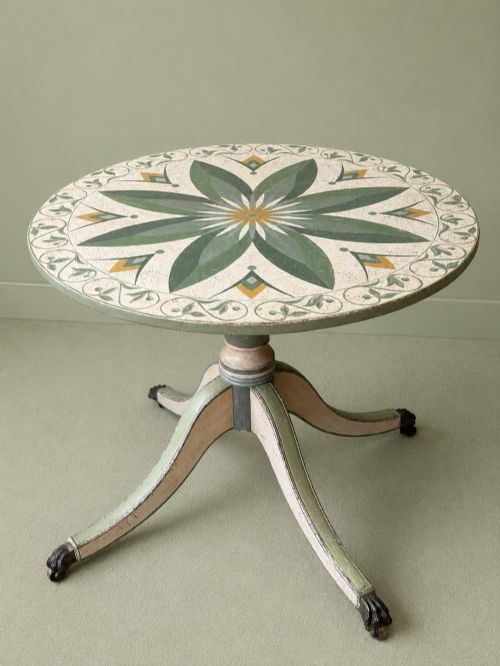
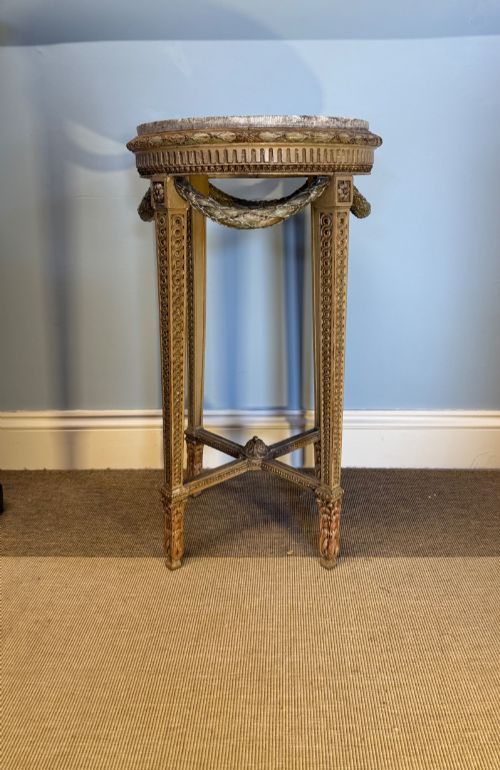
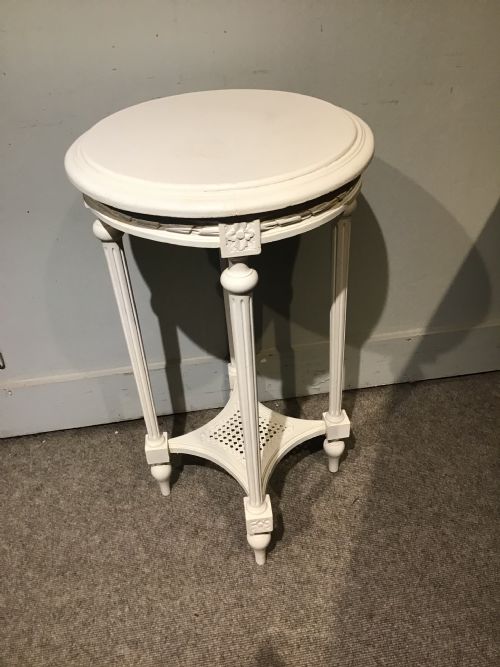
When you search for a cream painted pedestal table, you find a selection of painted wooden occasional tables, lamp tables, and plant stands supporting central columns. The examples here span the nineteenth century through the early twentieth century, taking in Victorian, Regency, and Louis XVI styles.
You are most likely to encounter smaller lamp tables and occasional tables rather than large dining pieces. These items often originate from English, French, and Italian workshops, displaying decorative painted finishes alongside carved wood and marble elements.
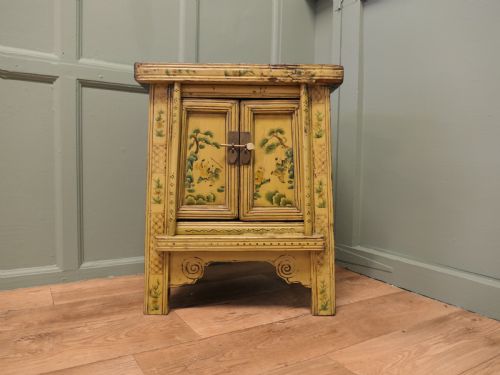
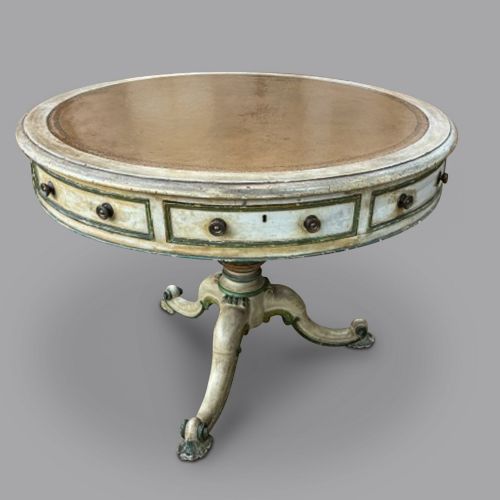
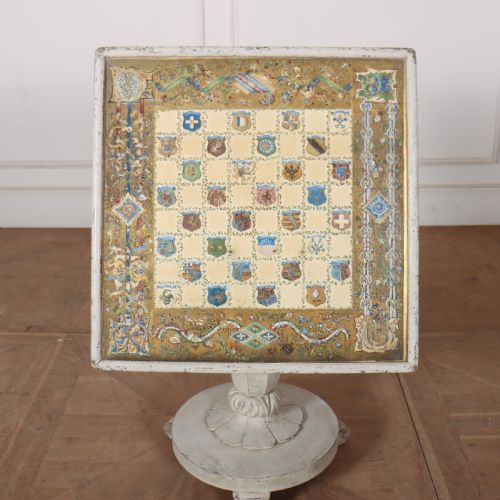
The assortment includes round tilt-top tables, drum tables, and side tables designed for domestic utility. Surface decoration ranges from simple painted finishes to more elaborate Chinoiserie and Venetian motifs.
Materials and construction methods
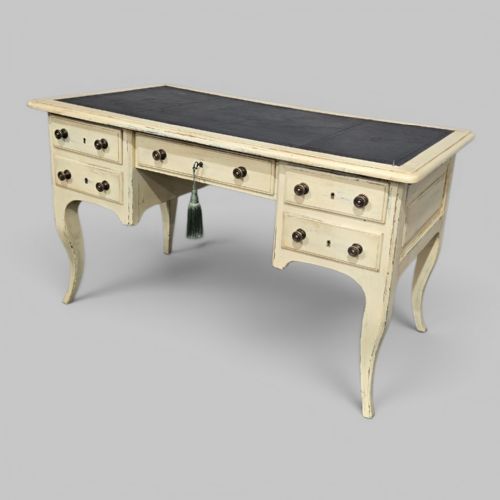
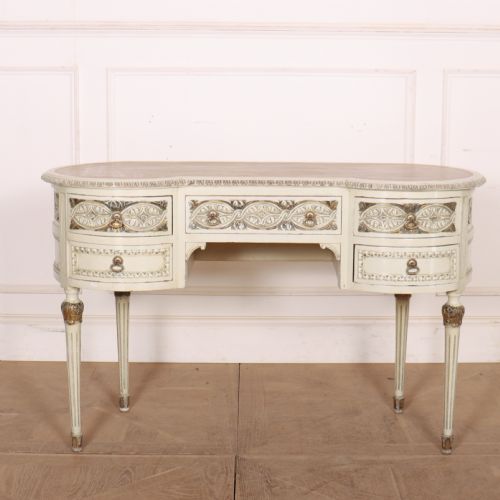
Makers utilised painted wood as the primary material, often applying gesso to create smooth surfaces for subsequent decoration. Brass details and leather inserts appear on selected desks and tables.
Marble tops provide durable and cool surfaces on French and oriental stands from the nineteenth century. Paint and hand decoration define the visual character across the selection, appearing on both softwoods and hardwoods.
Listings feature items spanning the eighteenth century to the 1930s, incorporating painted wood, marble, brass, and gesso.
Assessing quality and craftsmanship
Quality rests in the execution of the painted surface and the stability of the pedestal construction. Hand-decorated motifs show individual artistic effort that distinguishes finer items from plain production pieces.
The integration of materials such as inset marble tops or cast brass components indicates higher ambition in the original workshop. Structural integrity in the central column and base determines daily usability.
The Cream Painted Pedestal Table Glossary
- Pedestal table
- A table supported by a single central pillar or column resting on a base. This form allows maximum legroom around the perimeter.
- Tilt-top table
- A table with a hinged top that folds vertical when not in use. This design allowed furniture to be stored flat against walls in smaller rooms.
- Gesso
- A plaster-like mixture applied to wood surfaces as a base for paint and gilding. It provides a smooth ground for detailed decoration.
- Chinoiserie
- European decorative art imitating Chinese artistic styles. It appears in painted scenes and motifs on cabinets and tables.
- Drum table
- A circular library table with a deep rim resembling a drum, often containing drawers. These pieces sit on a central pillar with spreading feet.
Cream Painted Pedestal Table: Frequently Asked Questions
Where should I place a pedestal table?
These tables suit corners, hallways, and beside seating where floor space is limited. Their central column allows chairs to tuck neatly underneath.
They function well as lamp stands, display surfaces for decorative objects, or small writing desks depending on the specific form.
How do I clean a painted wooden table?
Dust gently with a dry, soft cloth to remove everyday particles. Avoid abrasive cleaners or excess moisture that could damage the painted finish.
Wax can protect wooden surfaces, but test any product on an inconspicuous area first to ensure compatibility with the paint.
What is a tilt-top table used for?
Historically, tilt-top tables folded away against walls to save space in crowded drawing rooms. Today, they serve as regular occasional tables while retaining their mechanical pivot function.
The tilting mechanism allows for easier movement between rooms when necessary.
How can I tell the period of a painted table?
Examine the construction joints, the type of wood beneath the paint, and the style of the decorative motifs. Victorian and nineteenth-century pieces often show hand-mixed pigments and traditional joinery.
Stylistic cues such as Neoclassical symmetry or Louis XVI carving provide further clues to the date of manufacture.