

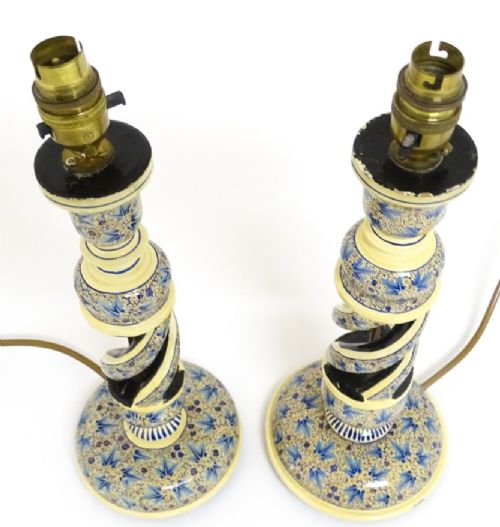
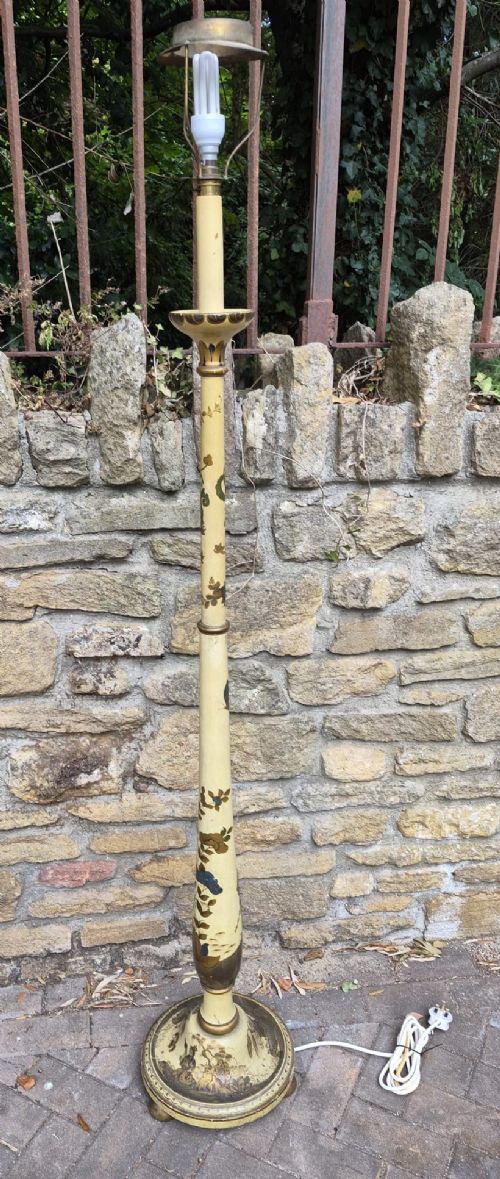
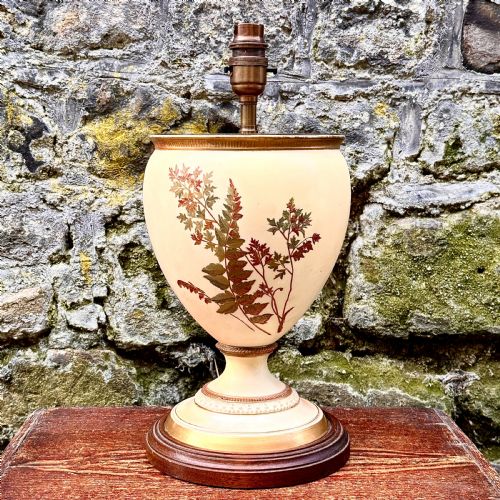

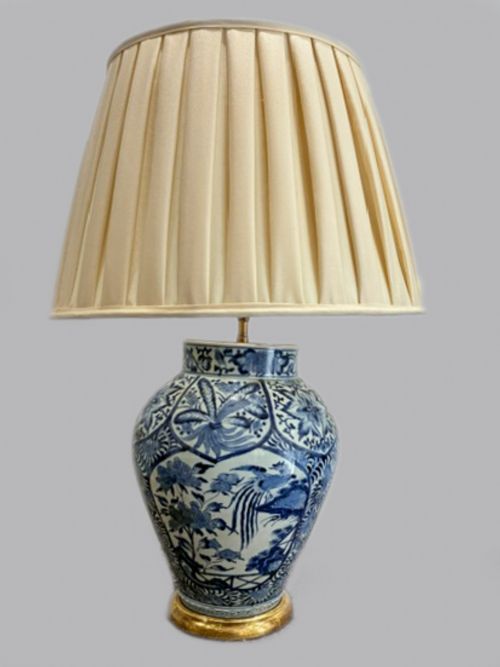

Cream Painted Lamps
Cream painted lamps bring character to an interior through soft patination and quiet utility, spanning table lights, standard lamps, and converted vessels.
Cream Painted Lamps
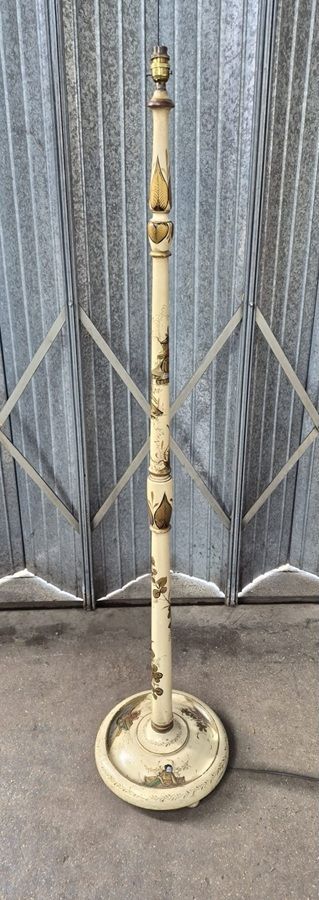
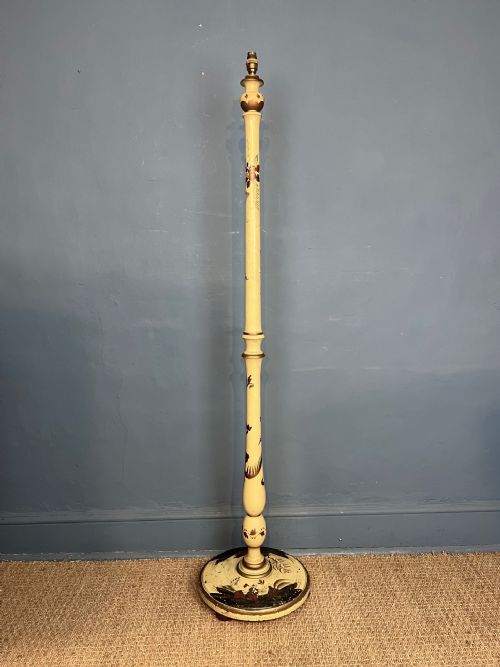
Cream painted lamps encompass a diverse group of domestic illumination pieces, including standard lamps, table lights, and converted ceramic or porcelain vessels. Buyers searching for cream painted lamps encounter objects ranging from early twentieth-century wooden pieces to nineteenth-century Satsuma, Chinese, and Paris ware vases transformed into lighting.
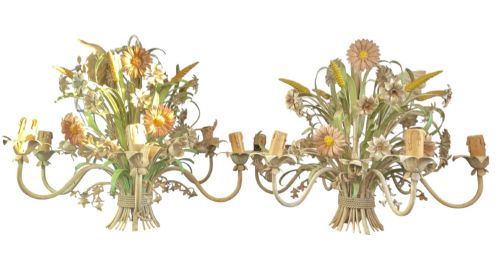
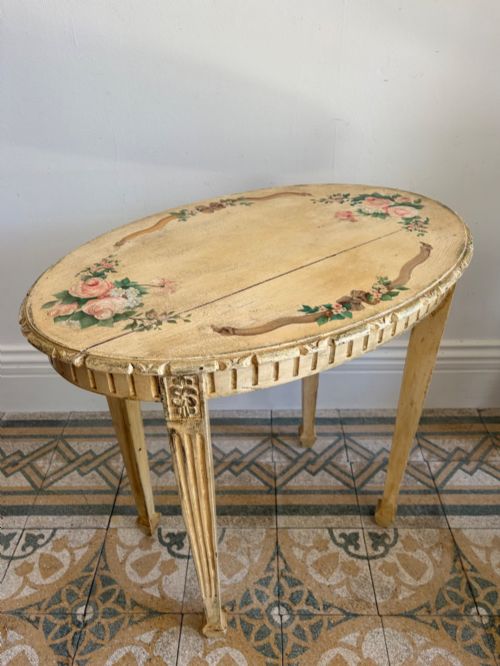
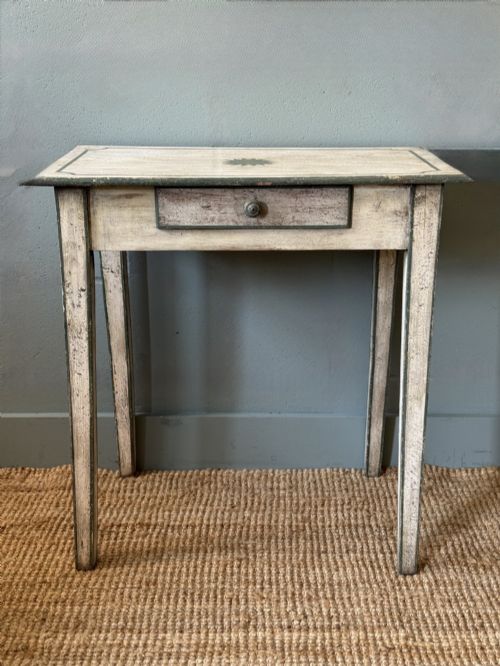
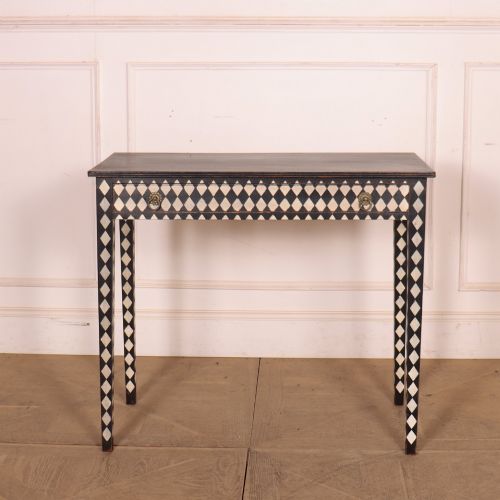
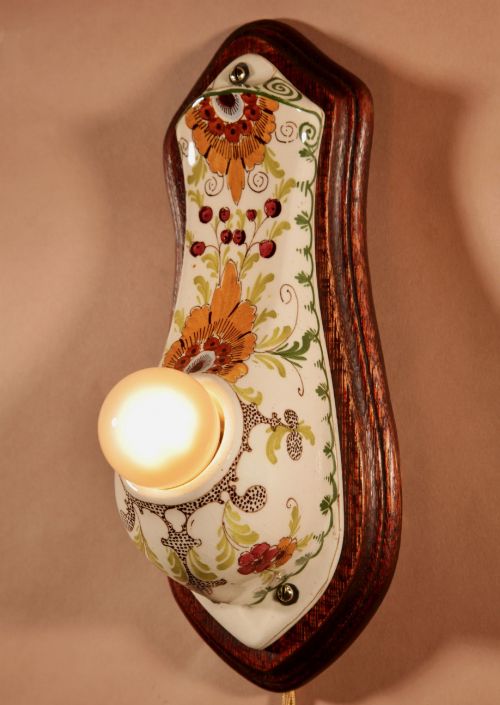
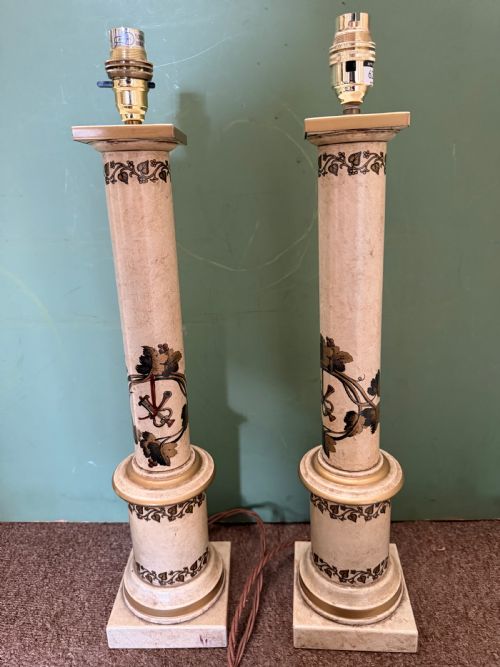
The selection on this page leans heavily toward French provincial and occasional table forms, alongside standard lamps and wall lights. These items reflect various origins, including English, French, Japanese, and Chinese aesthetics, often united by painted wood, brass, or ceramic bodies.
How they were made
Makers utilised traditional materials such as wood, brass, bronze, porcelain, ceramic, and marble to construct the structural bodies of these lamps. Paint was frequently applied over wood or metal surfaces, sometimes with later hand-painting or parcel gilt highlights augmenting the original finish.
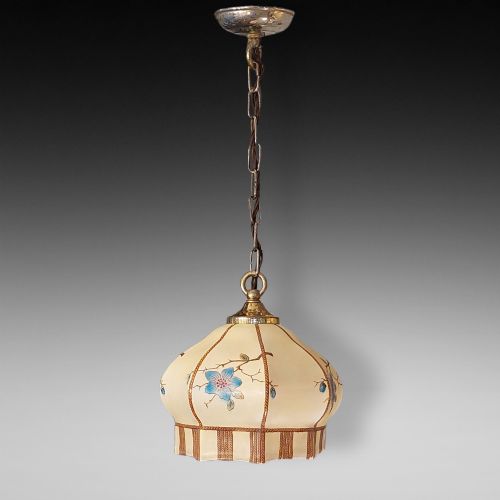
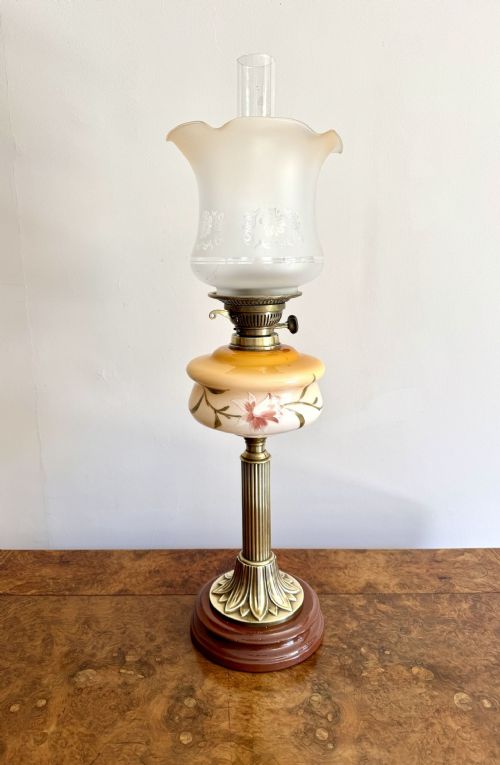
Many lighting pieces originated as decorative vases or oil lamps before undergoing conversion into electric lamps. Artisans combined turned wooden columns, tole-peinte metalwork, and ceramic bodies with fabric shades and brass fittings.
Cream Painted Lamps Retail Price Guide 2026
Typical asking prices for cream painted lamps among the pieces listed under this phrase on Sellingantiques today, from the lower quarter to the upper quarter. They describe what is for sale here now, not the wider market.
An enterprising hand once looked at a seventeenth-century Japanese vase and decided it made a splendid spot for a light bulb.
What varies in quality
Quality rests upon the integrity of the original construction and the subtlety of the painted surface. Hand-painted details, whether on early twentieth-century wood or nineteenth-century porcelain, display varying degrees of artistic precision and depth.
The choice of base material and the balance of proportions distinguish finer examples. Converted vessels retain their structural harmony best when the original ceramic or bronze form integrates seamlessly with the lighting mechanism.
Royal Worcester
The Cream Painted Lamps Glossary
- Tole-peinte
- Painted sheet metal, frequently utilised in French column lamps and decorative shades. This technique provides a durable surface for rich colour application.
- Satsuma
- A type of Japanese earthenware featuring a crackle glaze, often richly decorated with enamels and gilt. Many such vases were subsequently converted into table lamps.
- Parcel gilt
- The practice of applying gold leaf or gilt to specific portions of an object, such as painted wooden tables or wall lights. It accentuates carved details and mouldings.
- Standard lamp
- A tall floor-standing lamp designed to illuminate a room from a corner or beside seating. These often feature wooden or painted columns.
- Faience
- Tin-glazed earthenware, seen in nineteenth-century oil lamp bases combined with bronze. It offers a smooth, opaque surface suitable for detailed decoration.
Cream Painted Lamps: Frequently Asked Questions
What are cream painted lamps?
Cream painted lamps are domestic lighting fixtures and converted decorative objects featuring cream-coloured painted surfaces. They include wooden table lamps, standard lamps, wall lights, and ceramic vases adapted for electricity.
These pieces draw on diverse stylistic traditions, from French provincial furniture to Japanese and Chinese porcelain vases.
How were these lamps used?
They served to illuminate living spaces, bedrooms, and reading corners through table lamps, standard lamps, and wall lights. Many also functioned as decorative objects on side tables, bedside chests, and occasional tables.
Over time, numerous oil lamps and oriental vases were converted into electric lamps to suit modern domestic needs.
How do I live with cream painted lamps?
These lamps integrate easily into neutral interiors, country houses, and traditional schemes where soft painted finishes complement wood and fabric. Place table lamps on occasional tables or bedside chests for warm, layered lighting.
Their restrained colour palette allows them to sit comfortably alongside antiques from various periods without dominating a room.
How do I date these lamps?
Dating relies on examining the materials, construction methods, and stylistic markers such as Art Nouveau curves or Louis XVI proportions. Painted wooden surfaces, brass fittings, and ceramic bodies often carry characteristics specific to the nineteenth or early twentieth century.
Converted vessels require looking at the age of the original vase, which may predate the electrical conversion by several decades.