



Cream Leather Side Chairs
Cream leather side chairs bring texture and period warmth to a room, offering practical seating shaped by decades of design.
Cream Leather Side Chairs
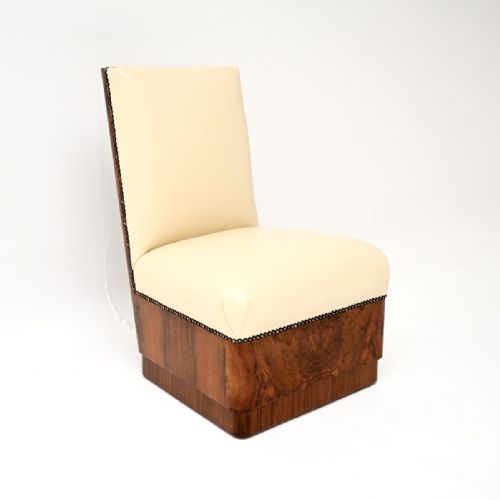
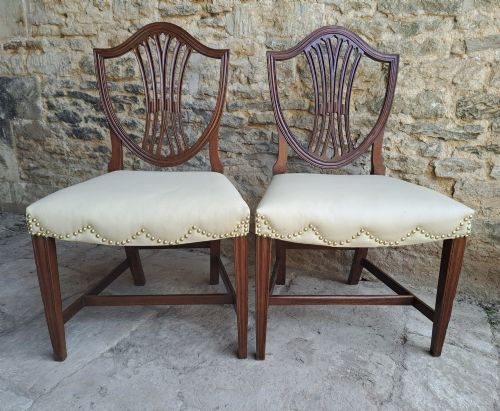
Cream leather side chairs span multiple periods, ranging from eighteenth-century mahogany pieces to 1930s Art Deco seating. Buyers searching for cream leather side chairs will encounter dining chairs, desk chairs, and pairs originating from various historical eras.
The selection includes specific maker-attributed pieces from the 1930s alongside earlier nineteenth-century styles. Walnut, mahogany, and painted timber form the structural basis of these seating options across the different periods.
Construction and materials
Makers utilised solid timbers such as mahogany, walnut, and oak to build the frames of these chairs. Brass details occasionally appear alongside the primary wood structures to accent the design.
Leather and vinyl serve as the primary upholstery materials applied to the seats and backs. Traditional woodworking techniques secure the timber frames, while upholstery methods adapt to the specific period style.
Cream Leather Side Chairs Retail Price Guide 2026
Typical asking prices for cream leather side chairs among the pieces listed under this phrase on Sellingantiques today, from the lower quarter to the upper quarter. They describe what is for sale here now, not the wider market.
Even chairs that missed the historical memo on matching still manage to look exceptionally pleased with themselves in the corner.
Distinguishing quality
Quality rests in the precision of the timber framing and the execution of period styles such as Louis XVI Neoclassical or Georgian. Maker attribution, particularly from firms like Hille or Epstein, separates standard examples from notable pieces.
The refinement of the woodwork, whether burr walnut or carved mahogany, dictates the standing of an individual chair. Cohesion within larger sets of dining chairs also influences overall desirability.
Harry and Lou Epstein·Hille
The Cream Leather Side Chairs Glossary
- Side chair
- A chair without arms, traditionally used for dining or occasional seating around a room. These pieces fit easily against walls or around a table.
- Art Deco
- A design style prominent in the 1930s characterised by sleek lines and modern geometric forms. Pieces from this era often utilise walnut or specialised leather upholstery.
- Hepplewhite
- An eighteenth-century design style associated with refined mahogany construction and elegant proportions. Named after the cabinetmaker, these pieces reflect classic Georgian tastes.
- Hille
- A notable twentieth-century furniture maker known for producing distinct side chairs during the 1930s. Their work represents quality craftsmanship of the period.
Cream Leather Side Chairs: Frequently Asked Questions
What periods do these chairs cover?
The available selection spans from the eighteenth century through the Victorian and Edwardian eras into the 1930s.
This broad timeline means buyers can find everything from early mahogany frames to mid-twentieth-century Art Deco designs.
Are these chairs sold in sets?
Listings include individual side chairs, matched pairs, and larger sets containing six or eight chairs.
Larger groupings typically suit dining rooms, while pairs and single pieces function well as desk chairs or accent seating.
What woods are used in the frames?
Frames utilise traditional hardwoods including mahogany, walnut, burr walnut, and oak.
Some nineteenth-century examples also feature painted timber finishes reflecting Louis XVI neoclassical influences.
How do I identify a 1930s piece?
Nineteenth-century pieces often display classic mahogany or Victorian styling, whereas 1930s items typically reflect Art Deco forms.
Maker attribution stamps or labels can also help confirm twentieth-century origins.